Finding the best fabric for pajamas is key to a truly restful night’s sleep. From breathable cotton and luxurious silk to cozy flannel and ultra-soft modal, these fabrics maximize comfort and regulate temperature. This guide will help you choose the perfect material for your sleepwear collection.
1. Key Factors to Consider When Choosing Fabric
Understanding the role of each factor helps you tailor your choice to your specific comfort and health needs:
- Breathability & Moisture Control: You need to select fabrics that let the skin “breathe” easily. This should be the primary defense against customers overheating and becoming uncomfortable. Crucially, the material must handle sweat effectively (moisture-wicking). If the fabric just soaks up moisture and stays damp, it leads to customer complaints and undermines the product’s quality perception.
- Softness & Skin Feel: The feeling of the fabric is what sells the garment instantly. It must be gentle and non-irritating, which is a major factor for repeat purchases. You must ensure the material’s softness is engineered to last meaning it must hold up against repeated washing without becoming rough or scratchy. A superior, consistent hand-feel defines the luxury and quality of your brand.
- Temperature Regulation: DThis factor determines which climate and season your pajamas are designed for. You need materials that either insulate well (to create a cozy winter line) or fabrics that actively dissipate heat (for a fresh summer collection). Getting this balance right is key to minimizing customer returns due to being “too hot” or “too cold.”
- Durability & Easy Care: Your pajamas must be robust enough to handle the wear and tear of frequent home laundering. Durability protects your investment and, more importantly, your brand’s reputation for quality. By selecting fabrics that are easy to wash and require minimal special handling, we are selling convenience and reducing the friction points for the consumer.
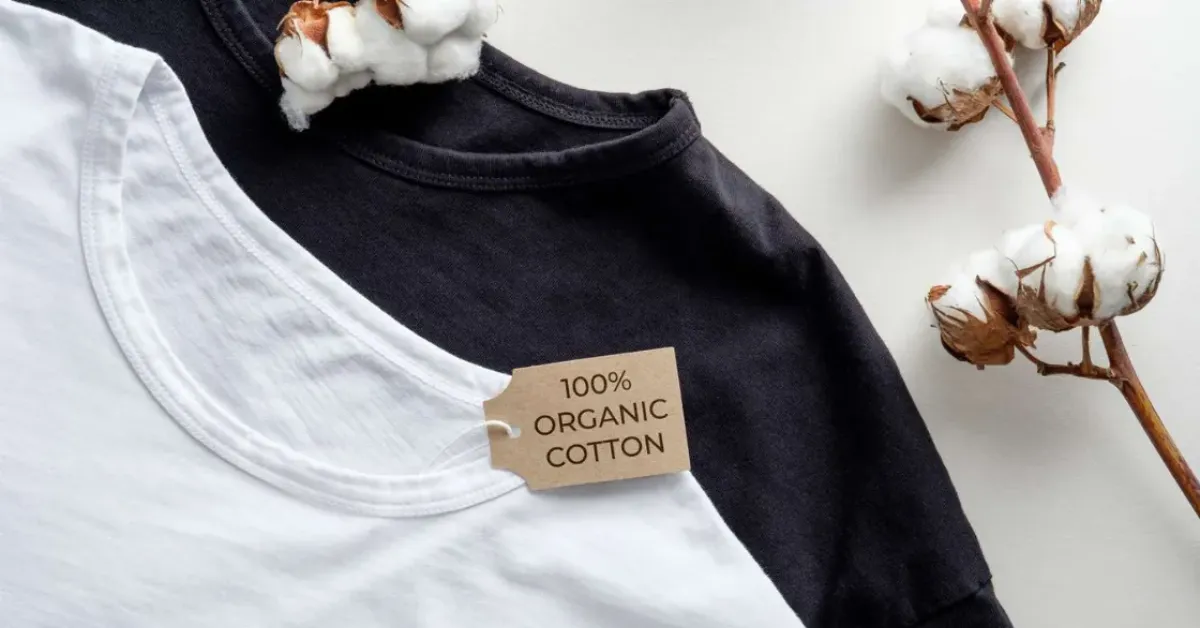
- Sustainability: Today, your brand needs a clear, genuine story about its materials. Choosing sustainable fabrics like certified organic or low-impact fibers is no longer optional, it’s essential for appealing to a large, values-driven consumer base. This commitment must be visible and traceable to align your product with modern market expectations.
For a deeper understanding of the raw materials that shape our garments, you can read more about Types Of Textile Fibers: The Different Between Natural Fibers Vs Manmade Fibers – Thygesen Textile Vietnam.
2. Best Fabric for Pajamas Manufacturing
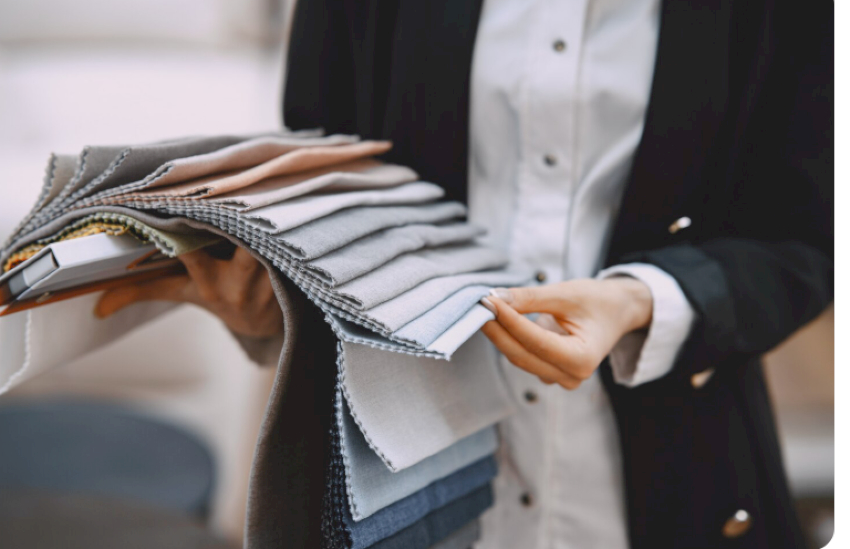
As a clothing manufacturing partner, Thygesen recommends focusing on fabrics that strategically balance performance, cost, and consumer appeal. These are the most common and versatile options for a robust sleepwear line.
For a broader understanding of sustainable and traditional material options, explore 10 Common Types of Natural Fabrics Used for Clothing Manufacturing.
2.1. 100% Cotton
Cotton is the most popular choice for pajamas due to its natural softness, breathability, and moisture-wicking properties. Fabric weight typically ranges from 120–200 gsm, making it suitable for both lightweight summer pajamas and thicker winter sets. Cotton pajamas are ideal for basic sleepwear, casual loungewear, and family matching sets, offering comfort and durability for everyday use.
2.2. Cotton/Modal Blends (60-70% Cotton/30-40% Modal)
Blending cotton with modal enhances softness, drape, and breathability while maintaining durability. Fabric weight usually falls between 140-180 gsm. This blend is perfect for premium sleepwear, stylish pajamas, and collections that aim to combine luxury with comfort. Modal adds a silky touch, making garments feel smooth against the skin.
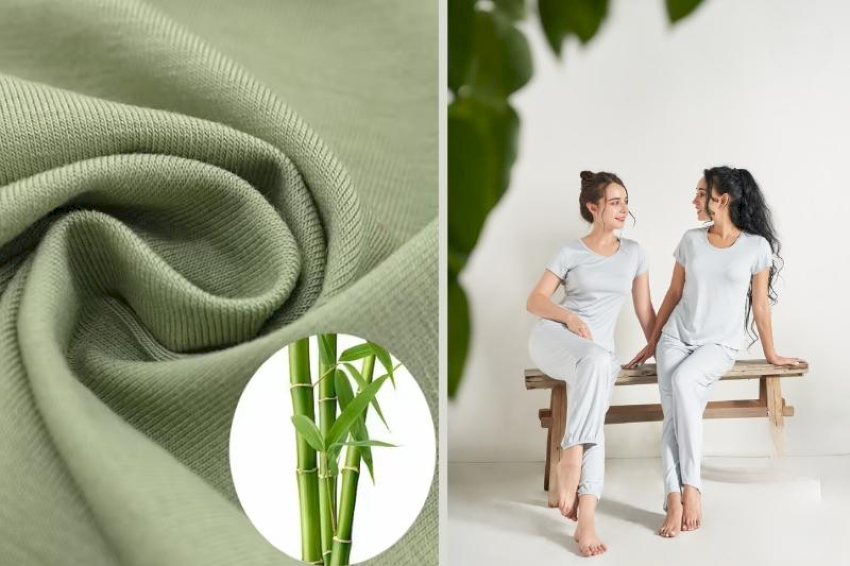
2.3. Bamboo Viscose (100% or 70-80% Bamboo/20-30% Cotton)
Bamboo viscose is naturally soft, breathable, and antibacterial, with excellent temperature regulation. Blending with cotton increases durability and reduces wrinkling. Typical fabric weight is 130-180 gsm. Bamboo pajamas are ideal for summer sleepwear, lightweight loungewear, or sleepwear designed for sensitive skin, offering a cool and comfortable feel throughout the night.
2.4. Flannel (100% Cotton Flannel or 80% Cotton/20% Polyester)
Flannel is warm, soft, and ideal for colder seasons. Blending with polyester improves shape retention and reduces shrinkage. Fabric weight typically ranges from 160–220 gsm. Flannel pajamas are perfect for winter sleepwear, cozy onesies, or family matching sets, providing warmth and comfort in colder climates.
2.5. Polyester/Brushed Fleece (100% Polyester or Polyester Blends)
Brushed fleece is exceptionally soft and insulating, with a plush texture. Fabric weight typically ranges from 180-250 gsm. Polyester blends enhance durability, reduce shrinkage, and are easy to care for. Fleece pajamas are ideal for winter sleepwear, oversized cozy sets, and children’s sleepwear, offering warmth and comfort.
To learn more about how specific materials are chosen for the little ones, dive deeper into Kids pajama fabric types.
Brushed fleece is also widely used beyond sleepwear in warm casualwear products such as sweatshirts and hoodies. Brands planning to expand into these categories can explore our list of trusted hoodie manufacturer options to compare their fabric expertise, customization services, production capacity, and order requirements.
2.6. Silk (100% Silk or 80% Silk/20% Cotton)
Silk provides a luxurious, smooth texture with natural temperature-regulating properties. Cotton blends increase strength and reduce cost while maintaining comfort. Fabric weight is usually 16-22 mm (roughly 60-90 gsm). Silk pajamas are suitable for high-end sleepwear, gift sets, or luxury pajama collections, offering elegance and a soft, lightweight feel.
2.7. Rayon/Spandex Blends (90-95% Rayon/5-10% Spandex)
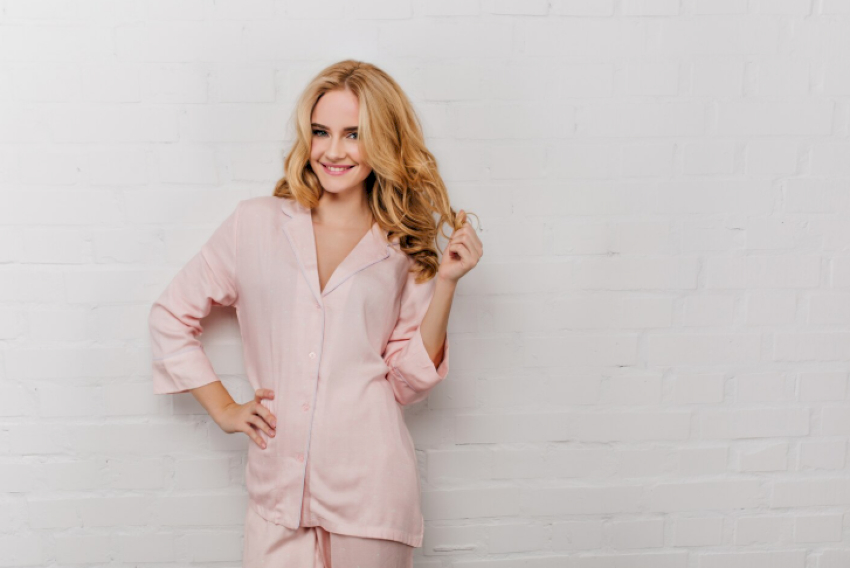
Rayon provides a silky, lightweight feel while spandex adds stretch and flexibility. Fabric weight is usually 130-170 gsm. This blend is suitable for body-hugging pajamas, elegant loungewear, and fashion-forward sleepwear collections that require both comfort and mobility.
The stretch, flexibility, and lightweight comfort of rayon-spandex blends also make them relevant to selected lifestyle and low-impact performance garments. For brands developing broader performance-focused collections, explore our list of experienced athletic apparel manufacturers to compare their technical fabric knowledge, product capabilities, and customization services.
2.8. Linen (100% Linen or Linen/Cotton Blends)
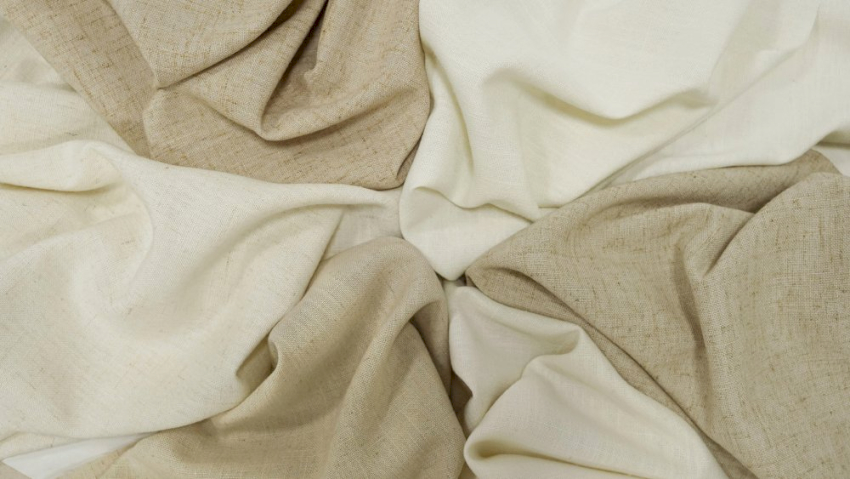
Linen is breathable, lightweight, and naturally moisture-wicking, making it ideal for hot climates. Fabric weight ranges from 140-200 gsm. Linen pajamas are perfect for summer sleepwear, resort loungewear, or eco-friendly collections. Blending with cotton enhances softness and reduces wrinkling while maintaining the natural feel of linen.
2. Tips for Choosing the Right Pajama Fabric
Choosing the right pajama fabric requires balancing comfort, quality, seasonality, skin sensitivity, and budget to ensure both customer satisfaction and collection profitability.
2.1. Match Fabric to Climate or Season
Fabric choice must reflect the climate or intended season of use. Lightweight, breathable materials like cotton, bamboo, or linen are crucial for warm weather, while flannel or brushed fleece ensures warmth in colder seasons. Brands need to analyze where their target customers live and how seasonal trends influence purchasing behavior. Offering pajamas that feel comfortable year-round enhances customer satisfaction and reduces returns, reinforcing brand reliability.
2.2. Consider Washing Frequency and Care Requirements
Frequent laundering is inevitable for pajamas, so fabric durability and ease of care directly affect long-term customer experience. Materials like cotton or cotton blends survive repeated washes without significant shrinkage or fading, while delicate fabrics like silk may require specialized care. Brands must weigh the balance between luxury feel and practicality choosing fabrics that meet care expectations ensures customer trust and protects brand reputation.
2.3. For Sensitive Skin, Favor Natural or Hypoallergenic Fabrics
Consumer health and comfort are central to fabric selection, especially for sensitive skin. Natural fibers such as cotton, bamboo, or linen reduce the risk of irritation and are often hypoallergenic. For brands, offering skin-friendly sleepwear is not just a product feature—it is a value proposition that differentiates the collection in a crowded market. Strategic fabric choices can build loyalty among consumers who prioritize safety, softness, and overall well-being.
2.4. For Brand Owners: Align Material Choice Your Budget
Fabric selection must also consider budget constraints. The most expensive material is not necessarily the best for your brand or collection. Smart brands optimize cost while maintaining quality, choosing fabrics that deliver the best value for their price point. Aligning material choice with budget ensures the collection remains profitable, meets customer expectations, and supports sustainable growth.

3. How Thygesen Supports Pajama Fabric Selection and Development
At Thygesen, we help brands choose the ideal fabrics for their sleepwear collections by balancing comfort, durability, seasonal suitability, skin sensitivity, and budget. Our expertise ensures that every material selected not only meets quality standards but also aligns with your target market and collection goals.
3.1. Material Deep Knowledge
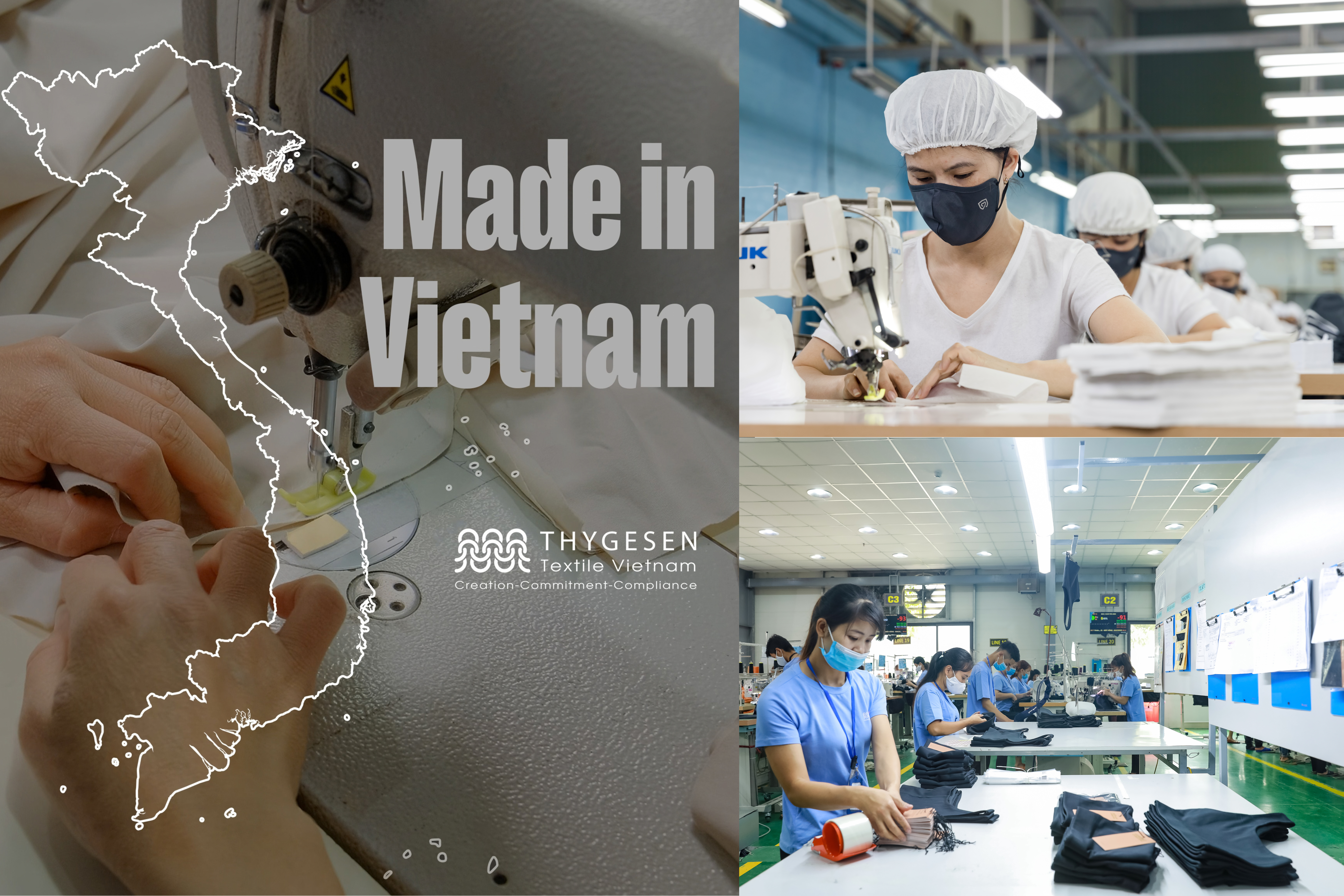
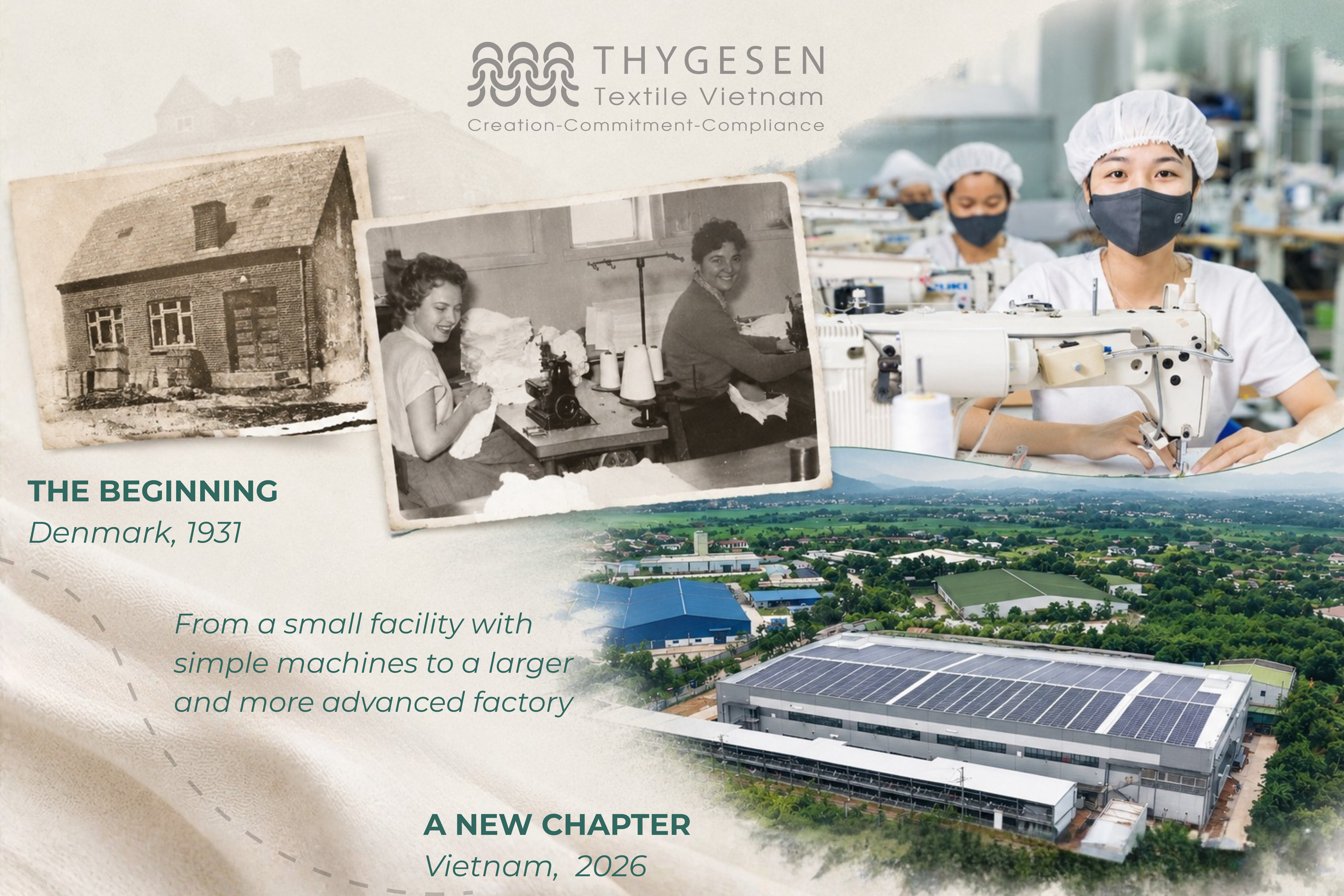
Our journey in Vietnam began as a fabric mill under Thygesen Knitting Vietnam, giving us decades of hands-on experience in textiles. While we have since evolved to focus on full-package apparel manufacturing, this deep-rooted expertise allows us to confidently source, develop, and recommend innovative fabrics tailored to each brand’s needs. As a leading cut and sew manufacturer, we handle every stage from fabric sourcing and cutting to sewing and finishing, ensuring precise and high-quality garments for diverse apparel categories.
We understand fiber performance, blends, weights, and finishes, which enables us to proactively suggest responsible and sustainable material options. This foundational knowledge ensures that every sleepwear collection we support meets both comfort and quality standards while aligning with client sustainability goals.
Over the years, we’ve worked with many loungewear and sleepwear brands, including Boody. This experience with different fabrics and production challenges lets us share practical insights, helping brands choose the right materials and avoid common issues to create high-quality, successful collections.
3.2. A Transparent Reliable Materials Network
We maintain a wide network of trusted suppliers, built over decades of sourcing and purchasing experience. This allows us to offer brands a variety of fabric options at different price points, suitable for multiple market segments, both in Vietnam and globally, including Taiwan, China, Korea, Japan, and the EU.
Importantly, many of our suppliers carry full fabric certifications and traceability documentation with clear origin traceability. This transparency is crucial for brands targeting European and international markets, where regulations increasingly demand verified sourcing and compliance. Working with certified suppliers ensures your materials meet global standards and supply chain accountability.
3.3. Sustainable Options
We understand that pajamas require softness and comfort, making sustainable fabric choices particularly important. Thygesen offers a wide range of eco-friendly materials, including organic cotton, bamboo, hemp, recycled polyester, and recycled nylon, ensuring both comfort and environmental responsibility.
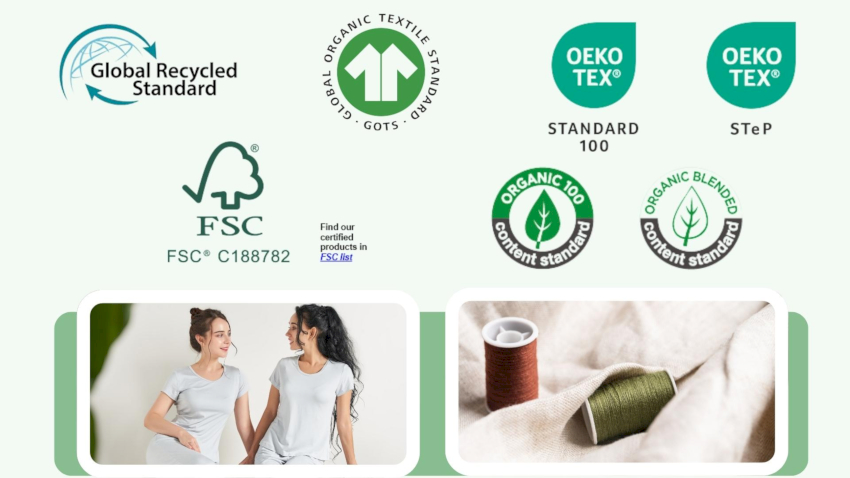
If a brand requests, our materials and products can meet international standards such as GOTS, OCS, GRS, OEKO-TEX Standard 100, and FSC. This flexibility allows brands to create soft, high-quality sleepwear while showcasing their commitment to ethical and sustainable production practices.
3.4. R&D Investment
We maintain a dedicated and experienced R&D team ready to invest time and resources in developing innovative fabrics or core materials tailored to your brand’s vision and long-term product strategy. Whether it’s creating new blends, optimizing performance, or obtaining certifications, our team works closely with brands to ensure materials meet both functional and sustainability goals, turning concepts into high-quality, market-ready products.
By 2028, we plan to establish our own Knitting and Dyeing facility in Vietnam to build a fully vertical and more efficient supply chain.
Quick Facts About Thygesen Vietnam We were among the first factories in Vietnam to integrate recycled materials into commercial product lines.Strategic partnership with Lenzing (Viscose), giving us priority access to traceable fibers like TENCEL™ and ECOVERO™. Thygesen’s long-term roadmap includes establishing our own Knitting and Dyeing facility to achieve a fully vertical supply chain in Vietnam by 2028. |
In conclusion, choosing the right fabric is essential for creating comfortable, durable, and appealing pajamas. Thygesen combines deep textile expertise, a trusted supplier network, sustainable options, and dedicated R&D to help brands make the best fabric for pajamas.To start your journey with us and create your ideal sleepwear collection, visit thygesenapparel.com or contact our team at sale@thygesen.com.vn.