Exploring the best t-shirt fabric is key to creating comfortable, durable, and stylish t-shirts. In this guide, we cover top fabrics and how to choose the right material for your collection.
1. Main T-Shirt Fabric Types for Manufacturing
Each material offers unique properties in terms of softness, breathability, stretch, and care requirements. Understanding these differences, along with fabric weight and ideal applications, allows brands to design collections that meet customer expectations and stand out in the market.
1.1. Cotton
Cotton is soft, breathable, and hypoallergenic, making it perfect for everyday wear and sensitive skin. Variants like ringspun and combed cotton provide extra durability and a smoother hand-feel. Common fabric weight ranges from 120–180 gsm. Cotton t-shirts are versatile, easy to wash, and maintain comfort over time, making them a staple for both basics and premium lines.
1.2. Polyester
Polyester is durable, moisture-wicking, wrinkle-resistant, and quick-drying, ideal for activewear and sports-oriented t-shirts. Microfiber polyester offers enhanced softness, while maintaining performance under repeated use. Fabric weight typically ranges from 140-180 gsm. Its strength and low maintenance make polyester a popular choice for functional, performance-focused garments.
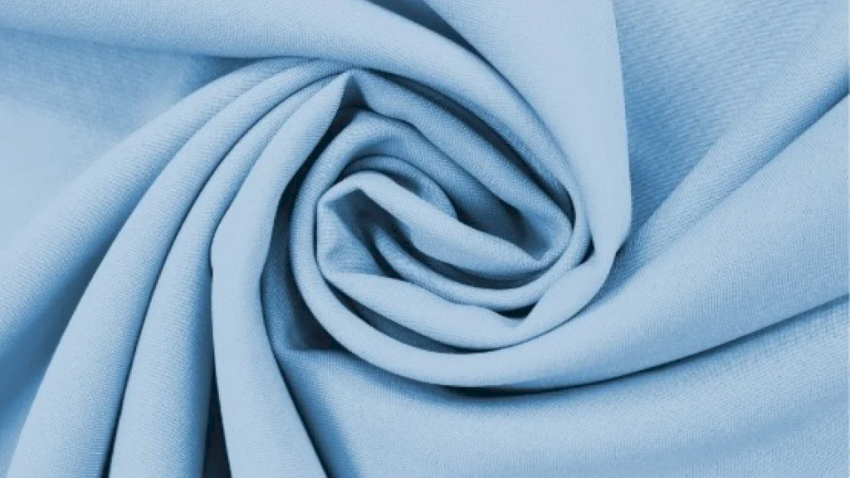
For brands developing collections that demand specific performance characteristics from their chosen fabrics, the expertise of an athletic clothing manufacturer is invaluable. Thygesen assists partners in transforming carefully selected T-shirt fabrics into high-performing garments, ensuring optimal comfort and durability for activewear. This approach helps reduce sourcing risks by aligning material properties with end-use requirements.
1.3 Tri-blends
Tri-blends combine cotton, polyester, and rayon to create a balanced fabric that is soft, durable, and breathable. The blend offers a lightweight, slightly stretchy feel with a flattering drape. Typical weight ranges from 130-160 gsm. Tri-blend t-shirts are popular in fashion-forward or lifestyle collections due to their stylish texture and comfortable fit.
1.4 Rayon
Rayon is known for its silky texture, excellent drape, and smooth hand-feel. It is often blended with cotton or polyester to enhance durability. Fabric weight usually falls between 120-160 gsm. Rayon t-shirts deliver a luxurious, soft feel and are ideal for premium or high-end casualwear, giving a refined and polished appearance.
1.5 Linen
Linen is strong, durable, and becomes softer with every wash. It is lightweight, breathable, and ideal for hot weather or casual, airy designs. Typical fabric weight ranges from 140-200 gsm. Linen t-shirts are perfect for summer collections, resort wear, or eco-friendly lines, offering a natural, textured look and cooling comfort.
1.6 Bamboo
Bamboo fabric is sustainable, soft, breathable, and naturally antibacterial. It has excellent moisture-wicking properties and resists odors, making it ideal for active or everyday wear. Fabric weight generally falls between 130-180 gsm. Bamboo t-shirts are eco-friendly and comfortable, providing a soft hand-feel while supporting sustainable production practices.
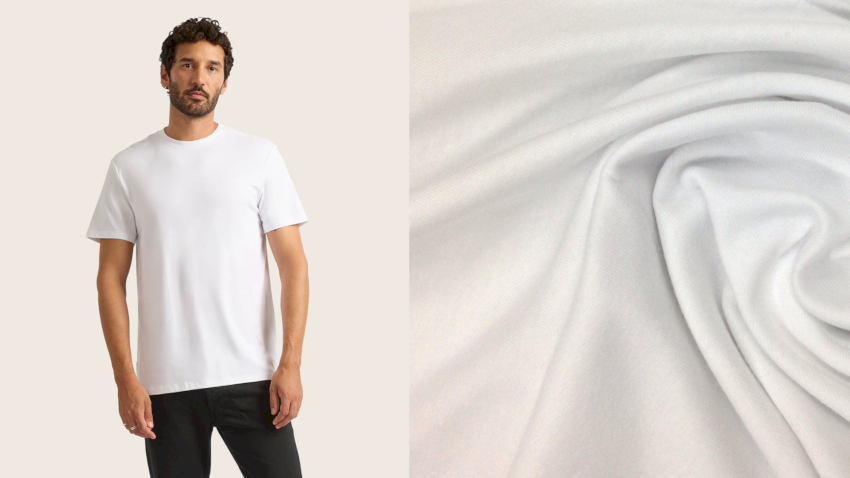
Understanding the nuanced properties of different T-shirt fabrics is crucial for achieving superior garment construction, a core offering from leading cut and sew manufacturers. Thygesen collaborates closely with brands, providing comprehensive OEM services to bring their casualwear visions to life from initial fabric selection through to the final, precisely crafted garment. This meticulous process ensures that the chosen fabrics are optimized for both aesthetic appeal and structural integrity.
1.7 Modal
Modal, a type of rayon, is exceptionally soft, lightweight, and resistant to shrinking. It retains color vibrancy and smoothness even after repeated washes. Fabric weight typically ranges from 140-180 gsm. Modal t-shirts are luxurious and comfortable, making them suitable for premium casualwear or fashion-conscious collections.
1.8 French Terry
French Terry is a soft, medium-weight fabric with a looped back and smooth face, offering comfort and slight warmth. Typical weight ranges from 180-220 gsm. It is ideal for casual t-shirts, lightweight sweatshirts, or layering pieces, providing a cozy feel without bulk while maintaining breathability.
1.9 Spandex Blends
Spandex blends add stretch and flexibility, usually combined with cotton or polyester at 3-10% spandex. Fabric weight ranges from 140-180 gsm. These blends are perfect for fitted, athletic, or performance t-shirts, allowing freedom of movement while maintaining shape and comfort over time.
1.10 Pima or Supima Cotton
Pima and Supima cotton are premium cotton varieties known for exceptional softness, durability, and smooth texture. Fabric weight generally ranges from 140-180 gsm. These high-quality fabrics are ideal for long-lasting, comfortable t-shirts with a luxurious feel, making them suitable for premium collections that demand both quality and style.
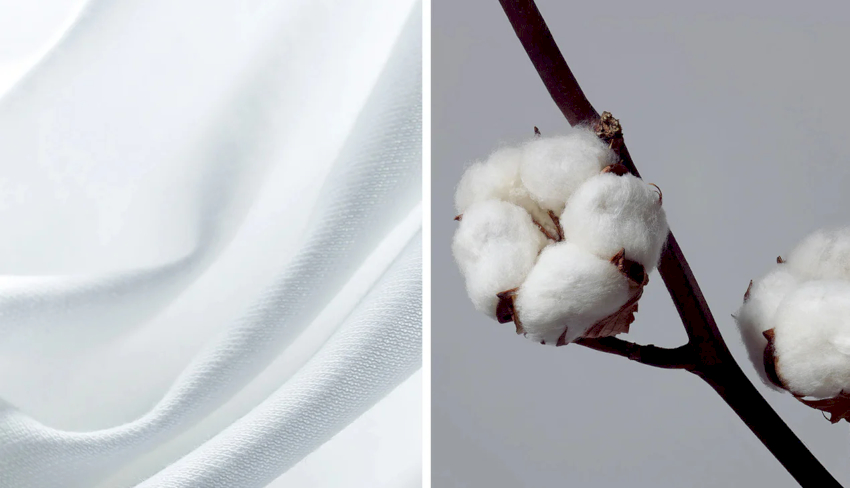
For an in-depth exploration of material options, understanding the various legging fabric types is crucial for optimizing fit and function in your activewear line.
When sourcing specialized casualwear items like leggings, the choice of fabric becomes paramount for both performance and adherence to ethical production standards, an area where a dedicated legging manufacturer excels. Thygesen integrates ISO-based quality management systems and internationally recognized certifications into its processes, providing full supply chain transparency for fabric sourcing and garment production. This commitment ensures that materials, from T-shirt blends to performance knits, meet stringent social responsibility and safety benchmarks.
2. Key Criteria for Selecting the Best T-Shirt Fabrics
| Criteria | Best T-shirt Fabrics | Why It Matters |
| Softness and Comfort | Cotton, Modal, Ringspun Cotton, Tri-blends | Soft and comfortable for everyday wear. Directly impacts customer satisfaction and repeat purchases. |
| Durability and Shape Retention | Polyester, Pima Cotton, Cotton/Spandex Blends, Tencel Lyocell | Ensures the garment withstands frequent laundering and maintains its structural integrity and original fit, safeguarding brand reputation. |
| Breathability | Linen, Cotton, Bamboo Viscose, Slub Cotton | Allows air circulation and facilitates moisture evaporation, keeping the wearer cool and dry, essential for warm climates or active collections. |
| Sustainability | Organic Cotton, Hemp, Recycled Polyester (rPET), Tencel Lyocell | Aligns the brand with ethical consumer demands, reduces the environmental footprint, and is crucial for modern market positioning and compliance. |
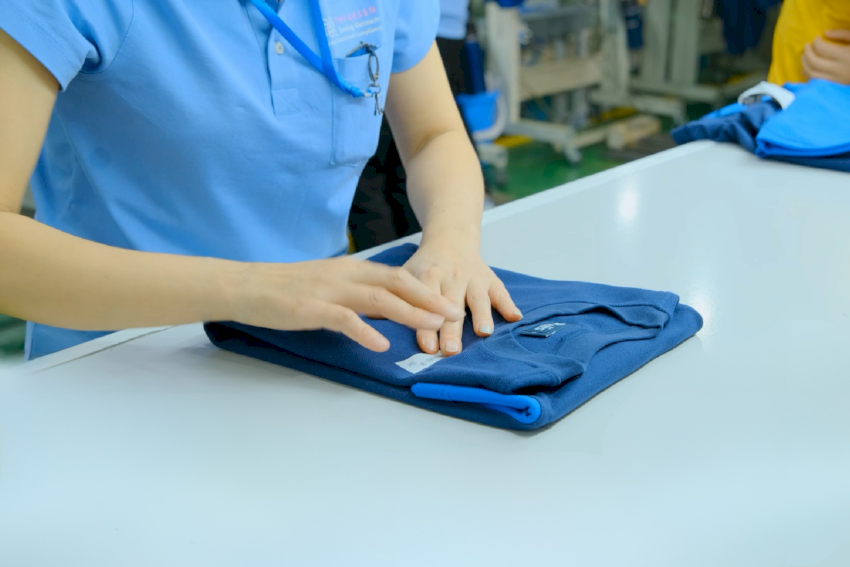
While perfecting T-shirt fabric selection is key for casualwear, expanding a collection often involves a broader range of knit garments, where a proficient hoodie manufacturer can extend material expertise across product lines. Thygesen offers flexible production capacities to support diverse casualwear product categories, applying deep knowledge of various fabrics to ensure consistency in quality and comfort across an entire collection. This scalability allows brands to grow their offerings confidently, relying on a consistent manufacturing partner.
3. Key Considerations for Choosing T-Shirt Fabrics
Selecting the right T-shirt fabric goes beyond softness, it’s about aligning the material’s performance with your brand’s purpose, target audience, and product use. Here are some key factors to consider before finalizing your choice:
- Intended Use and Target Market: For example, lightweight cotton or jersey is ideal for everyday basics, while polyester or bamboo blends are better suited for activewear. Premium brands may lean toward modal or linen for elevated comfort and drape, while uniform manufacturers may prefer durable twill or polyester for long-term wear.
- Breathability and Climate: Climate plays a crucial role in fabric selection. For hot or humid regions, opt for breathable, moisture-absorbing fabrics like cotton, linen, or bamboo.
- Sustainability and Brand Values: Consumers are increasingly drawn to eco-friendly apparel. Partnering with certified manufacturers (such as those with OEKO-TEX®, GOTS, or GRS) reinforces your brand’s sustainability commitments.
- Cost Efficiency and Production Scalability: Different fabrics affect production costs and scalability. Cotton and polyester are affordable and widely available, making them ideal for bulk production. Meanwhile, modal, bamboo, and linen offer higher-end options for brands targeting the premium or eco-conscious segment.
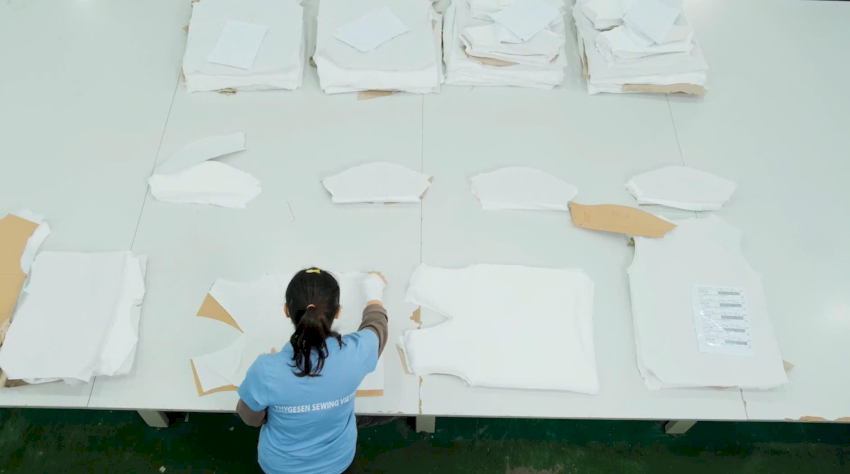
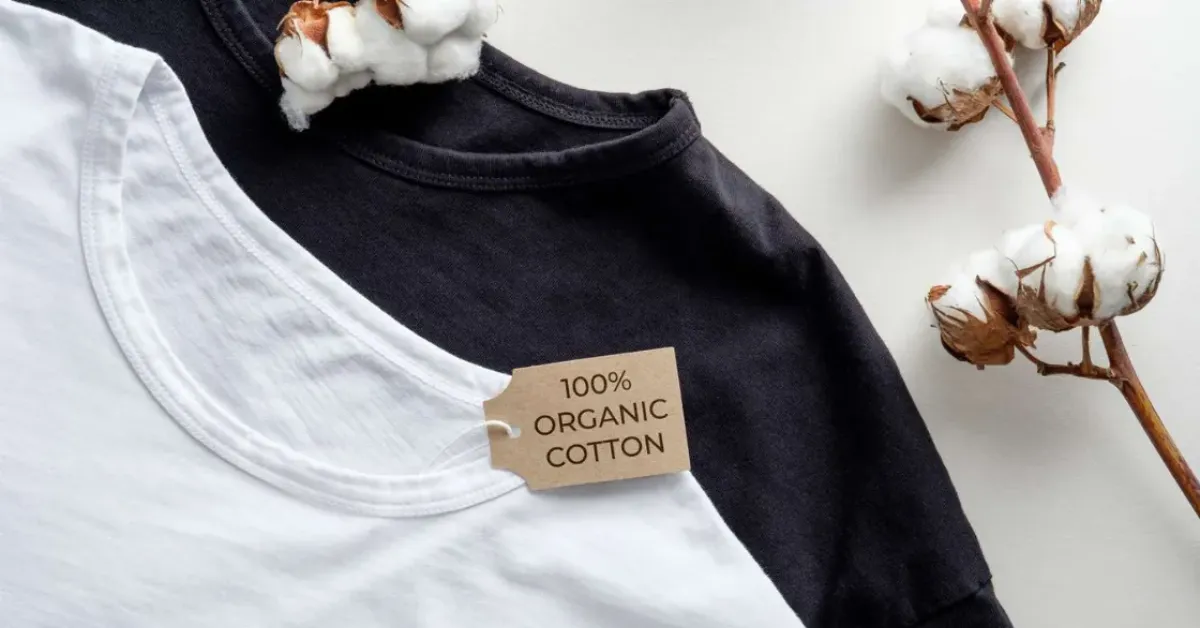
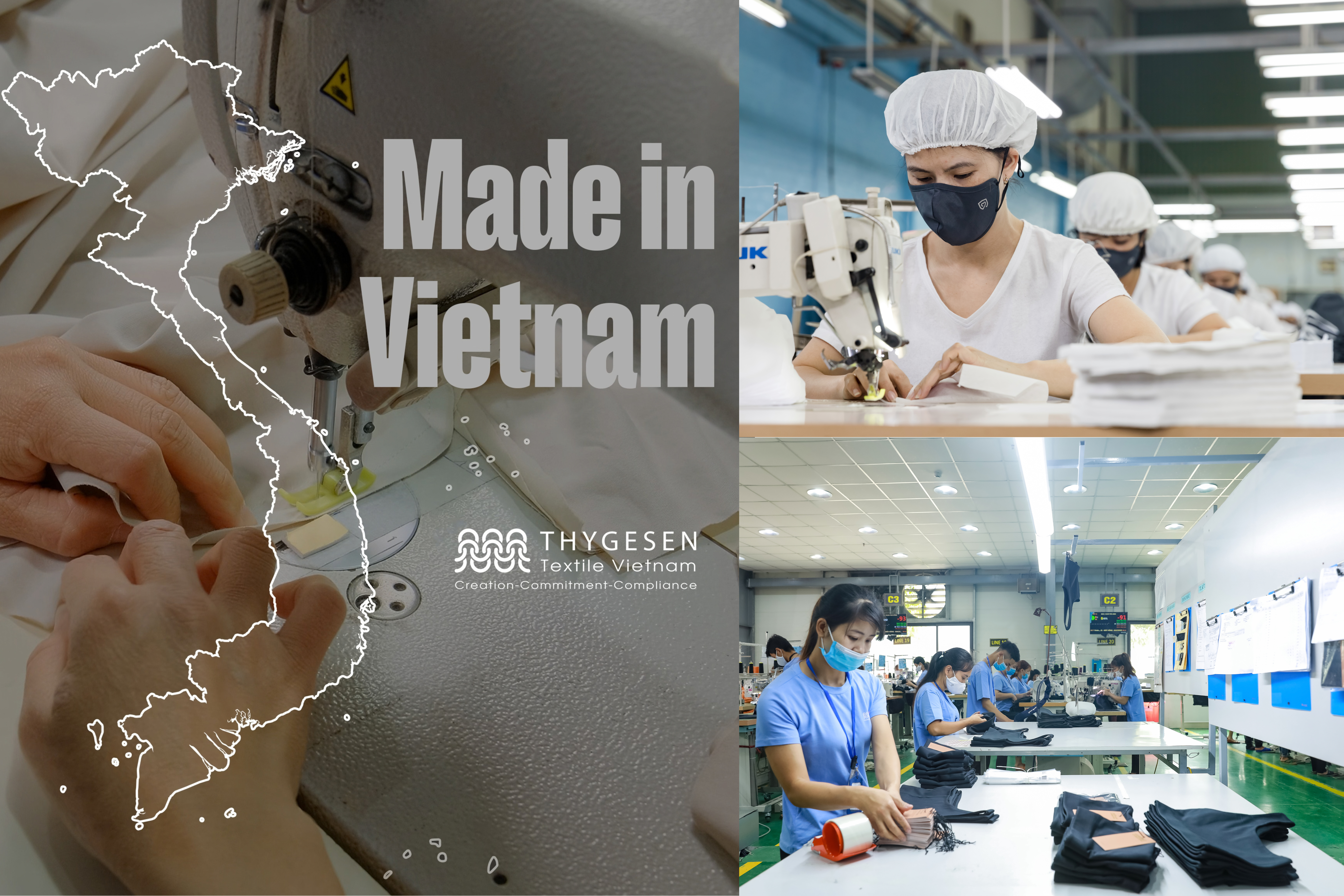
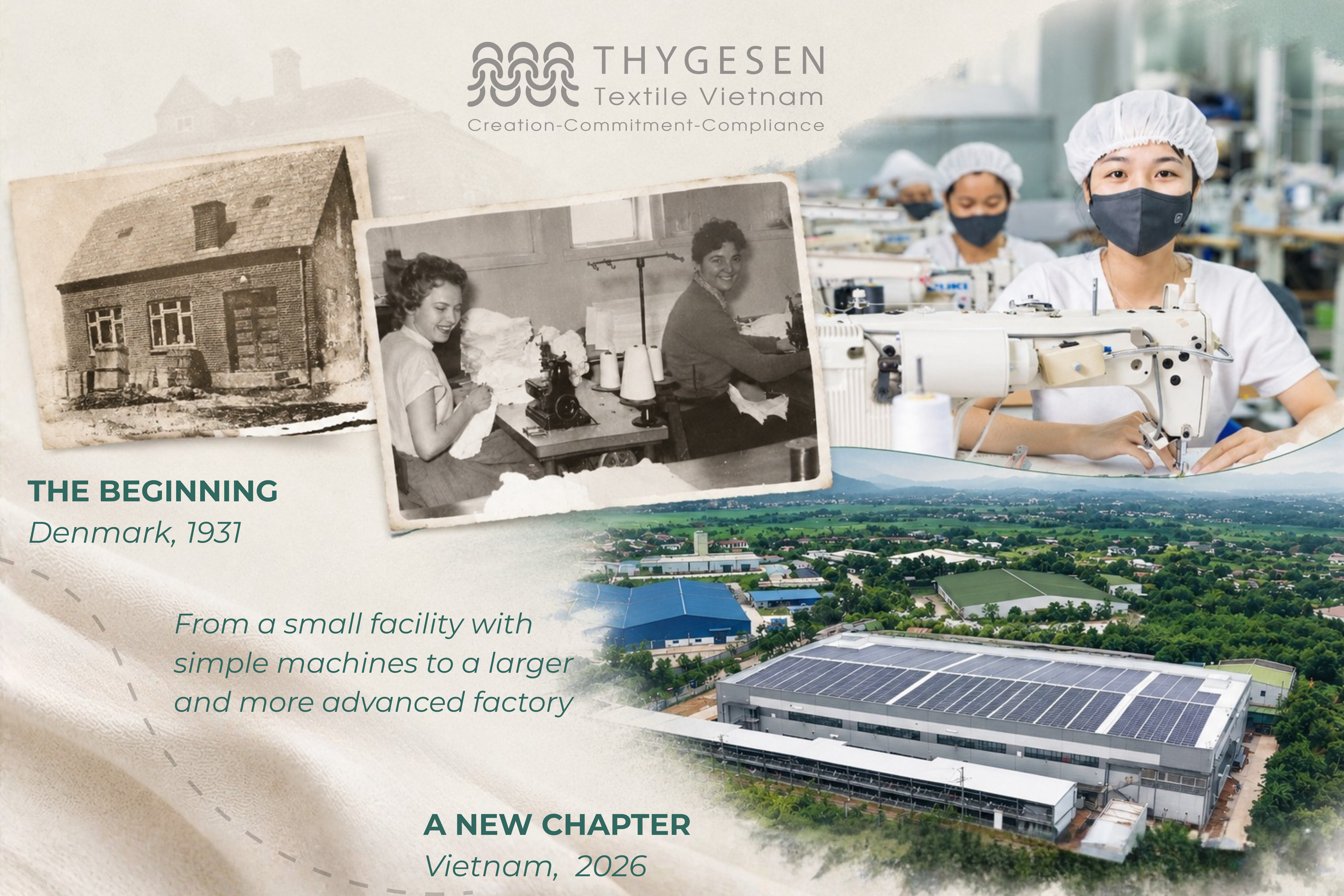
Thygesen’s Recommendations At Thygesen Textile Vietnam, we understand the challenges brands face when selecting fabrics for T-shirts. With over 90 years of experience in apparel manufacturing, we provide expert guidance to help brands create high-quality, comfortable, and durable T-shirts. Choosing fabric is not just about picking a soft material; it also requires balancing the intended use, customer experience, durability, and aesthetics, while ensuring a stable supply and alignment with your brand’s image. Some of the most popular options we recommend are 100% cotton, cotton/polyester blends, tri-blends (cotton/poly/viscose), organic cotton, and bamboo blends. With our in-house R&D, sourcing, and purchasing teams, we are confident in helping brands select the ideal fabrics to bring their vision to life. |
In conclusion, selecting the best T-shirt fabric is essential for achieving the perfect balance of softness, durability, breathability, and overall wearability, ensuring your shirts meet customer expectations and reflect your brand’s quality. From cotton and blends to premium options like organic cotton and bamboo, the right fabric makes all the difference.
For specific recommendations on cozy and comfortable garments, explore the 9 Best Fabric for Pajamas and Sleepwear – Thygesen Textile Vietnam.
As a trusted clothing manufacturer, Thygesen Textile Vietnam can not only produce your T-shirts but also provide expert guidance to help you choose the ideal fabrics for your collections. Learn more at thygesenapparel.com or contact us at sale@thygesen.com.vn