Sustainability has become a key focus in the fashion industry, but not all claims of “eco-friendly” or “green” practices are genuine. In this writing, we explore what greenwashing is, how to recognize it, its negative impacts, and practical ways brands can avoid it. We also highlight how clothing manufacturers can play a vital role in supporting real, transparent sustainability throughout the supply chain.
>>> For a deeper dive into the foundations of ethical production, learn more about What is Sustainable Fashion? 7 Forms of Sustainable Fashion & Its Importance – Thygesen Textile Vietnam.
1. What is Greenwashing? Signs of Greenwashing in Fashion Industry
Greenwashing happens when a company makes its products or practices seem more environmentally friendly or ethical than they really are. It’s a way to appear “green” to customers, even if the company isn’t doing much to help the environment. While some brands are truly sustainable, greenwashing can trick people into thinking they are supporting responsible practices when they aren’t.
In the fashion industry, greenwashing can take specific forms. Some common signs include:
- Vague or ambiguous claims: Statements such as “eco-friendly,” “green,” or “sustainable” without providing clear evidence, certifications, or measurable standards. These claims are often marketing-driven and hard to verify.
- Irrelevant claims: Highlighting a minor sustainable feature while ignoring larger environmental impacts. For example, promoting recycled packaging while the garment itself is made from conventional, resource-intensive materials.
- Misleading certifications or labels: Using self-created logos or referencing certifications inaccurately to imply sustainability. Consumers may assume credibility where there is none.
- Hidden trade-offs: Focusing on one positive attribute while neglecting other harmful impacts. For instance, advertising organic cotton but overlooking high water consumption or poor labor conditions in production.
- Lack of transparency: Minimal disclosure about sourcing, manufacturing processes, or supply chain practices. Brands that do not provide concrete information about materials, factories, or environmental impact may be greenwashing.
Identifying these signs helps consumers and partners distinguish between genuine sustainable efforts and marketing tactics, promoting accountability and trust in the fashion sector.

2. The Negative Impacts of Greenwashing
The practice of Greenwashing carries significant consequences that extend far beyond simple marketing deception, impacting consumers, the environment, and the credibility of the entire fashion industry.
2.1. Environmental Impacts
Greenwashing slows down the move toward a truly sustainable economy because it misleads consumers and shifts focus away from real environmental challenges.
When companies spend money on marketing claims rather than actual eco-friendly initiatives, valuable resources are wasted that could have been used to make a genuine positive impact.
Additionally, it makes it harder for people to recognize which products are truly sustainable, which can slow down the adoption of practices that really help the environment.
2.2. Consumer Impacts
Greenwashing undermines consumer trust, making people skeptical of all sustainability claims, even those that are genuine. It also creates confusion, as consumers struggle to identify which products are truly eco-friendly, increasing the chance of unintentionally supporting unsustainable practices.
Moreover, greenwashing can mislead environmentally conscious buyers, sometimes causing them to pay more for products they believe are sustainable when they are not.

2.3. Business Impacts
Greenwashing can seriously harm a company’s reputation, making it difficult to regain consumer trust once misleading practices are exposed. It also increases legal risks, as businesses may face fines, penalties, or lawsuits for deceptive marketing.
On top of that, it can result in financial losses, including reduced sales from skeptical customers, a drop in stock value due to negative publicity, and high costs associated with legal defense and rebuilding credibility.
2.4. Investors and Stakeholders
Greenwashing can distort the perception of a company’s long-term sustainability and ethical performance. Investors may make decisions based on inaccurate information, which can affect financial performance and undermine confidence in sustainability-focused investment strategies.
3. How Clothing Manufacturers Can Help Combat Greenwashing
Greenwashing creates a real challenge for fashion businesses, as consumers and regulators are increasingly demanding transparency and verifiable evidence for sustainability claims. In this landscape, brands cannot simply make eco-friendly statements, they must back them up with thorough documentation and proof that their practices are genuinely sustainable. This includes tracking material sourcing, energy use, water consumption, chemical management, labor practices, etc all in compliance with regulations like the EU Green Claims framework.
>>> To truly excel in the European market, understanding beyond quality why durability reparability matter in sustainable apparel for the eu market is essential for long-term success and consumer trust.
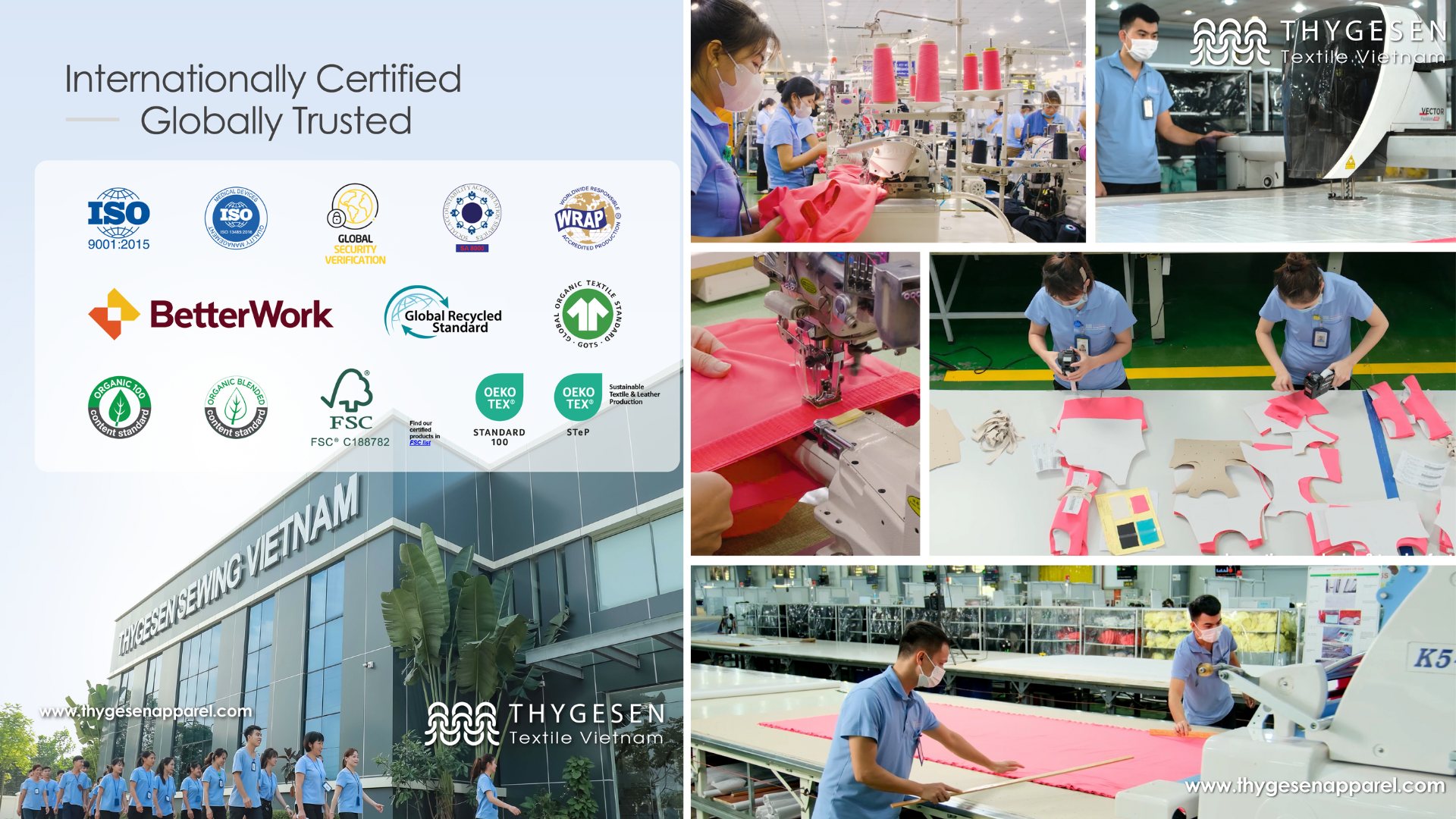
As a responsible clothing manufacturer, we at Thygesen do more than just sewing garments. With years of experience collaborating with global brands, particularly in the European, we understand how seriously brands and consumers take sustainability claims. This commitment extends across every category we produce – from a reliable hoodie manufacturer for casualwear lines to trusted athletic apparel manufacturers for performance wear, ensuring the same verifiable, greenwashing-proof documentation regardless of product type.
To prevent greenwashing, we understand the importance of documentation, robust systems, and ongoing compliance. We are ready to support brands by providing verified information on certifications such as ISO 9001:2015, GRS, GOTS, OEKO-TEX STANDARD 100, FSC, and OCS, WRAP, SA8000; preparing carbon footprint calculations, life cycle evaluation environmental impact reports; and maintaining transparent supply chain records.
>>> This meticulous approach underlines the importance of carbon footprint and product lifecycle evaluation for a sustainable fashion future, ensuring that every step contributes to a greener industry.
Through these dedicated efforts, we hope to support brands in their sustainability journey, while creating a positive impact for both people and the planet. To start a sustainable journey together, check our website thygesenapparel.com or send us inquiry at: sale@thygesen.com.vn