Fashion is entering a new era of transparency. What used to be abstract ideas about “being sustainable” is now measured in data. Understanding and tracking a garment’s carbon footprint across its entire lifecycle is no longer optional; it is essential for fashion brands in the future.
This growing emphasis underscores the critical role of sustainable fashion in shaping the industry’s future.
1. What is Carbon Footprint (CFP)
Carbon Footprint refers to the total amount of greenhouse gas emissions produced throughout the life of a product, from raw material sourcing to manufacturing, transportation, and even disposal. In clothing manufacturing, this includes energy used in spinning, weaving, dyeing, cutting, sewing, and packaging, as well as emissions from logistics and factory operations.
Measuring the carbon footprint allows manufacturers to identify the stages that contribute most to emissions and implement targeted strategies to reduce them. Today, calculating CFP is essential not only to minimize environmental impact but also to meet the increasing demands from brands, retailers, and consumers for transparency and sustainability compliance.
ISO 14067 is the international standard specifically for calculating the carbon footprint of products, providing a consistent methodology to measure greenhouse gas emissions.

2. What is Product Lifecycle Assessment (LCA)
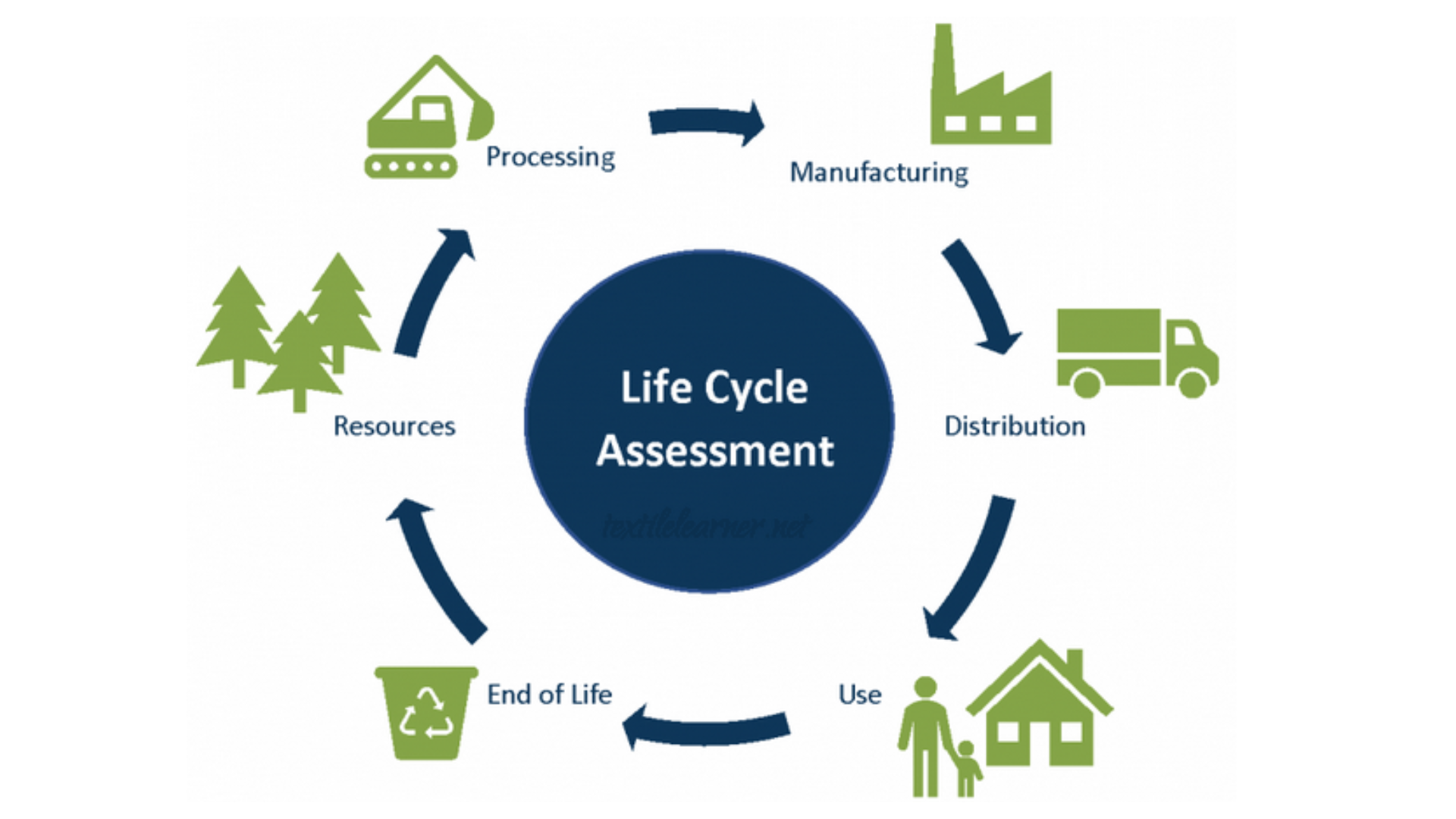
Product Lifecycle Assessment (LCA) is a systematic method used to evaluate the environmental impact of a product throughout its entire life, from raw material extraction to production, distribution, usage, and end-of-life disposal or recycling. Unlike looking at just one stage, LCA considers all stages together, providing a complete picture of a product’s sustainability.
In clothing manufacturing, LCA covers:
- Raw Materials: Impact of growing or producing fibers (e.g., cotton, polyester), including water usage, fertilizers, energy, and emissions.
- Manufacturing: Energy, water, and chemical use during spinning, weaving, dyeing, cutting, and sewing.
- Transportation & Distribution: Emissions from moving fabrics, garments, and packaging from suppliers to factories and then to retail stores or consumers.
- Use Phase: Environmental impact during the garment’s life with the consumer, such as washing, drying, ironing, and maintenance.
- End-of-Life: Disposal, recycling, or biodegradation; decisions here affect overall sustainability.
LCA allows clothing manufacturers to identify which stages have the largest environmental footprint and to make data-driven improvements. For example, switching to low-impact fabrics, optimizing energy use in dyeing, reducing transport distances, or designing for recyclability can all significantly reduce overall impact. LCA ensures that sustainability improvements in one stage do not unintentionally increase the footprint elsewhere, making it a comprehensive and reliable tool for responsible fashion production.
ISO 14040 and ISO 14044 provide internationally recognized frameworks for conducting LCAs, ensuring consistent and reliable results.
2. European Standards for Carbon Footprint & Product Lifecycle Calculation
In Europe, several standards and regulations guide how companies calculate and report the environmental impact of their products, ensuring transparency and comparability. Three key frameworks are highlighted below.
2.1. PEF (Product Environmental Footprint) – Method for Environmental Footprint
The Product Environmental Footprint (PEF) is an EU-standardized method to measure the environmental impact of a product across its entire lifecycle, including carbon emissions, energy and water use, chemical usage, and waste generation. PEF provides a consistent framework for brands to understand and communicate the environmental footprint of their products in a transparent and comparable way.’
When PEF is applied, fashion brands will need to collect accurate data from their supply chain and all production stages to calculate the environmental impact of each product. This may include tracking energy and water use, chemical inputs, and waste generation. Brands will also need to prepare to share verified environmental information with regulators, customers, and business partners, ensuring compliance with EU initiatives like the ESPR and future marketing or regulatory requirements.
2.2.PEFCR (PEF Category Rule) – Product-Specific Rules
PEF Category Rules (PEFCR) provide detailed, product-specific guidelines for applying the PEF method. Each product category, such as apparel or footwear, has its own rules that standardize how environmental impacts are measured, ensuring results are reliable, comparable, and transparent.
That means fashion brands will need to align their lifecycle assessments with the specific rules for each product category. This requires establishing consistent data collection processes across all products, identifying high-impact stages for improvement, and optimizing materials, manufacturing, and logistics to reduce environmental impact. PEFCR helps brands benchmark products and communicate credible sustainability performance to the market.
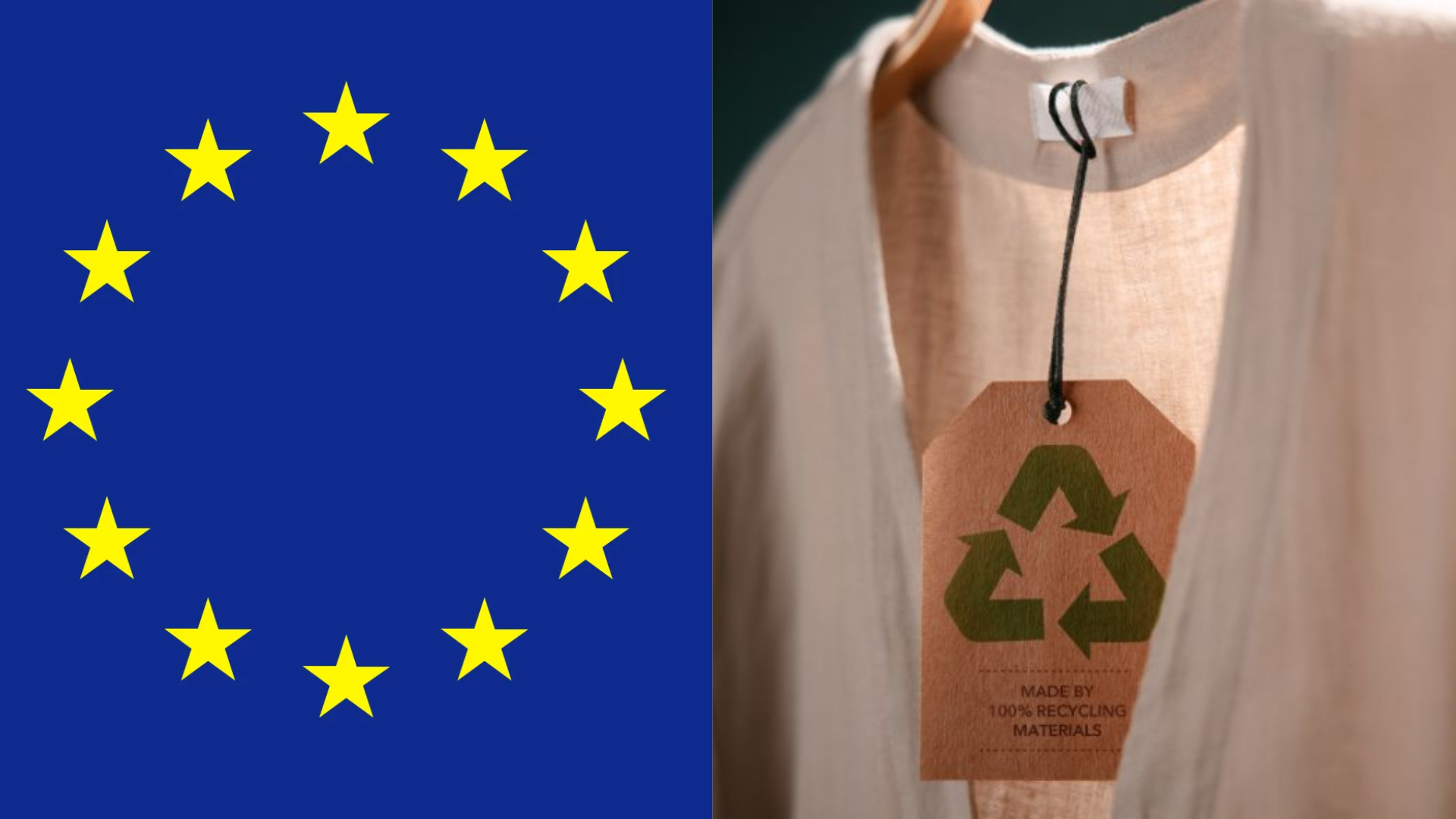
2. 3. CSRD (Corporate Sustainability Reporting Directive) – The EU’s Directive on ESG Reporting
The Corporate Sustainability Reporting Directive (CSRD) is the EU’s regulation on ESG reporting, requiring companies to report in a structured, transparent, and verifiable way on their environmental, social, and governance performance.
For fashion brands, CSRD emphasizes the importance of measurable and verifiable sustainability data. This means that brands must report in a structured and consistent way on environmental, social, and governance (ESG) matters. Reporting might include having accurate Carbon Footprint and Product Lifecycle (LCA/PEF) data, as well as documented social and governance policies. To comply, brands need to establish reporting systems that provide clear, verifiable ESG information to regulators, investors, and customers.
3. How Thygesen Textile Vietnam Supports Fashion Brands with Carbon Footprint and LCA Data
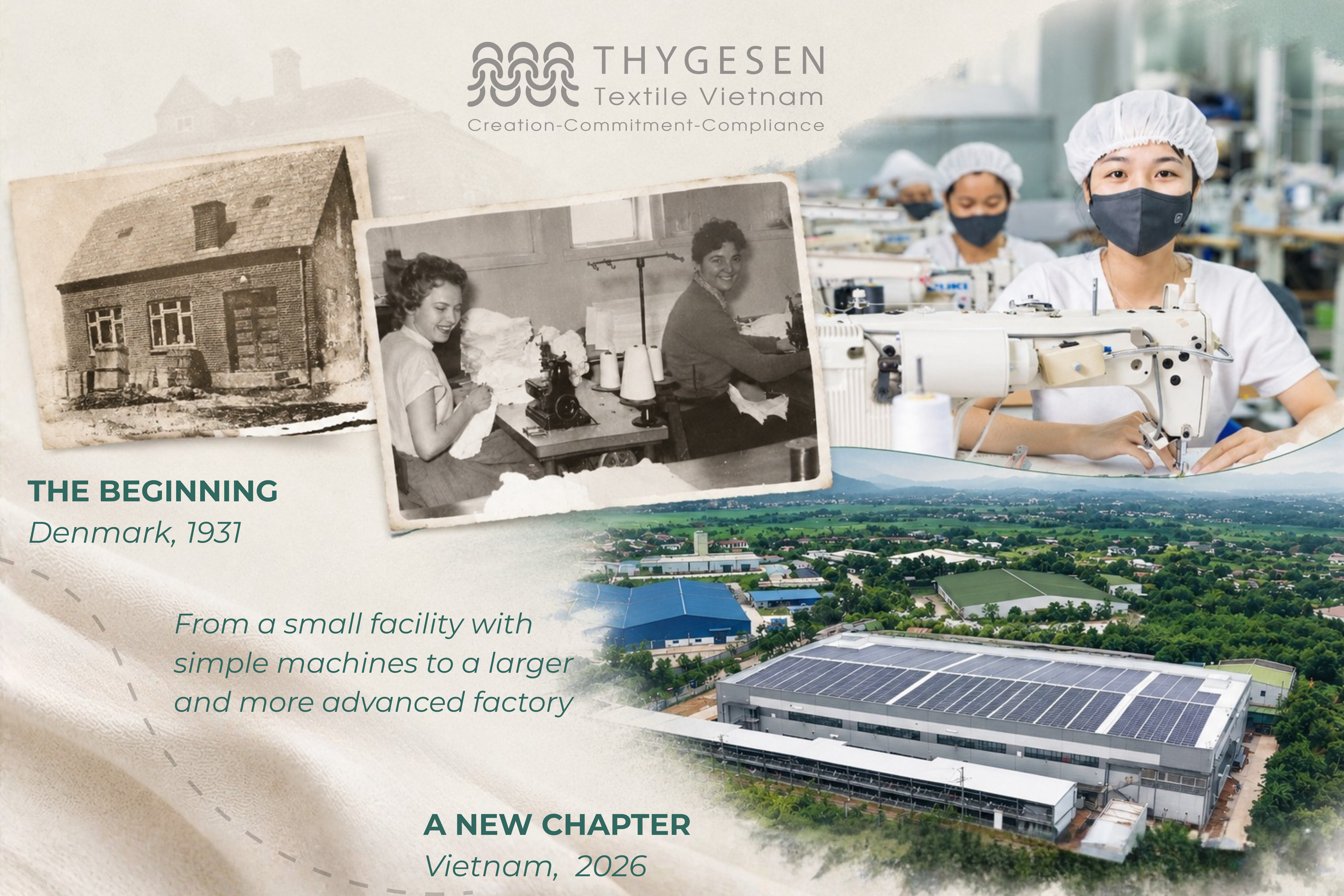
As an ethical clothing manufacturer originating in Denmark and experience collaborating with European fashion brands, Thygesen Textile Vietnam understands the challenges and questions brands face regarding environmental impact and sustainability reporting. While we are continuously developing our capabilities, we strive to provide support and flexibility to brands that require information on Carbon Footprint (CFP) or Product Lifecycle Assessment (LCA). This support spans every product category we manufacture – whether you’re partnering with us as a hoodie manufacturer brand or sourcing through trusted athletic clothing manufacturers for performance lines, we help gather the environmental data needed for compliance.
Understanding Vietnam Clothing Factory Conditions: Standards, Challenges & Improvements is crucial for partners looking to ensure responsible sourcing and production.
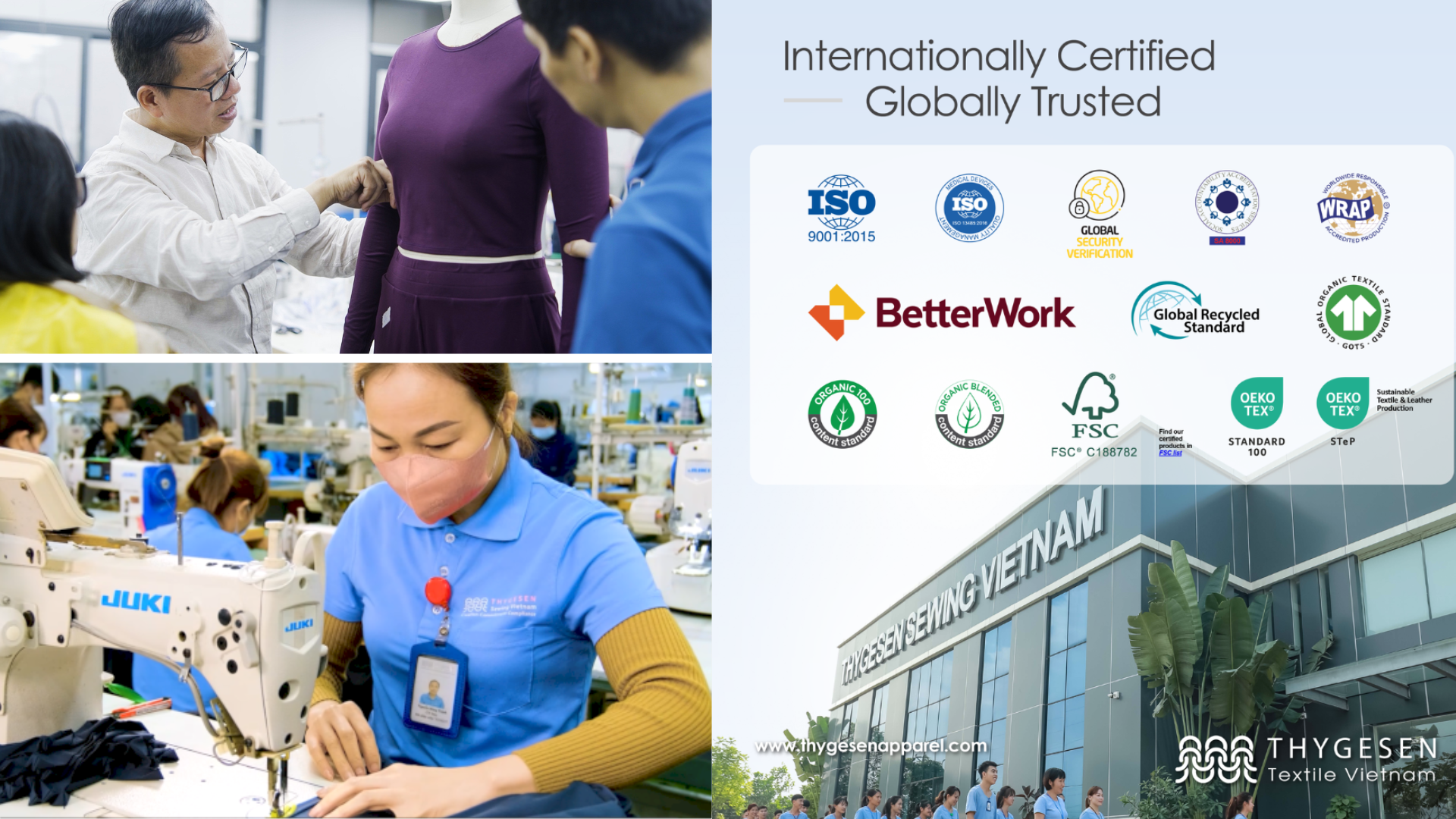
We aim to assist brands in a practical and adaptable way, helping them understand what data may be needed across production stages from raw materials to manufacturing processes and logistics. Where possible, we seek to collect relevant information, identify potential areas of impact, and contribute to transparent reporting.
>>> Such transparent processes help to explain why is sustainable fashion gaining popularity and how Thygesen Vietnam can help brands navigate this complex landscape.
Our approach is guided by a commitment to collaboration and responsiveness, ensuring that if a brand requests environmental data, we can work together to provide insights and documentation as much as feasible, while remaining flexible to evolving standards and requirements.
Discover more about our capabilities at thygesenapparel.com or reach out directly via email at sale@thygesen.com.vn to discuss your next project.