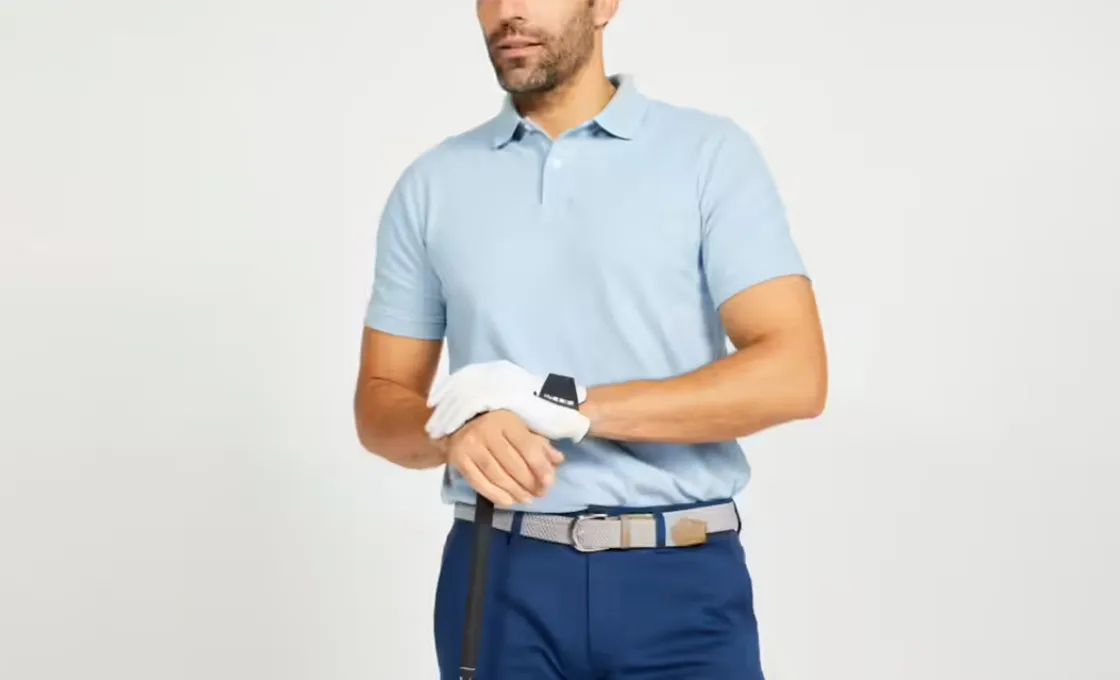
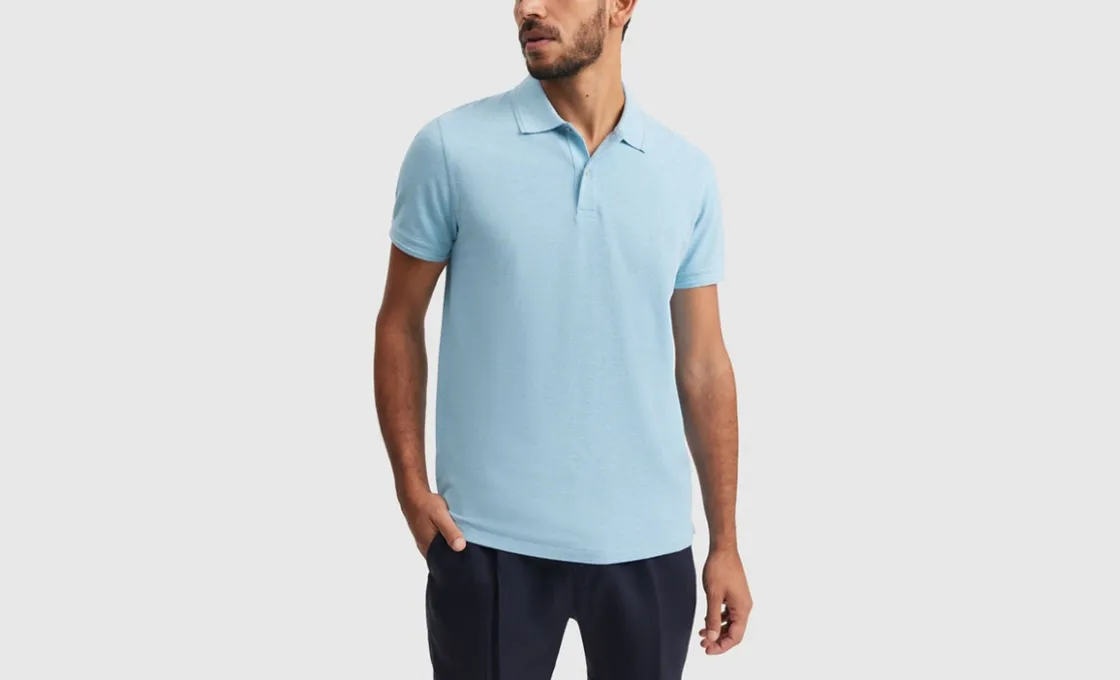
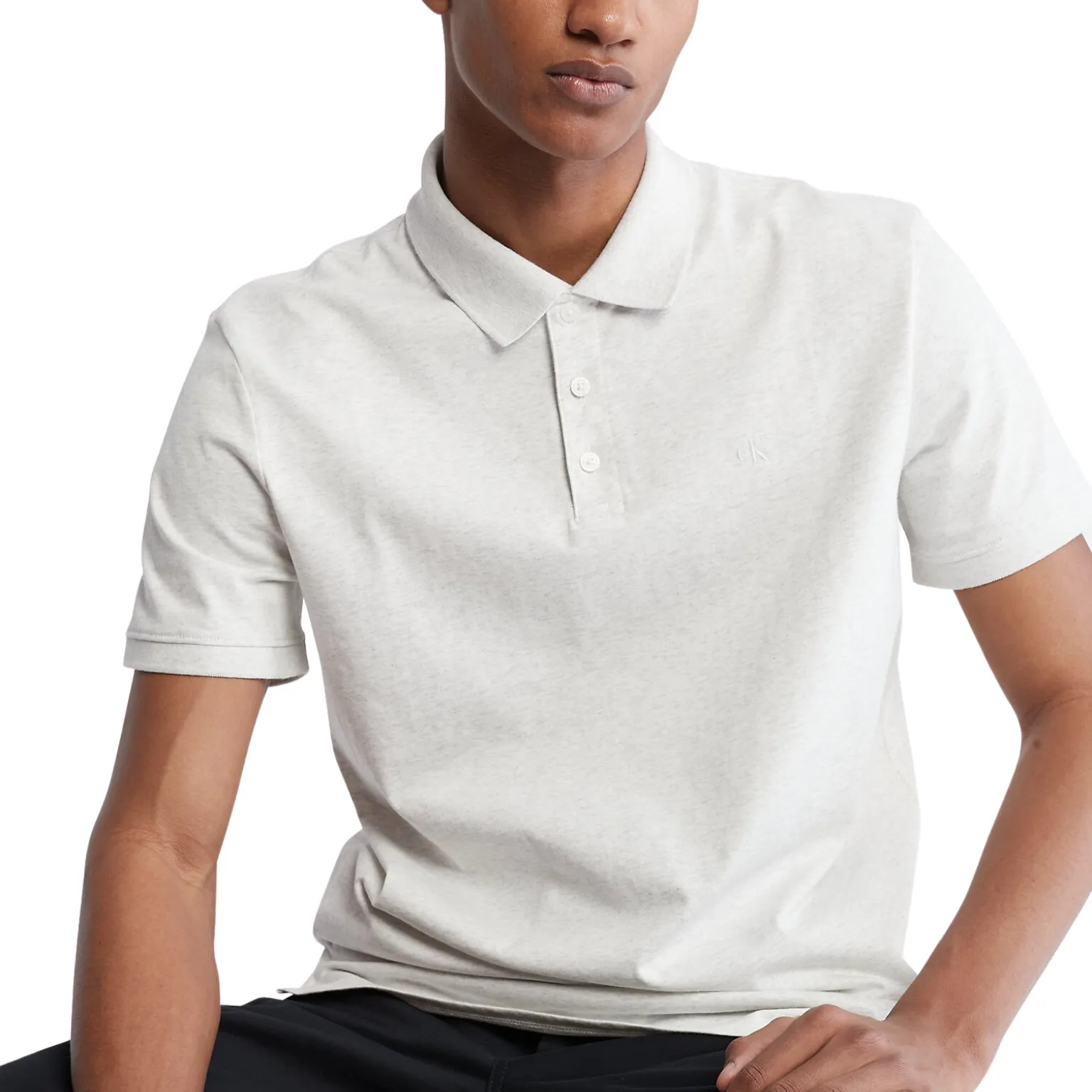
For years, the conversation around sustainable apparel has centered on material sourcing and supply chain transparency. While these aspects remain crucial, the European Union is rapidly shifting the regulatory focus to what happens after a product is sold: its longevity and end-of-life management. For any brand entering or operating within the EU, embracing durability and reparability is no longer a marketing choice but a core necessity for legal compliance and true environmental impact reduction.
This broader perspective is essential for truly achieving sustainable fashion in a global market.
1. Durability – Clothing Must Stay Useful for Longer
The biggest transformation in the EU regulatory landscape is driven by the Ecodesign for Sustainable Products Regulation (ESPR) – a framework law extending ecodesign requirements to nearly all physical goods, with textiles identified as one of the top-priority categories. Driven by the ESPR, the EU will soon set minimum lifespan standards for textiles, defining how well products must resist abrasion, tearing, and repeated washing cycles.
What fashion brands should start doing:
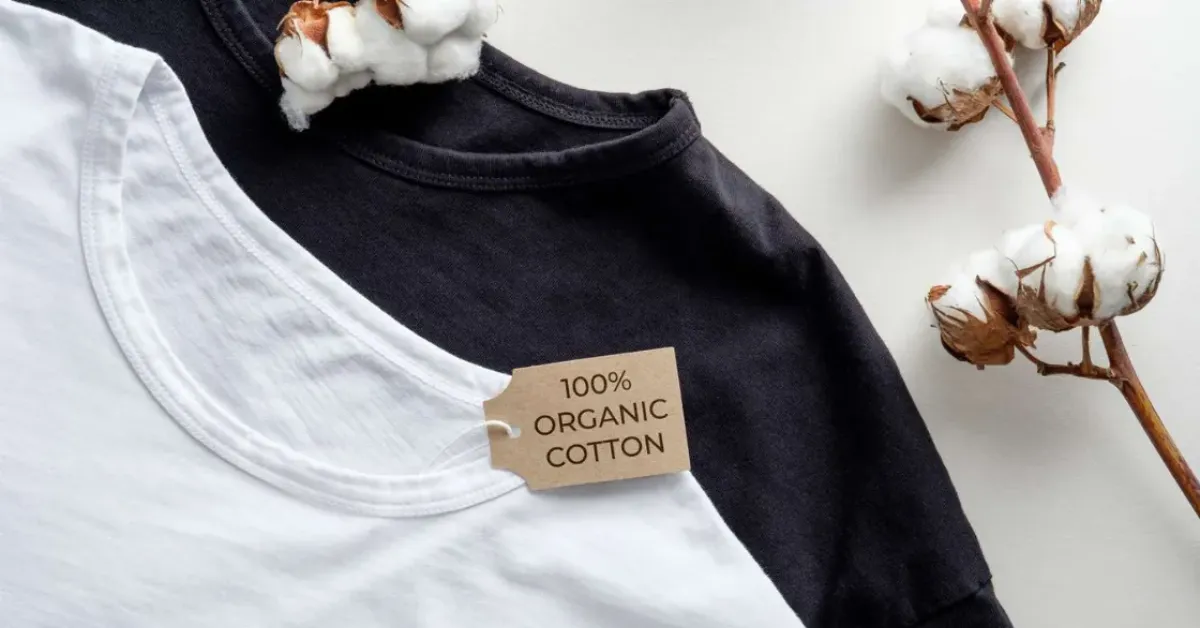
- Choose materials with proven longevity, such as long-staple cotton, compact-spun yarn, Merino blends, high-tenacity synthetics, or abrasion-resistant cellulosics.
- Increase fabric performance, e.g. tighter knitting/weaving structures, anti-pilling finishing, higher resistance to tearing and abrasion.
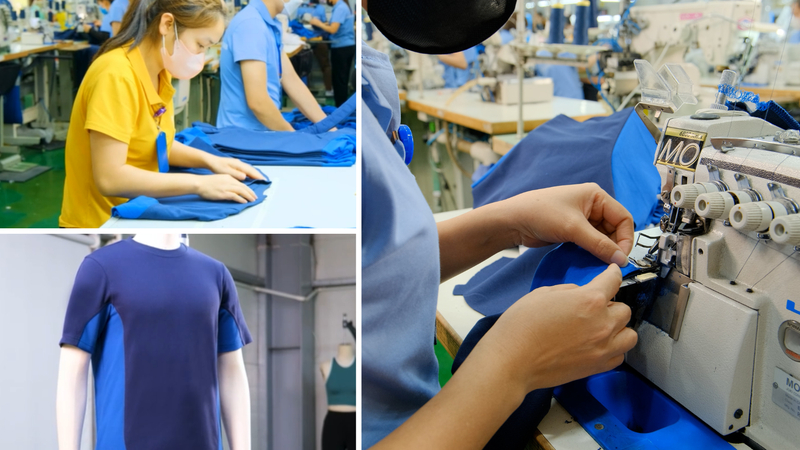
- Reinforce construction, including bartacks at stress points, stronger seams, double-layer collars/cuffs, durable trims like rust-proof snaps and high-grade zippers.
- Track and quantify lifespan, not just declare sustainability – data must support the durability claim under ESPR compliance.
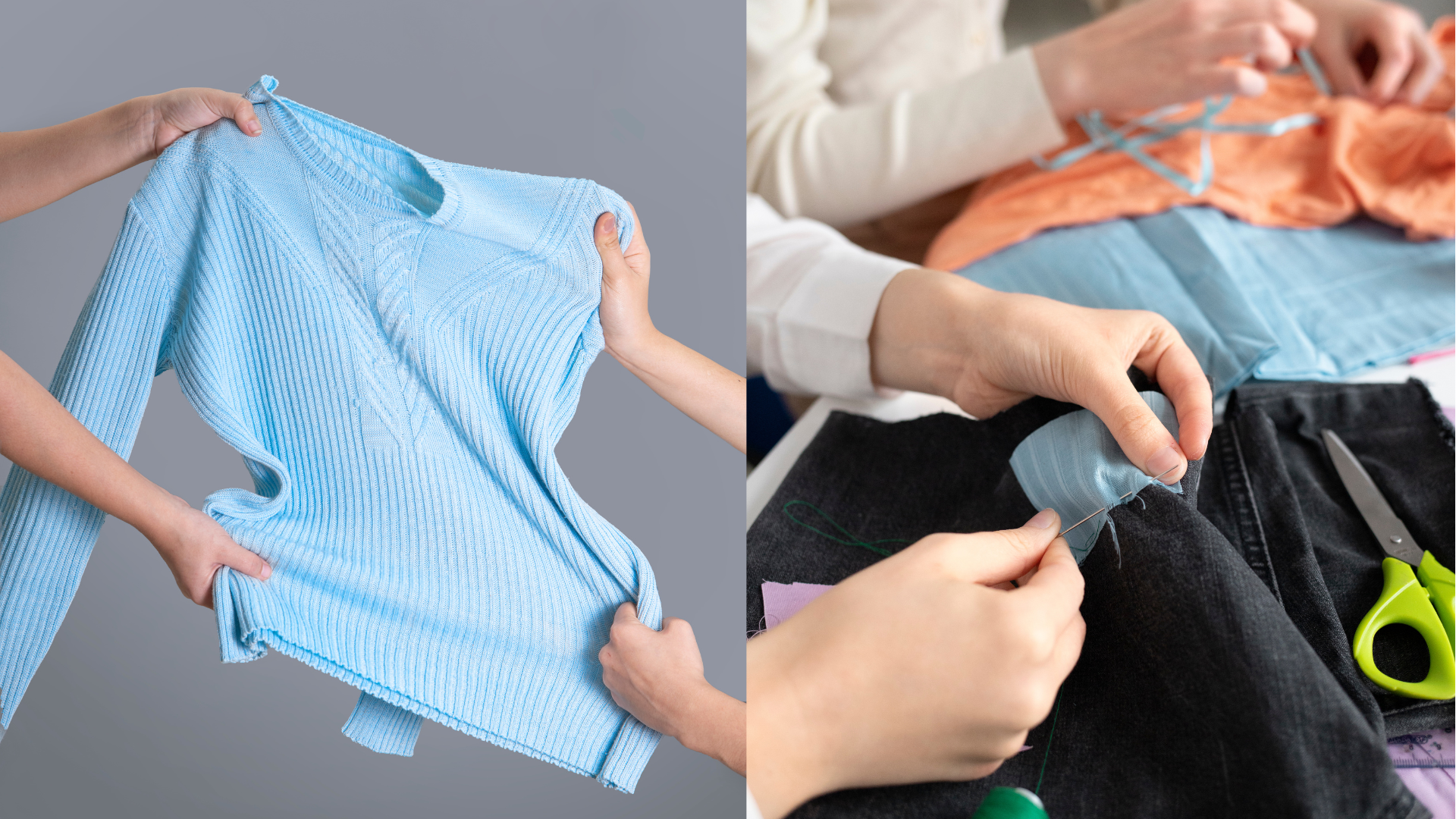
2. Reparability – A Garment Must Be Fixable, Modifiable and Extendable
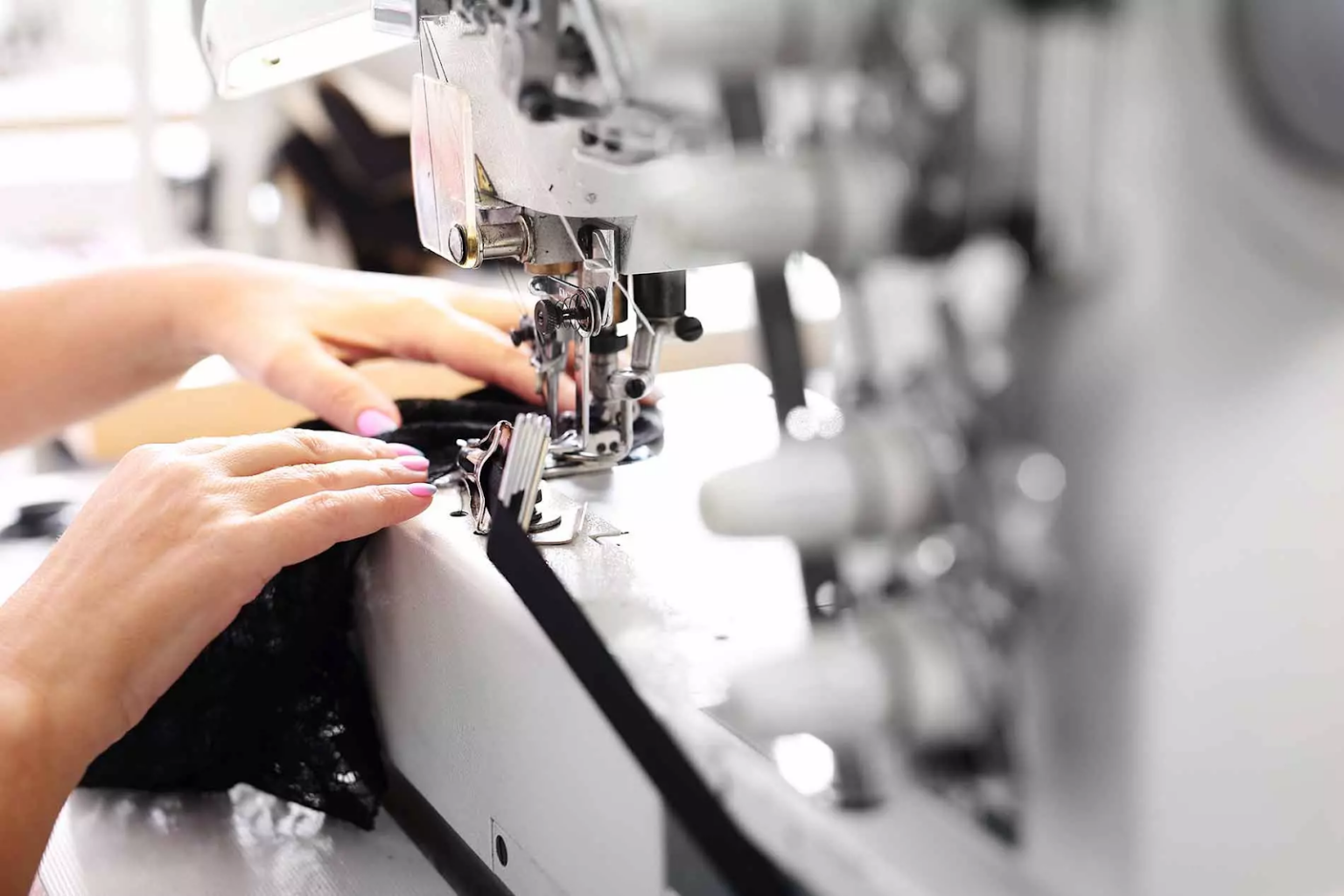
A repairable garment must be designed to open, re-sew, replace parts, and restore functionality without destroying the structure. This challenges brands to rethink fashion aesthetics and construction. Clothes may need to be simpler, less glued or bonded, and more modular. Instead of permanent attachments, components like zippers, buttons, and pockets may need to be replaceable. Instead of overlocking every seam, areas should be accessible for repair. Decorative complexity can no longer come at the cost of reparability.
What fashion brands must implement:
- Design for disassembly – avoid excessive bonding, lamination, or multi-layer sealing that prevents later repair.
- Use replaceable components, including standardized zippers, detachable buttons, modular trims, and accessible stitching lines.
- Provide spare parts + repair kits inside packaging or as optional purchases (extra buttons, zipper sliders, thread cards).
- Choose construction that can be reopened, such as flatlock seams that can be repaired, instead of irreversible seams or heat-bonded edges.
- Offer technical documentation for repair instructions or partner with repair service networks as required under ESPR consumer transparency rules.
- Make designs repair-friendly, even if it means simplifying structure – fewer hidden seams, fewer inaccessible internal layers, cleaner pattern blocks.
3. Digital Product Passport: Verifiable Data for Circular Fashion
The Digital Product Passport (DPP) is emerging as a critical tool under EU regulations to ensure transparency and traceability throughout a textile product’s entire lifecycle. It provides verified and standardized information on the product, including material composition, expected durability, repairability, and the availability of spare parts or repair instructions. By making this information accessible to consumers, recyclers, and regulators, the DPP ensures that sustainability claims are not just marketing statements but are backed by concrete data.

For brands, this means integrating durability and reparability considerations into the design and production stages, because every aspect of the garment, from fabric choice to construction, will need to be documented and verifiable under EU requirements.
Beyond these core elements, the DPP can also include additional data to support circularity and responsible consumption. This may consist of chemical treatment and finishing records, carbon footprint or environmental impact data, recycling instructions, origin and traceability of raw materials, and even information on repair and maintenance services offered by the brand.
>>> Understanding the full environmental impact requires a deep dive into the importance of carbon footprint and product lifecycle evaluation for a sustainable fashion future, which the DPP aims to facilitate.
4. Thygesen Textile Vietnam – Your Trusted Partner in Design Consultation and Production
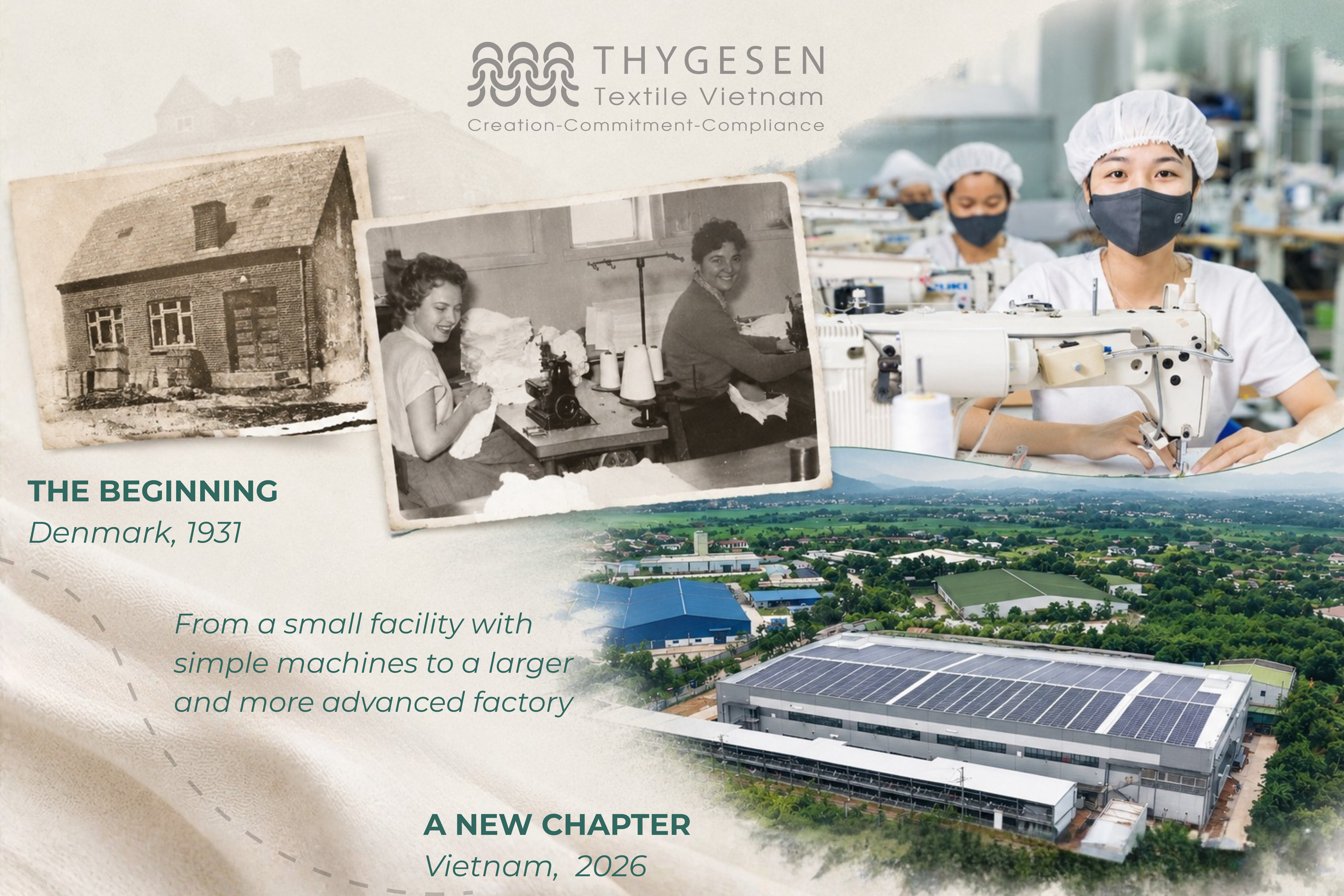
With over 90 years of experience in the textile industry and collaborations with numerous fashion brands across global markets, including the EU, Thygesen Textile Vietnam is more than just a clothing manufacturer. We provide expert material consultation, design development, and transparent supply chain management across all product lines, including activewear, casual wear, kidswear, underwear, and uniforms.
Whether you’re vetting a reliable hoodie manufacturer for casual wear or trusted athletic apparel manufacturers for performance lines, our design and compliance expertise applies across the board.
Our operations are certified by reputable organizations, including ISO 9001:2015, GRS, GOTS, OEKO-TEX STANDARD 100, FSC, and OCS standards, reflecting our commitment to quality, compliance, and responsible production.
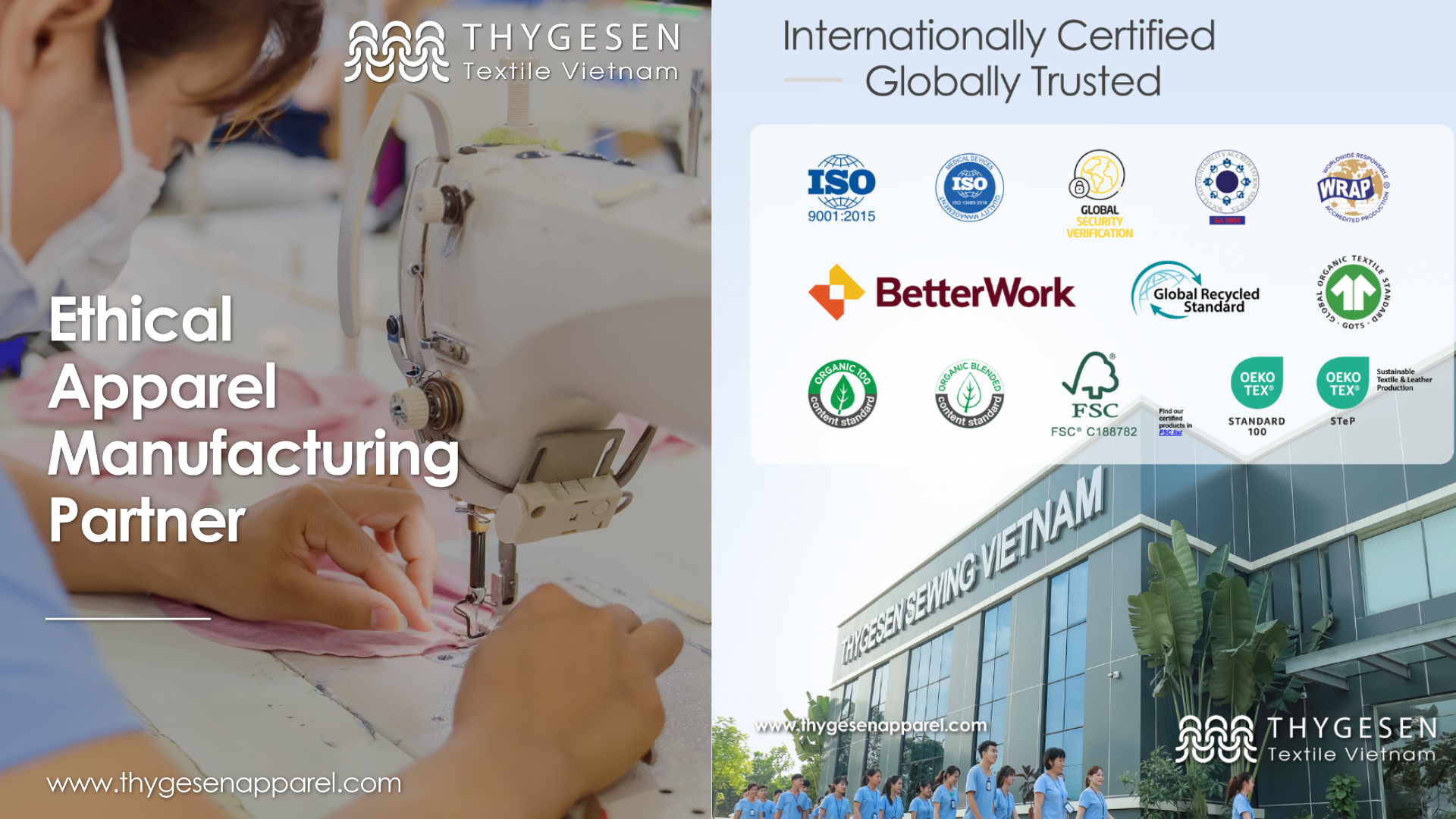
We believe that by working closely together, sharing knowledge, and embracing sustainable practices at every step, we can help brands navigate the evolving EU market with confidence. Together, we can create products that are not only beautiful and high-quality but also truly sustainable, making a positive impact on both people and the planet.
>>> Discover more about Why is Sustainable Fashion Gaining Popularity and How Thygesen Vietnam Can Help? – Thygesen Textile Vietnam, by exploring our expertise and commitment to ethical production.