Wondering what is rayon fabric and why it remains a popular choice in the fashion industry? Known for its soft hand feel, breathability, and versatility, rayon bridges the gap between natural and synthetic fibers. In this guide, we take a closer look at its structure, performance, and common uses in fashion manufacturing.
1. What Is Rayon Fabric?
Rayon fabric is a semi-synthetic textile made from natural cellulose, usually derived from wood pulp such as eucalyptus, beech, or bamboo. Although its raw material comes from plants, rayon is processed through chemical treatment to turn cellulose into soft, wearable fibers. Because of this, rayon is often described as a fiber that sits between natural and synthetic fabrics. For brands asking what are natural fabrics, these materials are generally made from fibers obtained directly from plants or animals, such as cotton, linen, silk, and wool. Rayon differs because its cellulose comes from natural plant sources but must undergo chemical processing before it can be spun into textile fibers.
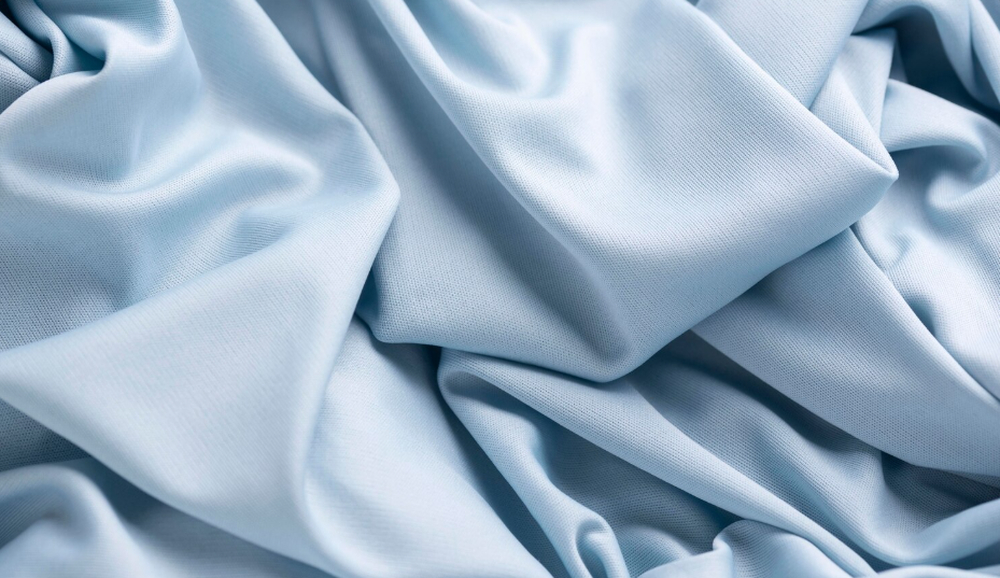
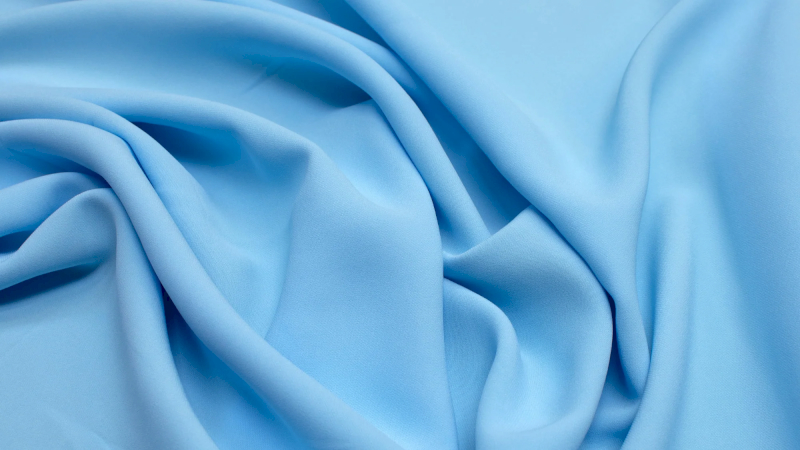
In clothing, rayon is valued for its smooth feel, breathability, and fluid drape, which makes it comfortable to wear and visually appealing. It is commonly used in everyday fashion, casualwear, and lightweight garments where softness and comfort matter. Thanks to its versatility, rayon has become a popular choice for fashion brands looking for a fabric that feels natural while offering consistent quality in production.
Brands interested in exploring other luxurious cellulose-based fabrics might also want to understand what is cupro fabric and its unique properties.
2. How Rayon Fabric Is Made
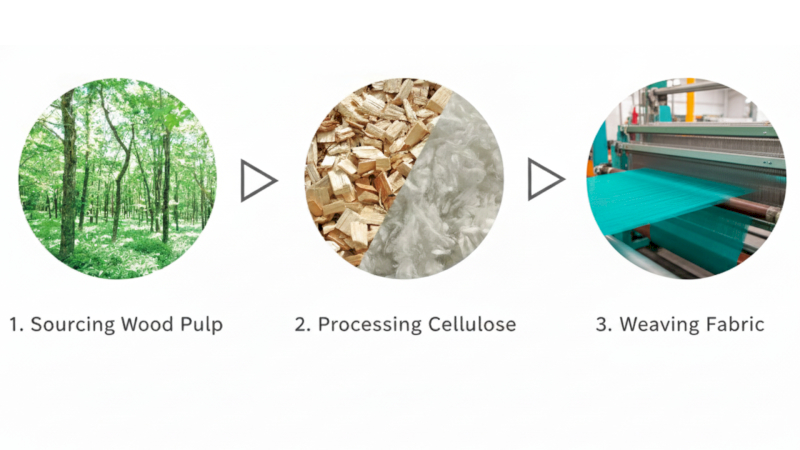
Rayon fabric is produced by transforming natural plant-based cellulose into soft textile fibers through a controlled manufacturing process. Below are the main steps, explained in a simple and easy-to-follow way:
- Extracting cellulose from wood pulp: Wood from trees such as eucalyptus or beech is processed to isolate cellulose, which serves as the natural base material for rayon fibers.
- Dissolving and treating the cellulose: The cellulose is chemically treated and dissolved into a thick liquid solution, allowing it to be reshaped into fibers suitable for textile use.
- Spinning the solution into fibers: The liquid cellulose is pushed through fine nozzles to form long filaments, which solidify into rayon fibers once exposed to air or a chemical bath.
- Washing and refining the fibers: The newly formed fibers are washed to remove residues, then refined to improve softness, strength, and consistency.
- Spinning into yarn and fabric production: The finished fibers are spun into yarns and then woven or knitted into rayon fabric, ready for garment manufacturing.
For eco-conscious brands, understanding the sustainable production of ecovero fabric can provide a valuable alternative in sourcing.
3. Key Benefits of Rayon Fabric
Rayon fabric offers a unique combination of comfort, elegance, and functional performance, making it a popular choice for a wide range of clothing. Here are its main advantages along with the types of garments where they are perfect for:
- Soft & Luxurious: Rayon feels smooth and gentle on the skin, giving a high-end touch similar to silk or fine cotton. Perfect for blouses, dresses, and loungewear where comfort and elegance matter.
- Lightweight & Comfortable: Its airy nature makes it ideal for all-day wear, keeping garments light and easy to move in. Great for casual tops, summer dresses, and flowy skirts.
- Breathable: Rayon allows good airflow, preventing overheating and keeping the wearer cool in warm or humid conditions. Suited for summer apparel, activewear, and layered pieces.
- Moisture-Absorbing: The fabric can wick away light moisture, helping to maintain comfort during physical activity or in humid climates. Ideal for casual wear, activewear, and sleepwear.
- Beautiful Drape: Rayon flows elegantly, creating flattering silhouettes that enhance garment design. Excellent for skirts, dresses, wide-leg trousers, and flowing tops.
- Vibrant Color Retention: Rayon takes dyes exceptionally well, resulting in rich, long-lasting colors that make garments visually striking. Suitable for fashion-forward clothing, printed dresses, and statement pieces.
4. Common Types of Fabrics Mixed With Rayon
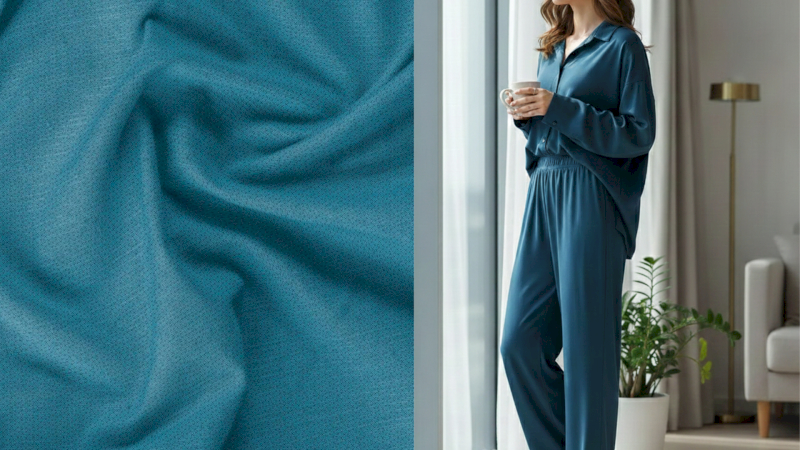
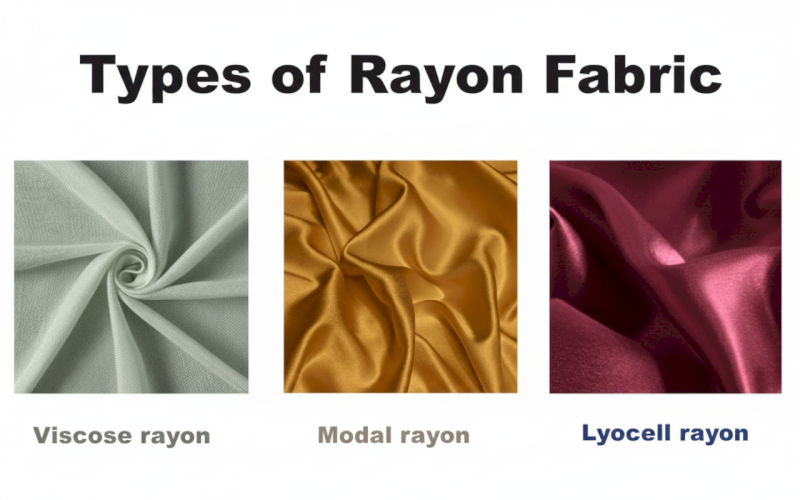
Thanks to its soft handfeel and excellent drape, rayon is frequently blended with other fibers to enhance durability, comfort, and performance. Each rayon blend is designed to balance rayon’s fluidity with the functional strengths of other materials, making it suitable for a wide range of apparel categories.
4.1 Rayon-Cotton Blend
Rayon is often blended with cotton to combine rayon’s smooth drape with cotton’s natural breathability and structure. Rayon improves softness and visual flow, while cotton enhances moisture absorption, durability, and comfort for everyday use. This blend also helps reduce rayon’s tendency to weaken when wet.
Common blend ratios typically range from 50/50, 60/40 to 70/30 (Rayon/Cotton), depending on whether softness or structure is prioritized.
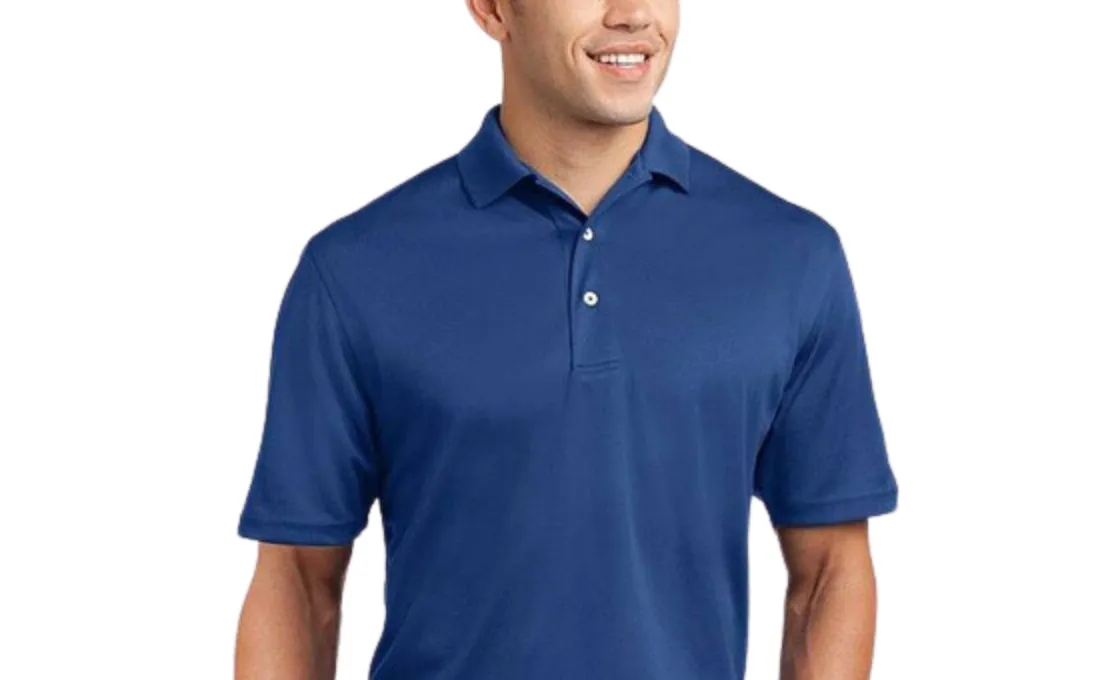
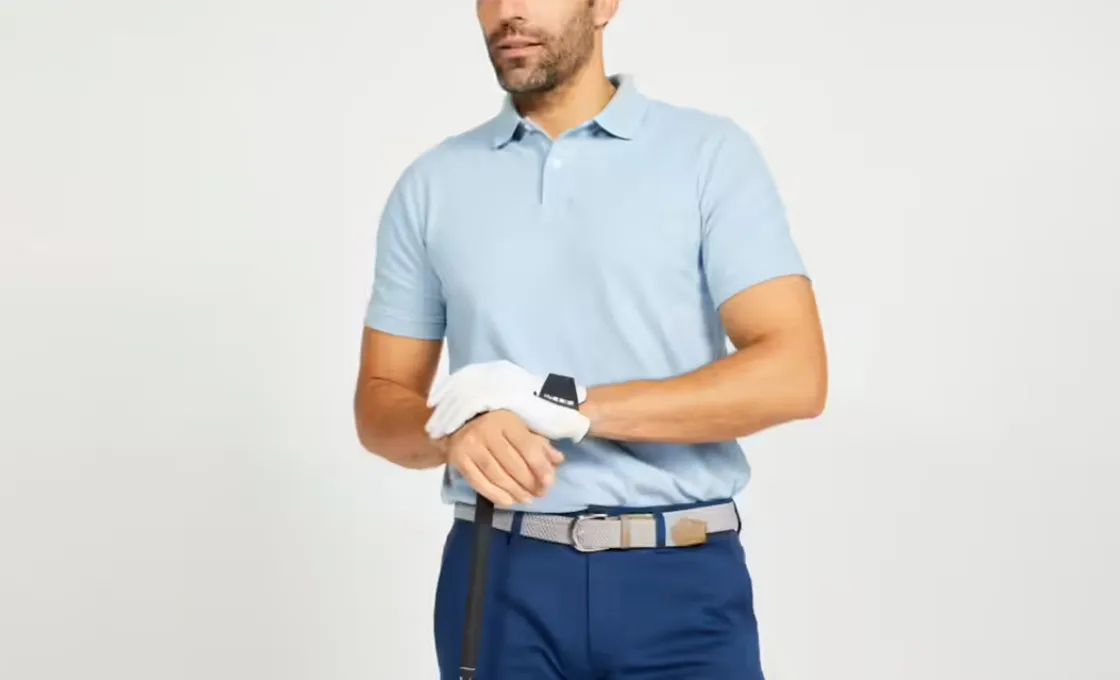
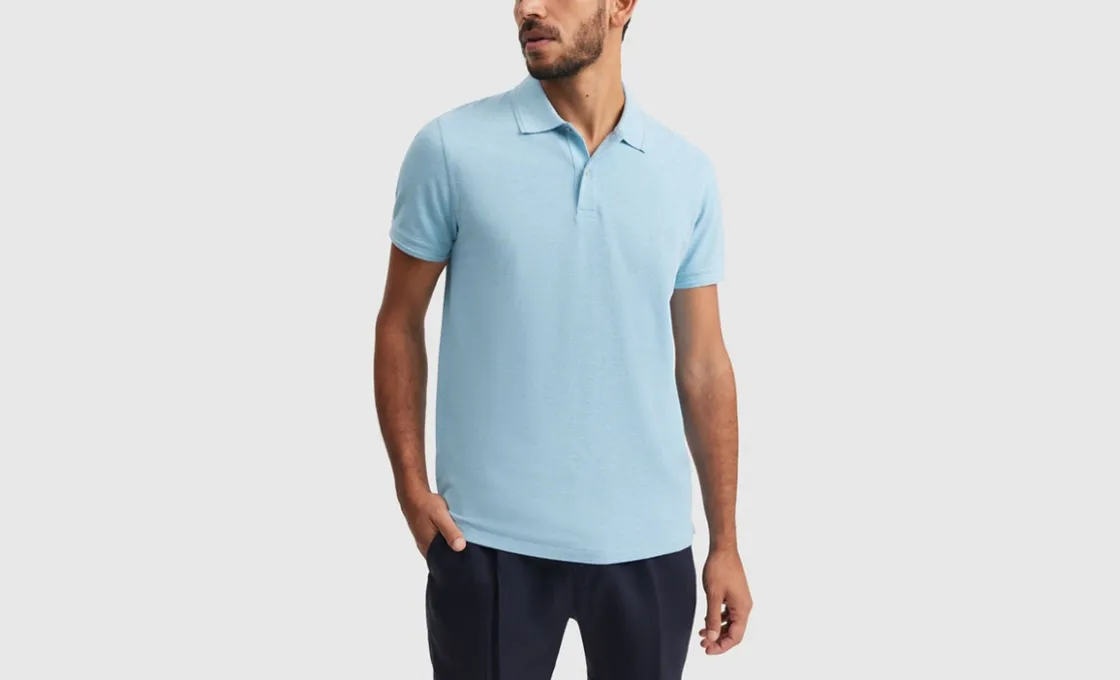
Rayon-cotton fabrics are widely used in T-shirts, casual tops, dresses, shirts, and lightweight woven garments, especially for brands targeting comfortable, breathable daily wear.
Rayon-cotton blends can also be considered for lightweight hoodies and relaxed loungewear where softness and drape are prioritized over heavy insulation. Brands developing these products should work with experienced hoodie manufacturers that can evaluate fabric weight, shrinkage, seam stability, and long-term shape retention.
4.2 Rayon-Linen Blend
Blending rayon with linen helps soften linen’s crisp texture and reduce excessive wrinkling. Rayon enhances drape and smoothness, while linen contributes breathability, natural texture, and cooling properties suitable for warm climates.
Typical blend ratios are 55/45, 60/40, or 70/30 (Rayon/Linen), allowing brands to balance linen’s character with improved comfort and wearability.
This blend is commonly used in summer dresses, blouses, relaxed trousers, resort wear, and lightweight fashion pieces that require an airy yet refined appearance.
4.3 Rayon-Silk Blend
Rayon-silk blends combine rayon’s fluidity with silk’s natural shine and luxury feel. Rayon supports fabric consistency, improves drape, and helps control production cost, while silk elevates the overall aesthetic and handfeel.
Popular blend ratios include 70/30 or 80/20 (Rayon/Silk), where silk adds elegance without dominating fabric behavior.
This blend is ideal for eveningwear, elegant dresses, blouses, scarves, and occasion garments where softness and visual richness are essential.
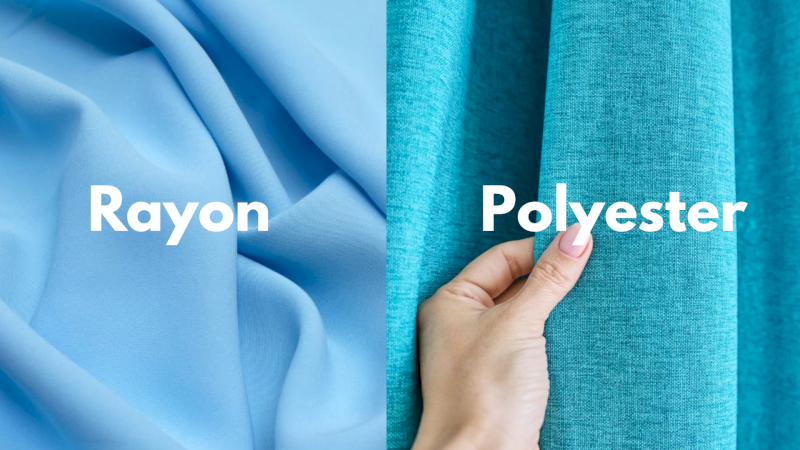
4.4 Rayon-Polyester Blend
Rayon-polyester blends are designed to balance comfort with durability. Rayon contributes softness and breathability, while polyester improves strength, wrinkle resistance, color retention, and shape stability, making the fabric easier to care for.
Common ratios range from 65/35, 60/40 to 50/50 (Rayon/Polyester), depending on durability and performance requirements.
This blend is suitable for casualwear, dresses, skirts, office wear, and travel-friendly garments, where easy maintenance and long-term appearance are important.
4.5 Rayon-Spandex Blend
Spandex is added to rayon to introduce stretch and recovery, compensating for rayon’s lack of elasticity. Even a small percentage of spandex significantly improves flexibility, comfort, and fit.
Typical compositions are 92-97% Rayon with 3-8% Spandex, depending on the desired stretch level. This blend is widely used for leggings, fitted tops, bodycon dresses, loungewear, and light activewear, where comfort and freedom of movement are essential.
When developing rayon-spandex leggings, working with an experienced legging manufacturer helps brands evaluate stretch, recovery, opacity, seam strength, and dimensional stability before bulk production.
4.6 Rayon-Wool Blend
When blended with wool, rayon improves softness, drape, and reduces the coarse feel sometimes associated with wool. Wool provides warmth and insulation, while rayon lightens the fabric and enhances flow.
Common blend ratios include 60/40 or 70/30 (Rayon/Wool), helping maintain warmth without excessive weight or stiffness.
This blend is used in light knitwear, scarves, tailored garments, and select fashion-forward apparel requiring comfort and elegance.
4.7 Rayon-Bamboo Blend
Rayon blended with bamboo fibers enhances softness, smoothness, and moisture control, while bamboo adds natural odor resistance and a cool, skin-friendly feel.
Typical blend ratios are 70/30 or 60/40 (Rayon/Bamboo), depending on softness and performance priorities.
This blend is commonly found in loungewear, underwear, sleepwear, casual basics, and baby clothing, especially for comfort-focused collections.
Below is a quick comparison table highlighting the most common rayon fabric blends to help brands easily evaluate which option best fits their product needs:
| Rayon Blend | Common Blend Ratios | Key Benefits | Typical Apparel Uses |
| Rayon/Cotton | 50/50, 60/40, 70/30 | Softer handfeel, improved breathability, better durability than pure rayon | T-shirts, casual tops, dresses, shirts |
| Rayon/Linen | 55/45, 60/40, 70/30 | Airy, lightweight, reduced wrinkling, better drape | Summer dresses, blouses, resort wear |
| Rayon/Silk | 70/30, 80/20 | Luxurious look, fluid drape, controlled cost vs. pure silk | Eveningwear, elegant dresses, scarves |
| Rayon/Polyester | 65/35, 60/40, 50/50 | Improved durability, wrinkle resistance, easy care | Dresses, skirts, office & travel wear |
| Rayon/Spandex | 92-97% Rayon / 3-8% Spandex | Stretch, comfort, shape recovery | Leggings, fitted tops, bodycon dresses |
| Rayon/Wool | 60/40, 70/30 | Softer feel, better drape, lighter weight than pure wool | Knitwear, scarves, tailored garments |
| Rayon/Bamboo | 70/30, 60/40 | Extra softness, moisture control, odor resistance |
5. Key Considerations When Producing Rayon Garments
Rayon offers beautiful drapes and comfort, but it requires careful handling during production. Below are the most important considerations for manufacturers.
- Shrinkage Control: Rayon weakens and shrinks significantly when wet. The fabric must be thoroughly pre-shrunk or heat-set before cutting to prevent customer dissatisfaction after the first wash.
- Wrinkle Resistance: Rayon fabric wrinkles easily and retains creases. Manufacturers often need to select a blend with synthetic fibers (like polyester) or apply an anti-crease finish during the final fabric treatment process.
- Sewing Technique & Seam Stability: Rayon has low wet strength and may pucker or stretch if sewn improperly. Using fine needles, lower thread tension, high-quality polyester thread, and stabilizers (such as stay-tape at necklines or waistlines) helps maintain seam integrity and avoid distortion.
- Dyeing & Printing Performance: Rayon absorbs dyes very easily, leading to rich colors. However, this also increases the risk of uneven shades, bleeding, and color migration. Brands should test colorfastness and ensure proper dye fixation, especially for everyday or sweat-exposed garments.
- Finishing & Care Requirements: Because rayon fibers weaken when wet, finishing processes should be gentle and avoid excessive pulling or high heat. Care labels must clearly instruct consumers to use cold water, gentle washing, and line drying to protect garment durability.
- Suitable Garment Categories: Rayon works best in apparel requiring softness, breathability, and elegant drape. Ideal categories include dresses, skirts, blouses, relaxed shirts, culottes, wide-leg trousers, loungewear, resort wear, lingerie, and lightweight layering pieces. For garments needing higher strength (e.g., activewear), modal or lyocell blends perform better.
- Strict Quality Control: Manufacturers should closely check for pilling (especially in viscose), assess dimensional stability after washing, test seam strength in high-movement zones, and ensure consistency in drape and handfeel across different fabric lots.
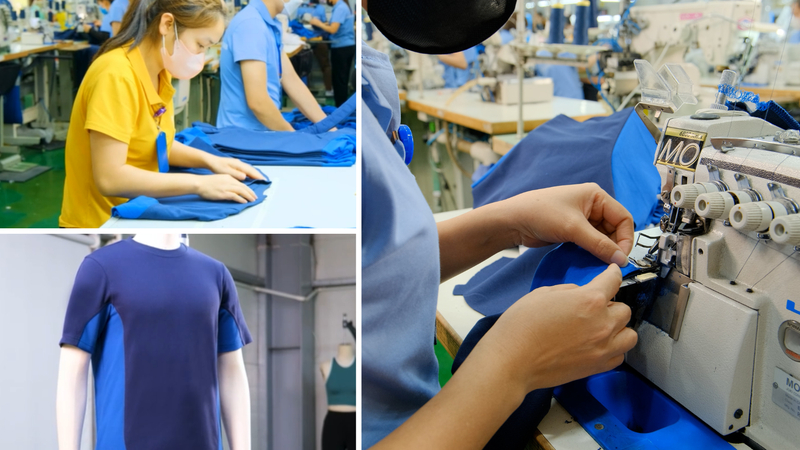
Because rayon can shrink, stretch, wrinkle, or distort during production, working with an experienced cut and sew manufacturer is important for maintaining cutting accuracy, seam stability, consistent sizing, and fabric integrity. The manufacturer should test the material before production and adjust pattern development, sewing tension, finishing methods, and quality-control procedures accordingly.

6. Thygesen Textile Vietnam: Your Trusted Partner in Rayon Fabric Sourcing & Garment Manufacturing
Thygesen Textile Vietnam is an ethical clothing manufacturer with in-house R&D capabilities, enabling our team to advise brands on the optimal selection of rayon fabrics or collaborate with our extensive network of domestic and international suppliers to develop custom fabric solutions.
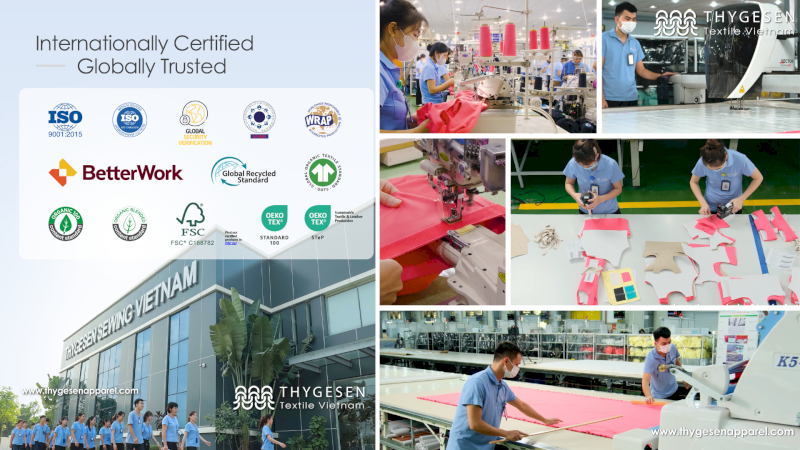
The certifications for materials and processes we are capable of supplying include: GOTS, GRS, OCS, FSC (for environmental sustainability), OEKO-TEX® Standard 100 (for product safety), and social compliance certifications such as SA8000 and WRAP.
As one of the experienced athletic apparel manufacturers, Thygesen combines fabric sourcing, product development, fit optimization, and large-scale garment production. With an annual capacity of 10 million pieces, we support multiple apparel categories, including activewear, loungewear, underwear, casualwear, and uniforms. To optimize the mass production of Rayon and other complex fabrics, we focus on three key operational factors.
The first factor is the High Skill Level of our sewing team, ensuring the precise handling of soft, slippery, and stretchy fabrics like Rayon. The second is our Strict Quality Control (QC) Procedures, applying standards through multiple stages (in-line, end-line, and AQL 2.5 final inspections) to promptly detect and eliminate defects related to shrinkage, wrinkling, or color fading.
Finally, we implement a LEAN Manufacturing System to minimize waste (in materials, time, and labor) at every step, thereby ensuring quick lead times and competitive costs for large-volume orders.
7. FAQs
Does Thygesen produce fabrics?
Currently, Thygesen does not produce fabrics. We specialize in full-package clothing manufacturing, handling everything from design consultation and material sourcing to bulk production and logistics. Our long-term plan includes establishing our own knitting and dyeing facility to create a fully vertical supply chain in Vietnam by 2028.
Can Thygesen handle import/export and related taxes for raw materials?
Yes, Thygesen provides expert guidance on import/export and associated taxes for fibers and fabrics. Since tax regulations vary depending on the source country, our in-house team advises on the correct procedures, documentation, and origin certificates for each market, ensuring your materials reach production smoothly and compliantly.
What is the MOQ for Rayon clothing production at Thygesen?
The minimum order quantity (MOQ) for rayon garments typically ranges from 3,000 to 5,000 pieces, depending on the product type and complexity.
In conclusion, rayon fabric combines softness, breathability, and elegant drape, making it a versatile choice for a wide range of apparel from casualwear to activewear. As a trusted clothing manufacturer, Thygesen Textile Vietnam offers expert fabric sourcing, design consultation, and full-package garment production to help brands bring their visions to life. Learn more at thygesenapparel.com or reach out via sale@thygesen.com.vn to start a journey together.