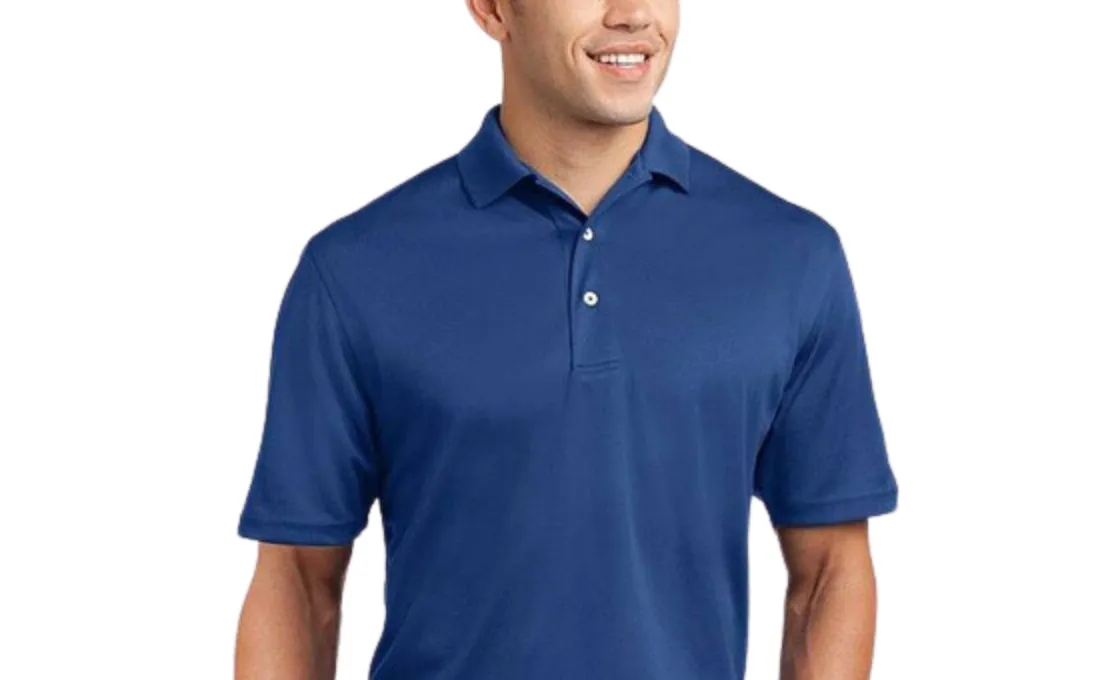
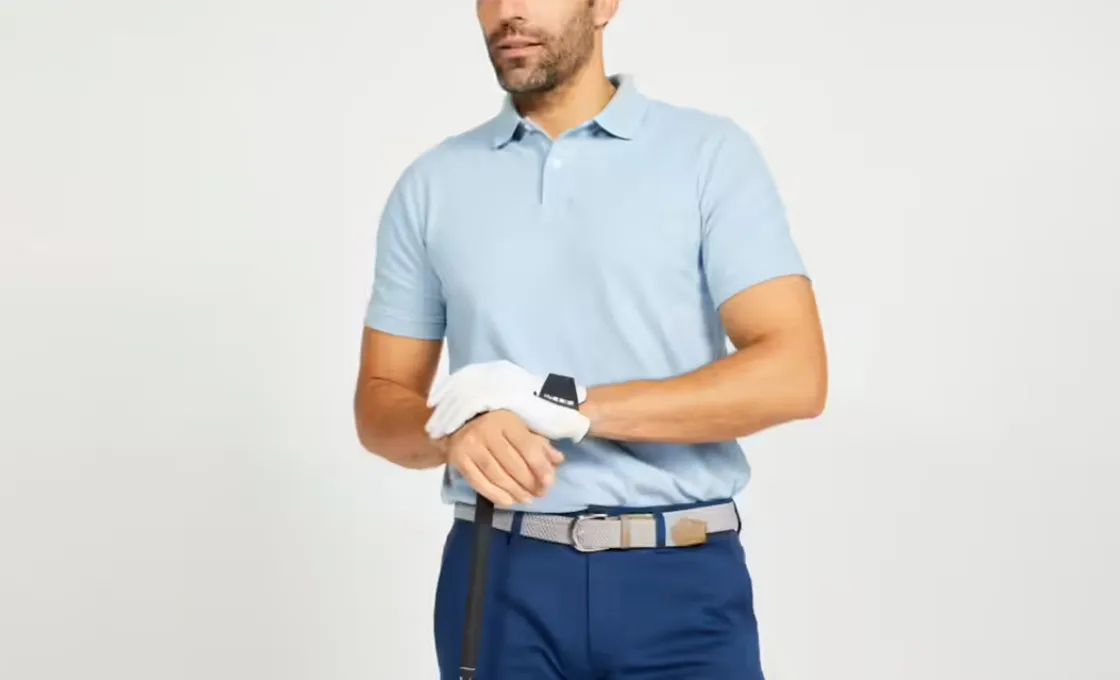
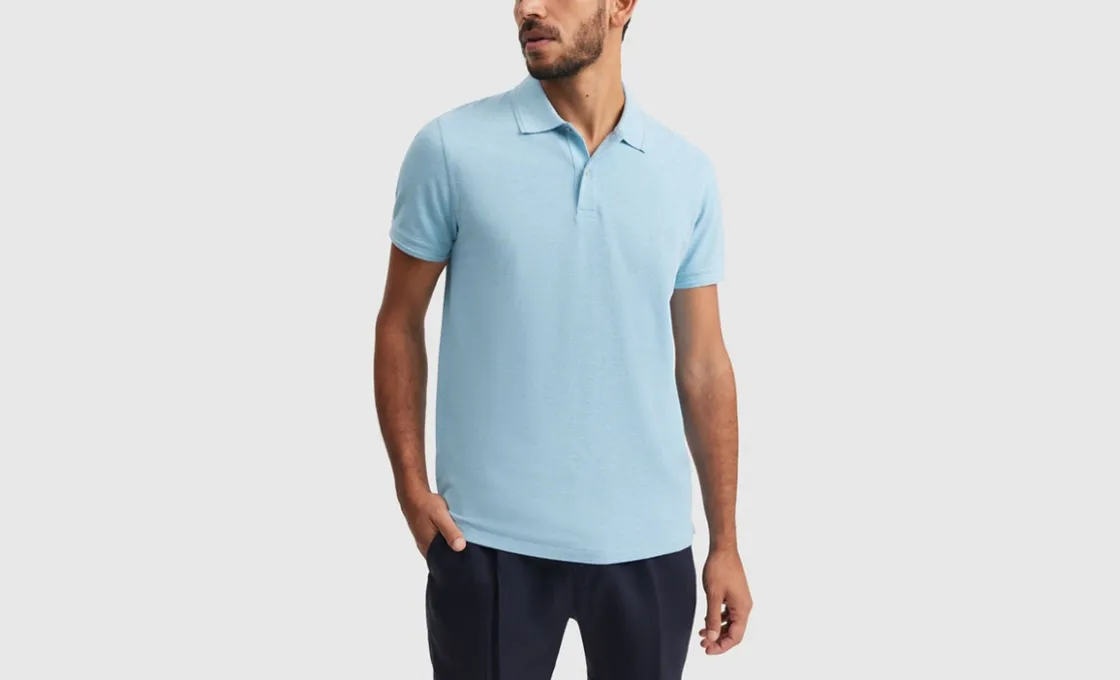
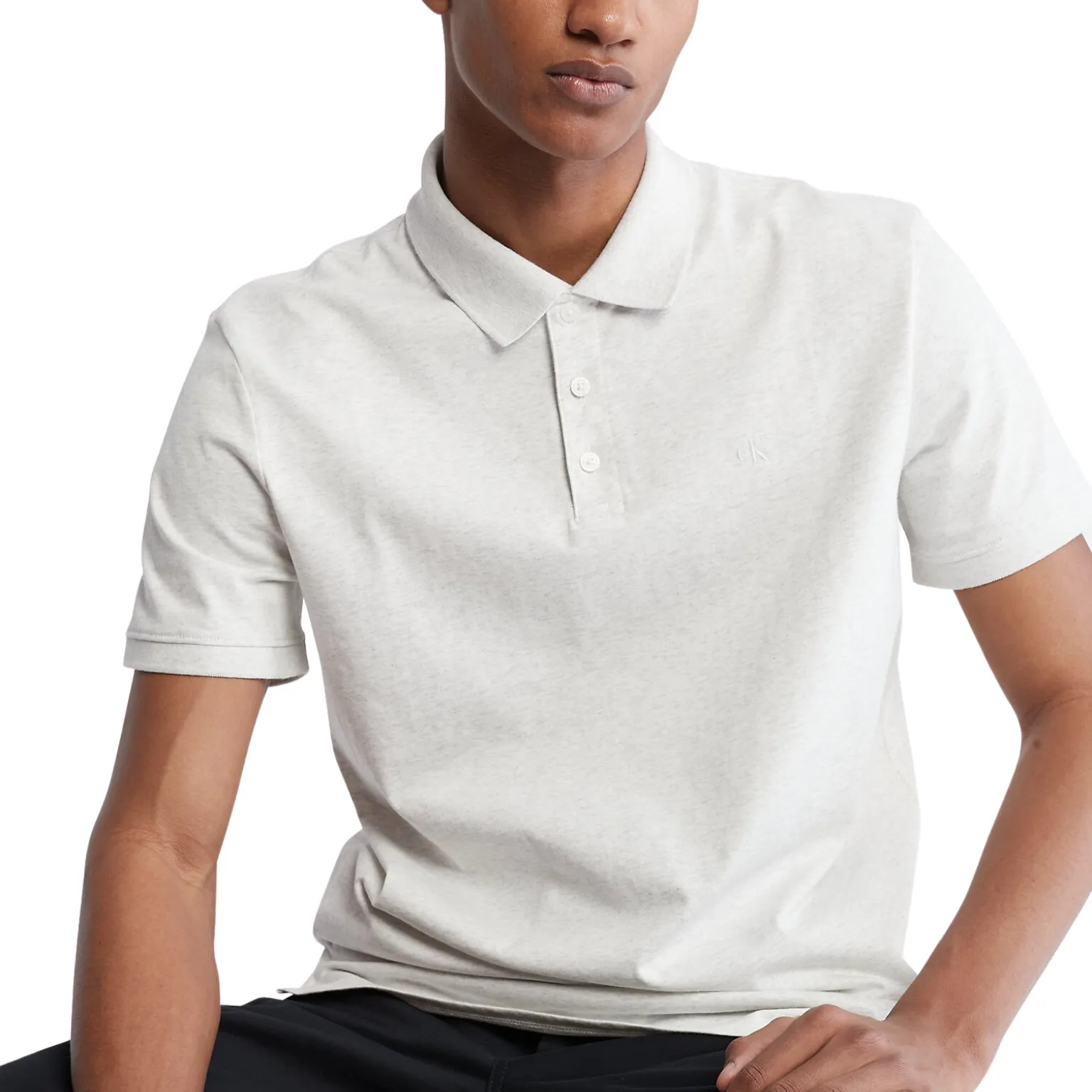
As demand grows for high-performance apparel, moisture wicking fabric has become a key material in the industry. Below, Thygesen will provide a breakdown of its characteristics, how it works, and the best moisture-wicking fabrics for clothing manufacturing.
1. What Is Moisture-Wicking Fabric?
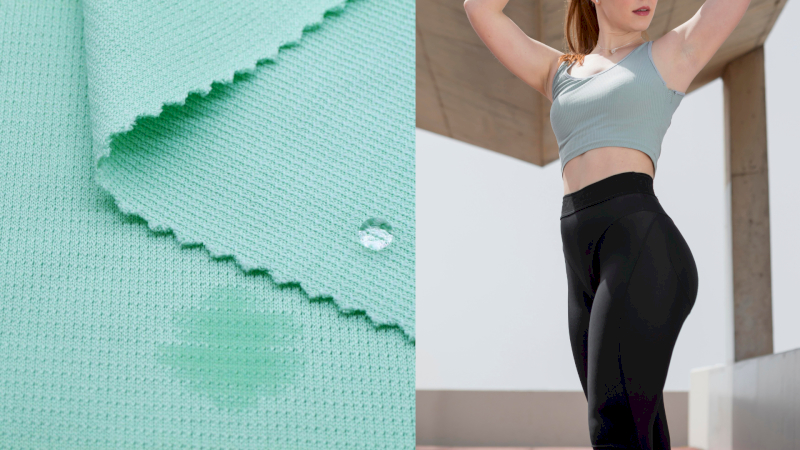
Moisture-wicking fabric refers to materials engineered to pull sweat away from the skin and move it toward the outer surface of the textile, where it can evaporate quickly. Instead of allowing moisture to sit on the body or remain trapped inside the fibers, these fabrics use capillary action and hydrophobic properties to keep the wearer dry, cool, and comfortable. This makes moisture-wicking textiles a foundational choice for activewear, sportswear, outdoor gear, and any type of performance-driven clothing.
Many people often confuse moisture-wicking fabrics with absorbent fabrics, but the two work very differently. Moisture-wicking materials are designed to transfer moisture rather than hold it. They push sweat outward and release it into the air, which is why they dry so quickly and maintain a lightweight feel even during intense movement.
In contrast, absorbent materials are designed to hold moisture within their fibers. Many natural fabrics, such as cotton, can absorb a significant amount of sweat, which may cause garments to feel heavy, damp, or clingy during intense exercise. Although these fabrics are valued for their softness and everyday comfort, they generally dry more slowly than synthetic moisture-wicking materials. While absorbent fabrics are excellent for softness and comfort in everyday wear, they do not provide the fast-drying performance needed for high-intensity activities.
2. How Moisture-Wicking Fabric Works
Moisture-wicking performance comes from a combination of fabric structure and fiber chemistry, and it can be broken into three main steps:
- Step 1: Moisture is pulled away from the skin: Hydrophobic fibers such as polyester or nylon repel water, preventing sweat from being absorbed into the fiber core. Instead, the moisture stays on the surface of the fiber, where it can be guided outward. This initial movement ensures the skin feels drier and reduces the discomfort caused by wet, clingy fabric.
- Step 2: Sweat travels through capillary action: The yarn and fabric are engineered with micro-channels, grooves, or multi-filament structures that create pathways for moisture to spread. Capillary action allows sweat to move across a wider surface area rather than staying concentrated in one spot. The larger the surface area, the faster the moisture can evaporate.
- Step 3: Moisture evaporates quickly on the outer surface: Once sweat reaches the exterior of the fabric, exposure to air helps it evaporate rapidly. Lightweight, breathable weaves enhance airflow, while the hydrophobic nature of the fibers prevents moisture from being trapped. This final step is what keeps the garment dry, preventing heaviness and allowing the wearer to maintain comfort and performance.
3. The Best Moisture-Wicking Fabrics For Clothing Manufacturing
Below are some of the main fiber types used to create moisture-wicking fabrics, each working in slightly different ways.
3.1. Polyester
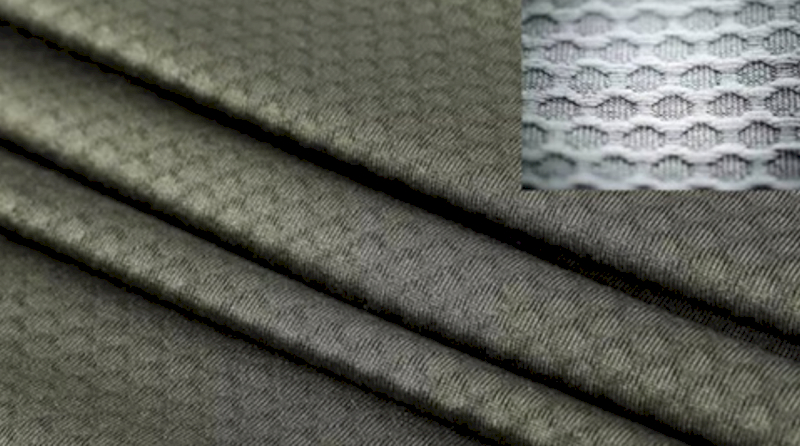
Polyester is one of the most widely used fibers for moisture-wicking fabrics. It is naturally hydrophobic, which means it repels water rather than absorbing it. This property allows sweat to move quickly from the skin to the outer surface of the fabric, where it can evaporate, keeping the wearer dry and comfortable during intense activity.
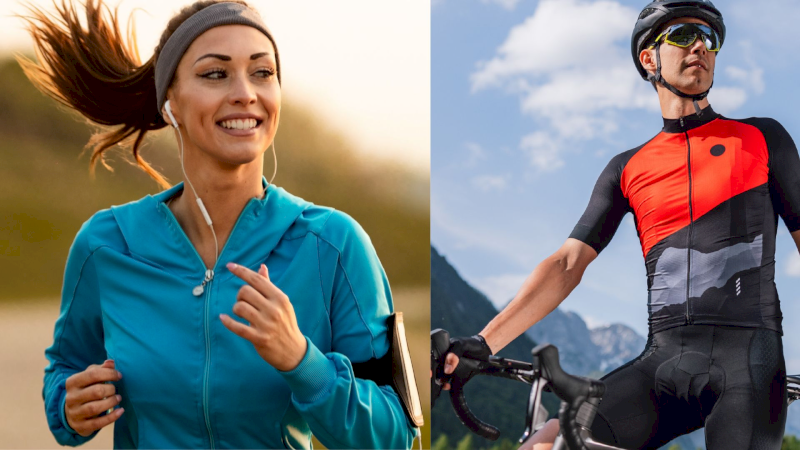
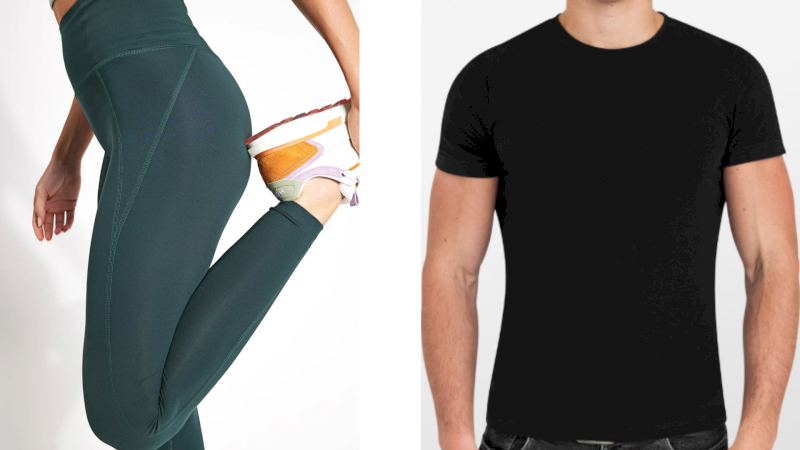
The key advantages of polyester include its durability, lightweight feel, and quick-drying performance. It is highly resistant to stretching and shrinking, making it ideal for garments that need to maintain shape and performance. Polyester is commonly used in activewear, sports jerseys, running tops, leggings, and workout hoodies.
When considering comfortable and high-performing apparel, it’s essential to understand the various hoodie fabric types available.
3.2. Nylon
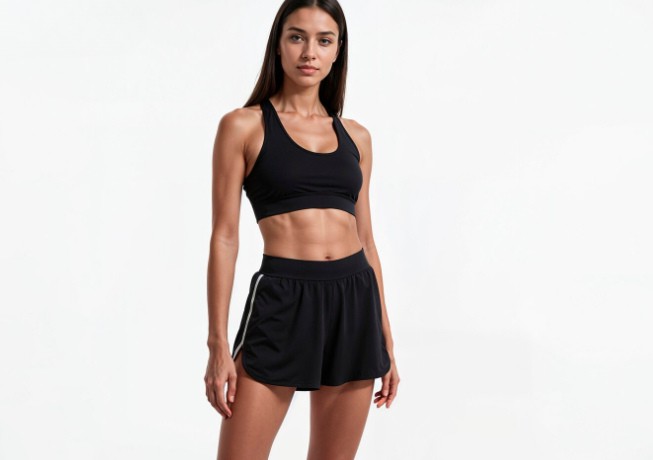
Nylon is another synthetic fiber prized for its strength, elasticity, and smooth texture. Like polyester, it repels water and effectively moves moisture away from the skin. Its soft hand feel and excellent stretch make it particularly comfortable for garments that fit close to the body.
Nylon’s key advantages include high abrasion resistance, long-lasting durability, and stretch recovery, which make it suitable for compression wear, cycling shorts, yoga leggings, sports bras, and lightweight jackets. When developing nylon-based leggings, working with an experienced legging manufacturer helps brands evaluate stretch, recovery, opacity, moisture management, seam strength, and fit before moving into bulk production.
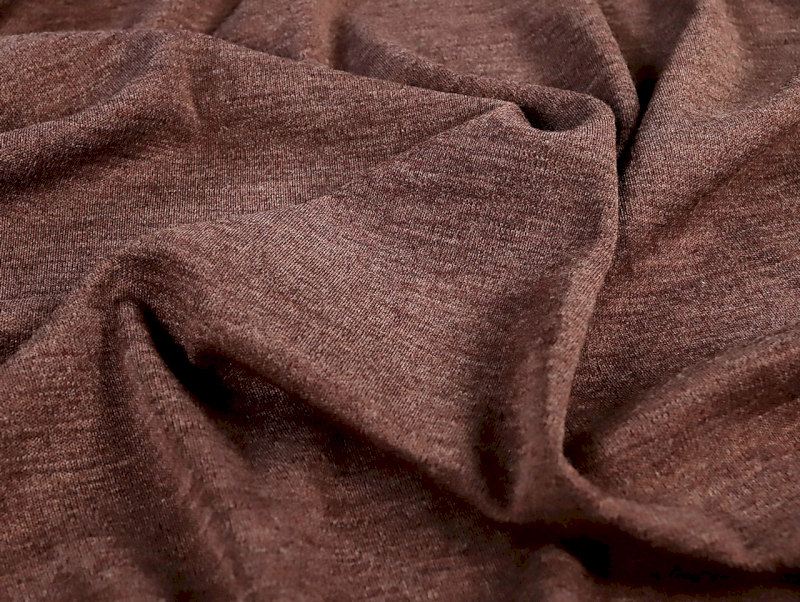
3.3. Merino Wool
Merino wool is a natural fiber known for its moisture-wicking and temperature-regulating abilities. The fine fibers can absorb a small amount of moisture while still feeling dry to the touch, which helps maintain comfort during varying temperatures. It also naturally resists odors, making it ideal for extended wear.
Merino wool’s key advantages include softness, breathability, and excellent thermal regulation. It is commonly used in base layers, hiking shirts, outdoor sportswear, and lightweight winter apparel, offering a natural alternative to synthetic wicking fabrics.
3.4. Polypropylene
Polypropylene is a fully hydrophobic fiber, meaning it does not absorb water at all. Sweat moves along the fiber surface, keeping the skin dry. It is extremely lightweight and provides thermal insulation even when wet, making it highly effective in both moisture management and temperature control.
Because of these properties, polypropylene is widely used in base layers, thermal underwear, outdoor performance gear, and cold-weather athletic clothing, where staying dry and warm is essential.
3.5. Bamboo Viscose and Bamboo Blends
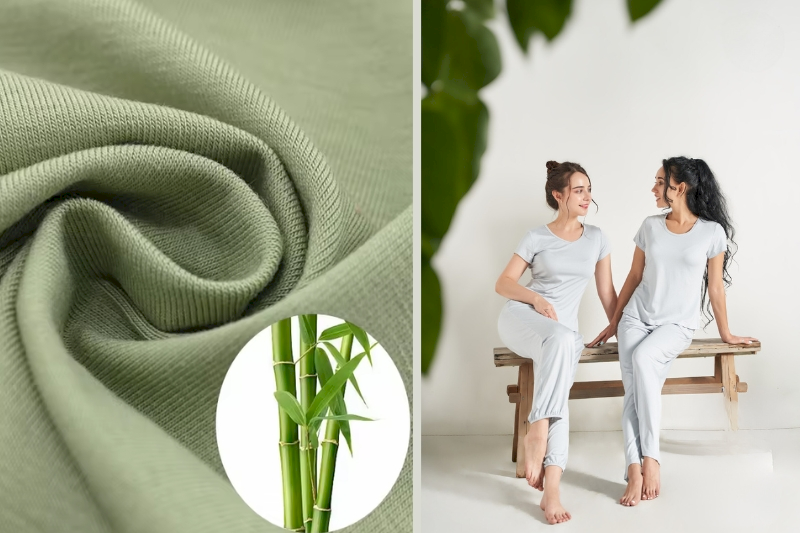
Bamboo viscose is a semi-synthetic fiber derived from bamboo pulp. It is naturally soft, breathable, and moisture-absorbent, but when blended with synthetic fibers, it can achieve effective wicking properties. The fiber’s smooth surface allows sweat to move along the fabric and evaporate efficiently.
The key advantages of bamboo viscose and blends include soft hand feel, antibacterial properties, and sustainability. These fibers are popular in athleisure wear, casual t-shirts, yoga apparel, and eco-friendly activewear. Brands comparing the Best T-Shirt Fabrics should consider bamboo viscose blends when softness, breathability, and everyday comfort are priorities. For sports or high-intensity use, blending bamboo viscose with polyester or other hydrophobic fibers can improve drying speed and moisture transfer.
3.6. Modal and Other Rayon Blends
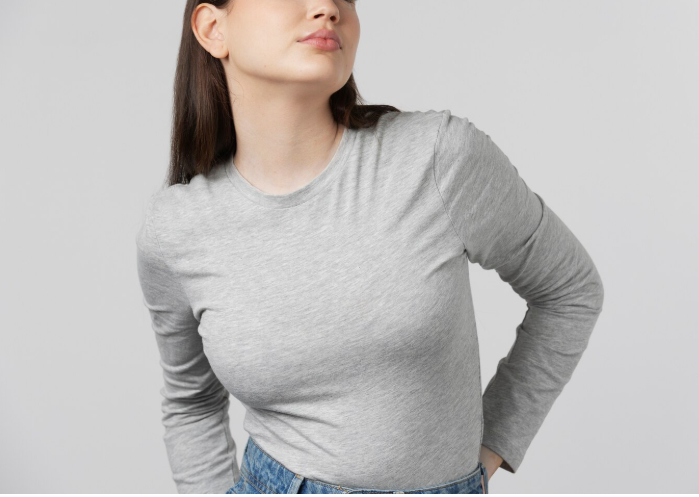
Modal and other rayon fibers are made from regenerated cellulose. They are naturally soft and breathable, with moderate moisture absorption that can be enhanced with blending. When combined with hydrophobic fibers, these fabrics offer effective moisture-wicking performance while maintaining comfort and drape.
The main advantages of modal and similar blends include luxurious softness, flexibility, and smooth texture, making them ideal for casual activewear, loungewear, lightweight tops, and stylish performance garments.
Here’s a quick summary of the main moisture-wicking fabrics, how they work, their key advantages, and typical applications:
| Fabric | Key Advantages | Common Applications |
| Polyester | Durable, lightweight, quick-drying, shape-retaining | Activewear, sports jerseys, running tops, leggings, hoodies |
| Nylon | Soft, stretchy, abrasion-resistant, durable | Compression wear, cycling shorts, yoga leggings, sports bras, jackets |
| Polypropylene | Extremely lightweight, thermal insulation, fast drying | Base layers, thermal underwear, outdoor performance gear, cold-weather athletic clothing |
| Merino Wool | Soft, breathable, temperature-regulating, odor-resistant | Base layers, hiking shirts, outdoor sportswear, lightweight winter apparel |
| Bamboo Viscose/ Blends | Soft, breathable, antibacterial, sustainable | Athleisure wear, casual t-shirts, yoga apparel, eco-friendly activewear |
| Modal/Other Rayon Blends | Luxurious softness, flexible, smooth drape | Casual activewear, loungewear, lightweight tops, stylish performance garments |
4. How to Choose Moisture-Wicking Fabrics for Clothing Manufacturing
Choosing the right moisture-wicking fabric is essential for a product to ensure optimal performance, comfort, and durability for each type of garment.
- Define the activity level and end-use: The first step in selecting a moisture-wicking fabric is to clearly identify the intended activity and garment type. High-intensity sportswear, such as running tops or training gear, requires fabrics with fast-drying capabilities and strong wicking performance to keep the wearer dry and comfortable during intense movement. In contrast, athleisure or casual activewear may place more emphasis on softness, comfort, and breathability, where ultra-fast wicking is less critical. For performance hoodies, a qualified hoodie manufacturer can help determine the appropriate fabric composition, GSM, knit construction, moisture-wicking treatment, and insulation level according to the intended activity and climate.
- Test moisture spread and drying time: Manufacturers should perform practical tests on fabric samples by wetting them and observing how quickly moisture moves across the surface and evaporates. Effective moisture-wicking fabrics should disperse sweat rapidly, spreading it over a larger area for faster drying, and should consistently dry much faster than absorbent fabrics like cotton. This testing ensures that the fabric performs as intended in real-world use.
- Check long-term durability and wash performance: Moisture-wicking properties must remain effective over repeated use and laundering. Some fabrics lose their wicking ability after a few washes or require special care, which can be inconvenient for consumers. It’s important to select materials that retain performance without compromising ease of care, ensuring garments stay functional and durable throughout their lifecycle.
- Balance performance with cost and target market: When choosing fabrics, manufacturers need to consider the price-performance balance. Polyester blends are cost-effective and ideal for mass-market activewear, offering reliable wicking at a lower cost. Meanwhile, premium fibers like merino wool, microfiber blends, or bamboo viscose are better suited for high-end or sustainable collections, where comfort, feel, and eco-friendliness are valued alongside moisture management.
Fabric performance must also be considered throughout garment construction. An experienced cut and sew manufacturer can evaluate how stretch, fabric weight, surface stability, and drying properties affect pattern development, cutting accuracy, seam construction, and finished garment performance. Testing these factors during sampling helps reduce production risks before bulk manufacturing.
5. Thygesen Textile Vietnam – Expert in Fabric Sourcing and Garment Manufacturing
Among experienced athletic apparel manufacturers, Thygesen Textile Vietnam supports international brands with fabric sourcing, technical consultation, product development, and full-package garment production. With over 90 years of textile experience, our team specializes in activewear and has worked with brands such as Girlfriend Collective, Rockwear, and Paragon Fitness to develop performance garments using moisture-wicking materials.
Thygesen maintains a wide network of trusted, certified material suppliers, both locally and globally, including partners in Japan, China, Taiwan, Korea, EU etc. This enables us to consistently meet stringent requirements across all top fibers, ensuring quality, reliability, and sustainability.
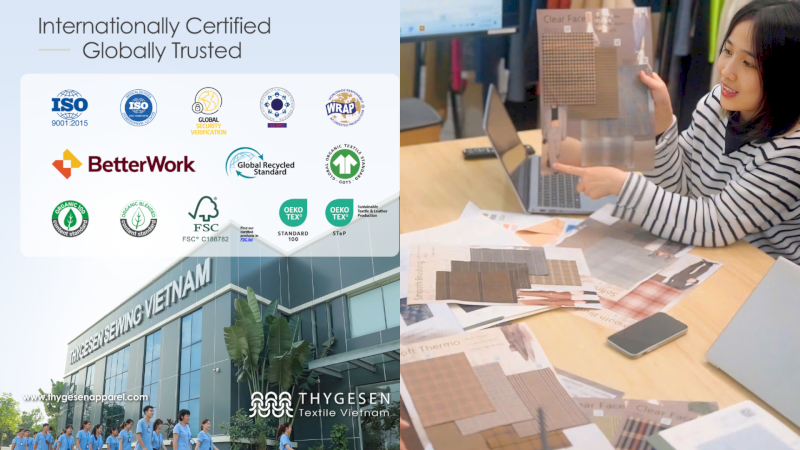
All materials and products can be certified as a customer request to meet international standards such as GOTS, OCS, GRS, OEKO-TEX Standard 100, and FSC, ensuring that clients’ commitments to quality and sustainability are fully supported.
In conclusion, moisture-wicking fabric is a crucial component for high-performance apparel, offering comfort, breathability, and fast-drying properties essential for activewear, sportswear, and performance garments.
As a trusted clothing manufacturer, Thygesen uses our deep understanding of fabrics to advise brands on selecting and sourcing the best moisture-wicking materials, while providing full-package manufacturing solutions and sustainable options. Discover more about our capabilities at thygesenapparel.com or send us your inquiries at sale@thygesen.com.vn to explore how we can support your next collection