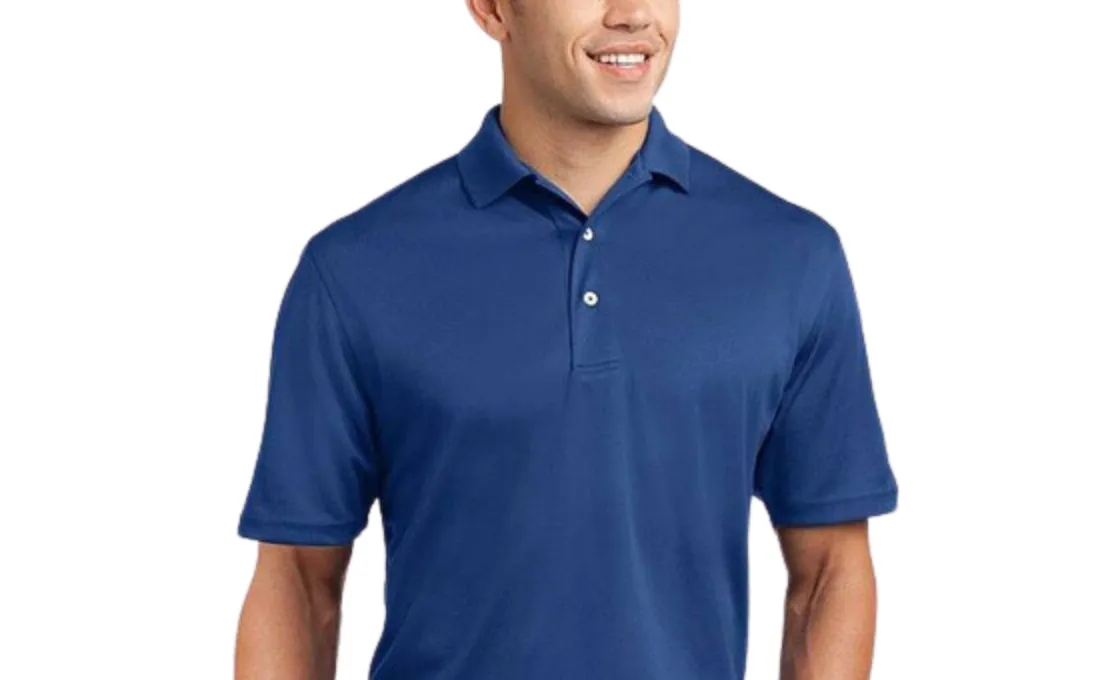
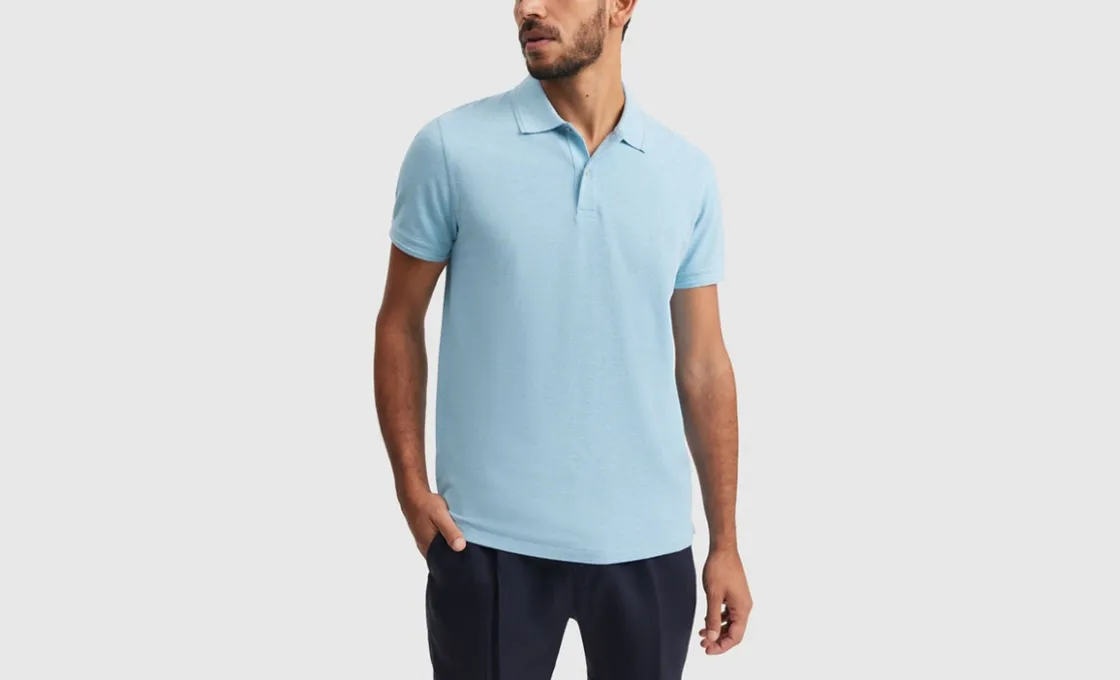
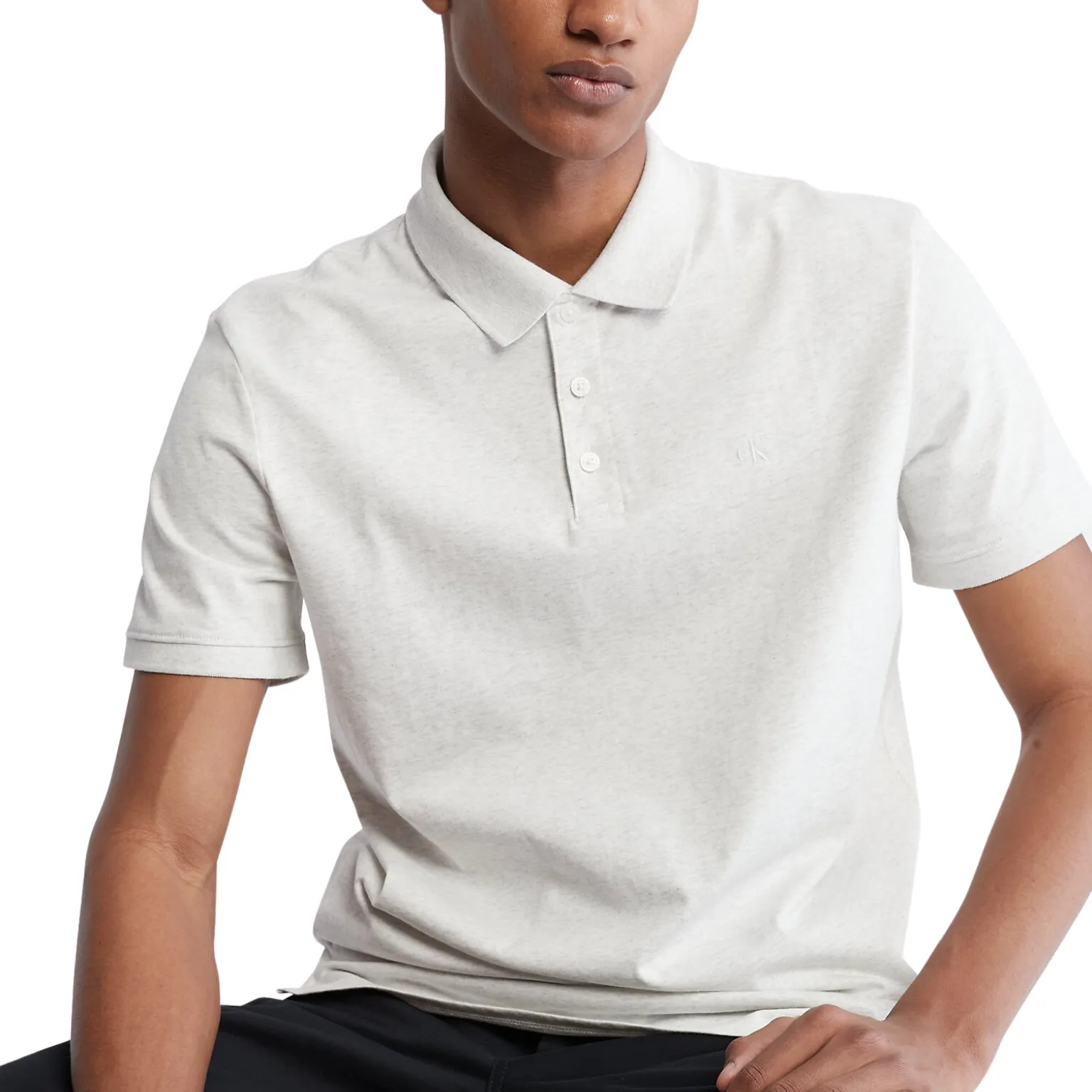
Choosing the right hoodie fabric types is essential for brands preparing for production, and this guide provides a clear manufacturer-focused overview to help you select the best materials for your hoodie collection.

1. Main Hoodie Fabric Types for Manufacturing
For brands wondering which fabric is best for hoodies, the answer depends on the desired comfort, durability, performance, and production cost. Below are the main hoodie fabric types used in manufacturing, each offering distinct benefits for different product requirements.Below are the main hoodie fabric types used in manufacturing, each offering different benefits for comfort, durability, and cost.
1.1. Cotton
Cotton is the traditional powerhouse of the hoodie world, offering unparalleled comfort and breathability. It is a natural fiber that provides excellent softness against the skin, making it a favorite for comfort-focused loungewear.
This material is highly absorbent and naturally breathable, ideal for casual wear, providing good warmth but may shrink slightly if not properly pre-shrunk during manufacturing. It is primarily used for classic streetwear hoodies, vintage styles, and high-end loungewear.
Medium to heavy weights are common, typically ranging from 300 GSM to 400 GSM (Grams per Square Meter), although lighter options around 240 GSM can also be used for summer wear. Many of the same factors used to determine the best t shirt fabric, including softness, breathability, fabric weight, and shrinkage control, should also be considered when selecting cotton for lightweight hoodies.
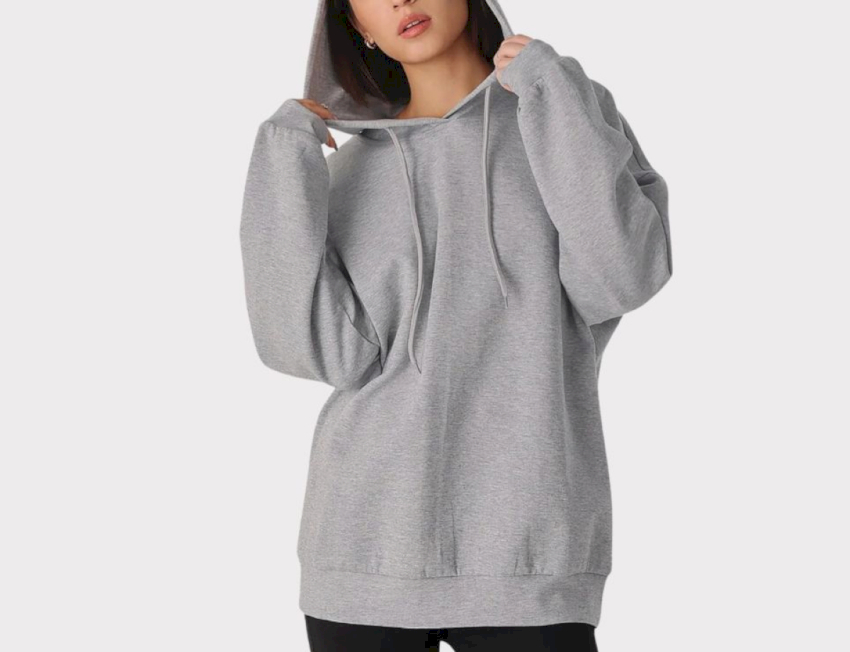
1.2. French Terry Knit
French Terry is unique due to its backing of soft, uncut loops, unlike the brushed surface of fleece. This construction gives it a distinctive texture, excellent moisture management, and natural breathability, making it suitable for warmer climates.
The smoother face provides a clean surface for printing and embroidery. Ideal for lightweight hoodies, activewear layers, and premium athleisure, French Terry is often used in matching tracksuits. It is typically lighter than fleece, with common weights ranging from 260 GSM to 320 GSM, and its low-bulk nature allows comfortable year-round layering.
For a deep dive into another essential apparel category, check out the Comprehensive Guide to Legging Fabric Types Every Brand Should Know – Thygesen Textile Vietnam, providing expert insights for material selection. Brands expanding their hoodie collections into coordinated activewear bottoms can explore our legging fabric guide or work with an experienced legging manufacturer to evaluate stretch, recovery, opacity, and fit.
1.3. Polyester
100% Polyester Fleece is a synthetic fabric ideal for hoodies requiring lightweight warmth, high durability, and superior moisture resistance. Its hydrophobic nature makes it excellent for insulation in damp conditions.
This material offers strong colorfastness, wrinkle resistance, and lower cost compared to pure cotton. It is commonly used for outdoor performance wear, budget-friendly apparel, and high-activity hoodies where quick drying is more important than breathability. Typical fabric weights range from 250 GSM to 350 GSM.
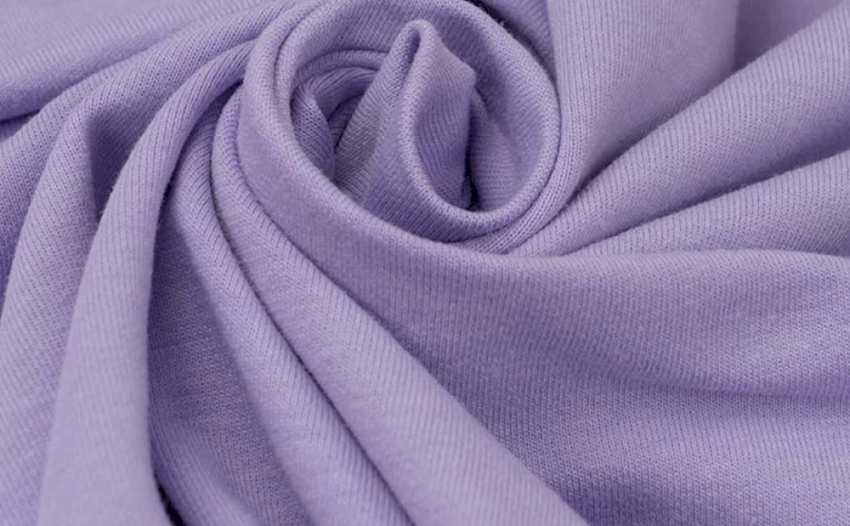
1.4. Fleece
Fleece is a soft, warm, and insulating fabric that can be made from 100% synthetic fibers or a cotton-polyester blend. Its structure is designed to trap heat effectively, providing excellent thermal insulation without feeling overly heavy. The fabric is durable, resistant to wrinkles, and maintains its shape well, making it ideal for hoodies that need both comfort and long-lasting performance.
This material is best suited for cozy, warm hoodies, especially in colder weather or for outdoor activities where insulation is important. It is commonly used in casual wear, athleisure, and performance hoodies designed for active use. Typical fabric weights range from 250 GSM to 350 GSM, allowing manufacturers to select the appropriate thickness for either lightweight warmth or extra insulation.
1.5. Sustainable and Recycled Options
Sustainability is a growing priority, driving manufacturers to seek out environmentally responsible alternatives for hoodie production.
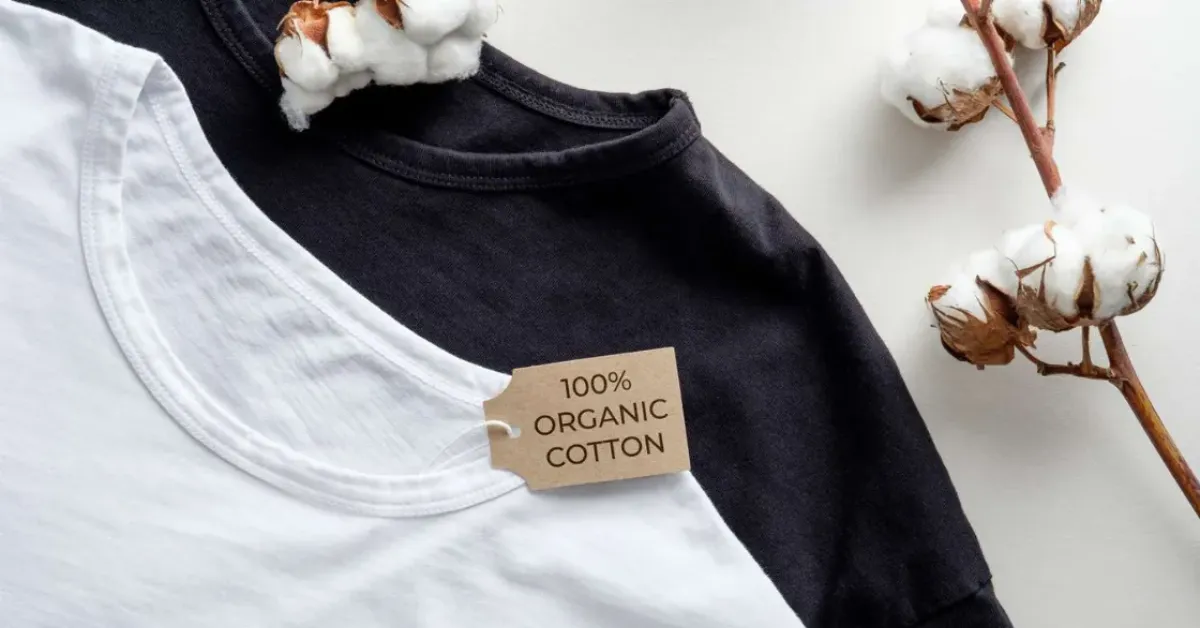
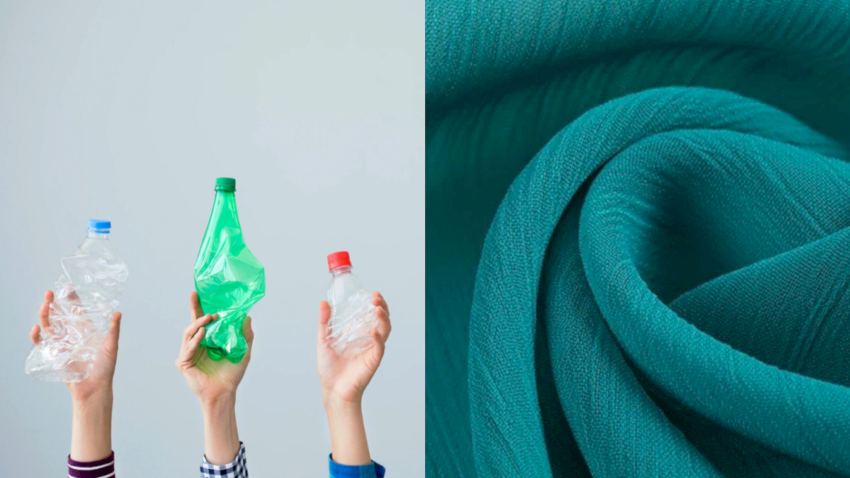
Recycled polyester (rPET) is widely used, offering similar performance benefits to virgin polyester while being made from plastic waste. For brands prioritizing natural fabrics, organic cotton certified by GOTS or OCS is a popular choice due to its softness, breathability, and plant-based origin. Recycled cotton can also help reduce reliance on virgin raw materials while preserving many of cotton’s familiar comfort properties.
Additionally, Modal and Tencel (Lyocell), made from wood pulp, offer exceptional softness, drape, and breathability, often replacing standard Rayon or cotton in premium sustainable blends.
These options are primarily chosen by brands targeting conscious consumers and are often certified by bodies like the Global Recycled Standard (GRS). Weights mirror their conventional counterparts but may carry a higher initial cost.
When working with a hoodie manufacturer, it is important to choose partners with experience, a strong network of traceable sustainable fabrics, and proper certifications. At Thygesen, we maintain a wide network of trusted, certified material suppliers and hold relevant certifications, enabling us to meet your requirements across key fibers.
2. Common Fabric Blends for Hoodie Manufacturing
Blending materials allows manufacturers to combine the best qualities of different fibers, enhancing the overall performance, comfort, and durability of hoodies.
2.1. Cotton-Polyester Blends
Cotton and polyester are blended to combine the best qualities of both fibers. Cotton provides natural softness and breathability, while polyester adds strength, durability, and wrinkle resistance. This combination ensures hoodies remain comfortable against the skin while maintaining shape and lasting through repeated wear.
Popular ratios are 50/50 for a balanced feel between comfort and durability, and 65/35 for greater durability while still retaining softness. These blends are cost-effective and versatile, ideal for everyday casual wear and mid-range athleisure products.
2.2. Cotton-Fleece Blends (with Spandex or Polyester)
Cotton is blended with fleece, often combined with spandex or polyester, to achieve the ideal balance of softness, warmth, and durability. Cotton provides natural comfort and breathability, while fleece adds insulation and a cozy hand feel. When polyester is included, it enhances strength, durability, and color retention, and spandex contributes stretch and flexibility, making the hoodie more comfortable for movement.
Common ratios vary depending on the intended use, with cotton often forming the majority of the blend for softness, while polyester or spandex typically ranges from 5–35% to add durability or elasticity. These blends are particularly suited for cold-weather hoodies, activewear, and athleisure pieces, offering warmth, comfort, and resilience while maintaining a flexible fit and a polished appearance.
2.3. Cotton-Polyester-Elastane Blend
Elastane is added to cotton-polyester blends to introduce stretch and flexibility. This combination allows hoodies to move with the body without losing shape, making them suitable for activewear and fitted styles.
Typical ratio is 65/35/5 cotton-polyester-elastane, balancing durability, softness, and elasticity. These blends are perfect for performance-oriented or premium athleisure hoodies, where mobility, comfort, and garment resilience are important. Brands developing performance hoodies should work with an experienced athletic clothing manufacturer that understands stretch ratios, recovery, moisture management, and garment construction for active movement.
2.4 Sustainable Blends
Sustainable fabrics are often blended to combine environmental responsibility with comfort, durability, and functionality. Organic cotton, recycled polyester (rPET), Tencel (Lyocell), and hemp each have unique qualities, but blending them can enhance softness, strength, stretch, and moisture management while maintaining eco-friendly credentials.
For example, Organic Cotton is often blended with recycled polyester or Tencel to improve durability, color retention, and softness, while spandex may be added to provide stretch and flexibility for activewear or fitted hoodies.
Recycled polyester is frequently blended with cotton or Tencel to create fabrics that are soft, breathable, and long-lasting while keeping production sustainable. Tencel and hemp can also be blended with cotton or other natural fibers to reduce stiffness, improve hand feel, and maintain strength, making them suitable for everyday wear or athleisure collections.
Common ratios vary depending on priorities: blends typically contain 60-80% natural sustainable fibers with 20-40% recycled polyester or small amounts of spandex for performance, flexibility, or durability. These sustainable blends are ideal for hoodies targeting conscious consumers, offering the perfect combination of comfort, resilience, eco-friendliness, and style.
3. Things to Consider When Brand Choosing Fabric for Hoodie Collection
Selecting a fabric is not merely a technical choice; it is a strategic marketing decision that directly impacts the garment’s target demographic, price point, and perceived value. Brands must balance technical performance (warmth, durability) with aesthetic requirements (hand-feel, drape) and ethical sourcing. Experienced cut and sew manufacturers can also evaluate how fabric weight, stretch, shrinkage, and surface texture affect pattern cutting, seam construction, decoration, and the final fit of a hoodie.
The table below outlines key considerations, providing actionable insights for aligning your material choice with your brand’s core values and market positioning.
| Consideration | Key Insight for Brands | Fabric Choice Impact |
| Target Market & Price Point | High-end/Premium markets require materials with superior softness (e.g., Tri-Blend, Ringspun Cotton, Modal) to justify a higher cost. | Cost: Pure Cotton and specialized blends increase cost. Poly-Cotton is ideal for budget/mass market collections. |
| Garment Function & Wear | The intended use (Gym, Casual, Outdoor) dictates technical needs like moisture-wicking and insulation. | Activewear: Requires Polyester/Spandex blends (quick-dry, high stretch). Loungewear: Prioritizes Cotton Fleece or Bamboo Viscose (softness). |
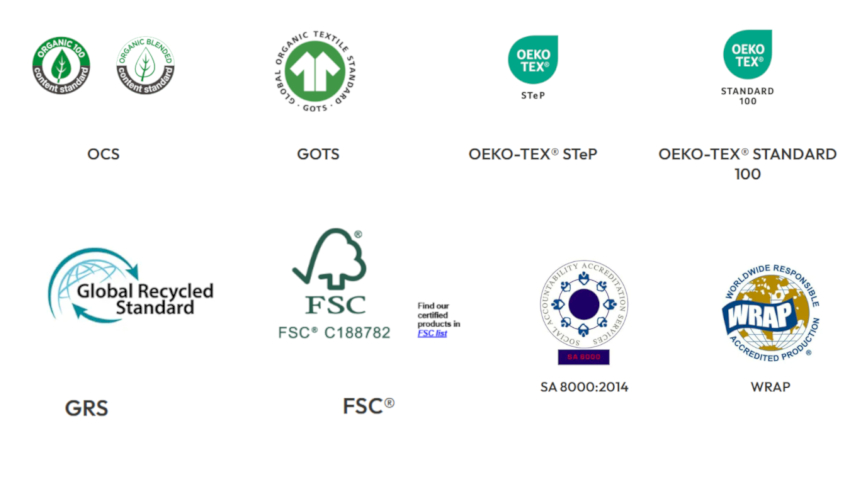
| Sustainability & Traceability | Modern consumers demand eco-conscious sourcing. Brands must ensure full supply chain traceability and certification. | Prioritize Organic Cotton (GOTS/OCS) or Recycled Polyester (GRS). Manufacturers must provide valid certifications. |
| Print Quality & Decoration | The fabric surface determines the quality of final graphics (screen printing, embroidery). | Smooth Surfaces (e.g., French Terry or CVC blends) hold prints better. Heavy Fleece is best for deep embroidery. |
| Drape, Hand-Feel, & Shrinkage | The “feel” of the fabric is crucial for customer retention. Shrinkage must be minimized for sizing consistency. | Rayon/Modal offers the best drape. Polyester blends minimize shrinkage. Use pre-shrunk cotton for classic styles. |
These fabric considerations also influence the garment manufacturing process. Experienced cut and sew manufacturers can assess how fabric weight, stretch, shrinkage, drape, and surface structure affect pattern development, cutting accuracy, seam construction, decoration methods, and the final fit of a hoodie. Working with the right manufacturing partner helps brands identify potential production risks early and ensure that the selected fabric performs consistently from sampling to bulk production.
4. How Thygesen Helps Guide Fabric Selection for Hoodie Manufacturing
As one of the experienced hoodie manufacturers serving global brands, Thygesen combines a strong textile background with extensive hoodie production expertise. Our material knowledge allows us to help brands select fabrics that align with their product positioning, performance requirements, and target costs.
4.1. Fabric Consultation Based on Your Needs and Budget
At Thygesen, we understand that every brand has its own priorities, product vision, and financial framework. That’s why our approach always begins with listening, identifying what you truly need in terms of comfort, performance, sustainability, and target price. With decades of experience across diverse markets, we use our technical knowledge to guide you toward fabric solutions that balance quality, functionality, and cost-effectiveness.
Whether your goal is to achieve premium softness, high durability, sustainable certification, or simply the best price-to-performance ratio, we help you compare different material options and blends so you can make confident decisions.
Finding the right fabric is not just about meeting specifications, it’s about creating a solution that fits your brand’s needs AND your budget without compromising your core priorities.
4.2. Sourcing Fabrics According to Your Requirements
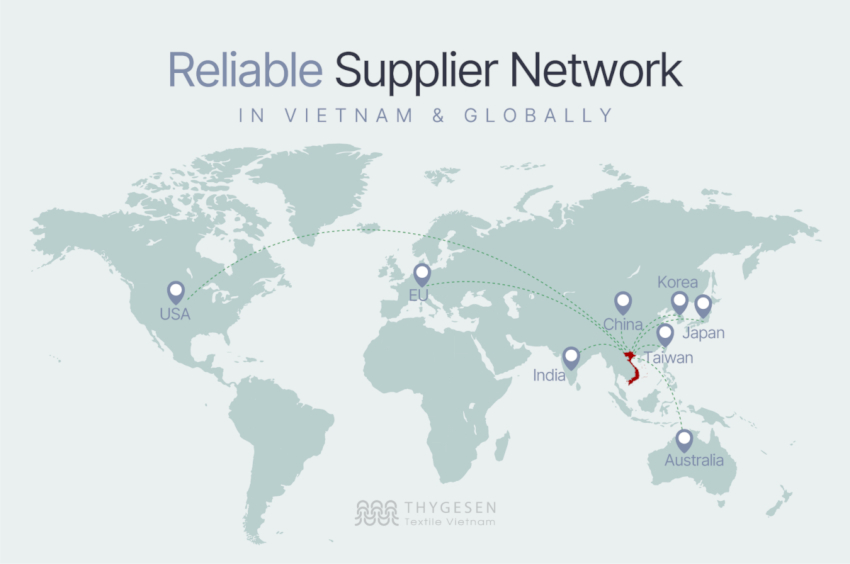
If you have specific preferences for GSM, texture, fiber content, or certifications, Thygesen can source the fabrics you need through our wide global supplier network. We work with reliable mills across China, Taiwan, Korea, Malaysia, the EU, USA etc., giving you access to multiple options in terms of quality, pricing, and lead time.
Moreover, because brands often worry about duty rates and sourcing origins, we also provide guidance on import tax implications from different countries. This helps you choose the most suitable and cost-efficient fabric source while still meeting your product requirements and compliance standards.
4.3. Developing New Fabrics Upon Request
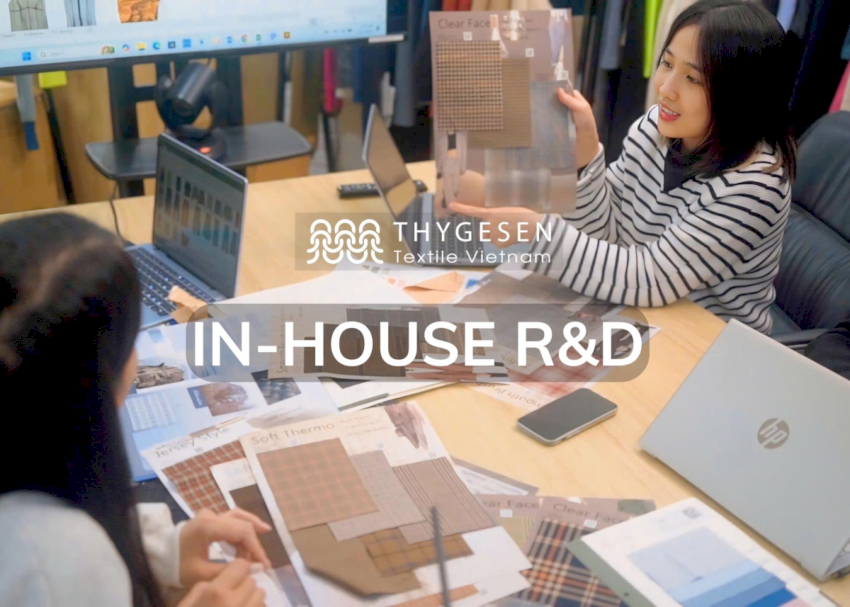
Our in-house R&D team is ready to invest time and resources into developing innovative, high-performance, and responsible fabrics based on your requests.
We work closely with our trusted supplier network to explore new fabric compositions, blends, and finishes, enabling the rapid development of customized materials that align with market demands and your brand priorities. This collaborative approach ensures access to a wide range of high-quality options while leveraging our deep knowledge of material performance, certifications, and trends.
Looking ahead, our long-term roadmap includes establishing our own knitting and dyeing facility in Vietnam by 2028, creating a fully vertical supply chain. This investment will allow us to enhance control over quality, innovation, and sustainability, while continuing to provide brands with tailored fabric solutions that combine technical excellence with creative potential.
4.4. Providing Certified and Sustainable Fabric Options
Thygesen advises and encourages brands to choose certified and sustainable fabric options, including organic cotton, bamboo, TENCEL™, ECOVERO™, hemp, recycled polyester, and recycled nylon. We ensure that these materials and products can meet international standards such as GOTS, OCS, GRS, OEKO-TEX Standard 100, and FSC, helping brands make responsible choices with confidence.
By guiding brands toward sustainable materials, we support eco-conscious initiatives while maintaining the performance, comfort, and quality expected from premium hoodies. Whether the goal is to reduce environmental impact, satisfy consumer demand for sustainability, or achieve specific certifications, Thygesen provides expert advice and practical solutions to integrate these fabrics effectively into your product line.
In conclusion, choosing the right hoodie fabric types is essential to create products that are comfortable, durable, and stylish. By partnering with Thygesen, we can advise and guide your brand on selecting the most suitable fabrics, helping bring your designs to life while ensuring quality, sustainability, and market appeal. Learn more at thygesenapparel.com or contact us at: sale@thygesen.com.vn.