stretchFleece fabrics are widely used in modern apparel. In the guide below, we’ll take a closer look at what fleece fabric is, how it is made, its advantages, common applications, and the key factors brands should consider when choosing a fleece clothing manufacturer for production.
>>>For brands seeking a specialized streetwear manufacturer, Thygesen leverages extensive fabric knowledge, including advanced fleece options, to develop innovative collections. Thygesen provides flexible production capabilities from small batches to large-scale orders, ensuring your fleece-based streetwear meets market demands efficiently. Thygesen guides brands through material selection and production to achieve desired garment aesthetics and performance.
1. What Is Fleece Fabric?
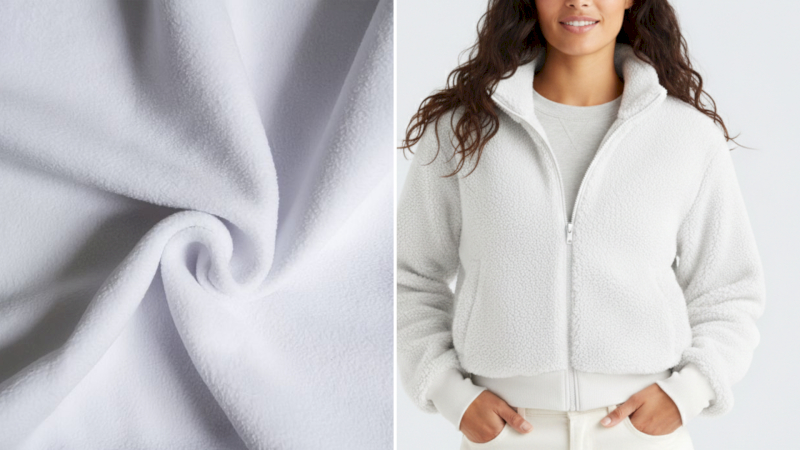
Fleece fabric is a soft, lightweight textile designed to provide warmth and comfort. Originally developed as a modern alternative to wool, fleece is known for its plush texture and insulating properties, making it a popular choice for cold-weather clothing and casual wear.
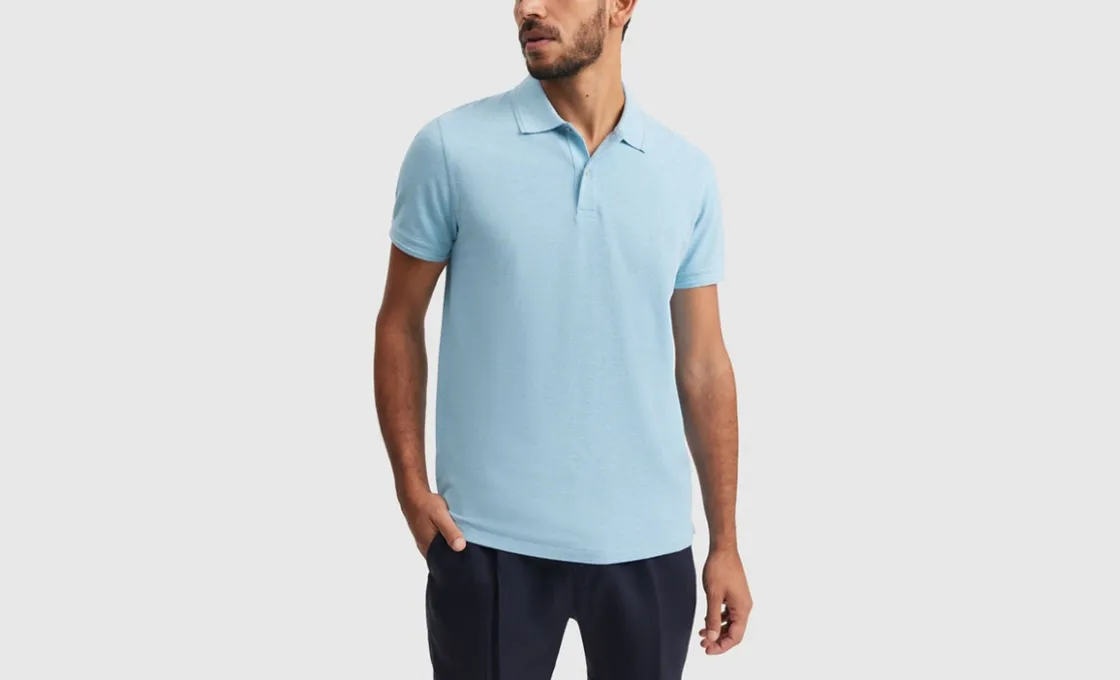
>>> Beyond fleece, exploring what is pique fabric can provide further insight into the diverse world of textiles, known for its textured, breathable surface often used in polo shirts.
Typically made from synthetic fibers such as polyester, fleece is created through a knitting process and then brushed to raise the surface fibers. This brushing creates tiny air pockets that trap heat while still allowing the fabric to remain breathable. As a result, fleece offers an excellent balance between warmth and lightness.
Thanks to its versatility and easy-care nature, fleece fabric is widely used in jackets, hoodies, sweatshirts, blankets, and outdoor apparel. It dries quickly, resists shrinking, and retains its softness over time, making it a practical and comfortable fabric for everyday and performance-oriented applications.
>>>When selecting a t shirt manufacturer, ensuring material consistency and ethical production standards is paramount for brand integrity. Thygesen provides complete supply chain transparency, from responsibly sourced fibers to the finished product, including fabric varieties that complement fleece-based lines or standalone garments. This integrated approach minimizes sourcing risks and ensures compliance for all apparel categories.
2. How Fleece Fabric Is Made
The comfort and performance of fleece don’t happen by accident. Its warmth, softness, and lightweight structure are the result of a carefully controlled manufacturing process that transforms simple fibers into a highly functional fabric. Below is a closer look at how fleece fabric is made:
- Fiber Creation: Fleece fabric usually begins with polyester fibers, which are made by melting plastic chips and pushing the liquid material through tiny holes called spinnerets. Once cooled, these long filaments are stretched and spun into yarns, giving the fabric its strength and durability.
- Knitting: The polyester yarns are then knitted – rather than woven – into a lightweight, open-structured fabric. Circular knitting machines are commonly used to create large, continuous sheets with natural stretch and breathability.
>>> While fleece is a knitted fabric, understanding what is a woven fabric helps highlight the structural differences that give each textile its unique properties and applications.
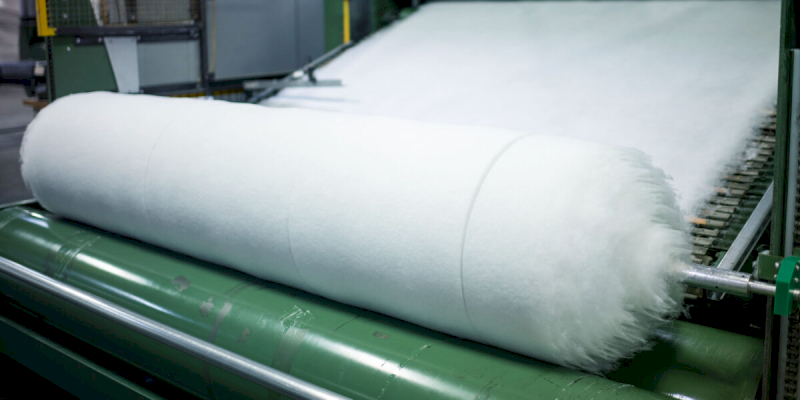
- Brushing (Napping): Next, the knitted fabric passes through brushing or napping machines fitted with fine wire brushes. This process gently pulls the fibers to the surface, creating the signature soft, fuzzy layer that traps air and provides thermal insulation.
- Shearing: After brushing, the fabric is carefully sheared to an even thickness. This step controls the pile height, improves the fabric’s appearance, and ensures a consistent, smooth hand feel.
- Finishing: In the final stage, the fleece may undergo additional treatments such as durable water repellent (DWR), flame resistance, or heat setting. These finishing processes enhance performance, help the fabric retain its shape, and improve its suitability for outdoor and activewear applications.
>>> For brands seeking high-performance apparel, Thygesen is among the experienced athletic apparel manufacturers known for stringent quality management systems and internationally recognized certifications. Thygesen’s deep expertise in technical fabrics, including advanced fleece constructions, ensures each piece offers superior functionality like warmth, breathability, and moisture management crucial for activewear. Companies choose Thygesen for producing apparel that meets both demanding performance criteria and the highest safety standards.
3. Key Benefits of Fleece Fabric
Fleece remains a popular choice across fashion and functional apparel for good reason. Below are the main advantages that make fleece suitable for everything from everyday basics to functional and outdoor garments:
- Superior Warmth and Insulation: The brushed and napped surface of fleece lifts fine fibers to create thousands of tiny air pockets within the fabric. These air pockets trap body heat and act as a natural thermal barrier, helping the wearer stay warm even in cold or windy conditions. This makes fleece especially suitable for outerwear, mid-layers, and winter apparel.
- Lightweight and Comfortable: Despite its excellent insulating performance, fleece is much lighter than traditional cold-weather fabrics like wool or heavy knits. The low weight reduces bulk and allows for greater freedom of movement, making fleece comfortable for layering, travel, and all-day wear without feeling restrictive.
- Moisture-Wicking and Quick-Drying: Fleece fabric does not absorb moisture into the fiber itself. Instead, it moves sweat away from the skin to the fabric’s surface, where it can evaporate quickly. This moisture-wicking behavior helps keep the wearer dry and comfortable during sports, outdoor activities, or temperature changes.
- Breathability: Thanks to its knitted structure, fleece allows air to flow through the fabric more easily than tightly woven materials. This breathability helps regulate body temperature, preventing overheating during physical exertion while still maintaining warmth when activity levels drop.
- Durability and Easy Care: Fleece is designed to withstand repeated wear and washing without losing its shape or performance. It resists abrasion and tearing, dries quickly after washing, and requires minimal maintenance, making it a practical choice for everyday clothing and performance garments.
- Soft and Hypoallergenic: The soft, plush texture of fleece feels gentle against the skin and provides a cozy wearing experience. Unlike wool, it does not cause itching or irritation, making it a suitable option for people with sensitive skin or allergies.
- Sustainable Options Available: Many modern fleece fabrics are produced using recycled polyester, often made from post-consumer plastic bottles. This approach helps reduce plastic waste and lowers the environmental impact of textile production, offering brands a more sustainable material solution.

>>>Selecting the right partner from various hoodie manufacturers involves evaluating capabilities in material innovation and responsiveness to design briefs. Thygesen works closely with product managers and designers to develop custom fleece fabrics and garment styles, ensuring quick turnaround times for samples and production. Establishing a long-term partnership with Thygesen means gaining a collaborator dedicated to evolving your product lines with market-relevant, high-quality fleece apparel.
4. Common Types of Fleece Fabric
Fleece is not a single, uniform material but a broad category that includes several variations, each with distinct characteristics and end uses. Below are the most common types of fleece fabric:
- Polar Fleece (Standard Polyester Fleece): Polar fleece is the most widely used and recognizable type of fleece fabric on the market. It is lightweight yet highly insulating, thanks to its brushed surface that traps warm air effectively. This type of fleece is also durable and easy to care for, making it a popular choice for outdoor jackets, vests, hoodies, and mid-layer garments.
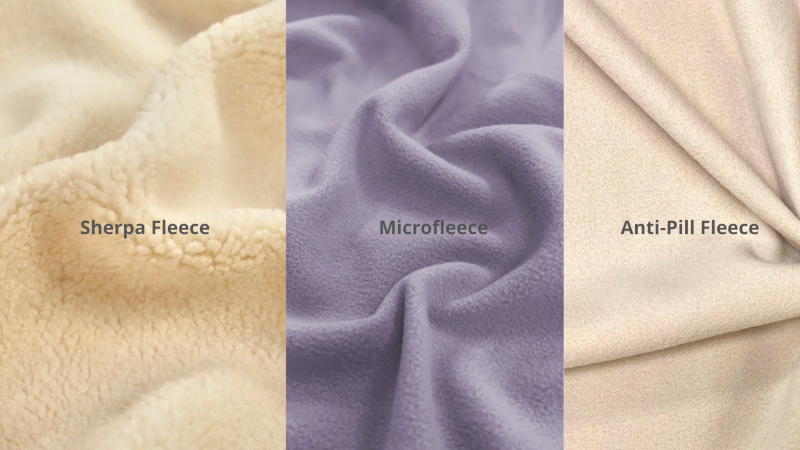
- Microfleece: Microfleece is a thinner and lighter version of traditional fleece, usually weighing under 200 gsm. Its fine structure allows for better breathability and moisture-wicking, helping regulate body temperature during high-intensity activities. Because of its smooth and lightweight feel, microfleece is commonly used for performance apparel, base layers, and as lining in jackets.
>>> To truly understand how fabric weight impacts garment performance and quality, delve into What Is GSM In Fabrics & Why Does It Matter? The Complete Guide.
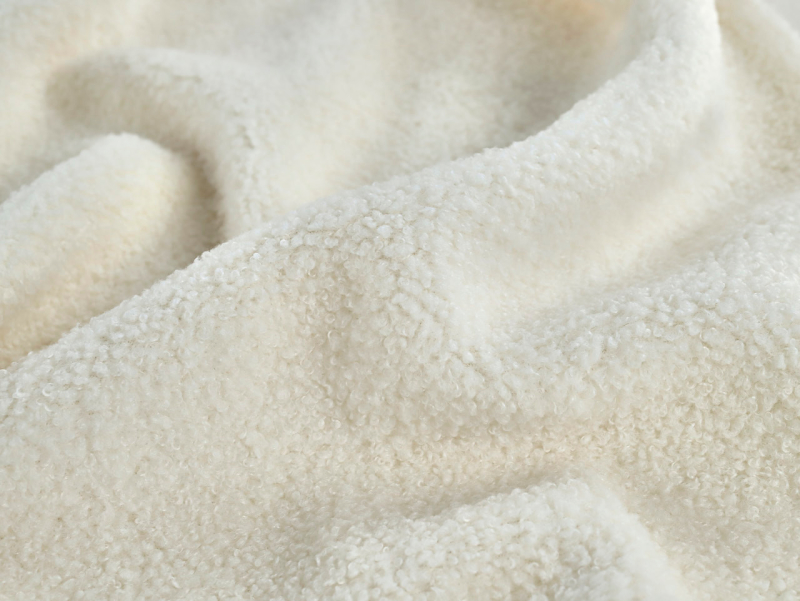
- Sherpa Fleece: Sherpa fleece is a thick, plush fabric designed to resemble the look and feel of sheep’s wool. It offers exceptional warmth and a cozy hand feel, making it ideal for cold-weather garments. Sherpa fleece is often used in jackets, sweatshirts, loungewear, and blankets where comfort and insulation are the top priorities.
- Anti-Pill/Polartec Fleece: Anti-pill fleece, including premium options like Polartec fleece, is engineered to minimize the formation of fiber balls on the fabric surface after repeated washing. This results in a cleaner appearance and longer-lasting performance over time. It is commonly used in high-quality outdoor and activewear products where durability and long-term aesthetics are essential.
5. Common Applications of Fleece Fabric in the Fashion Industry
Fleece is commonly used throughout the fashion industry thanks to its warmth, comfort, and flexible construction. Its structure allows it to be adapted for different climates, uses, and garment types across a wide range of apparel categories
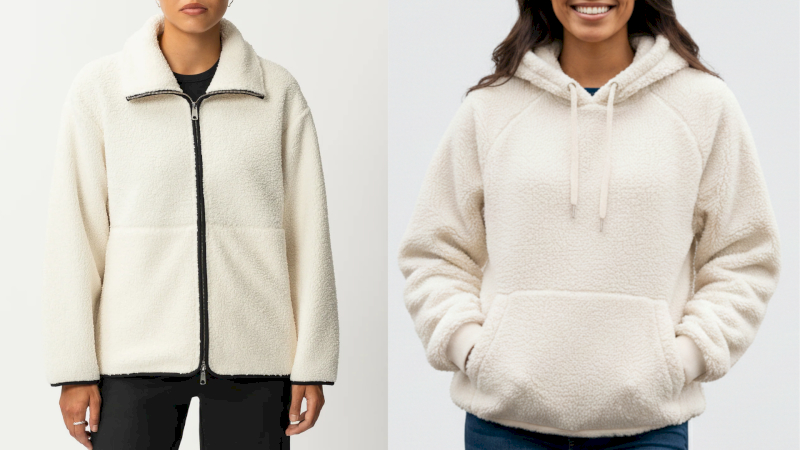
- Outerwear and Performance Jackets: Fleece is widely used in jackets, pullovers, and vests, especially as a mid-layer for cold weather. It provides reliable warmth while still allowing airflow, making it suitable for outdoor activities such as hiking and skiing. In recent years, fleece has also become popular in urban fashion, appearing in oversized jackets and sherpa-style designs.
- Athleisure and Loungewear: Thanks to its soft feel and warmth, fleece is a key fabric in athleisure and loungewear collections. It is commonly used for hoodies, sweatshirts, and sweatpants designed for everyday comfort. These garments are often worn both at home and outdoors, combining relaxed comfort with modern, casual styling.
- Layering Pieces and Linings: Lightweight fleece, especially microfleece, is often used as inner layers or linings in garments. It adds warmth without extra bulk, making it ideal for jackets, coats, and thermal layers. This application is particularly important in cold climates, where effective layering improves comfort and temperature control.
6. Key Considerations When Producing Fleece Garments
Choosing the right fleece fabric goes beyond softness and warmth. Understanding these considerations helps brands make informed material decisions that align with product function, customer expectations, and long-term quality standards.
- Fabric Selection and Preparation: Selecting the right type and weight of fleece is critical to achieving the intended performance and look of the garment. Different applications require different fleece structures, from lightweight microfleece for layering to heavier polar or anti-pill fleece for outerwear. Attention should also be paid to fabric nap direction, pre-washing to ensure stability, and overall quality factors such as density, softness, and pilling resistance.
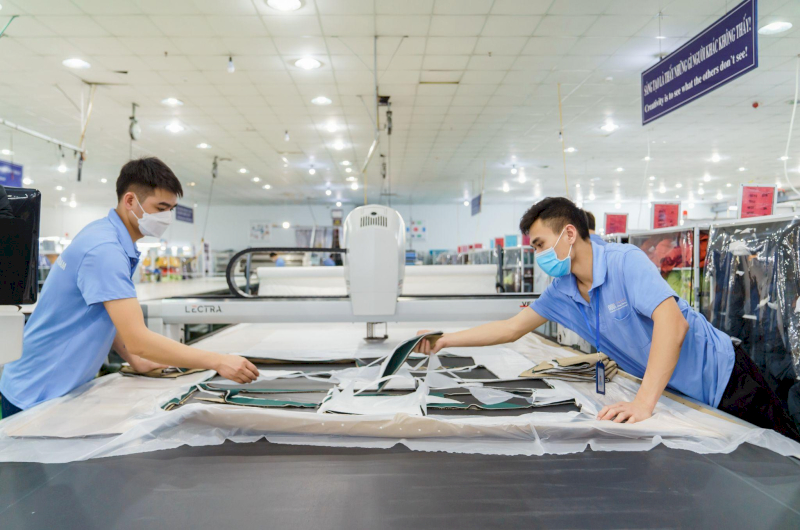
- Cutting and Construction Techniques: Fleece requires specific cutting and sewing techniques due to its thickness and knit structure. Sharp cutting tools help achieve clean edges, while construction methods should focus on reducing seam bulk for comfort. Using appropriate needles, stitch types, and stitch lengths allows the fabric to stretch naturally without seam damage, and excessive heat during pressing should be avoided to prevent fabric distortion.
- Design, Finishing, and Decoration: While fleece does not fray, thoughtful finishing enhances the garment’s appearance and durability. Reinforced zipper areas, controlled edge finishes, and careful placement of embellishments help maintain shape and comfort. Lightweight trims and high-quality polyester threads are recommended to avoid sagging and ensure long-term wear performance.
- Environmental and Production Considerations: Polyester fleece production should account for sustainability and efficiency in manufacturing. Using recycled or certified fleece fabrics can reduce environmental impact, while proper machine maintenance is essential due to lint buildup during sewing. When applying heat transfers or logos, controlled heat and pressure techniques are required to protect the fabric and maintain product quality.
7. Thygesen Textile Vietnam: Your Trusted Partner in Fleece Fabric Sourcing & Garment Manufacturing
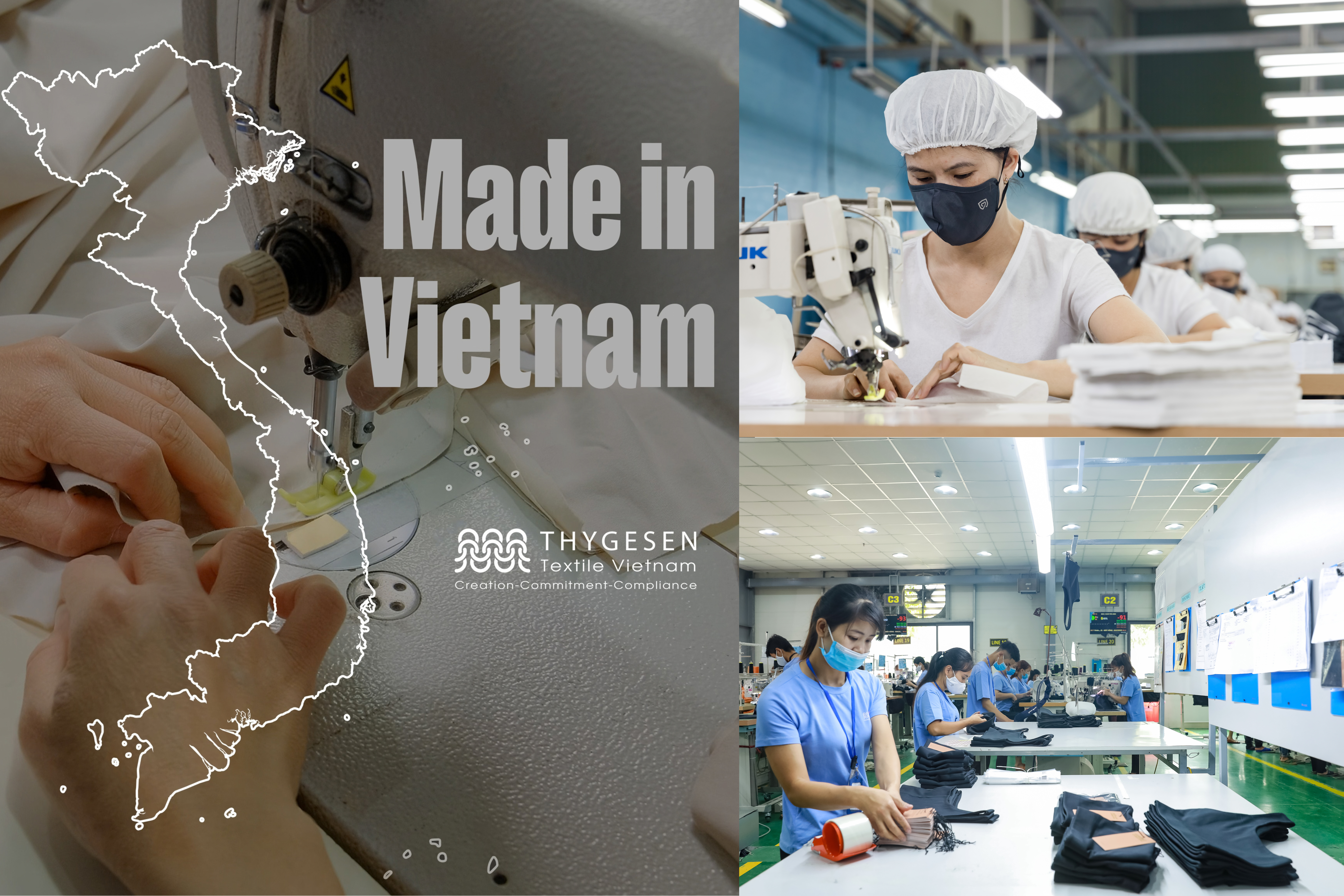
Thygesen Textile Vietnam is an ethical apparel manufacturer in Vietnam, offering full-package garment manufacturing solutions tailored to the needs of international fashion and lifestyle brands as Ninepine, Calvin Klein, Tommy Hilfiger, Girlfriend Collective. With a strong focus on quality, transparency, and responsible production, we support brands from design consultation, to material sourcing, and bulk production.
Our flexible fleece fabric sourcing is backed by a wide and reliable supplier network both domestically and internationally, including partners in China, Taiwan, Japan, Korea, and the EU. This network allows us to source a broad range of fleece fabrics such as polyester fleece, cotton fleece, blended fleece, and recycled fleece to meet different performance, comfort, and design requirements.
In addition, our sourcing partners can provide relevant fabric certifications upon request, including sustainability and safety standards such as GRS, OEKO-TEX®, and other market-specific compliance requirements.
With experience across multiple product categories, Thygesen Textile Vietnam works with a broad range of fleece garments, including hoodies, sweatshirts, fleece jackets, and loungewear. We support brands operating in casualwear, activewear, and outerwear segments, adapting fabric selection and construction to suit each end use.

In conclusion, fleece fabric stands out as a versatile, comfortable, and high-performance material widely used across outerwear, athleisure, and layering garments. Thanks to its warmth, lightweight feel, breathability, and durability, fleece continues to be a reliable choice for both functional and fashion-driven collections.
As a trusted fleece clothing manufacturer, Thygesen Textile Vietnam supports international brands with flexible sourcing, ethical production, and full-package manufacturing solutions. To learn more, visit thygesenapparel.com or contact our team at sale@thygesen.com.vn for sourcing and production inquiries.