Cupro fabric is widely used in premium fashion garments such as dresses, blouses, linings, and tailored pieces offering an elegant look with everyday wearability. To better understand What is cupro fabric and why it is considered a luxury material in fashion, explore our detailed information in this writing.
1. What Is Cupro Fabric?
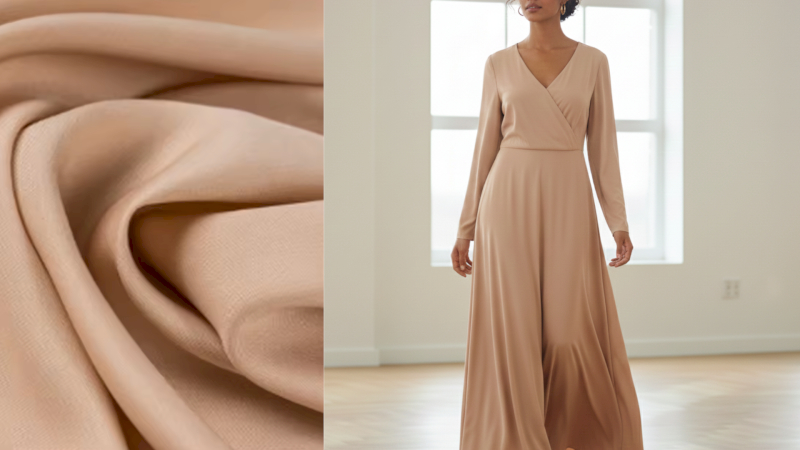
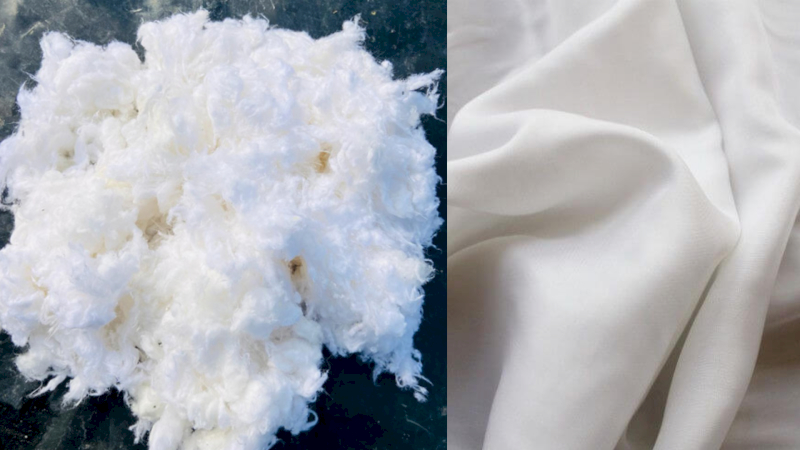
Cupro is a regenerated cellulose fiber that belongs to the rayon family. It is derived from cotton linter – the short fibers left over after cotton is processed. Through a controlled chemical process, these fibers are dissolved, regenerated, and spun into ultra-fine filaments, creating a fabric with a silky handfeel and elegant fluidity.
What makes cupro stand out is its combination of luxury and comfort. It feels cool and smooth against the skin, offers excellent breathability, and drapes softly, making garments appear refined without looking stiff or heavy.
Because it is plant-based and biodegradable, cupro is often positioned as a vegan alternative to silk and a more sustainable option than fully synthetic fibers.
Read more: Common Types of Natural Fabrics Used for Clothing Manufacturing
2. How Cupro Fabric Is Made
Understanding how cupro fabric is produced helps fashion brands appreciate its refined texture, drape, and performance. Although derived from natural sources, cupro undergoes a controlled regeneration process to become a smooth, wearable fabric.
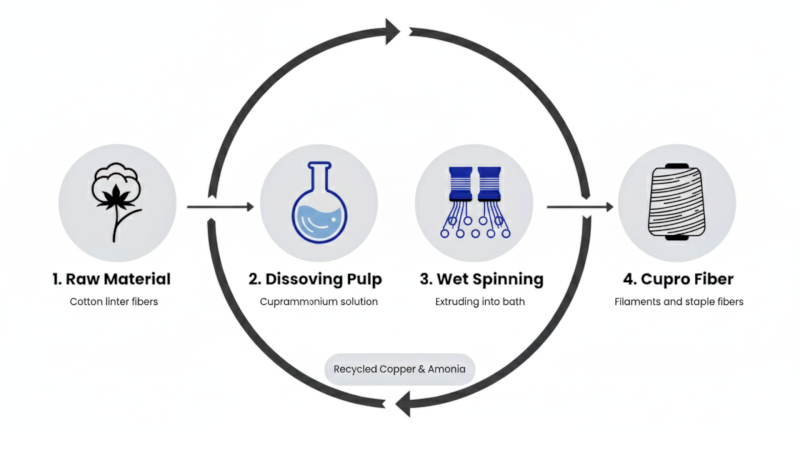
- Source Cellulose: Cupro fabric begins with cotton linters – the short fibers remaining on cottonseeds after ginning. These linters are collected as a byproduct and used as the raw cellulose source.
- Dissolution: The cotton linters are treated with a copper-ammonia solution combined with caustic soda. This process dissolves the cellulose, forming a thick, viscous liquid known as a cuprammonium solution.
- Fiber Extrusion: The liquid cellulose is extruded through fine spinnerets into a chemical bath, typically containing sulfuric acid or sodium hydroxide. This causes the cellulose to solidify into continuous filaments.
- Regeneration & Washing: The filaments are regenerated and thoroughly washed to remove residual chemicals. Through this step, the material is refined back into clean, regenerated cellulose fibers.
- Yarn & Fabric Formation: The regenerated fibers are spun into yarn and then woven or knitted into cupro fabric, which is commonly used as a soft, silk-like material in fashion garments.
In modern facilities, much of this process can be managed in a closed-loop system, helping to minimize environmental impact by recovering and reusing chemicals.
3. Key Benefits of Cupro Fabric
Known for its silky feel and elegant appearance, cupro fabric offers a range of advantages for clothing. Let’s explore its main benefits in detail.
3.1. Luxurious Feel and Aesthetic
Cupro is prized as a luxurious, vegan alternative to silk, providing the elegance of premium fabrics without relying on animal products.
- Silky Texture and Sheen: Cupro feels exceptionally smooth and soft to the touch, with a subtle shine that catches light naturally. This makes it ideal for high-end garments like blouses, dresses, and suit linings, giving a refined, polished appearance.
- Natural Draping: The fabric flows effortlessly with the body’s movements, enhancing the shape and silhouette of garments. Its graceful drape adds sophistication without requiring heavy tailoring or stiffness.
- Vivid Colors: Cupro fibers take up dyes very well, producing deep, vibrant colors that resist fading over time. This ensures garments maintain their luxurious look even after repeated wear and washing.
3.2. Comfort and Performance
Cupro combines elegance with practical qualities, offering comfort in various conditions.
- Breathable and Temperature-Friendly: As a plant-based fiber, cupro allows air to circulate freely, helping regulate body temperature. It keeps wearers cool in warm weather and provides a gentle insulating effect in cooler conditions.
- Moisture-Wicking: Cupro is naturally absorbent and draws moisture away from the skin efficiently. This helps keep the body dry, comfortable, and fresh, even during long hours of wear or in humid climates.
- Gentle on Skin: The fabric is soft, hypoallergenic, and non-irritating, making it perfect for sensitive skin. Additionally, its anti-static properties prevent clinging, ensuring garments move freely and maintain a clean look.
3.3. Sustainable and Responsible
Cupro stands out for its eco-conscious production and renewable, plant-based origins.
- Upcycled Raw Material: Produced from cotton linters, the short fibers left over after cotton processing, cupro repurposes material that would otherwise be discarded. This reduces textile waste and promotes circular use of resources. Biodegradable: Made entirely from plant cellulose, cupro naturally decomposes at the end of its lifecycle without releasing harmful substances, making it a sustainable choice for conscious fashion.
- Eco-Smart Manufacturing: Modern cupro production often uses closed-loop systems that recycle almost all chemicals and water. This minimizes environmental impact while maintaining the high quality and performance of the fabric.
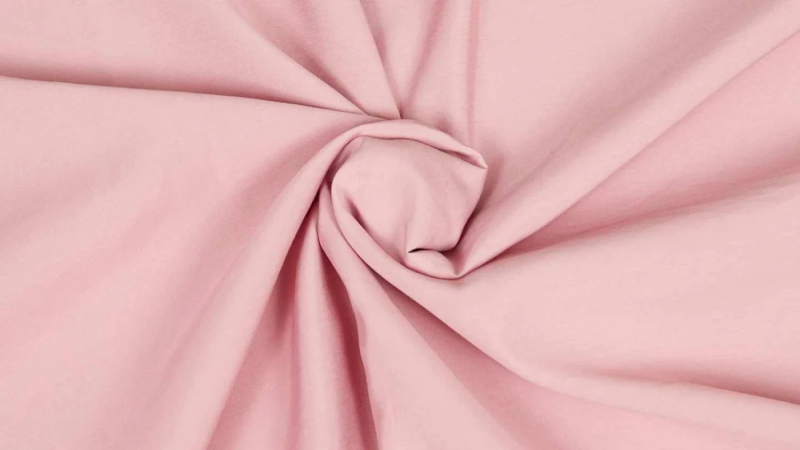
Leveraging the unique drape and feel of fabrics like Cupro in fashion apparel requires a highly capable partner among cut and sew manufacturers. Thygesen offers versatile production capabilities, enabling brands to develop new collections across various product categories with precision and adherence to quality standards.
4. Clothing Items Typically Made with Cupro
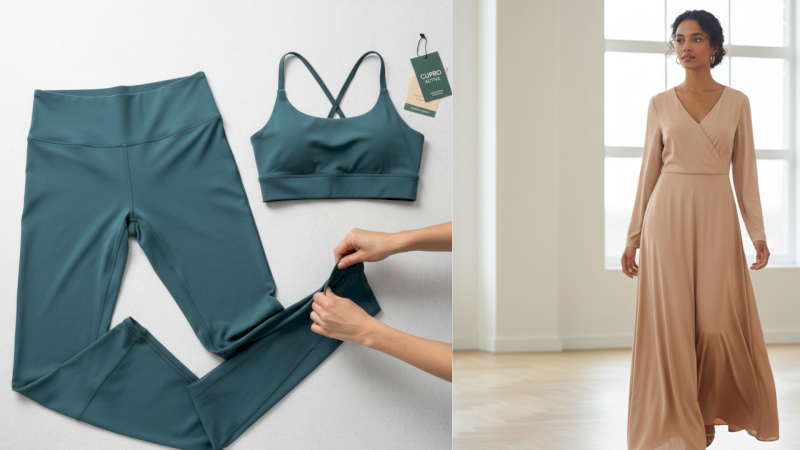
Cupro is often chosen for elegant, flowing garments such as blouses, slip dresses, wrap dresses, skirts, and tailored trousers, thanks to its silky hand feel and natural drape. Its smooth and breathable texture also makes it an excellent option for premium linings in jackets, blazers, and coats.
Beyond formalwear, cupro is used in lingerie, nightwear, scarves, and even some soft activewear pieces, as it is gentle on the skin, moisture-absorbing, and hypoallergenic – qualities that make it a favorite in sustainable and luxury fashion collections. For brands exploring this material in performance and lifestyle products, experienced athletic apparel manufacturers can provide guidance on fabric blends, garment construction, fit, and suitable finishing techniques.
Cupro is frequently used as a 100% fiber fabric for its luxurious feel, but it is also commonly blended with other fibers to enhance performance.
When considering blends to enhance fabric properties, understanding what is a polyester fabric is key, as its durability and elasticity make it a common partner for cupro. Expanding on sustainable material choices, exploring What is Recycled Polyester Fabric? Pros and Cons, Characteristics and – Thygesen Textile Vietnam reveals how brands can incorporate environmentally friendly synthetic options into their collections.
Since cupro alone lacks natural elasticity, it is often mixed with cotton, polyester, spandex, or elastane to add the necessary stretch and improve shape retention. You may also combine cupro with materials like nylon or linen to adjust the fabric’s texture, strength, and overall performance, creating versatile fabrics for a wider range of clothing styles.
5. Thygesen Textile Vietnam: Your Trusted Partner for Cupro Apparel Manufacturing
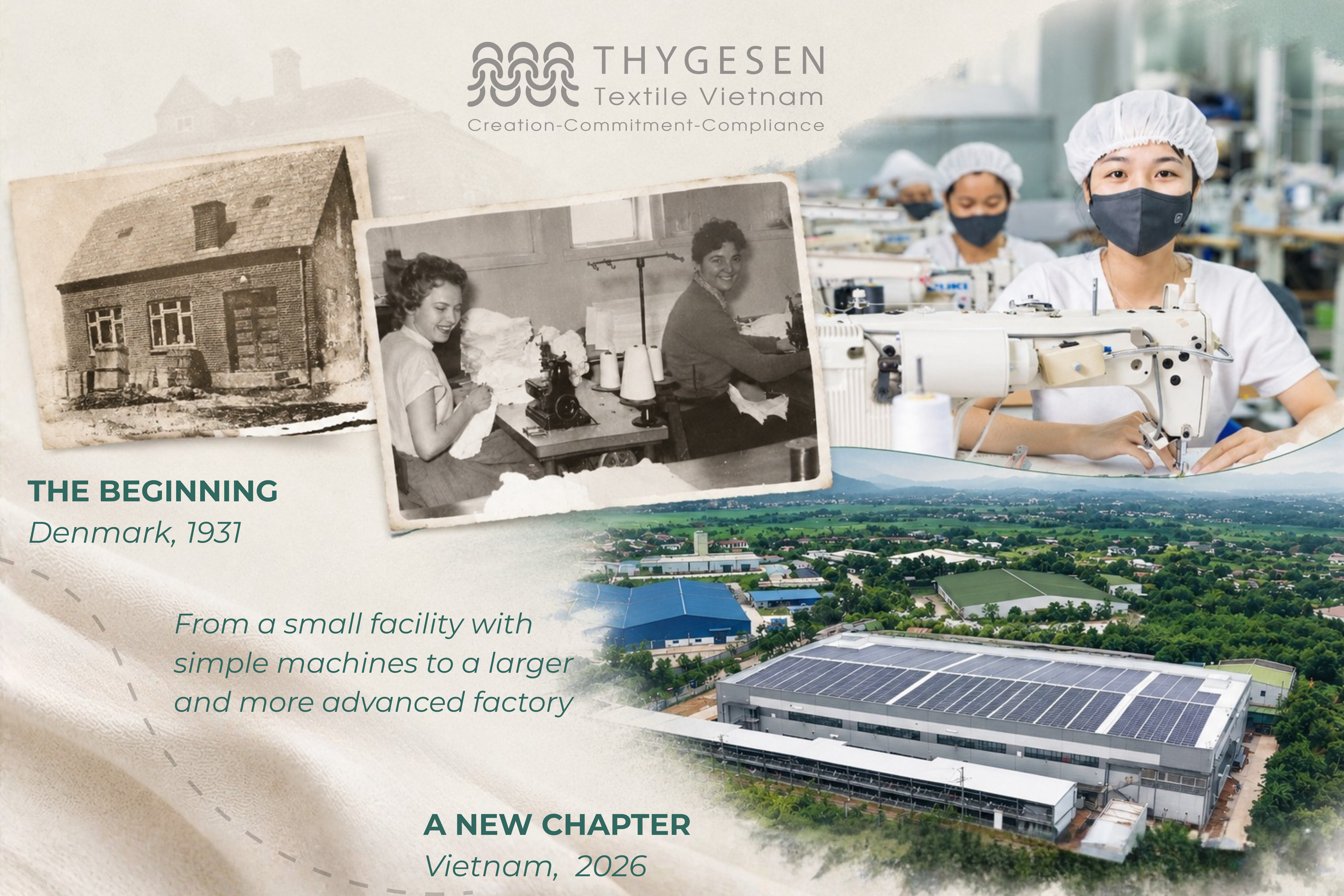
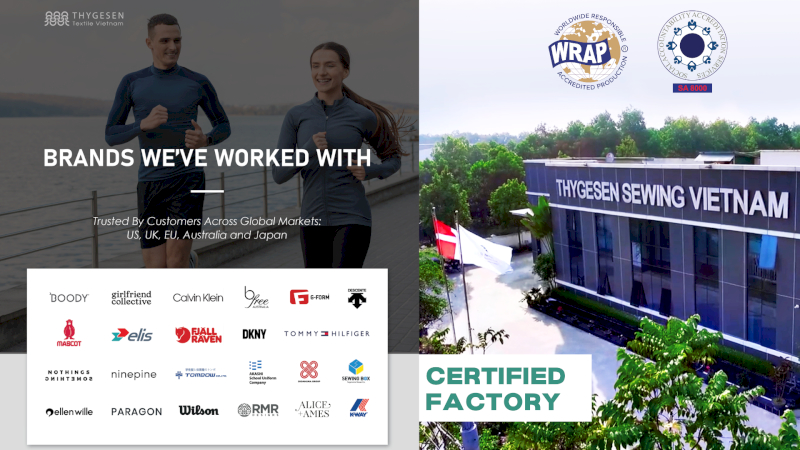
Thygesen Textile Vietnam is an ethical and sustainable apparel manufacturer with over 90 years of experience in the textile industry. We provide full OEM services, covering every stage of production, from fabric sourcing and sampling to manufacturing and final packaging across a variety of product lines, including activewear, casualwear, kidswear, and underwear. Within casualwear, we also serve as a trusted hoodie manufacturer, applying the same rigorous sourcing and quality standards to everyday streetwear essentials.
- Customers: Our expertise and commitment to quality have earned the trust of global brands such as Calvin Klein, Tommy Hilfiger, Girlfriend Collective, Wilson, Boody, Ninepine, and many more.
- Cupro Fabric Sourcing Capabilities: At Thygesen, we support brands with high-quality materials and fully customized developments tailored to specific product needs. With a trusted global sourcing network across Vietnam, Korea, Japan, Taiwan, India, and China, EU, we ensure traceable origins, consistent quality, and flexible solutions at every stage of product development, making it easier to create premium cupro garments efficiently.
- Certifications and Compliance: Our manufacturing processes adhere to international standards for sustainability, safety, and ethical production. Thygesen holds certifications such as ISO 9001:2015, GRS, GOTS, OEKO-TEX STANDARD 100, FSC, and OCS giving brands confidence in the environmental and social responsibility of their cupro apparel.
6. FAQ
What should brands keep in mind when producing cupro apparel?
When manufacturing with cupro, it’s important to handle the fabric carefully due to its delicate nature. The soft, flowing fibers can shrink or wrinkle if not managed properly. Using precise cutting, careful sewing, and appropriate finishing techniques helps maintain its luxurious drape and smooth texture. For certain garments, blending cupro with other fibers can improve durability, stretch, or shape retention.
Is cupro fabric more expensive than other fabrics?
Cupro is positioned in the “Premium Middle Ground” segment, offering a balance between luxury and cost. Compared to silk, cupro is significantly more affordable, often only one-half to one-third the price of high-end silk while providing a similar soft, smooth hand-feel. Compared to viscose or rayon, cupro is about 20%-40% more expensive due to limited cotton linter supply and the cost-intensive closed-loop production process used to minimize environmental impact.
Are there alternative fabrics with similar properties to cupro but more affordable?
If your budget doesn’t allow for 100% cupro, there are several smart alternatives:
- Tencel (Lyocell): Offers excellent drape and smoothness, with moisture-wicking properties similar to cupro. It is slightly more affordable while remaining durable.
- Modal: Extremely soft and glossy, often used in premium t-shirts or lingerie as a cupro substitute, providing a luxurious feel at a more competitive price. Another excellent sustainable option is ecovero fabric, a type of Lenzing viscose known for its eco-responsible production process and soft feel, making it another great alternative.
- Sand-Washed Viscose (Peach-Skin Rayon): After sand-washing, viscose gains a velvety, soft surface reminiscent of cupro but at a significantly lower cost. Its durability and shape retention are slightly lower than cupro.
- Cupro Blends: Combining cupro with cotton or polyester is a common solution, reducing fabric costs by 15-20% while maintaining a subtle sheen and the cool, smooth hand-feel characteristic of cupro.
In conclusion, cupro fabric stands out as a luxurious, sustainable, and versatile material, offering silk-like softness, elegant drape, and excellent breathability for a wide range of fashion garments.
For brands seeking a reliable and experienced partner in cupro apparel manufacturing, Thygesen Textile Vietnam provides ethical, full-package solutions backed by 90 years of expertise and trusted by global brands. Check out our website: thygesenapparel.com or reach out via email at sale@thygesen.com.vn to start a journey together.