In the current “greening” trend, environmentally friendly materials are more popular than ever. Many new sustainable fabrics have been prioritized for production in the fashion sector. However, many people need to learn the concept of what sustainable fabric is and what types are common. The following article will help you understand this concept and related information better.
What is a Sustainable Fabric?
The problems of environmental pollution and waste are getting less and less treatment. But meanwhile, the factors that cause it have remained the same. Waste and environmental issues are still a headache for environmental experts. Sustainable fashion is currently a trending concept in the industry and the environment.
Sustainable fabrics are safe and environmentally friendly materials used as raw materials for designing and manufacturing apparel, accessories, and furniture. It can be fabrics from natural fibers or the skin and fur of animals. They do not go through the stages of adding harmful chemicals like Polyester and nylon on the market today.
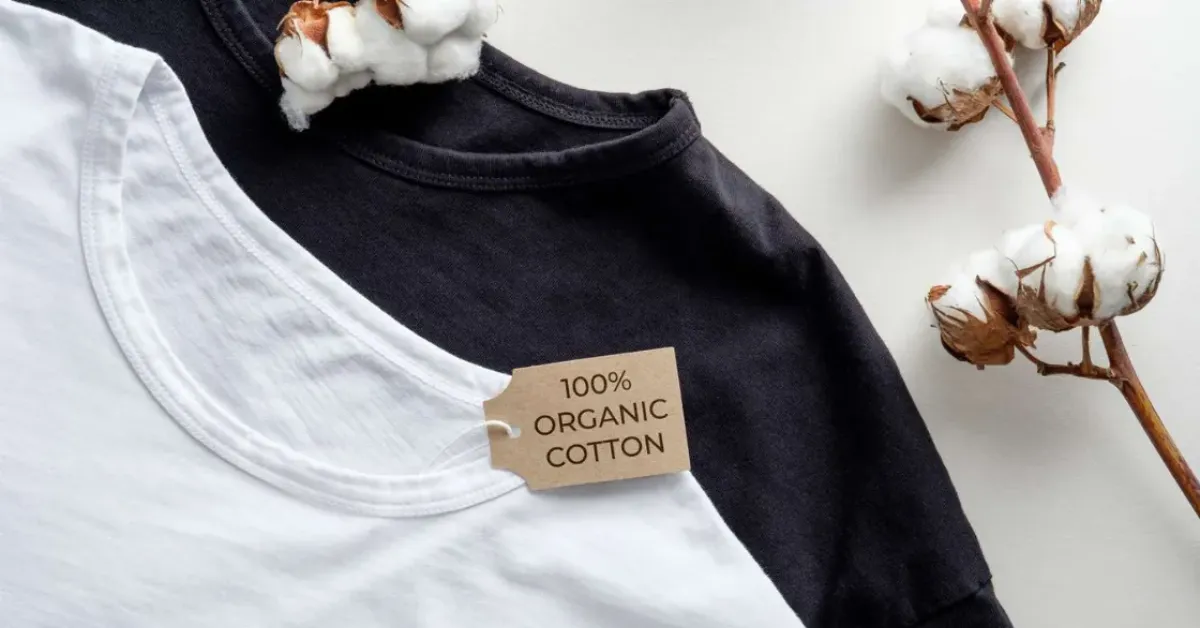
>>> The tangible benefits of organic cotton clothing extend beyond environmental impact, offering superior softness, breathability, and hypoallergenic properties for consumers.
Sustainable fashion products must prioritize using safe, compostable, and recyclable materials. This is an avenue for fashion brands to make more eco-friendly products and also stimulate each person’s environmental protection.
What are the Benefits of Sustainable Fabrics?
The fashion industry is one of the most polluting industries globally, so the search for sustainable, eco-friendly materials is an increasing trend these days. It brings certain benefits that only some are aware of.
Environmental benefits
Sustainable fashion is not only about the products and materials themselves but also the production methods and other factors related to people. The production process of sustainable fashion requires minimizing waste to the environment.
Inputs for fashion products must come from nature. These can be mentioned as wool yarn, silk yarn, bamboo fiber, cotton yarn, and cashmere,… For products of animal origin, only products that can be harvested humanely are allowed. like sheep’s wool, goat’s hair, etc.,
>>> Among these natural materials, cotton fabric remains a perennial favorite due to its versatility, comfort, and widespread availability.
It contributes to minimizing the impact of fashion on the ecosystem. It focuses on recycling, and saving water and natural resources. It aims to use recycled, biodegradable fabrics/fibers, reducing the burden of fashion waste into the environment.
Lasting products
Although there are still many challenges so far, sustainable fashion is indeed the inevitable trend of the future. Sustainable fashion is marking major milestones with the participation of the world’s leading fashion houses.
Sustainable fashion also awakens “consumer responsibility”. An inevitable trend of the future among environmental issues is getting more attention than ever. And deeper is the good humanity and social justice on this planet.
On the customer side, consuming Sustainable fashion products is no exception. Consumers have gradually focused on the practicality and sustainability of clothing, such as: safety, durability, environmental protection, and recyclability.
Therefore, sustainable fashion can create long-lasting products that will last forever and be trusted by more customers. Fashion brands will not need to worry too much about products from sustainable fashion that will not sell but still have a large number of customers.
Improved brand image
Consumers themselves are increasingly concerned about the ethics of the brands they buy. According to an article by Mr. Da niel Langer (2021), CEO of the world’s leading fashion strategy consulting company Equite, Gen Z in the world is becoming the main consumer of fashion, including luxury fashion. Therefore, if a brand invests in sustainable fashion development, it will ensure an improved brand image. Customers will also give more trust and favor to that brand.
Significance for the EU Market
For the European Union, prioritizing sustainable fabrics is transitioning from a business advantage to a regulatory necessity.
The EU’s sweeping legislation, particularly the Ecodesign for Sustainable Products Regulation (ESPR), will soon introduce mandatory minimum levels of recycled content in textiles. By actively using recycled polyester and other circular fibers, manufacturers are already future-proofing their products against these upcoming legal thresholds.
Furthermore, the commitment to materials like organic cotton (grown without harmful chemicals) aligns directly with the EU’s push for eliminating hazardous substances from the textile supply chain, a critical focus of the Digital Product Passport (DPP).
In essence, sustainable material sourcing is the fundamental step manufacturers must take to ensure compliance, traceability, and continued business with brands targeting the highly regulated EU market.
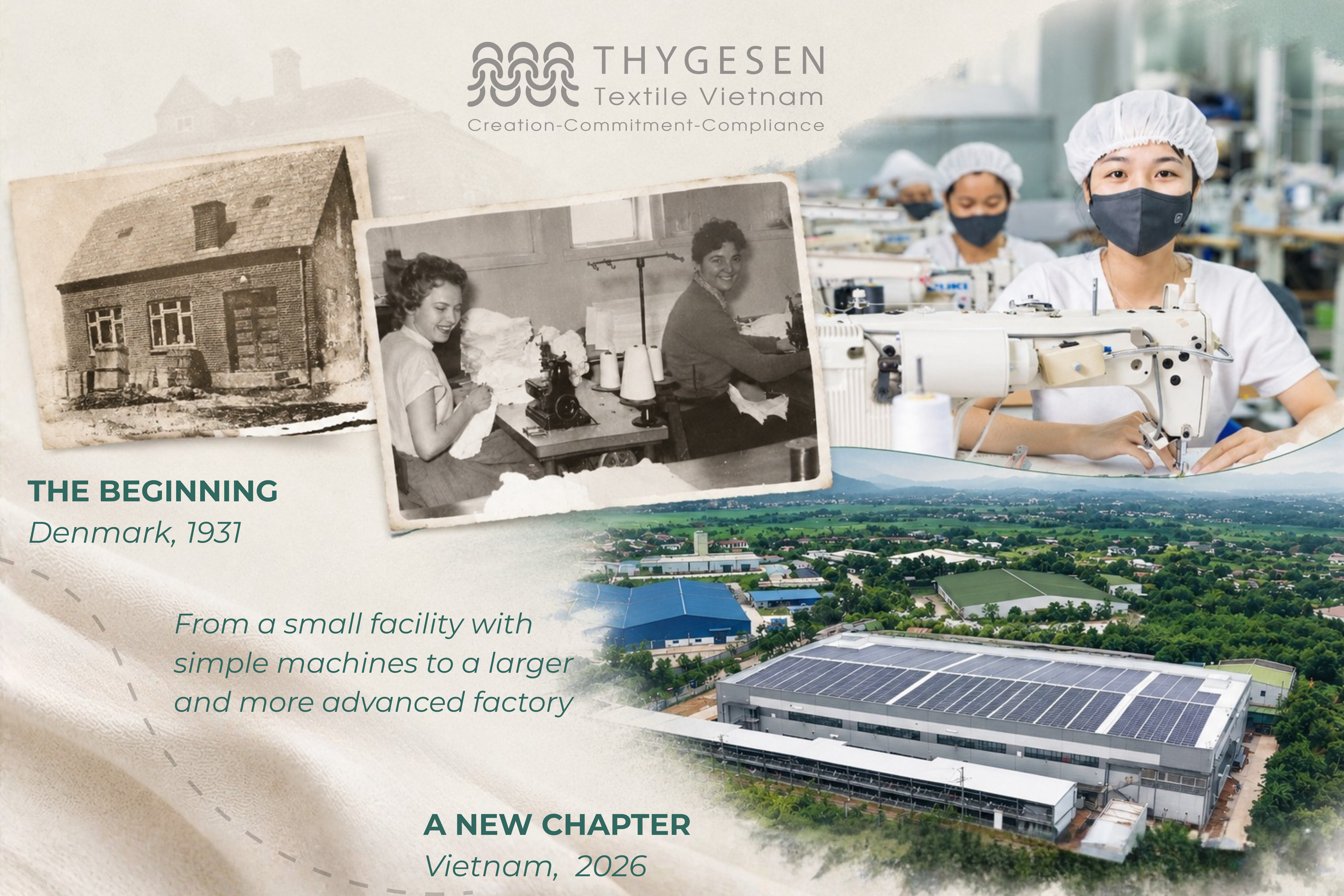
As a clothing manufacturer, Thygesen Textile has a large network of trusted suppliers in Vietnam and worldwide. This ensures we always get the best sustainable materials, have a stable supply, and can fully trace where every fabric comes from, which is crucial for meeting strict global rules.
Popular Types of Sustainable Fabrics?
Bamboo
Bamboo is a regenerative, fast-growing plant that requires no fertilization and is often considered a sustainable material when mechanically treated. However, there are still concerns about a lack of transparency around methods of soil harvesting and extraction and chemical processing. Bamboo fiber is amazingly absorbent, comfortable, and moisture-wicking, making it a favorite with sustainable brands.
Besides, Bamboo is a plant known for its excellent antibacterial and deodorizing properties. According to research, bamboo itself contains “Bamboo Kun” – a natural antibacterial biological compound that helps to deodorize, prevent bacteria, and fight mold. Therefore, bamboo fiber fabric has many times better antibacterial ability than poly and cotton fabrics. Bamboo fiber fabric has also been recognized by the Japan Inspection Association to have sustained antibacterial ability even after fifty washes.
These properties make bamboo a popular choice for cozy, everyday layering pieces — if you’re sourcing this kind of garment, check out our guide to a trusted hoodie manufacturer that works with sustainable materials like this.

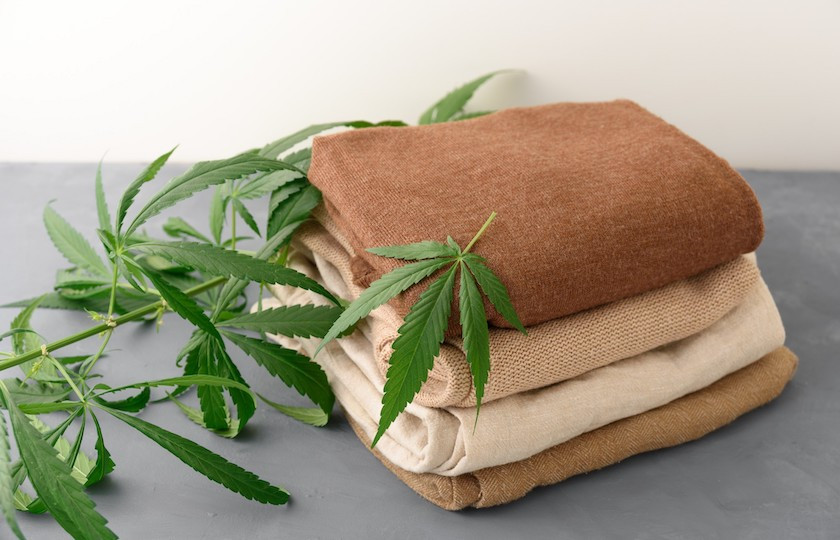
Hemp
Hemp does not require irrigation during growth, is virtually insect-free, and therefore does not require treatment with pesticides. Because it grows so quickly (up to 4 meters in just a few months), weeds don’t get a chance to grow and don’t impede hemp growth and herbicides are unnecessary. Hemp is a natural product, it is 100% compostable, recyclable, and feels very good on the skin.
Hemp fabric provides good support when worn on the skin, although it is stiffer and less elastic than cotton and, therefore, less supple. These properties also cause wrinkling of the material when used in textiles, although this property can also be considered part of the nature of hemp fabrics.
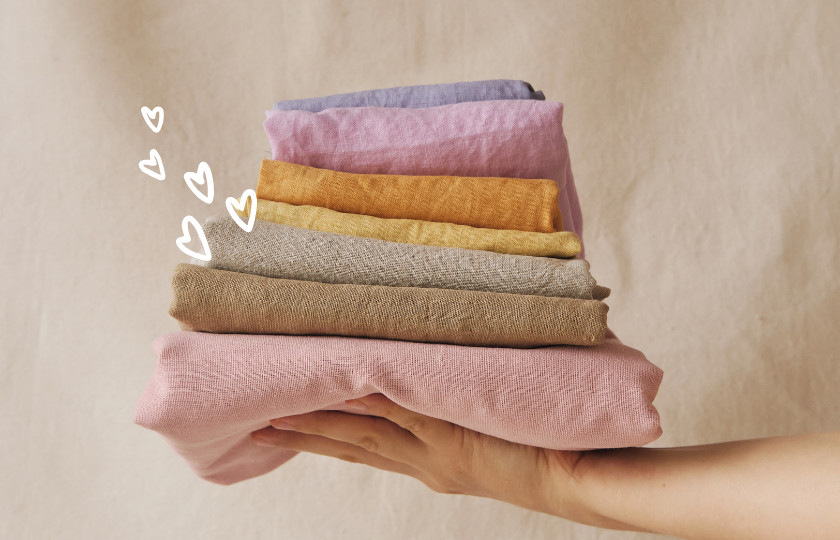
Linen
The cultivation of flax does not harm the soil quality like Cotton because flax has good resistance to pests and diseases can grow in nutrient-poor soil, and can even improve contaminated soil. In addition, Linen material also has high durability, making the life cycle of clothes from Linen relatively longer than Cotton. Therefore, although it does not require a strict production process like Organic Cotton, linen is still considered an environmentally friendly fabric.
Although linen has not had a big impact on fashion, brands are still continuing to improve this material and bring more designs closer to consumers. Brands can completely prioritize choosing and using products from organic linen to contribute to environmental protection.
Tencel
Tencel fiber fabric is one of the materials commonly used in product lines related to the textile industry, daily fashion, and the production of bedding. Up to present, Tencel fabric is evaluated as one of the safe materials for consumer health and environmentally friendly in fashion.
Tencel fabrics are environmentally friendly because of their ability to biodegrade in the soil, so they do not pollute the living environment. The materials used to make the fabric do not use harmful chemicals or solvents that harm human health and the surrounding environment. This fabric does not need to use additional bleach, they are used from natural wood pulps; the production process is closed and can be reused many times. Tencel fabric benefits human health, such as moisture absorption, comfortable wearing, no heat, and hypoallergenic in sensitive skin with high antibacterial ability.
Wool
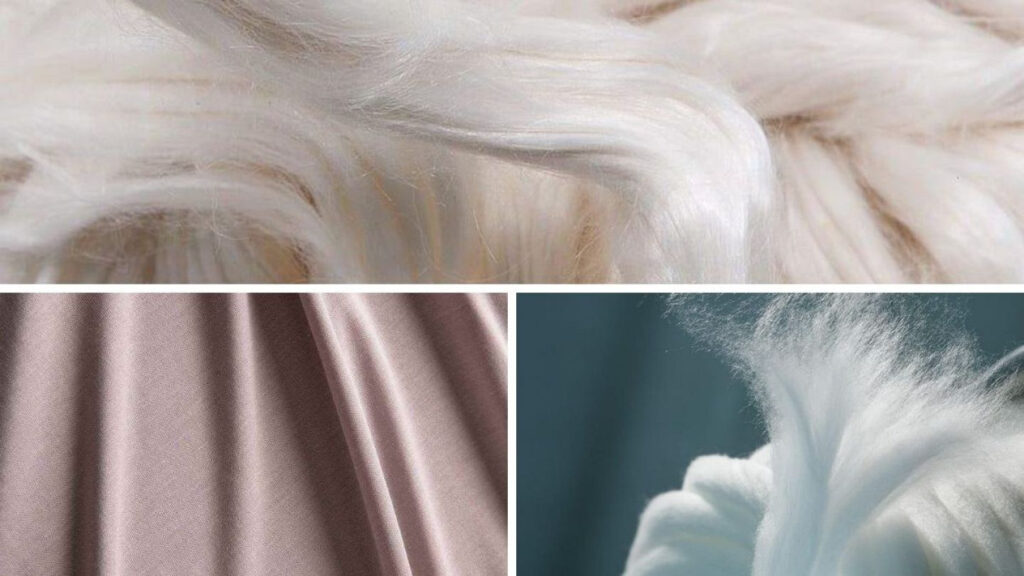
Although not all wool farms can guarantee the quality of welfare, and many animal rights organizations, such as PETA, have condemned the ethical problems of these places, wool is still a substance. Sustainable fabrics need to be developed. They are easily renewable, durable to use, and biodegradable.
In addition, the wool process from wool sequesters more CO2 in the air, helping to reduce the effect this gas can have on global warming. The durability and certainty of this material, are a huge plus: wool can resist fire and water absorption. Therefore, the wool fabric can be worn for a long time over time.
Recycled Polyester
Recycled polyester, instead of using new materials to make the fabric, recycled polyester uses existing plastic.
In many cases, those existing plastics are your old water bottles, which are then magically treated and transformed to create the premium life jacket you wear daily.
Recycled Polyester is a name that is no longer strange to the garment industry in recent years. This is a more sustainable option than its conventional fabric, yet maintains all the properties of polyester. From recycling plastic bottles to reducing greenhouse gas emissions, this is the right product for goods requiring high-performance durability.
Given its durability and performance, recycled polyester is widely used in sportswear production — if this is your focus, explore our roundup of leading athletic clothing manufacturers that specialize in sustainable, high-performance fabrics.
Cost of Sustainable Fabrics – Compare to Normal Fabrics
As a consumer, most people face a balance between needs and budget before making a purchase decision. There will also be a significant difference between sustainable fabrics and conventional fabrics.
Compared with common fabrics, the required cost of sustainable fabrics is more expensive and even about 2 to 4 times more expensive. This is also not surprising given that the benefits of sustainable fabrics are numerous. Besides, to produce sustainable fabrics, manufacturers also have to invest a lot.
An example is given that for organic cotton to be able to return to the level of biodiversity so that it can grow naturally without the use of toxic fertilizers, it needs to be cleaned for at least 3 years. Besides, it also needs to be hand-picked and the growing process is not as efficient as fabrics that use poison. With such an expensive process, sustainable fabrics will naturally have to be higher than conventional fabrics for manufacturers to have enough capital and profit compared to their efforts.
>>> For businesses looking to make informed decisions about their supply chain, understanding Organic Cotton vs Regular Cotton: Key Differences Brands Should Understand is paramount.
Thus, the above article has helped you better understand the concept, benefits as well as sustainable fabrics on the market today. Hopefully, with the information shared above, people will have more knowledge when exploring the fashion field.