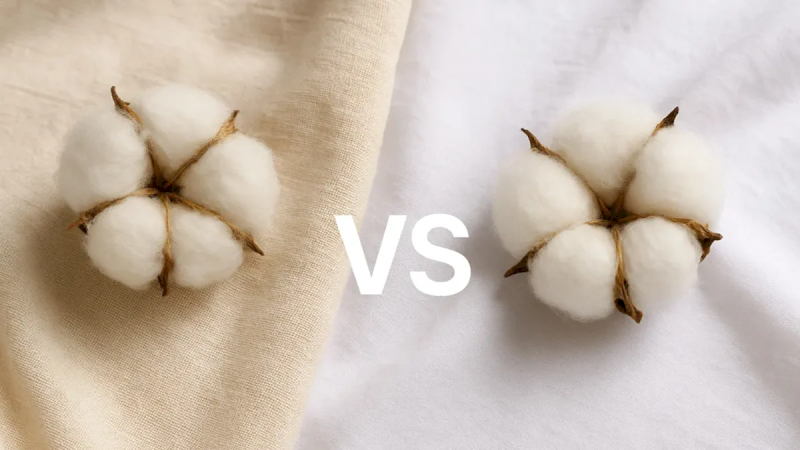
A clear comparison of organic cotton vs. regular cotton helps brands make smarter and more responsible sourcing decisions. Although both fibers are widely used in apparel manufacturing, they differ greatly in how they are grown and the chemicals involved. In this guide, we define organic cotton vs. regular cotton and highlight the key factors that influence sustainability, sourcing strategies, and product value.
1. Definitions of Organic Cotton vs Regular Cotton
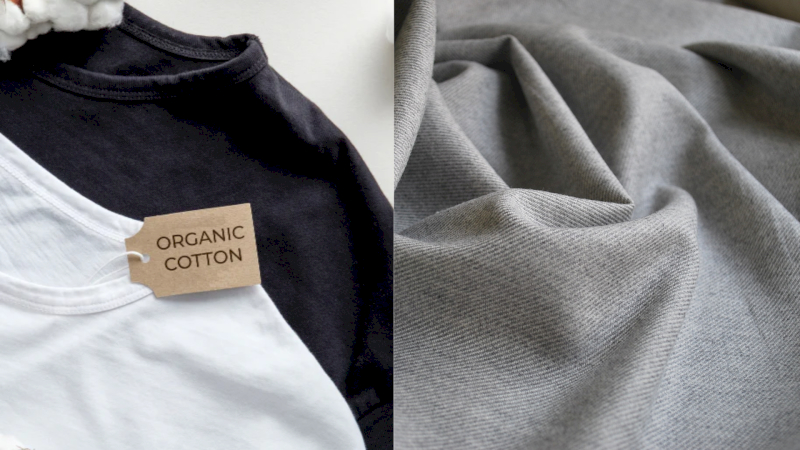
Understanding the difference between organic cotton and regular cotton begins with how each is defined. While both come from the same cotton plant, their farming methods, certifications, and supply chain controls are fundamentally different.
1.1. What Is Organic Cotton?
Organic cotton is cotton grown using natural farming methods instead of synthetic chemicals. Farmers avoid toxic pesticides, artificial fertilizers, and genetically modified seeds, which helps keep the soil, water, and surrounding ecosystems healthier.
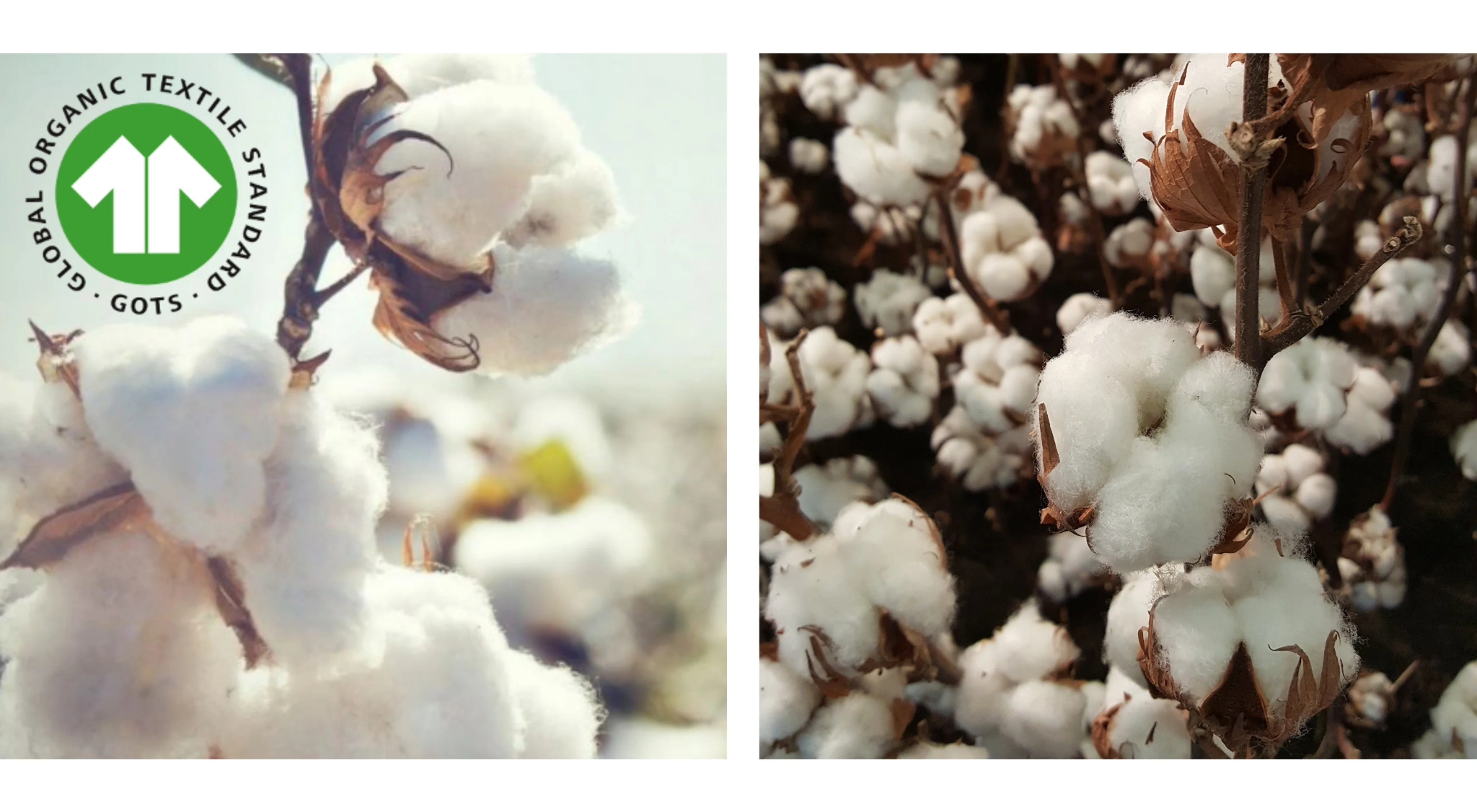
To be labeled as organic, the cotton must follow strict certification standards such as GOTS or OCS. These certifications ensure the fiber can be traced from the farm to the final fabric, giving brands better transparency and supporting more sustainable production.
1.2. What Is Regular Cotton?
Regular cotton, also known as conventional cotton, is grown using modern farming methods that focus on high yield and fast production. This often includes the use of synthetic fertilizers, pesticides, and advanced irrigation systems to protect crops and increase efficiency.
It is widely available and cost-effective, which makes it a common choice for many apparel products. However, its production usually has less strict traceability and a higher environmental impact compared to organic cotton.
Want to dive deeper into cotton types, fiber characteristics, and how to choose the right material for your products? Read the full article: What is Cotton Fabric? A complete guide to 4 types of Cotton Fabric and Its Characteristics to explore everything you need to know.
2. The Process of Growing and Processing Organic Cotton vs Regular Cotton
While spinning, knitting, and weaving processes are similar after harvesting, the agricultural stage differs significantly between organic and regular cotton.
2.1. The Process of Growing Organic Cotton
Conventional cotton farming follows a production-focused process designed to maximize yield and efficiency. From soil preparation to crop protection, each stage relies on modern machinery, chemical inputs, and advanced seed technology to ensure stable and large-scale output.
- Soil Conversion & Preparation: Before certification, the land must go through a 2–3 year transition period to remove residues from synthetic chemicals. This allows the soil to recover and meet organic farming standards.
- Seed Selection (Non-GMO): Farmers use only natural, non-genetically modified seeds. This helps maintain biodiversity and keeps the farming system aligned with organic requirements.
- Soil Fertility Management: Instead of chemical fertilizers, natural inputs like compost, manure, cow dung, and vermicompost are used. These materials feed the soil and support long-term fertility.
- Crop Rotation & Diversification: Cotton is planted together with or after crops such as legumes. This improves soil structure, restores nutrients, and reduces the risk of pests and diseases.
- Natural Pest & Weed Control – Pest Control: Beneficial insects, companion plants, and natural solutions like neem oil are used to control pests. These methods protect the crop without harming the environment.
- Natural Pest & Weed Control – Weed Control: Weeds are removed by hand or with simple tools rather than herbicides. This makes the process more labor-intensive but safer for the soil and farmers.
- Water Management: Organic cotton is often rain-fed, and healthier soil can retain moisture more effectively. This can significantly reduce water consumption compared to conventional cotton farming.
- Harvesting: The cotton is usually picked by hand to maintain fiber purity and quality. This also prevents contamination from leaves and other plant residues that can occur with machine harvesting.
These careful farming practices are especially valued by premium brands and experienced pajama manufacturer partners that prioritize skin safety, fabric purity, and long-term product quality.
2.2. The Process of Growing Regular Cotton
Because of its higher yields and fewer restrictions, regular cotton is easier to source at scale and with shorter lead times.
- Soil Preparation: Fields are cleared, tilled, and enriched with fertilizers such as nitrogen, phosphorus, and potassium to support high yields. Pre-emergent herbicides are often applied, and soil testing helps farmers determine the right nutrient levels.
- Planting: Cotton seeds are planted in spring when the soil is warm enough for quick germination. Most conventional farms use genetically modified (GM) seeds to improve pest resistance and crop performance.
- Growth and Development: Seedlings usually emerge within 4-9 days and grow into bushy plants with a deep taproot system. Leaves develop quickly to support photosynthesis, and small flower buds known as squares begin to form.
- Flowering and Boll Development: The squares turn into flowers that change color over time before forming cotton bolls. This stage requires large amounts of water and nutrients, so farmers depend on irrigation and chemical fertilizers to maintain productivity.
- Pest and Weed Management: Synthetic insecticides, pesticides, and herbicides are widely used throughout the season. These inputs protect the crop from insects and weeds that compete for water, light, and nutrients.
Because of these input-intensive practices, some brands are also exploring alternative fibers such as bamboo, often partnering with a specialized bamboo pajama manufacturer to develop more eco-conscious sleepwear collections.
For a comprehensive overview of bamboo as a textile, consult What Is Viscose from Bamboo: A Beginner’s Guide For Fashion Brands to explore its properties and production.
Understanding the many advantages of bamboo fabric can further guide brands in making environmentally conscious choices for their product lines.
To truly appreciate this alternative fiber, it’s essential to understand what is bamboo fabric and its unique characteristics.
3. Environmental Impacts of Organic Cotton vs Regular Cotton
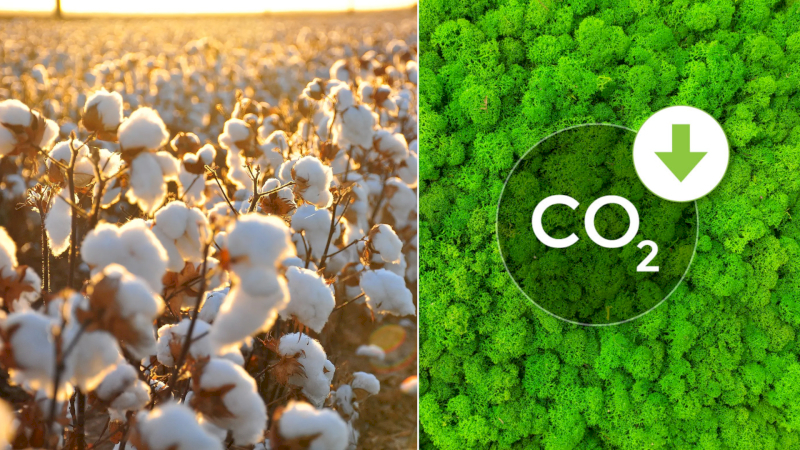
According to Textile Exchange, Organic Cotton is highly valued for its resource efficiency, using significantly less energy and water by relying on natural rainfall and healthy soil management. By avoiding synthetic fertilizers, organic farming supports a balanced ecosystem and promotes biodiversity, making it a preferred choice for brands focusing on regenerative agriculture.
On the other hand, research from the Better Cotton Initiative (BCI) indicates that Regular Cotton relies more on modern irrigation and standardized farming inputs to achieve the high yields needed for global demand. While this efficiency is essential for large-scale production, the industry is increasingly moving toward more sustainable practices to reduce the overall environmental footprint of conventional cotton farming.
4. Fabric Performance of Organic Cotton vs Regular Cotton
While both materials offer natural comfort, Organic Cotton stands out for its superior skin safety and fiber purity, as it is grown without toxic pesticides or synthetic fertilizers. This lack of chemical processing results in a more resilient fiber that maintains its natural wax coating, making the pajamas feel significantly softer and more breathable for infants with ultra-sensitive skin.
In terms of long-term performance, Regular Cotton is often preferred for high-volume manufacturing due to its “laundry-tough” durability and cost-effectiveness in mass production. However, Organic Cotton is increasingly seen as a high-value investment for premium brands; because it isn’t weakened by harsh chemical bleaches, the fabric often resists pilling and thinning better over time, retaining its “like-new” texture even after hundreds of wash cycles.
For brands developing premium casualwear and street-focused collections, partnering with an experienced streetwear manufacturer can help maximize the performance advantages of high-quality cotton fabrics.
5. Cost of Producing Organic Cotton vs Regular Cotton
The production of Organic Cotton typically incurs a 20-30% higher cost due to more labor-intensive farming methods and lower crop yields compared to conventional farming. Furthermore, maintaining strict segregation during the spinning and knitting processes, along with the costs of maintaining international certifications like GOTS, adds a premium price tag that reflects its superior quality and ethical value.
In contrast, Regular Cotton benefits from large-scale industrial efficiency and cheaper chemical treatments, making it the more budget-friendly option for mass-market pajama lines. However, while the upfront material cost is lower, brands are increasingly shifting toward organic blends to capture the premium market, as modern customers are often willing to pay a higher retail price for the safety and sustainability of organic products.
| Aspect | Organic Cotton | Regular Cotton |
| Definition | Grown using natural farming methods, without synthetic pesticides, fertilizers, or GMOs; certified by GOTS, OCS. | Grown with modern farming techniques, using synthetic fertilizers, pesticides, and GM seeds for high yield; widely available and cost-effective. |
| Farming & Processing | Natural & labor-intensive: 2–3 year soil conversion, non-GMO seeds, organic fertilizers, crop rotation, natural pest & weed control, hand-picked. | Industrial & efficient: chemical fertilizers, GM seeds, irrigation, mechanized harvesting. |
| Environmental Impact | Eco-friendly: lower water and energy use, promotes biodiversity, supports regenerative agriculture. | High-volume efficiency: high yield with modern inputs, higher environmental footprint, though sustainability initiatives are emerging. |
| Fabric Performance | Skin-safe, soft, breathable, naturally resilient, less pilling, long-lasting; ideal for babywear, underwear, premium casualwear. | Durable, laundry-tough, cost-effective, suited for mass production, T-shirts, hoodies, polos, casual basics. |
| Cost | Typically 20–30% higher due to labor-intensive farming, lower yield, and certification costs. | Lower cost thanks to industrial-scale efficiency and chemical treatments. |
| Suitable Products | Babywear, kidswear, underwear, lifestyle casualwear, premium items. | Everyday apparel, casualwear, basics, mass-market items. |
| Brand Trend | Increasingly preferred by brands to emphasize sustainability, skin safety, and eco-consciousness. | Still common for mass-market production, but brands are shifting toward organic blends for premium offerings. |
For brands building out casualwear lines with regular cotton, partnering with a reliable hoodie manufacturer is a practical next step. There are several experienced hoodie manufacturers available that specialize in quality bulk production for global brands.
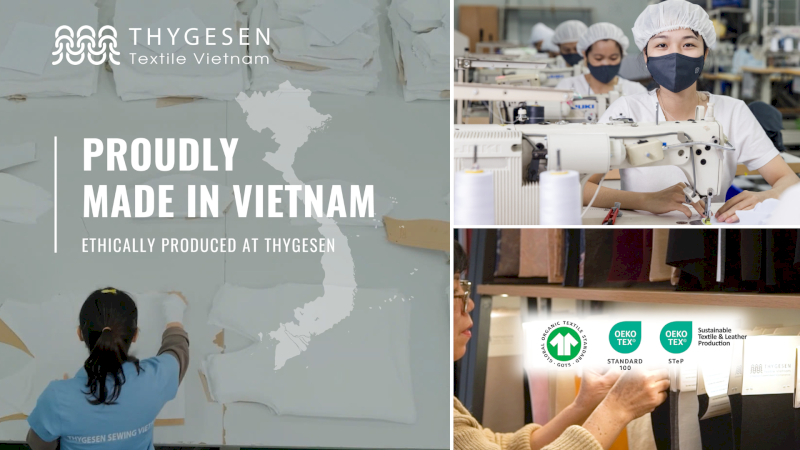
6. Partnering With Thygesen Textile Vietnam for Cotton Garment Manufacturing
We combine decades of experience with a reliable network to deliver high-quality cotton apparel for global brands. Our strengths include:
- Extensive and Reliable Sourcing: We can source organic cotton, regular cotton, and blended fabrics, with a wide and trusted supplier network. Certifications such as OEKO-TEX, GOTS, GRS, FSC, and OCS are available upon request.
- Trusted by Global Brands: Collaborating with international brands including Calvin Klein, Tommy Hilfiger, Boody, Ninepm, Wilsonm, Tomboy X, Girlfriend Collective, and Little Sleepies.
- Comprehensive Product Expertise: Manufacturing a wide range of cotton products from activewear, casualwear, to underwear, ensuring deep understanding of fabric performance. For brands developing stretch-focused activewear, working with a trusted legging manufacturer ensures the right balance of fabric, fit, and private-label quality. Brands can explore a list of legging manufacturers to find partners experienced in performance-driven bottom-wear production.
- Fabric Selection Consultation: Offering expert guidance on fabric choice to optimize comfort, durability, and production feasibility.
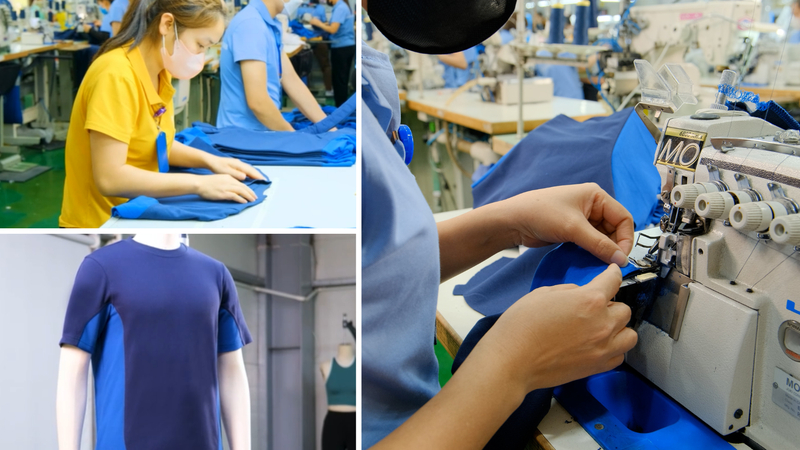
- Sample, Pattern, and Bulk Production: Efficiently managing sample development, pattern making, and large-scale production while maintaining strict quality standards.
>> Efficiently managing sample development, pattern making, and large-scale production while maintaining strict quality standards. This full-package approach follows the cut and sew manufacturing model – a production method where fabrics are precisely cut and assembled into finished garments. Brands looking for reliable cut and sew manufacturers can find a curated list of vetted partners to support their sourcing decisions.
7. FAQ
Which product categories are best suited for regular cotton?
Regular cotton is ideal for everyday apparel, casualwear, basics, and large-scale mass production. It offers durability, affordability, and versatility, making it perfect for T-shirts, hoodies, polos, and casual bottoms. For brands seeking scalable production, working with an experienced athletic clothing manufacturer or reliable t shirt manufacturer can help ensure consistent quality and efficient bulk output.
Which product categories are best suited for organic cotton?
Organic cotton is best for premium, eco-conscious, and skin-sensitive products, such as babywear, kidswear, underwear, and lifestyle casualwear. It emphasizes safety, softness, and sustainability while maintaining high-quality comfort.
Are brands favoring organic cotton more nowadays, and why?
Yes. More brands are choosing organic cotton because consumers increasingly care about sustainability, environmental impact, and product safety. Using organic cotton helps brands enhance their eco-friendly image, appeal to conscious consumers, and offer safer products for sensitive skin.
In conclusion, organic cotton offers softness, breathability, and skin safety, making it perfect for premium and sensitive-skin products, while regular cotton provides durability and cost-efficiency, ideal for mass-market basics and casualwear.
At Thygesen Vietnam, we combine over 90 years of textile expertise, reliable sourcing, and full-package manufacturing to help brands create high-quality, durable, and eco-conscious cotton apparel. Partner with us to bring your designs to life efficiently and responsibly. Check our website: thygesenapparel.com or email: sale@thygesen.com.vn for more information.