As the world’s third-largest apparel exporter, after China and Bangladesh, Vietnam is targeting US$47-48 billion in textile and garment exports. The country’s apparel industry is undergoing a strategic transformation to strengthen its position in the global market, moving beyond traditional manufacturing toward higher-value production, broader product capabilities, stronger regional supply chains, and more demanding compliance and sustainability standards.
Moving Beyond Cut-and-Sew: Upgrading Business Models
Historically, Vietnamese manufacturers depended heavily on the Cut-Make-Trim (CMT) model. Under this setup, international buyers provided all design specifications and raw materials, while local plants simply cut, stitched, and packed the final products for slim profit margins.
To capture greater value, suppliers are actively transitioning toward comprehensive manufacturing frameworks:
- FOB (Free on Board): Factories take charge of purchasing raw materials, handling logistics, and managing production.
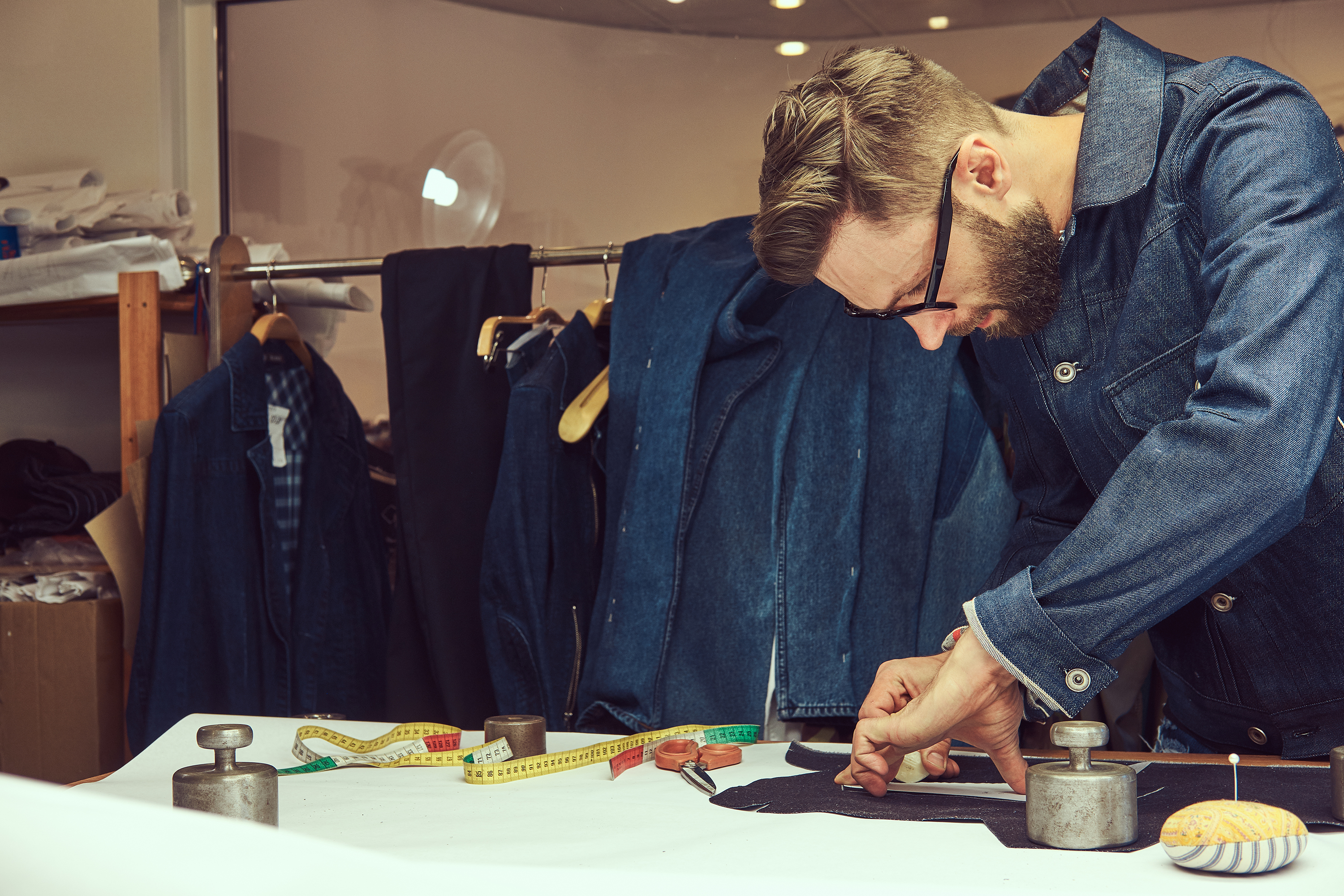
- OEM and ODM (Original Design Manufacturing): Manufacturers provide full-scale design assistance, pattern development, and material innovation to clients.
- Full Package Solutions: Suppliers manage the entire product lifecycle from initial design to final delivery.
This shift allows manufacturers to offer complete production solutions, building deeper relationships with fashion brands while securing higher margins.
Expanding Product Lines for Specialized Demand
Vietnam’s manufacturing capabilities are also expanding across a wider range of apparel products.
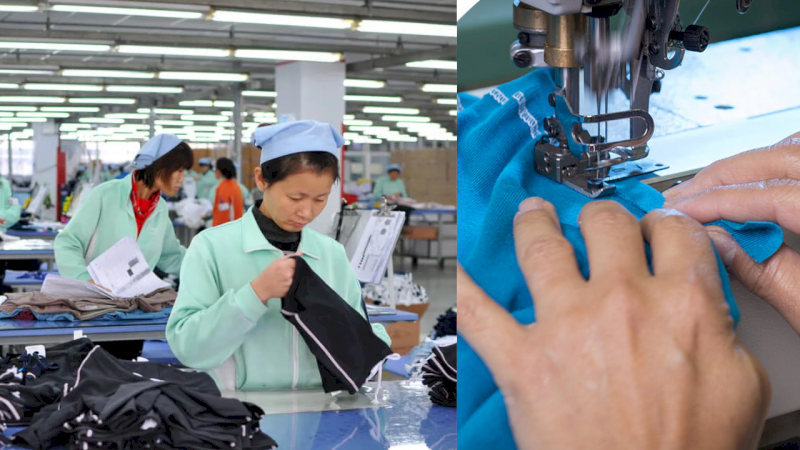
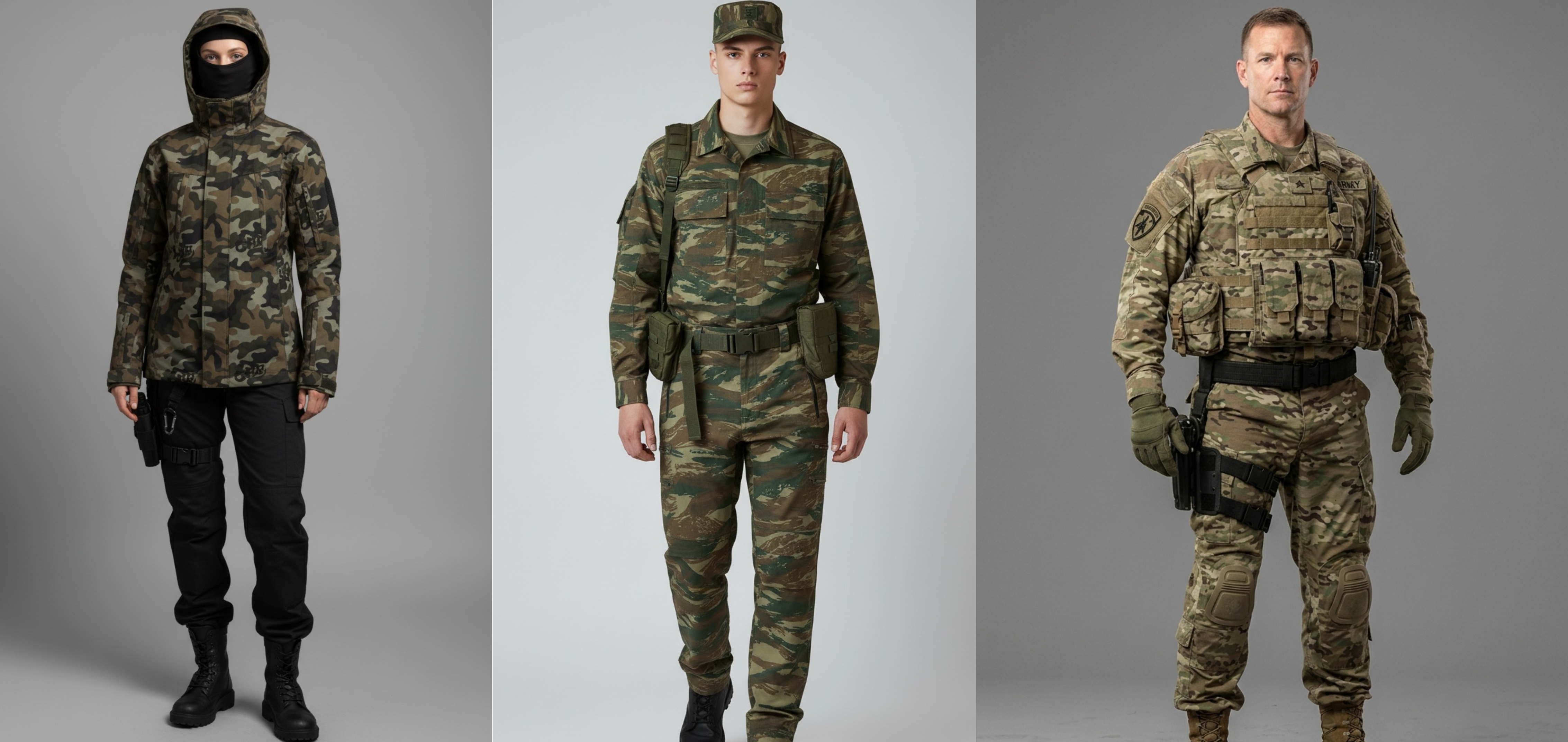
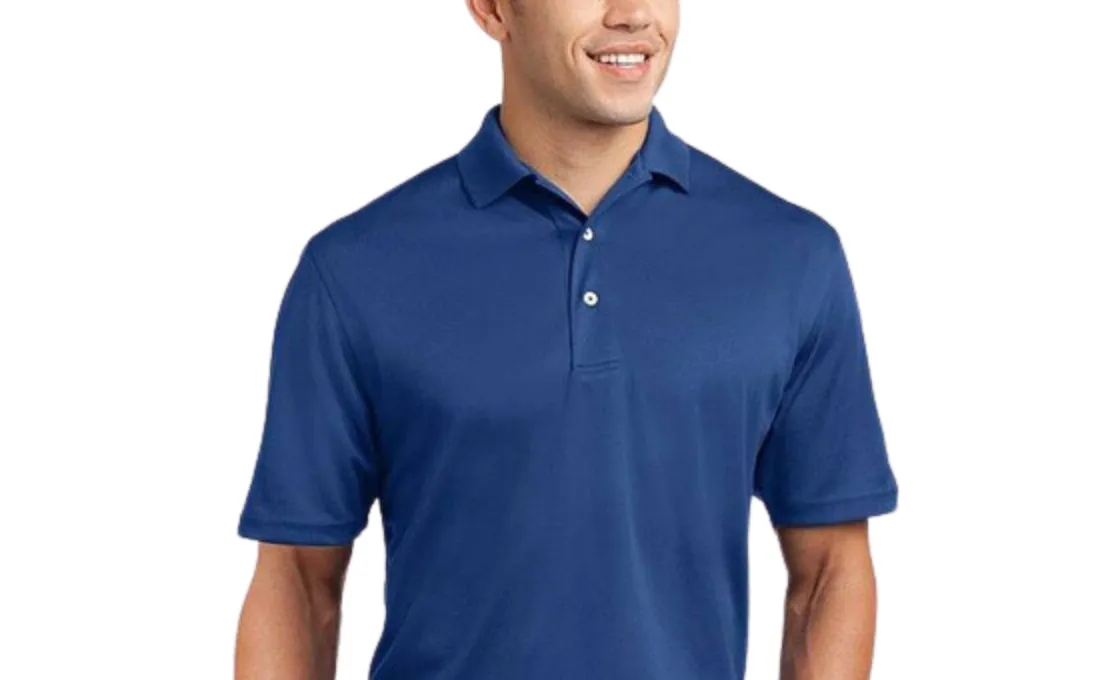
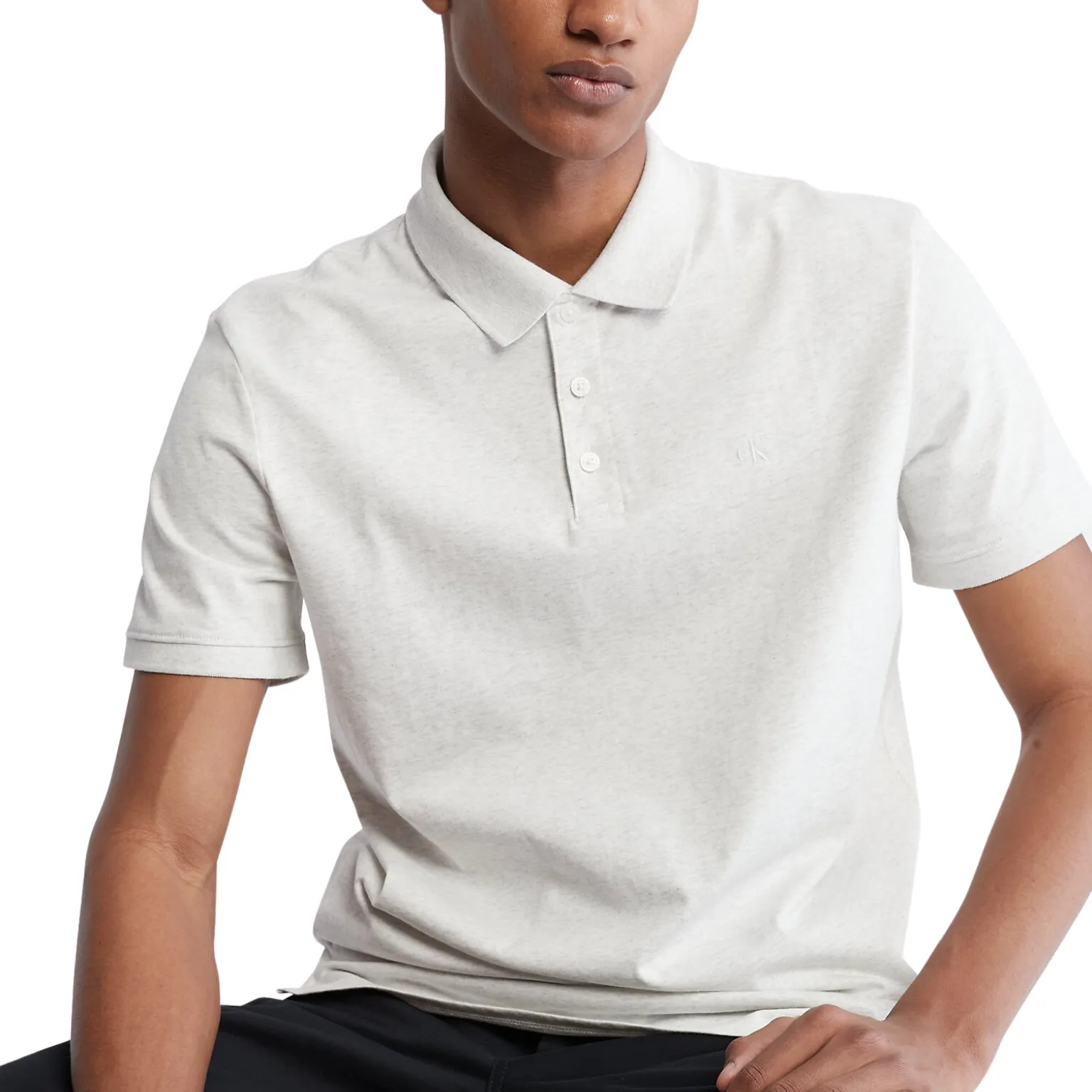
While basic garments remain an important part of the industry, manufacturers are developing greater expertise in products with more specialized construction and performance requirements, including activewear, sportswear, outerwear, workwear, uniforms, underwear, seamless clothing and other technical apparel.
This diversification reflects changes in global sourcing. Brands are increasingly looking for manufacturing partners that can support different product categories rather than relying on separate factories for every type of garment.
Strengthening Regional Supply Chain Networks
A manufacturer’s production capacity ultimately depends on more than what happens inside its factory.
Fabric, yarn, trims and other raw materials often move across multiple countries before becoming a finished garment. Vietnam’s position within Asia’s manufacturing network therefore makes regional supply chain connectivity increasingly important.
China, ASEAN countries and other Asian manufacturing hubs remain important sources of textile inputs and production capabilities. At the same time, Vietnamese manufacturers are working to increase domestic sourcing and value creation.
This matters not only for supply security and lead times, but also for taking advantage of preferential tariffs under free trade agreements.
In 2025, the domestic value-added ratio of Vietnam’s textile and garment industry was reported at around 52%, reflecting progress in strengthening local supply capabilities. Yet the industry continues to face gaps in areas such as weaving, dyeing and finishing and remains dependent on imported materials for part of its production.
For manufacturers, the direction is therefore twofold: strengthen domestic capabilities while building stronger connections with the wider regional supply chain.
A more connected supply network can give manufacturers greater flexibility in sourcing materials, responding to orders and meeting different rules of origin across export markets.
Meeting Strict Global Standards for ESG and Compliance
Modern international fashion brands operate under intense scrutiny regarding labor practices and environmental footprints. For Vietnamese manufacturers, meeting global compliance standards is no longer optional—it is a baseline requirement to secure long-term contracts.
Factories across Vietnam are making major capital investments to align with international standards:
- Environmental Initiatives: Installing rooftop solar panels, adopting water-recycling systems, and utilizing eco-friendly materials like organic cotton and recycled polyester.
- Social & Labor Standards: Ensuring fair wages, worker safety, and ethical workplace practices in line with global regulations.
- Certifications: Pursuing internationally recognized credentials such as SA8000, GOTS, OEKO-TEX, and Global Recycled Standard (GRS).
Demonstrating strong ESG commitments reassures international buyers that their local partners operate responsibly, ethically, and sustainably.
New Thygesen Sewing Factory in Vietnam – Build Better Dream Bigger
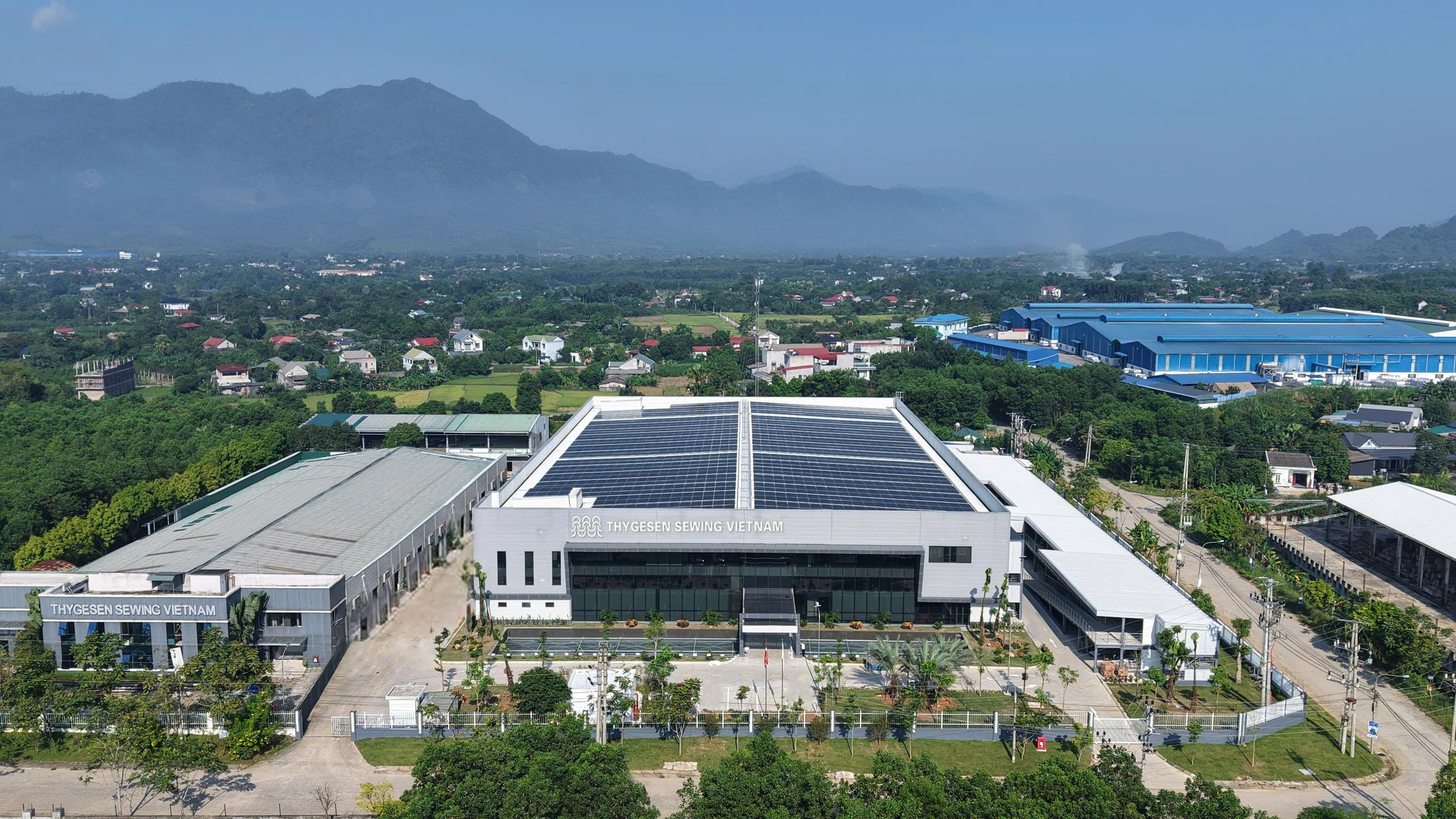
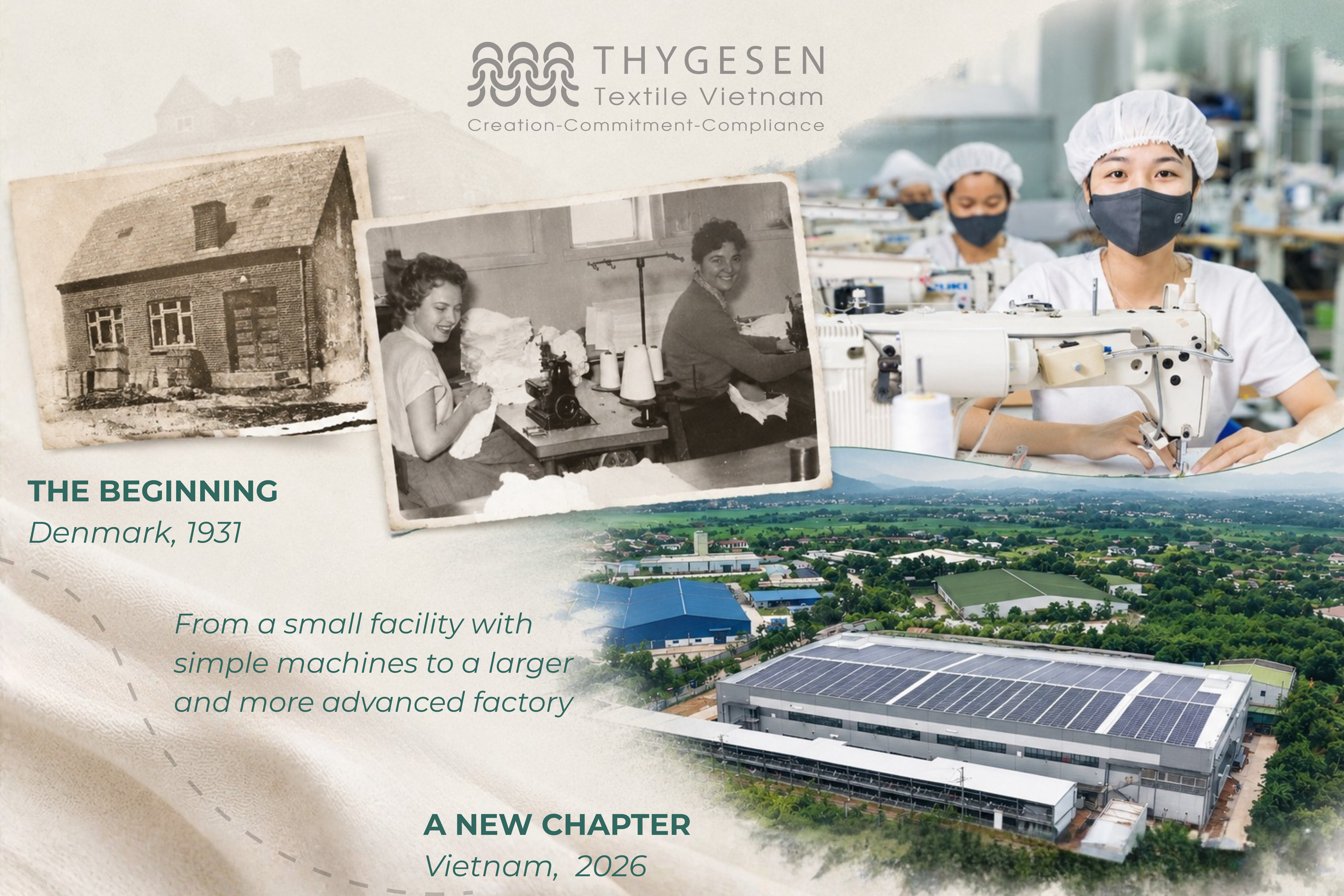
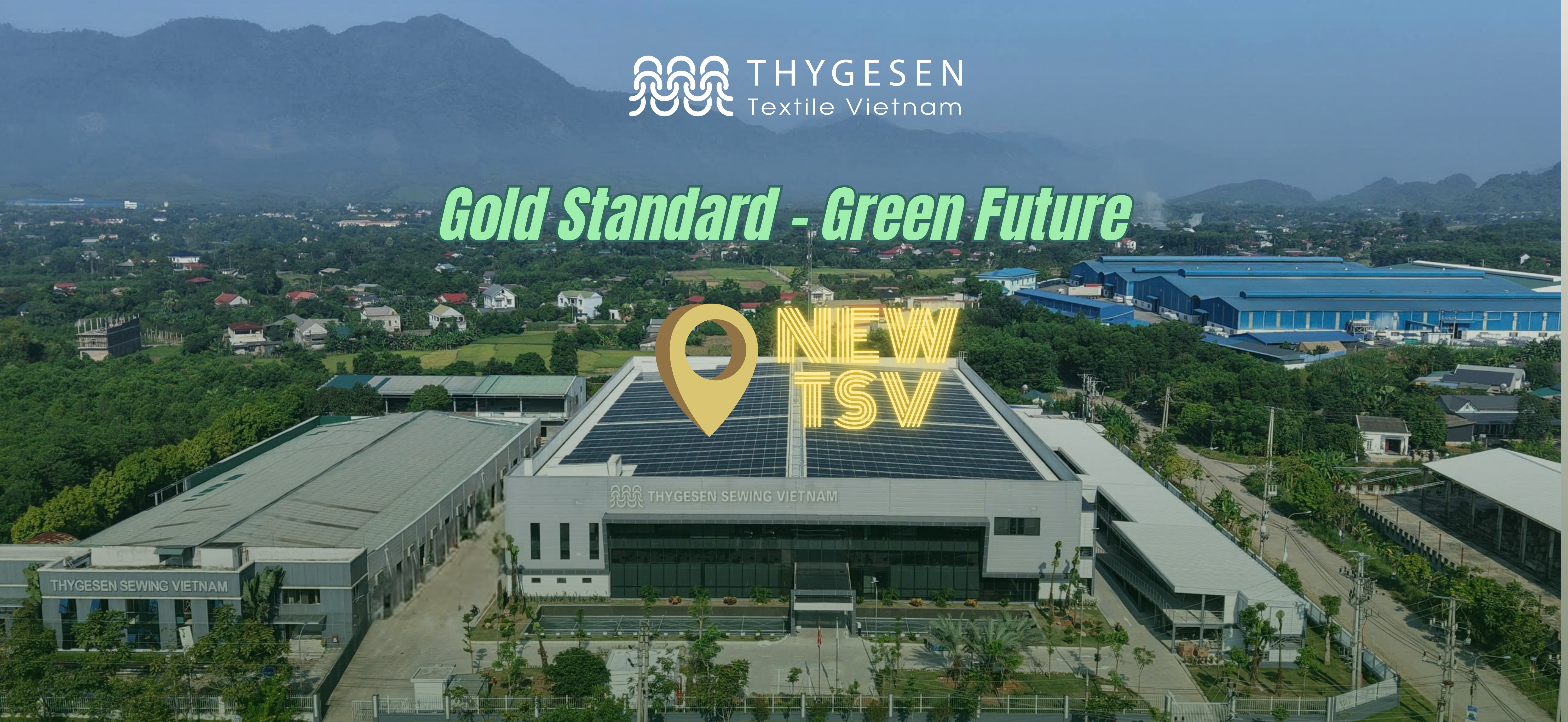
Our new factory marks an important step forward for Thygesen Vietnam, with greater scale and production capacity, alongside a greener and more environmentally friendly working environment designed to meet the increasingly demanding standards of key global markets.
This transformative project is designed to achieve LEED Gold Certification, reflecting our commitment to greener and more sustainable production practices. With a total area of 15,500 m² and an estimated capacity of up to 1,500 workers across 50 sewing lines, the new facility will significantly expand our production capabilities and give us greater capacity to support larger orders.
Beyond production capacity, we continue to strengthen the capabilities that support our customers throughout the entire manufacturing journey. With strong in-house R&D and sourcing capabilities, we offer both OEM and ODM services, customized to support each customer’s specific needs and strategic direction. From product development and material sourcing to sampling, production, quality control, and delivery, our full-package approach provides customers with a more comprehensive manufacturing solution.
With this expansion, we hope to create greater value for our global customers while contributing to the continued growth and development of Vietnam’s apparel manufacturing industry.