Compression clothing has become an essential category in today’s activewear and performance apparel market. Widely used in sports, training, and everyday athleisure, these garments are designed to enhance comfort, support, and functionality. But what is compression clothing, let’s take a closer look in this below guide.
1. What Is Compression Clothing?
Compression clothing refers to garments designed to apply controlled pressure to specific areas of the body. This pressure supports muscles, improves fit stability, and enhances overall comfort during movement or extended wear.
Unlike standard activewear, compression garments are engineered with high-stretch, high-recovery fabrics that closely contour the body. The goal is not restriction, but support, helping garments move with the wearer while maintaining shape and structure.
Originally developed for medical and athletic use, compression clothing has evolved into a key category within modern activewear. Today, it is commonly worn for training, recovery, travel, and everyday activities where support and stability are valued.
For a broader understanding of this rapidly evolving sector, explore What Is Activewear? The Comprehensive Guide for All Brands to gain deeper insights into its diverse applications and market trends.
2. Benefits of Compression Clothing
Compression clothing is designed to deliver targeted pressure to specific muscle groups, helping support the body during and after physical activity. Beyond its streamlined appearance, compression apparel offers functional benefits that enhance circulation, reduce muscle fatigue, and support recovery making it a key product category for activewear and performance-focused fashion brands.
- Improved Recovery: Research suggests that compression garments can help reduce delayed-onset muscle soreness (DOMS) and accelerate recovery after high-intensity training. By promoting better circulation and limiting fluid buildup in the muscles, these garments support faster recovery between workouts.
- Enhanced Blood Circulation: Compression clothing applies graduated pressure to the body, gently compressing veins and encouraging blood to flow more efficiently back to the heart. This improved circulation helps reduce swelling, prevents blood pooling in the limbs, and supports overall muscle oxygenation.
- Reduced Muscle Vibration & Fatigue: During movement, muscles naturally vibrate and oscillate, which can contribute to fatigue over time. Compression garments help stabilize muscles by reducing excessive movement, allowing wearers to maintain performance and delay the onset of muscle fatigue.
- Injury Prevention & Muscular Support: By providing consistent support to muscles and joints, compression clothing can help lower the risk of strains and overuse injuries. This added stability is particularly valuable during high-impact or repetitive activities.
- Temperature Regulation: Many compression fabrics are engineered with moisture-wicking and thermal-regulating properties. They help keep the body cool and dry in warm conditions while offering an insulating layer in cooler environments, supporting comfort across different climates and activities.
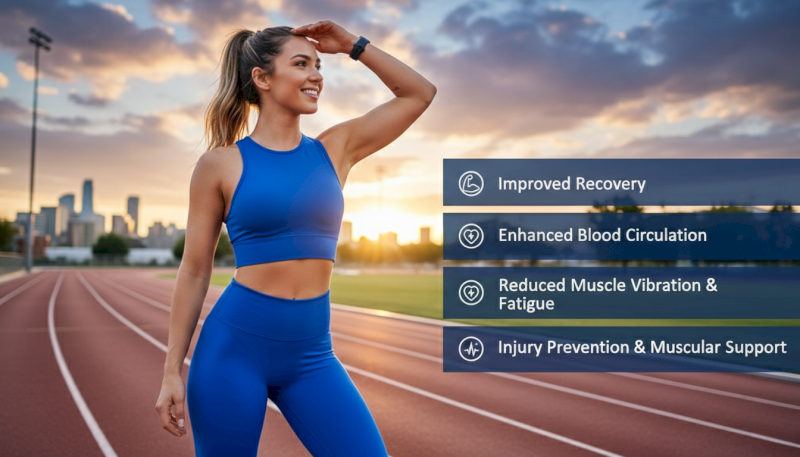
These performance-driven benefits are why compression garments have become a core category within modern athletic clothing, supporting both professional athletes and everyday active lifestyles.
For brands building out full activewear and performance collections, partnering with experienced athletic apparel manufacturers ensures access to the right technical fabric expertise, functional construction know-how, and scalable production capabilities. A curated list of athletic apparel manufacturers is available for brands comparing sourcing options across different markets and specializations.
3. Common Types of Compression Clothing
Compression garments are designed with different constructions and pressure zones to support specific muscle groups and movement patterns. Below are the most common compression items used in activewear collections, along with their functional purposes and typical fabric compositions used in manufacturing.
3.1. Compression Leggings
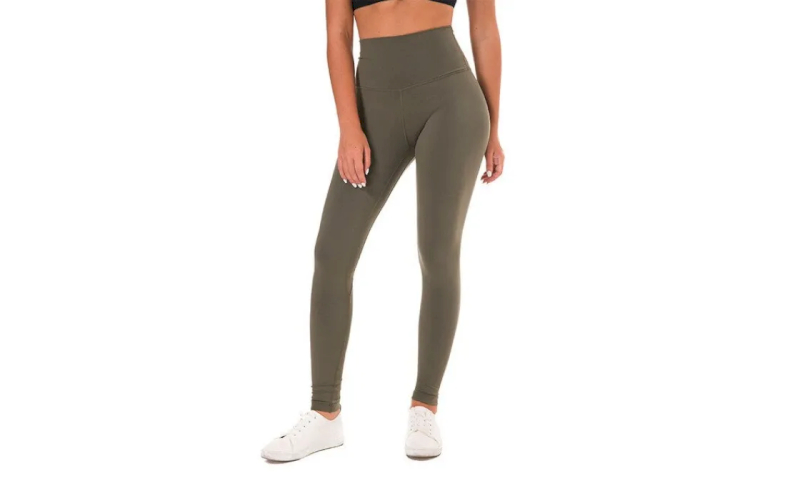
Compression leggings are form-fitting bottoms designed to provide consistent pressure across the legs, supporting major muscle groups such as the quadriceps, hamstrings, and calves.
They help improve blood circulation, reduce muscle vibration, and support recovery during and after exercise. These garments are widely used in activities such as running, gym training, yoga, cycling, and high-intensity workouts, as well as in recovery and travel scenarios.
Compression leggings are typically made from high-stretch synthetic fabrics that offer excellent elasticity and recovery. The most common blends include Nylon/Spandex (70-80% nylon, 20-30% spandex) for a smooth, durable, and supportive feel, or Polyester/Spandex (75-85% polyester, 15-25% spandex) for enhanced moisture management and color retention. Higher spandex content is often used to achieve stronger compression levels.
For brands planning to develop performance-focused compression leggings, partnering with an experienced legging manufacturer like Thygesen helps ensure the right fabric blends, fit engineering, and consistent quality for scalable production.
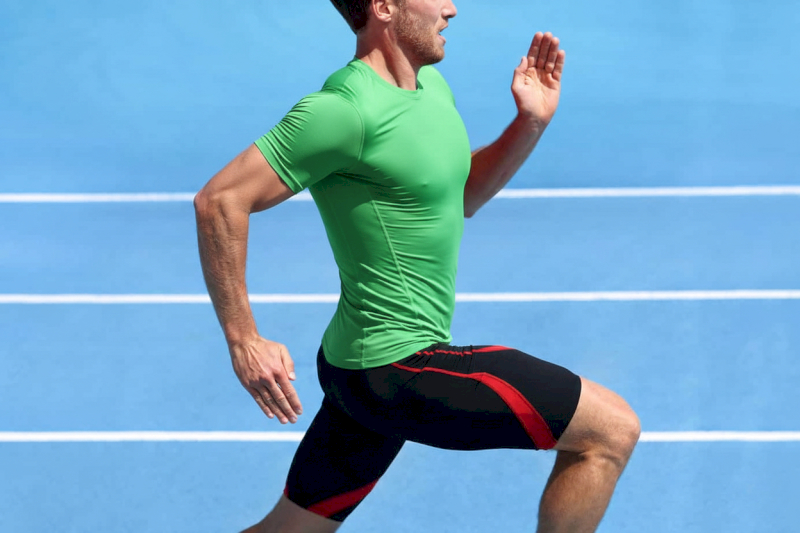
3.2. Compression Shirts
Compression shirts are designed to fit closely to the upper body, providing muscle support to the chest, shoulders, and core. By stabilizing muscles and improving circulation, they help reduce fatigue and enhance comfort during prolonged or high-intensity activities. Compression shirts are commonly used in gym training, running, team sports, cross-training, and as base layers under outer garments.
These garments typically use lightweight, breathable fabrics with high elasticity. Common compositions include Polyester/Spandex blends (80-90% polyester, 10-20% spandex), which offer moisture-wicking and quick-drying properties, or Nylon/Spandex blends (75-85% nylon, 15-25% spandex) for a softer hand feel and improved durability. Mesh panels may be added using similar blends for enhanced ventilation.
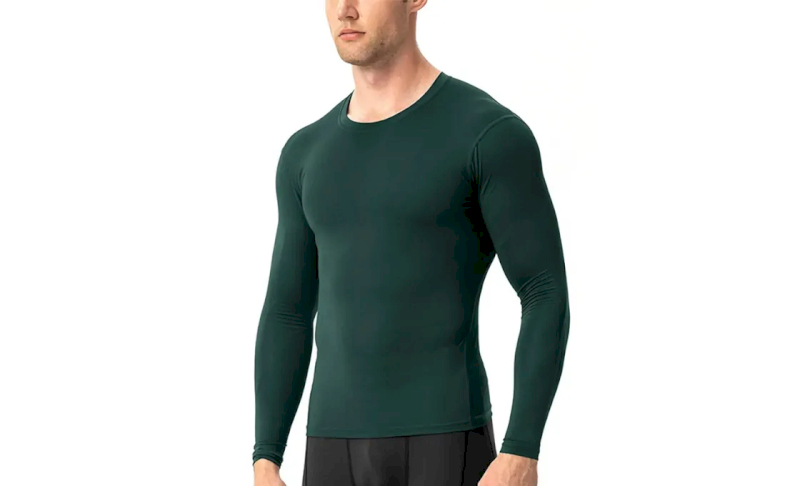
Although compression shirts are more technical than regular tees, they are often developed and produced within the same product category as performance T-shirts. Working with experienced t-shirt manufacturers like Thygesen helps brands combine advanced fabrics, fit engineering, and scalable production to bring high-performance compression tops to market.
3.3. Compression Shorts
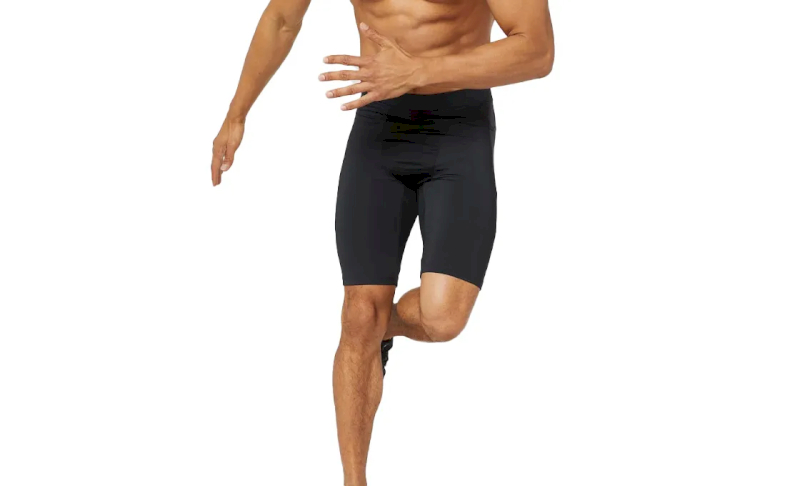
Compression shorts are designed to support the hips, thighs, and glute muscles while allowing full freedom of movement. They help reduce muscle vibration, minimize chafing, and improve comfort during dynamic movements. These shorts are commonly worn for running, cycling, strength training, field sports, and as a base layer under team uniforms or outer shorts.
Compression shorts usually feature durable, stretch fabrics that maintain shape under repeated movement. Typical fabric blends include Nylon/Spandex (70-80% nylon, 20-30% spandex) for enhanced strength and abrasion resistance, or Polyester/Spandex (80-85% polyester, 15-20% spandex) for breathability and moisture control. Flatlock stitching is often used to complement these fabrics and reduce friction.
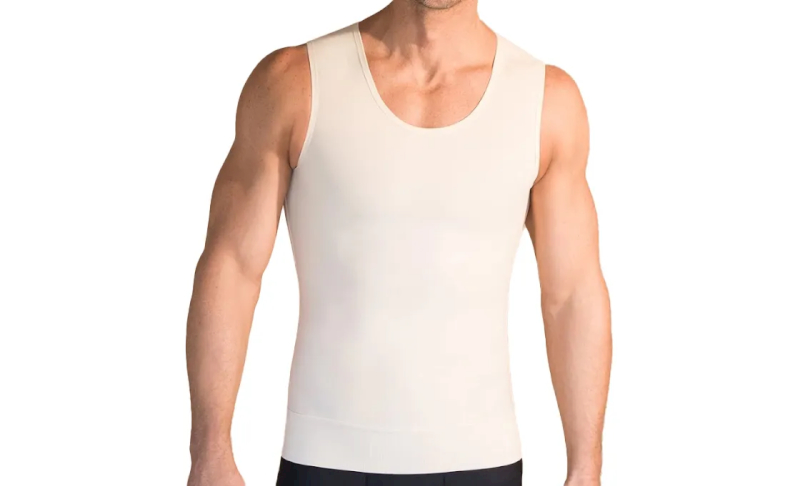
Compression tank tops are designed to provide uniform support to the chest and upper torso, reducing movement during activity and enhancing comfort. They are ideal for low- to medium-impact workouts such as yoga, Pilates, cycling, studio training, and everyday activewear.
These tank tops are made from soft, stretchable fabrics that balance support and comfort. Typical blends include Nylon/Spandex (70-85% nylon, 15-30% spandex) for a smooth, supportive fit, or Polyester/Spandex (75-85% polyester, 15-25% spandex) for moisture-wicking and quick-drying properties. Power mesh panels with slightly higher spandex content are often added for targeted support and enhanced breathability.
5. Key Considerations When Producing Compression Clothing
Producing effective compression clothing requires the right balance between fabric performance, pressure control, and precise construction. To deliver real performance or therapeutic benefits without compromising comfort, fashion brands must carefully manage both design and manufacturing factors.
- Fabric Selection & Performance: Compression garments rely on fabrics with excellent stretch and recovery, typically using nylon or polyester blended with a high percentage of elastane. Four-way stretch, moisture-wicking, and breathability are essential to support movement, comfort, and thermal regulation, while abrasion resistance ensures long-term durability.
- Compression Levels & Zoning: Compression must be engineered according to the intended use performance, recovery, or medical, often measured in mmHg. Graduated compression and targeted zones help improve circulation and stabilize muscles while maintaining a balance between effective pressure and wearer comfort.
- Fit, Design & Anatomical Engineering: Accurate anatomical fit is critical to ensure consistent pressure distribution. Compression garments are often developed using body-mapping or 3D data, with seamless or low-seam designs to reduce irritation and prevent pressure loss across different sizes.
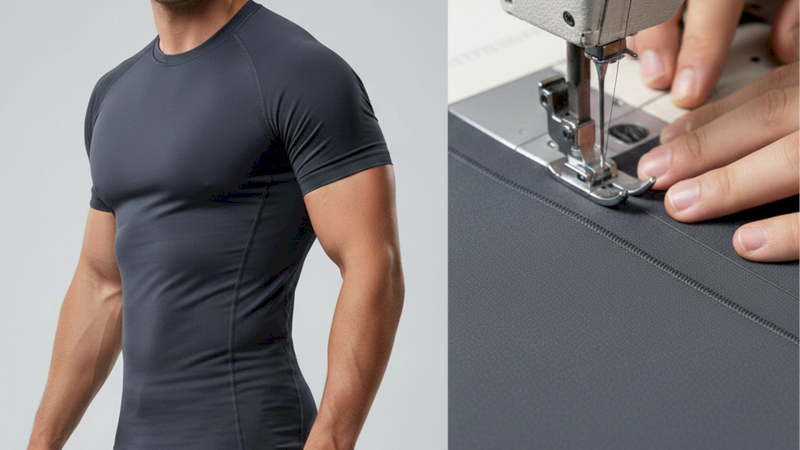
- Construction & Quality Control: Specialized stitching methods such as flatlock or coverstitch are used to withstand constant tension and minimize chafing. Quality control focuses on stretch recovery, seam strength, and shape retention to prevent garment fatigue over repeated wear and washing.
- Regulatory Needs & Production Challenges: Medical-grade compression requires stricter standards and hypoallergenic materials. Clear care instructions are necessary to protect elastane performance, while high material costs and complex pattern engineering remain key challenges in compression apparel production.
>> Beyond compression apparel, many activewear brands also develop complementary casualwear and outerwear categories. Brands expanding into this space can explore a curated list of experienced hoodie manufacturers to find partners specializing in quality construction, fabric flexibility, and private-label production for casual and performance-adjacent collections.
6. Thygesen Textile Vietnam: Your Trusted Partner in Compression Clothing Manufacturing
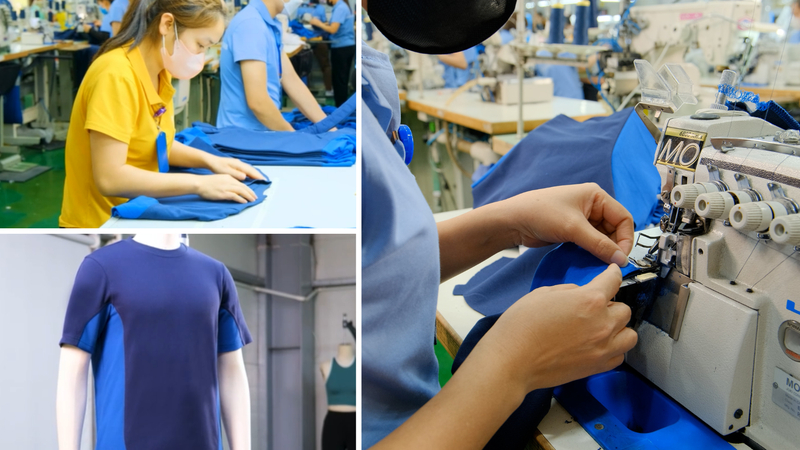
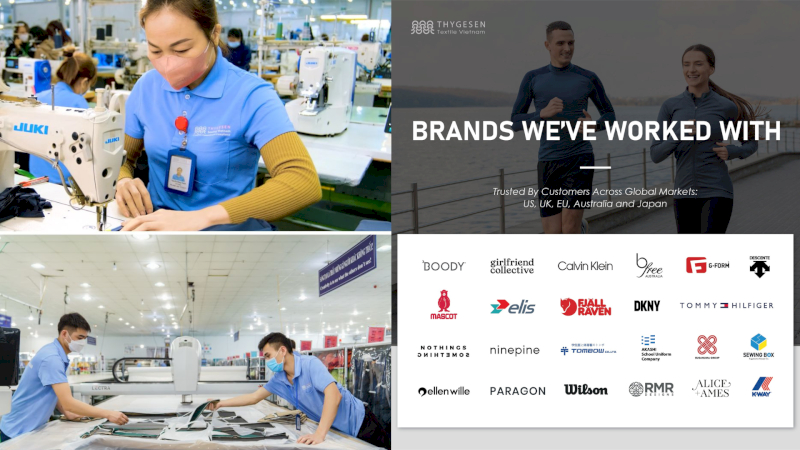
We are Thygesen Vietnam, an experienced cut and sew manufacturer specializing in custom activewear and performance clothing for global fashion brands. With decades of manufacturing expertise, we support brands from product development to full-scale production, with a strong focus on quality, fit precision, and reliable delivery.
Cut and sew manufacturing is the core production method for most compression and performance apparel — where fabric panels are precisely cut to pattern and assembled through specialized stitching operations, giving brands full control over fit, pressure zoning, and construction quality. Brands evaluating this production model can explore a curated list of cut and sew manufacturers across key regions to compare capabilities and find the right partner for their collection.
Compression Clothing We Manufacture
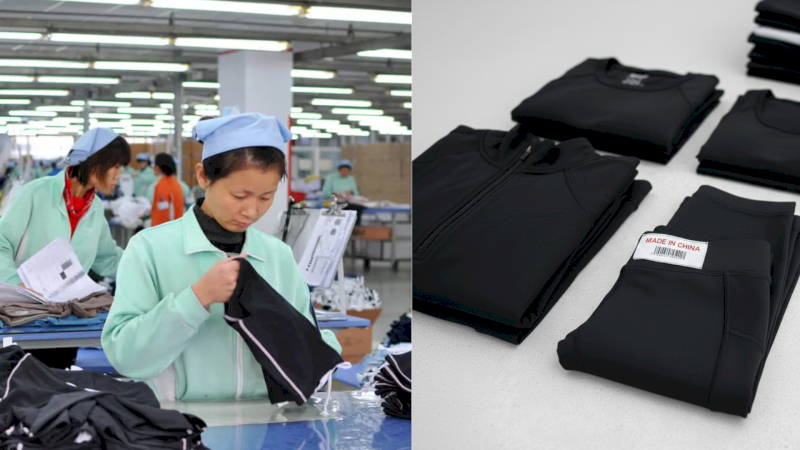
We produce a full range of compression apparel, including compression leggings, shirts, shorts, bras, and base layers. Each item is engineered to deliver the right level of support, stretch, and durability, tailored to performance, recovery, or everyday active use based on brand requirements.
Why Work with Us
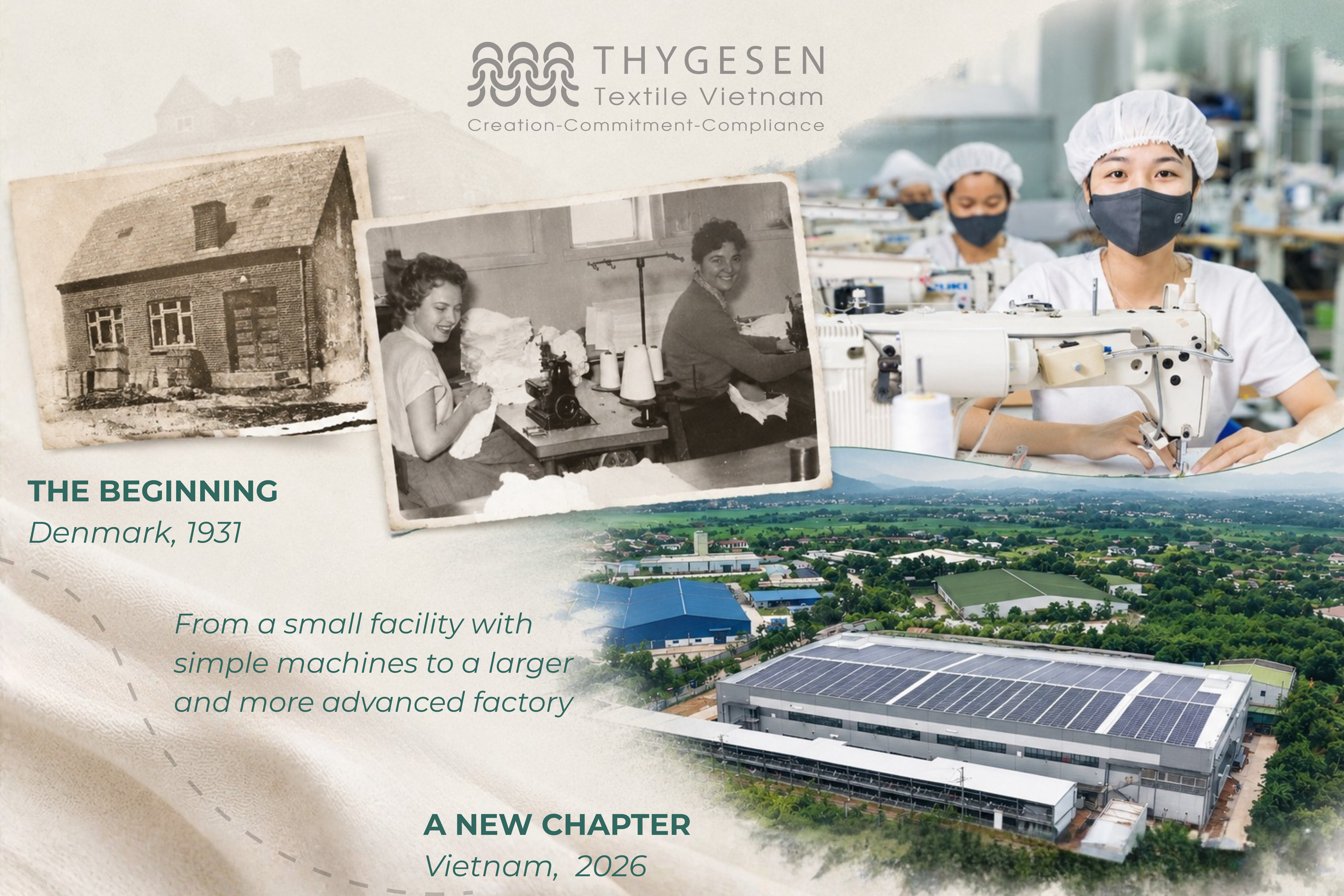
- Decades of Experience & Full-Package Service: With over 90 years in the textile industry, we serve top global brands and handle everything from design consultation and material sourcing to bulk production, providing reliable OEM/ODM full-package solutions.
- Expert Guidance & Consultation: We provide end-to-end advice beyond sewing – from fabric selection, design, and sampling to production planning, customs, logistics, and regulatory compliance, helping brands navigate every step efficiently.
- Quality, Ethics & Sustainability: All products are crafted in our SA8000 & WRAP-certified factory, meeting ISO 9001:2015, GRS, GOTS, OEKO-TEX, FSC, and OCS standards, combining superior quality with ethical and sustainable manufacturing practices.
In conclusion, compression clothing combines performance, support, and recovery in one functional garment. As a trusted compression clothing manufacturer, we at Thygesen provide high-quality, customizable solutions for brands worldwide. Discover more at thygesenapparel.com or reach us at sale@thygesen.com.vn.