What Is Activewear? This guide provides a clear overview of what defines activewear today, from its core functions and materials to how it has evolved beyond sports into everyday fashion.
1. What Is Activewear?
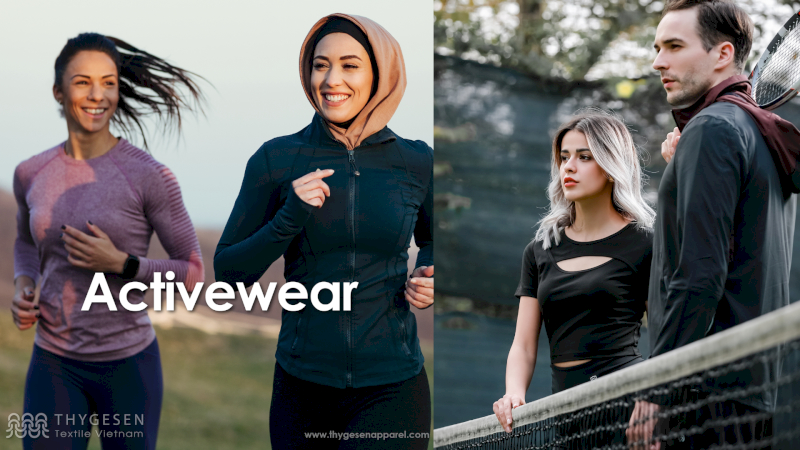
Activewear refers to clothing designed to support physical activity, movement, and everyday comfort. Unlike traditional fashion apparel, activewear focuses on functionality, such as stretch, breathability, and moisture management while still maintaining a modern, wearable aesthetic.
Today, activewear is no longer limited to the gym. It has evolved into athleisure, worn for workouts, travel, casual outings, and daily routines. This shift has increased demand for garments that balance performance, durability, and style, making material choice and production quality especially important for brands.
Key characteristics of activewear include flexible fabric construction, lightweight or performance-driven materials, and garment designs that allow freedom of motion. Many activewear products also incorporate features such as quick-drying properties, soft hand feel, and durable stitching to support repeated wear and washing.
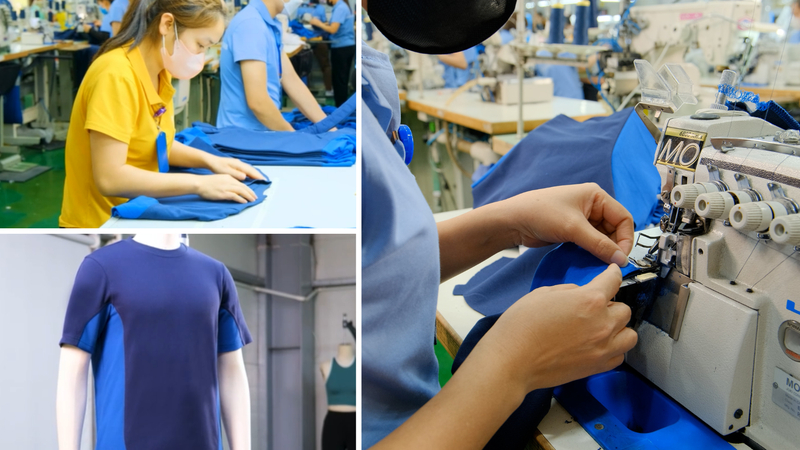
The distinct design and functional requirements of activewear often necessitate specialized production methods. For brands requiring meticulous cut and sew manufacturing, Thygesen offers dedicated OEM services, translating unique design visions into high-performance garments. The company’s focus on precision ensures every detail of a brand’s specific activewear collection is impeccably realized.
2. Differences Between Activewear, Sportswear and Athleisure
While the terms activewear, sportswear, and athleisure are often used interchangeably, they serve distinct purposes and are designed with different priorities in mind. Find out more differences in the table below:
| Criteria | Activewear | Athleisure | Sportswear |
| Core Purpose | Performance-focused apparel designed for workouts and physical training | Blends athletic style with casual comfort for everyday wear | Apparel designed for a specific sport, including competition and protection |
| Primary Use | Exercise, training, fitness activities | Daily activities, casual outings, lifestyle wear | Playing or competing in a particular sport |
| Function Priority | Performance, comfort, sweat management, flexibility | Style, comfort, versatility | Sport-specific function, rules, and protection |
| Materials | Technical fabrics such as polyester, nylon, spandex; moisture-wicking, breathable, durable | Softer fabrics like cotton, modal, jersey, often with light stretch | Highly specialized materials depending on the sport (e.g. neoprene, padded textiles) |
| Fit | Snug, supportive, designed for unrestricted movement | Relaxed, trendy, and versatile | Varies by sport: tight-fitting to bulky, protective designs |
| Design Focus | Engineered construction for active movement and intensity | Fashion-driven with athletic influence | Technical design tailored to sport requirements |
| Typical Products | Compression leggings, sports bras, moisture-wicking tops, athletic shorts | Joggers, hoodies, lifestyle leggings, casual sets | Team jerseys, swimsuits, martial arts uniforms, cycling shorts |
| Where You Wear It | Gym, studio, training sessions | Errands, travel, casual social settings | Sports fields, courts, pools, or competition venues |
3. Common Types of Activewear Clothing
From performance training to everyday movement, activewear includes multiple product categories, each serving a specific function. The following are the most common types of activewear clothing.
3.1. Activewear Leggings
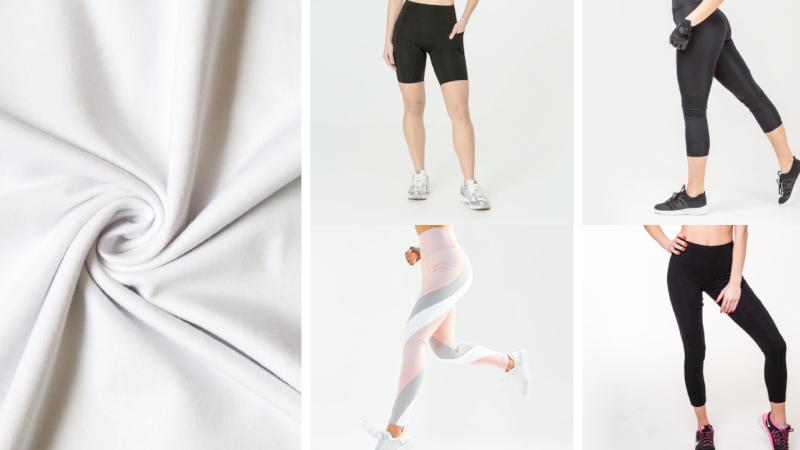
Leggings are a core activewear product, designed for flexibility, support, and coverage. Depending on fabric weight and compression level, they can be used for yoga, gym training, or everyday wear.
- Styles: Activewear leggings come in a wide range of styles, including full-length, 7/8 length, capri, high-waisted, seamless, compression leggings, leggings with side or back pockets, flared or bootcut leggings, mesh-panel leggings, and shaping leggings. Some designs focus on high-performance training and gym use, while others are softer and more flexible for yoga or everyday athleisure wear. To understand the unique benefits and manufacturing considerations for this specialized apparel, explore What Is Compression Clothing? The Practical Guide for All Fashion Brands.
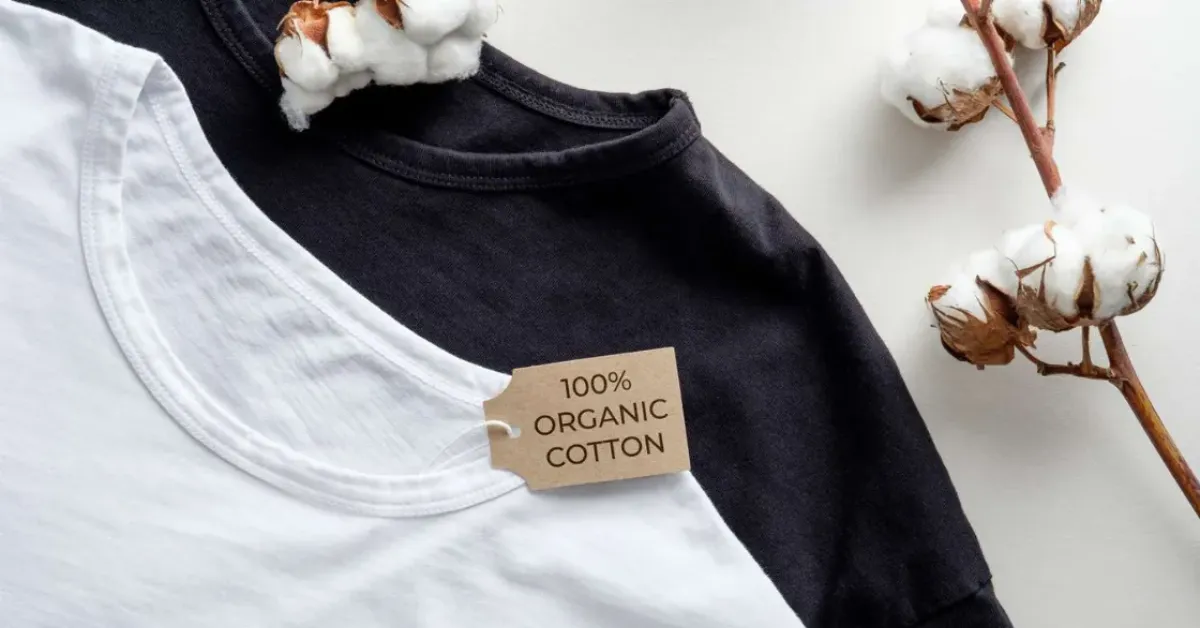
- Common Fabrics & Typical Blends: Leggings are typically made from polyester–spandex (80-88%/12-20%) or nylon–spandex (70-85%/15-30%) for stretch and compression. For yoga or lifestyle use, cotton–spandex (90/10 or 95/5) is common. Sustainable alternatives include recycled polyester (rPET), recycled nylon (ECONYL®), and organic cotton–spandex blends.
Producing high-performance activewear, especially items like technical leggings, requires unwavering adherence to quality standards. For brands seeking an expert legging manufacturer, Thygesen operates under ISO-based quality management systems, providing assurance in material integrity and garment construction. This commitment effectively reduces sourcing risks and guarantees exceptional product safety and durability for demanding activewear.
3.2. Sports Bras
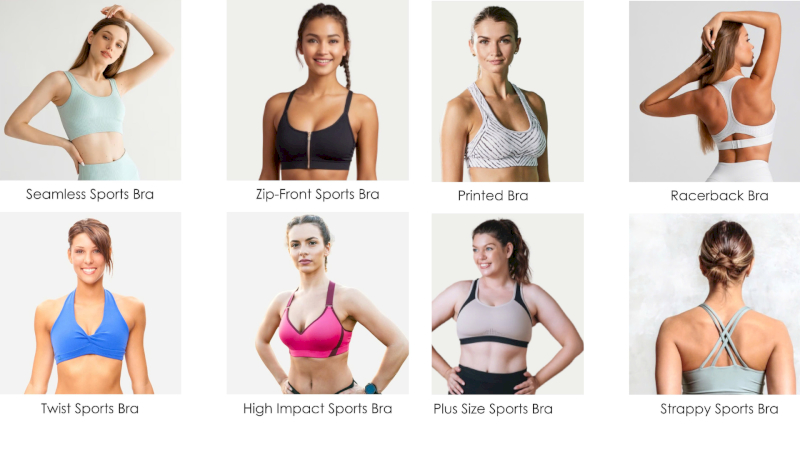
Sports bras provide support and stability during physical activity. They vary in structure and compression depending on intended use, from light support for yoga to high support for high-impact workouts.
- Styles: Sports bras are designed in different support levels, including low, medium, and high support. Common styles include pull-on bras, racerback, cross-back, strappy designs, longline sports bras, bras with removable padding, molded cup bras, front-zip bras, and compression bras. Each style is developed to suit specific activities, from yoga and pilates to running and high-impact training.
- Common Fabrics & Typical Blends: Most sports bras use polyester–spandex (75-85%/15-25%) or nylon–spandex (70-80%/20-30%) for support and shape retention. Light-support styles may use cotton–spandex (around 90/10). Sustainable options include recycled polyester, recycled nylon, TENCEL™ Modal/Lyocell blends, and organic cotton.
3.3. Active T-Shirts & Tops
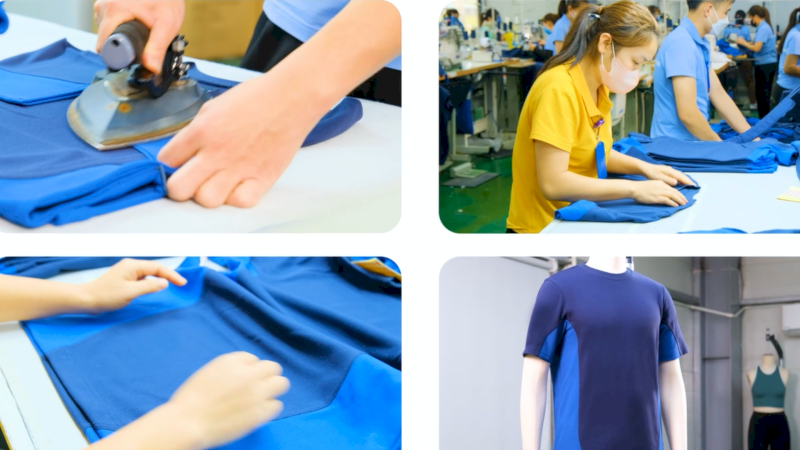
Active tops are designed to be lightweight and breathable, often featuring moisture-wicking fabrics and ergonomic cuts to enhance comfort during movement.
- Styles: Active T-shirts and tops include crew neck, V-neck, racerback tanks, sleeveless tops, cropped tops, fitted silhouettes, relaxed-fit tees, seamless tops, mesh-panel designs, and long-sleeve performance tops. Many styles feature ergonomic cuts and minimal seams to enhance comfort and freedom of movement during activity.
- Common Fabrics & Typical Blends: Active tops are usually made from polyester-spandex (90-95%/5-10%) for breathability and quick drying. Casual styles may use poly-cotton (60/40) or modal blends. Sustainable choices include recycled polyester, organic cotton, TENCEL™ Lyocell, and bamboo viscose blends.
3.4. Hoodies & Sweatshirts
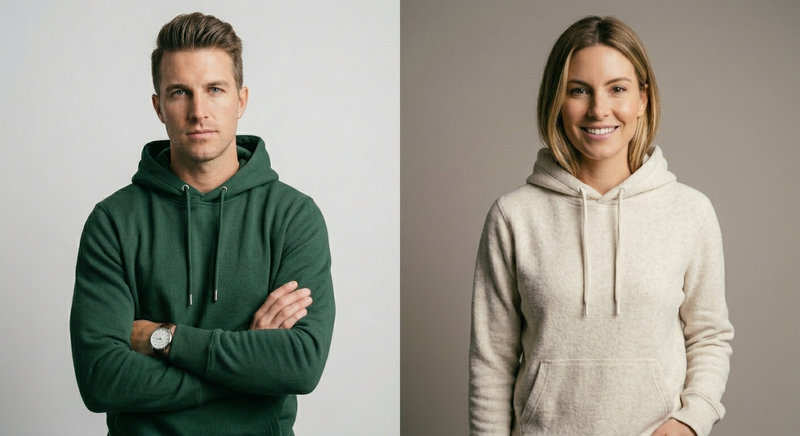
Activewear hoodies blend performance fabrics with casual styling. They are commonly worn for warm-ups, outdoor training, or as part of athleisure collections.
- Styles: Activewear hoodies and sweatshirts are available in pullover and zip-up styles, oversized or slim-fit silhouettes, cropped designs, hooded and non-hooded versions, and lightweight layering pieces for warm-ups or outdoor training. In athleisure collections, clean, minimal designs with relaxed fits are especially common.
- Common Fabrics & Typical Blends: Common fabrics include cotton–poly fleece or French terry (60-80% cotton/20-40% polyester). Performance styles may add light stretch. Sustainable alternatives include organic cotton, recycled polyester blends, BCI cotton, and TENCEL™ cotton blends.
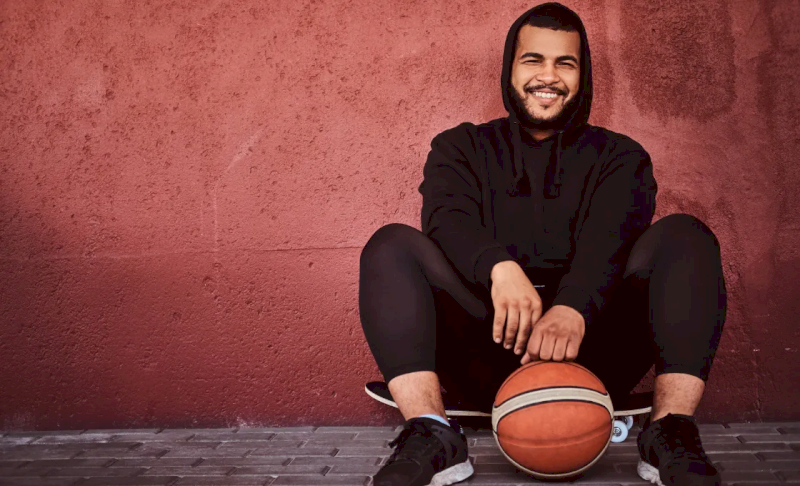
As activewear categories expand, sourcing specific items like performance hoodies becomes critical for meeting market demands. Brands looking for expert hoodie manufacturers benefit from Thygesen’s commitment to supply chain transparency and material innovation. This ensures the foundational components of any activewear collection meet stringent quality and sustainability benchmarks.
3.5. Shorts & Skorts
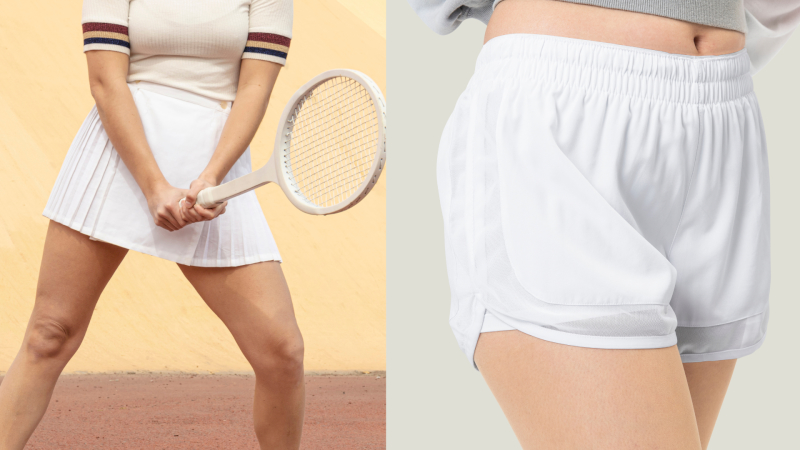
Active shorts and skorts are designed for ventilation and freedom of movement, often featuring elastic waistbands and stretch fabrics suitable for running, training, or warm climates.
- Styles: Active shorts and skorts include running shorts, biker shorts, training shorts, high-waisted designs, loose-fit silhouettes, compression shorts, skorts with built-in liners, and tennis or golf skorts. Designs emphasize ventilation, lightweight construction, and unrestricted movement.
- Common Fabrics & Typical Blends: Shorts and skorts are typically produced from polyester–spandex (85-90%/10-15%) or nylon-spandex (75-85%/15-25%). Sustainable options include recycled polyester, recycled nylon, organic cotton-spandex, and TENCEL™ blends.
4. Key Considerations When Producing Activewear Garments
Successful activewear production depends on the right balance between fabric performance, functional design, manufacturing expertise, and a reliable supply chain.
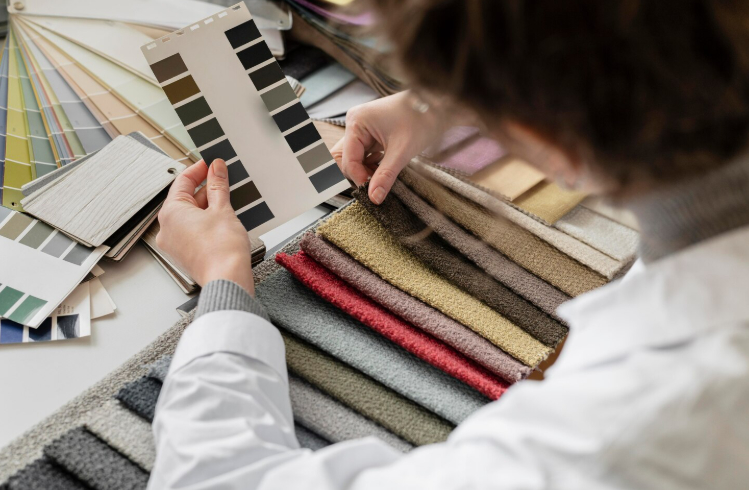
- Fabric Selection & Performance: Choosing the right materials is critical, as activewear must support movement, manage moisture, and maintain comfort during physical activity. Fabrics should offer good stretch and recovery, resist wear and repeated washing, and may include added functions such as odor control, UV protection, or temperature regulation. Sustainability is also an increasing priority, with many brands opting for recycled or responsibly sourced fibers.
- Design & Construction: Activewear design should be driven by the end user and intended activity, ensuring garments provide a secure fit without restricting movement. Ergonomic pattern making, thoughtful seam placement, and the use of low-friction constructions help improve comfort and wearability. Functional details such as pockets, ventilation panels, and reflective elements further enhance performance and usability.
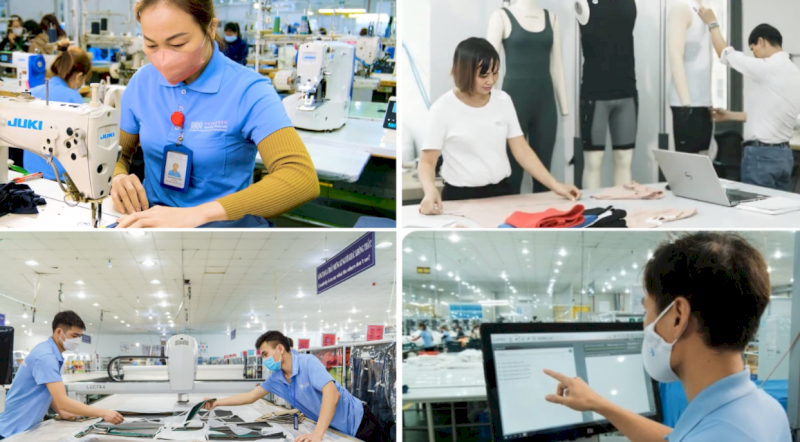
- Manufacturing & Quality Control: Clear technical documentation and well-developed tech packs are essential for accurate sampling and efficient production. Working with experienced manufacturers helps ensure consistent workmanship and compliance with quality and ethical standards. Thorough testing and sampling allow brands to verify fit, performance, and durability before moving into bulk production.
- Supply Chain & Logistics: A stable supply chain supports both quality and delivery timelines. Reliable fabric suppliers, well-located production partners, and scalable manufacturing capacity are key factors to consider. Brands should balance cost efficiency with lead times and ensure their partners can support growth as demand increases.
Understanding the intricate demands of athletic apparel is key to successful activewear production. Thygesen provides comprehensive support for brands seeking specialized athletic clothing manufacturers, offering flexible production capacities from innovative startups to established enterprises. This approach ensures consistent quality and performance across all activewear product lines.
5. Thygesen Textile Vietnam: Your Trusted Partner in Activewear Garment Manufacturing
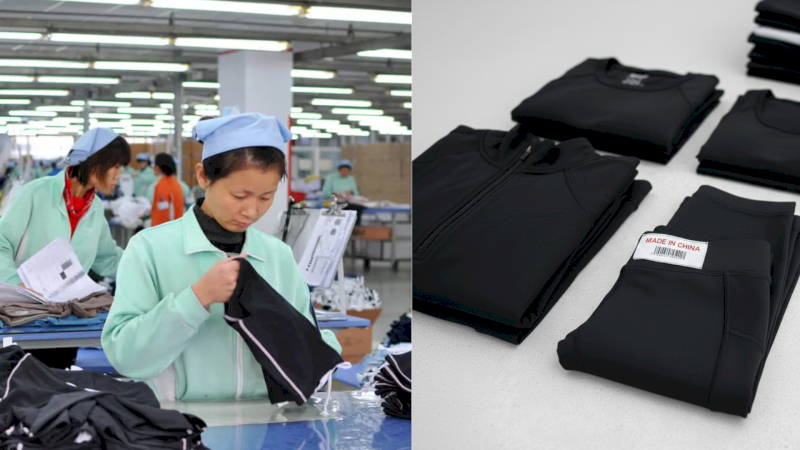
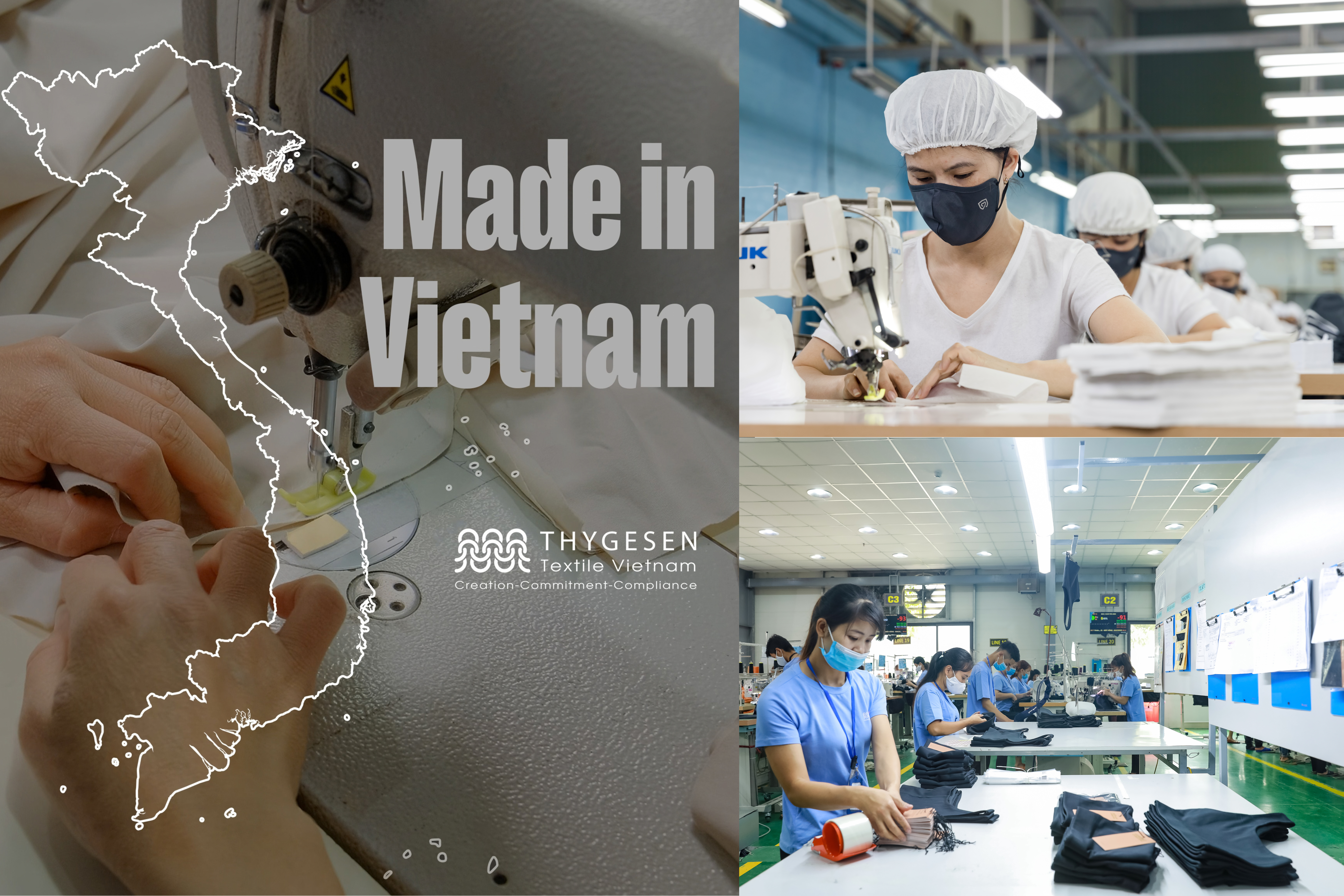
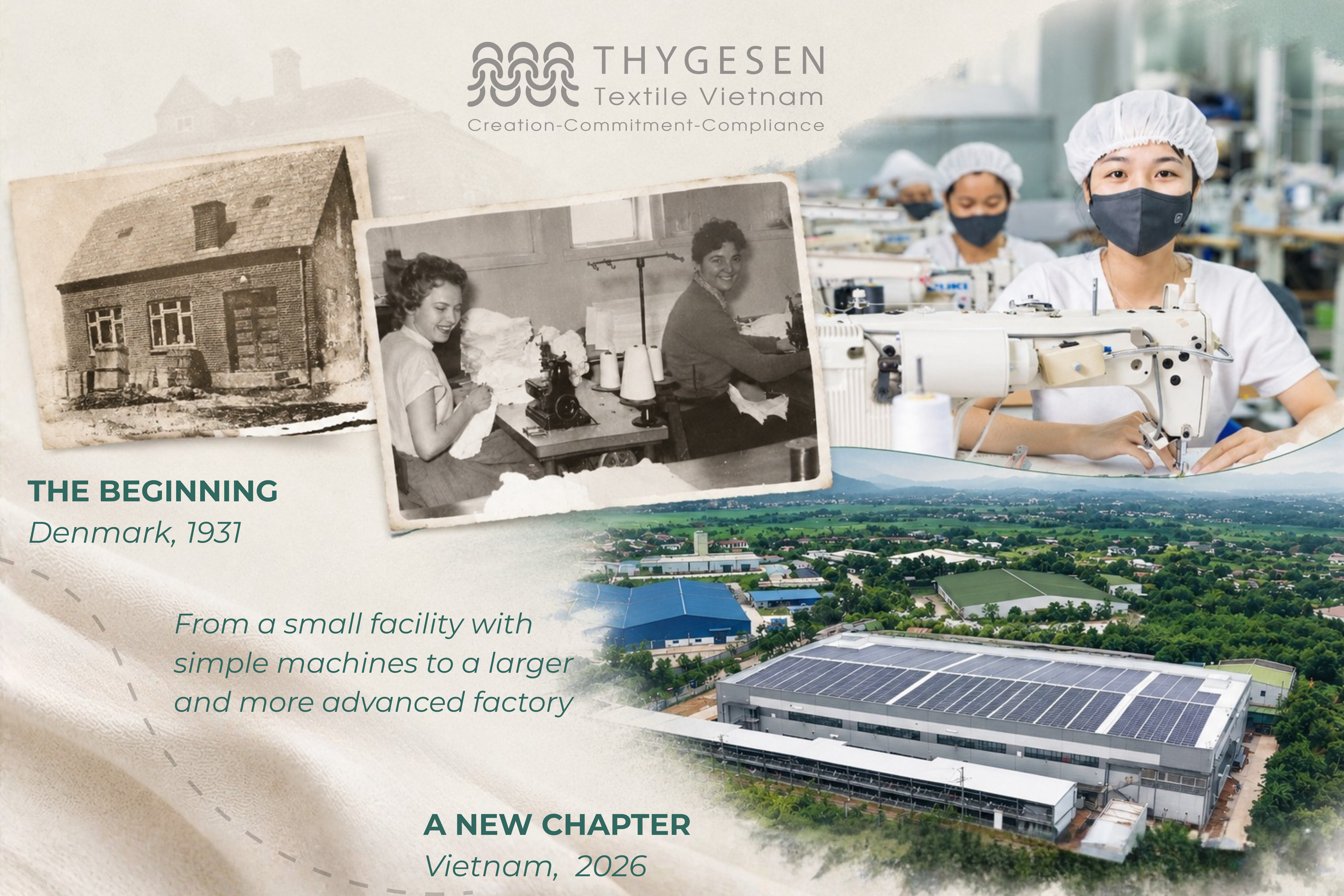
With over 90 years of experience in the textile industry, Thygesen Textile Vietnam is a trusted partner for many global activewear brands, including GFC, G-Form, Wilson, Paragon, Rockwear, and Calvin Klein etc. We specialize in high-quality, performance-focused activewear for women, men, and kids.
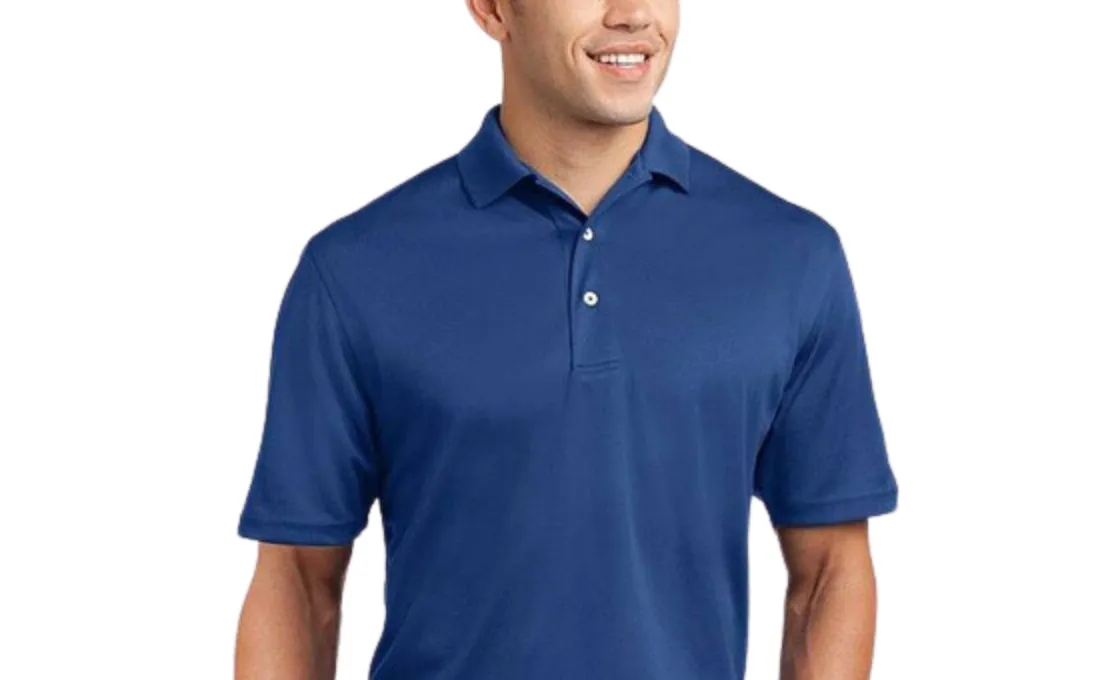
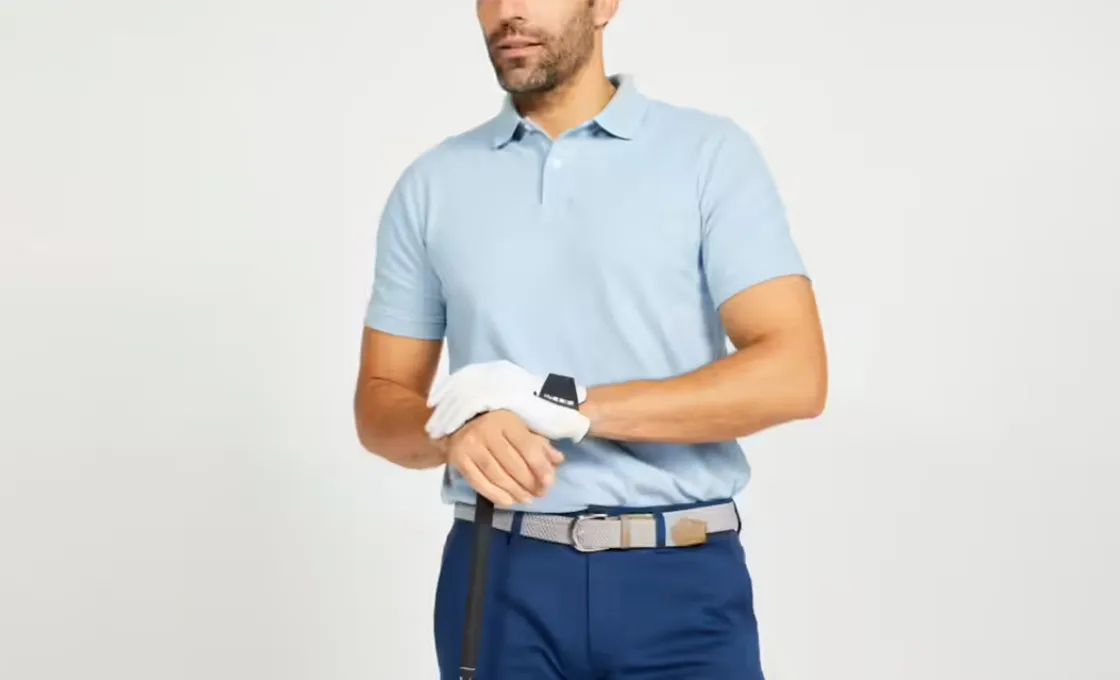
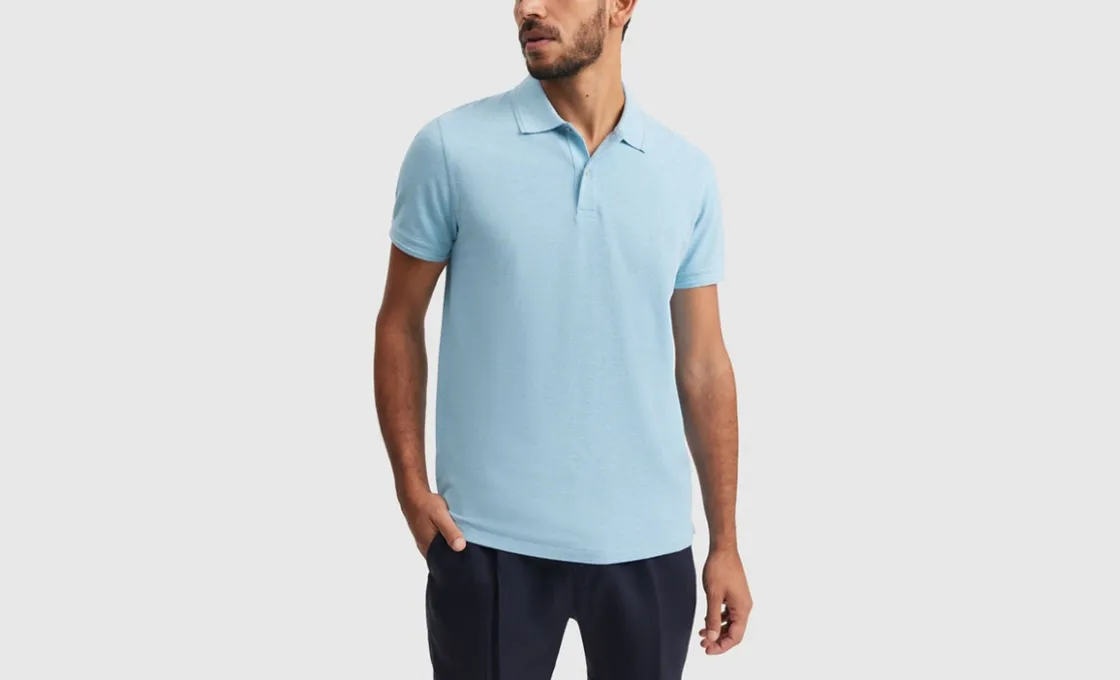
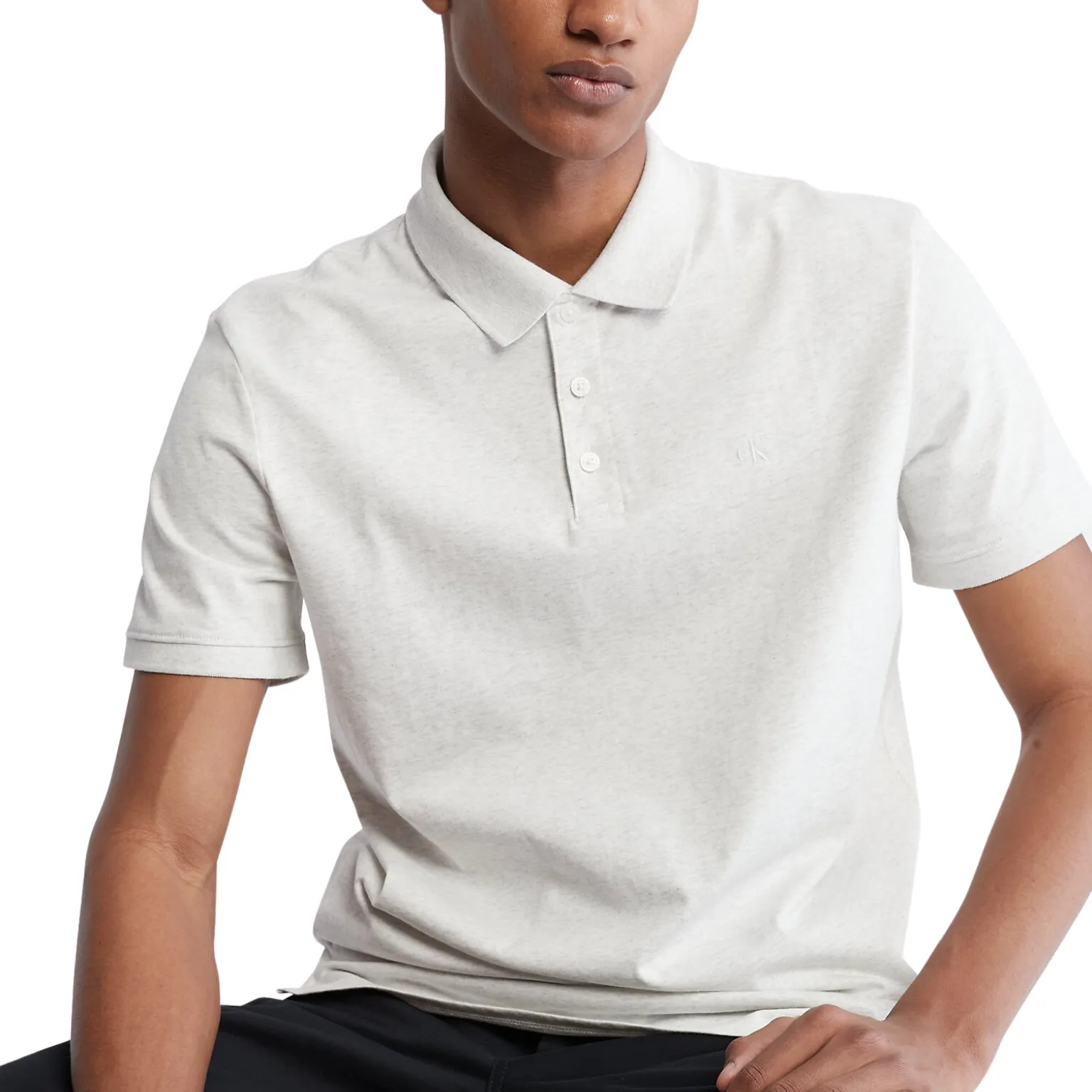
Our product range covers a wide variety of activewear items, including: leggings, shorts, sports bras, T-shirts, jackets, golf polos, sports dresses, yogawear, seamless clothing and more.
Why Partner with Us
- High-Technology Production & Capacity: Annual production capacity of 10 million pieces, supported by advanced machinery and efficient processes.
- Full-package services covering material sourcing & development, pattern making, bulk manufacturing, custom prints, labels & hangtags, packaging, and logistics.
- Strict quality control: 100% end line inspection, AQL, final, third party check guarantees consistent quality across all production batches.
- International Certifications: Our factory meets global standards, including: SA8000 & WRAP-certified, ISO 9001:2015, GRS, GOTS, OEKO-TEX STANDARD 100, FSC, and OCS certifications – assuring ethical, sustainable, and traceable production.
In conclusion, activewear has become an essential part of modern lifestyle, balancing function, comfort, and fashion. Bring your own activewear collection to life with Thygesen Textile Vietnam, a trusted partner for global brands, offering full-package services and sustainable manufacturing. Visit thygesenapparel.com or email sale@thygesen.com.vn to get started today.