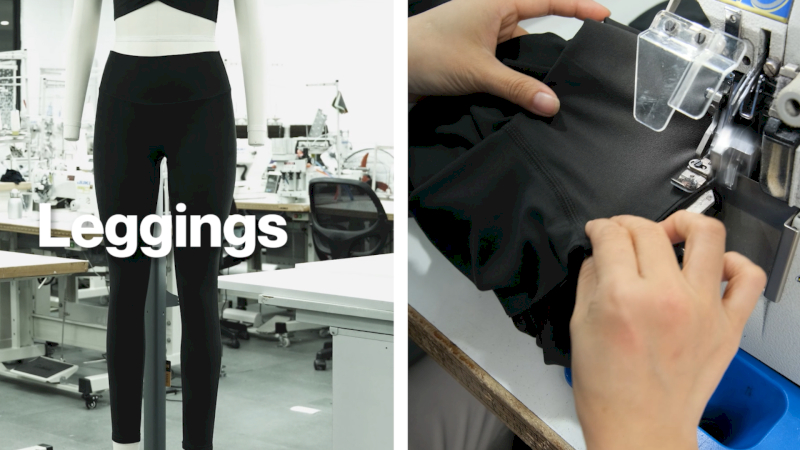
Behind every perfect pair of leggings is a detailed manufacturing process. Discover the leggings manufacturing process and how collaborating with an experienced clothing manufacturer transforms your designs into reality.
Understanding the intricacies of the apparel industry and the most standard production process today is key to successful clothing production.
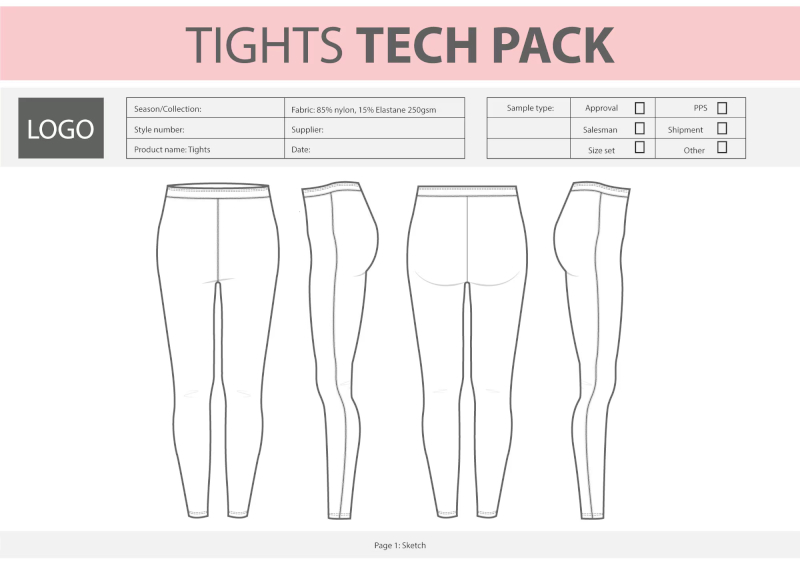
Step 1: Design & Tech Pack Development
Careful planning from the design and development stage helps prevent misunderstandings, optimize costs, and ensure technical requirements are clearly defined. This step lays the foundation for smooth collaboration between the brand and the manufacturer, from fabric selection and style to details like stitching, stretch levels, and branding elements.
- Brands: The brand is responsible for defining the product concept, target customer, and performance expectations. They should provide design sketches or reference samples and develop a detailed tech pack that includes fabric specifications, GSM, stretch level, stitching, trims, and branding elements. The more detailed the information provided, the smoother the collaboration with the manufacturer, minimizing miscommunication and aligning all parties on the product vision from the start.
- Clothing manufacturer: The manufacturer’s role is to review design feasibility, provide technical input on construction and durability, and suggest cost or performance optimizations. Before moving to sourcing, the manufacturer must confirm production viability, ensuring that every technical detail can be executed and that the final product meets the required quality standards.
This detailed approach is central to the entire Clothing Manufacturing Process: How to Bring Your Designs to Life with precision and quality.
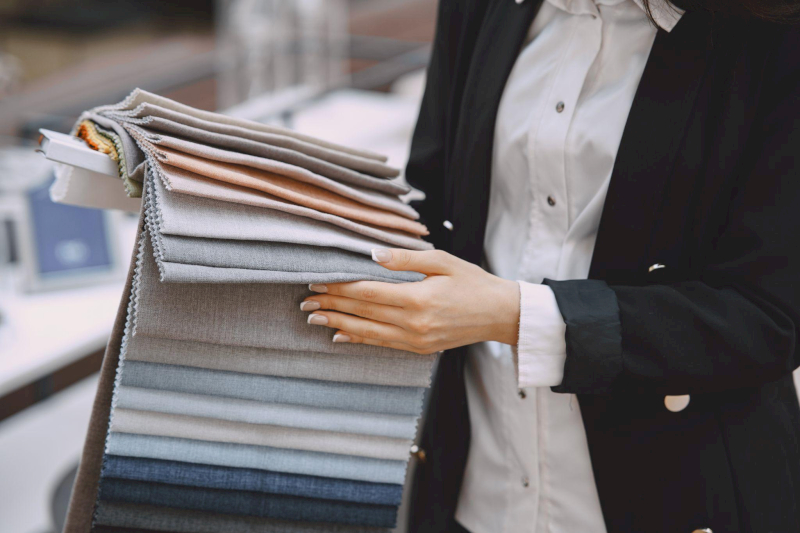
Step 2: Material Selection & Sourcing
Material selection and sourcing are critical in determining the quality, comfort, and performance of the final leggings. Choosing the right fabric affects stretch, breathability, durability, and even the garment’s look and feel. This step ensures that the materials meet both the brand’s performance expectations and production feasibility, forming the foundation for consistent product quality across batches. Proper sourcing also helps manage costs and ensures timely production.
For brands developing performance-driven leggings and activewear lines, working with experienced athletic clothing manufacturers ensures access to the right technical fabric knowledge, functional construction expertise, and reliable production capabilities. A curated list of athletic clothing manufacturers is available for brands comparing sourcing partners across different markets and specializations.
- Brand: The brand should provide finalized requirements for the fabric type they want. If they are uncertain, the brand can leave it to the clothing manufacturer for technical guidance. The brand may also specify preferred suppliers or alternatively provide criteria for the manufacturer to source and purchase the materials on their behalf.
- Clothing manufacturer: The manufacturer is responsible for reviewing fabric feasibility based on the design and performance requirements, proposing alternatives if needed for cost, availability, or performance improvements, and sourcing fabrics from reliable suppliers. They must verify quality, compliance, and consistency before approving the materials for production, ensuring that the selected fabrics will perform well throughout manufacturing and in the final product.
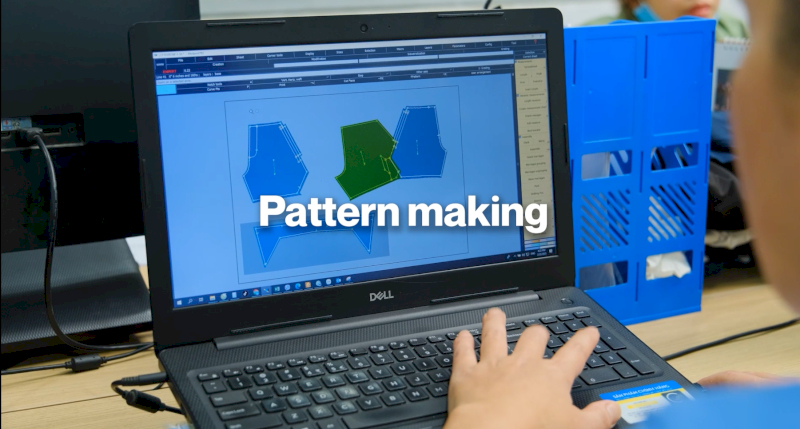
Step 3: Pattern Making & Sample Development
Pattern making and sample development are crucial for translating design concepts into tangible products. This step ensures the fit, proportions, and performance of the leggings meet the brand’s expectations before mass production.
- Brand: The brand should provide accurate measurements, sizing guidelines, and fit expectations. They may also give reference garments or existing products that reflect the desired fit, style, or performance. During sample development, the brand reviews initial prototypes, provides feedback, and approves adjustments to ensure the final product meets their design intent, quality, and functional requirements. Clear and timely feedback is essential to streamline the process and avoid delays.
- Clothing manufacturer: The manufacturer is responsible for creating precise patterns by specific software, developing initial prototypes or samples, and testing them against the brand’s specifications. In fact, the cycle of research, sample making and fitting tests is a vital loop between brand and manufacturer. It ensures that the product balances between design intention and production efficiency.
Step 4: Production Planning & Cutting
Production planning and cutting mark the transition from development to bulk manufacturing. This step ensures that materials, timelines, and resources are properly organized before sewing begins.
Accurate production planning minimizes delays, controls costs, and prevents material waste. Meanwhile, precise cutting is critical because it directly impacts garment fit, consistency, and fabric utilization. Any mistake at this stage can affect the entire production batch, making this step a key quality control checkpoint in the leggings manufacturing process.
- Brand: At this stage, the brand must provide final approval of the pre-production sample (PPS), confirm order quantities per size and color, and align on delivery timelines. They should also reconfirm any special requirements such as labeling, packaging, compliance standards, or testing protocols. Clear confirmation from the brand ensures that the manufacturer can proceed confidently with bulk cutting and production without risk of later changes that may cause delays or additional costs.
- Clothing Manufacturer: The manufacturer is responsible for creating a detailed production plan, allocating machines, labor, and timelines accordingly. They must carefully conduct fabric inspection and relaxation (if required) before cutting to ensure dimensional stability. The cutting team prepares accurate markers to optimize fabric usage, reduces waste, and ensures consistency across all sizes. Quality checks at this stage are essential to confirm that cut panels match approved specifications before moving to the sewing line.
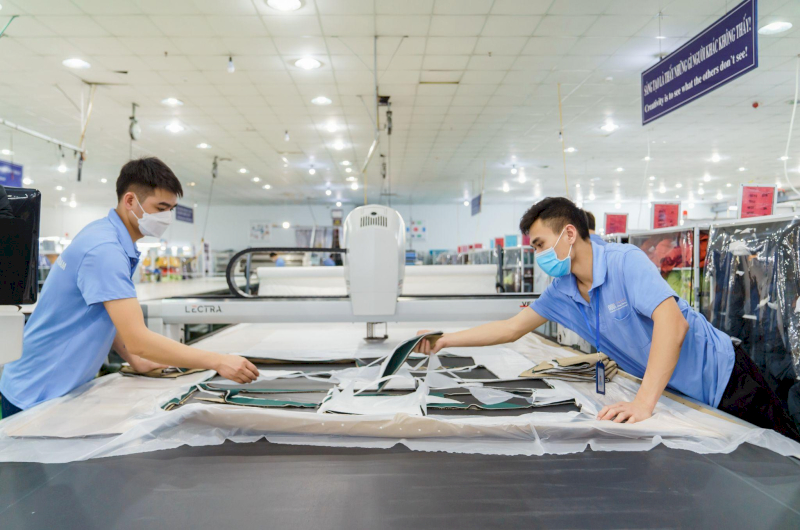
Step 5: Sewing & Assembly
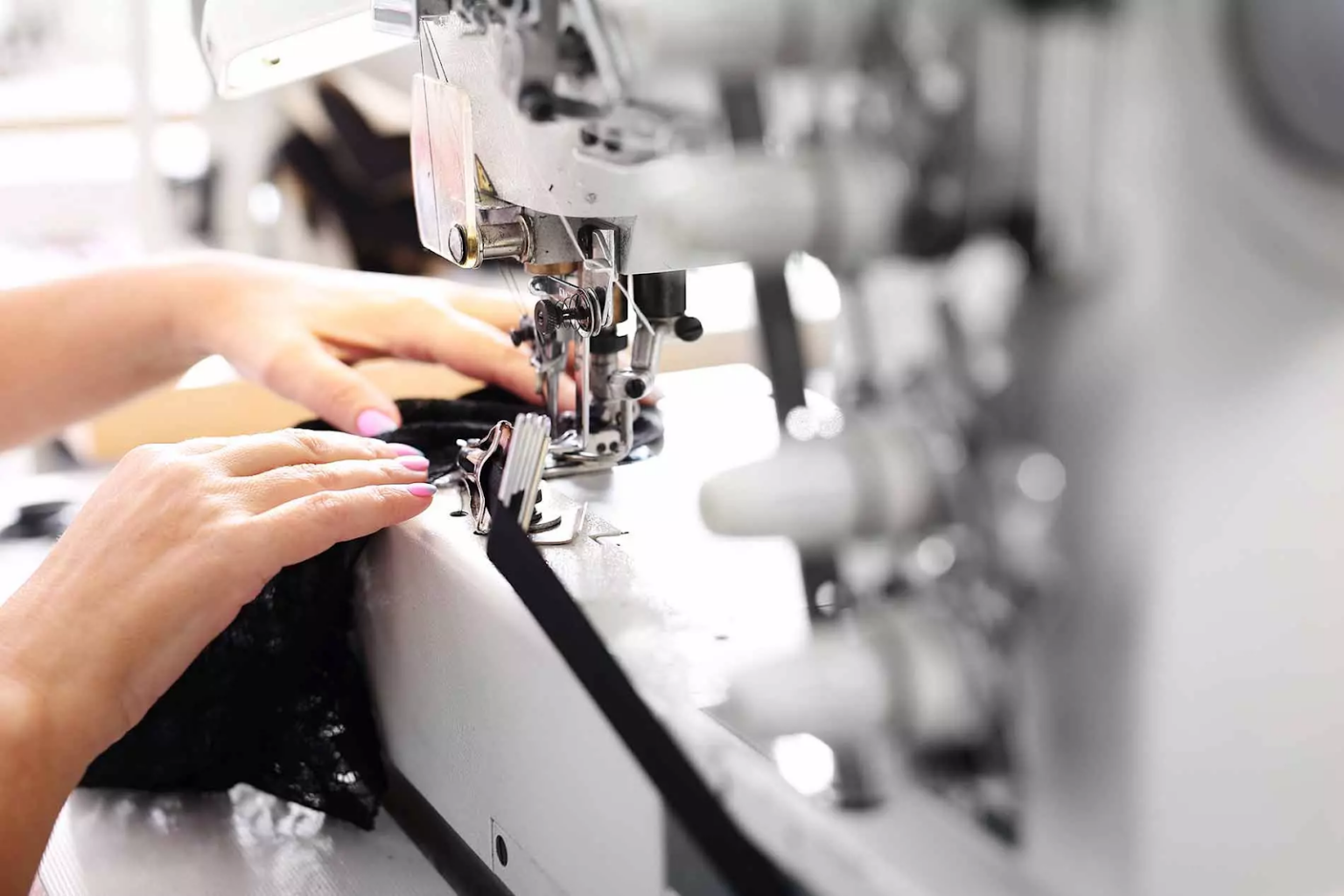
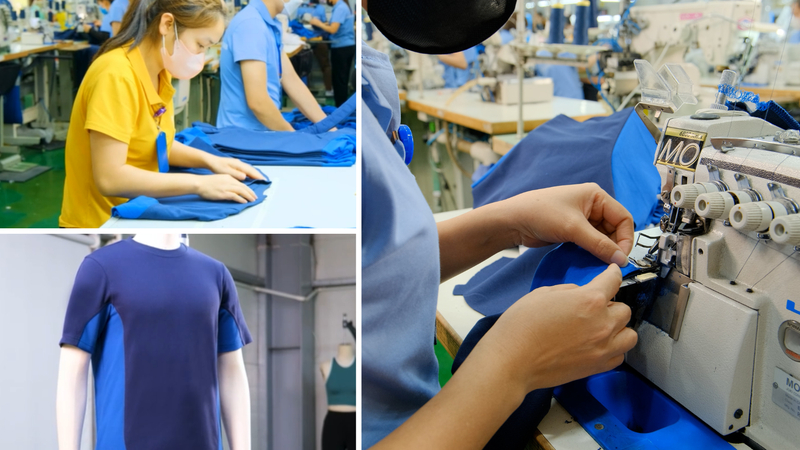
Sewing and assembly are where individual fabric panels are transformed into finished leggings. This stage directly impacts durability, comfort, stretch recovery, and overall garment performance. Proper seam construction, thread selection, and stitch type are critical, especially for activewear leggings that must withstand movement, tension, and repeated washing. High precision in this step ensures the product maintains shape, prevents seam breakage, and meets performance expectations.
>> This transformation process is the core of cut and sew manufacturing — a production method where each fabric panel is precisely cut to pattern and assembled through specialized stitching operations, giving brands full control over construction quality, fit, and finishing. Brands researching this production model can explore a curated list of cut and sew manufacturers across key sourcing regions to find partners that match their technical requirements and volume needs.
- Brand: At this stage, the brand’s role is relatively limited compared to earlier phases. The brand primarily ensures that all approved specifications, construction details, and quality standards are clearly documented and aligned before bulk sewing begins.
- Clothing Manufacturer: The manufacturer carries the main responsibility during sewing and assembly. They must ensure correct stitch types (e.g., flatlock, overlock, coverstitch), proper seam allowance, and reinforcement at stress points such as the waistband, crotch, and side seams. Production supervisors oversee line balancing, operator training, and quality control checks to maintain consistency across large volumes. Inline inspections are conducted to detect defects early, minimizing rework and ensuring the finished leggings meet approved standards before moving to finishing and final quality control.
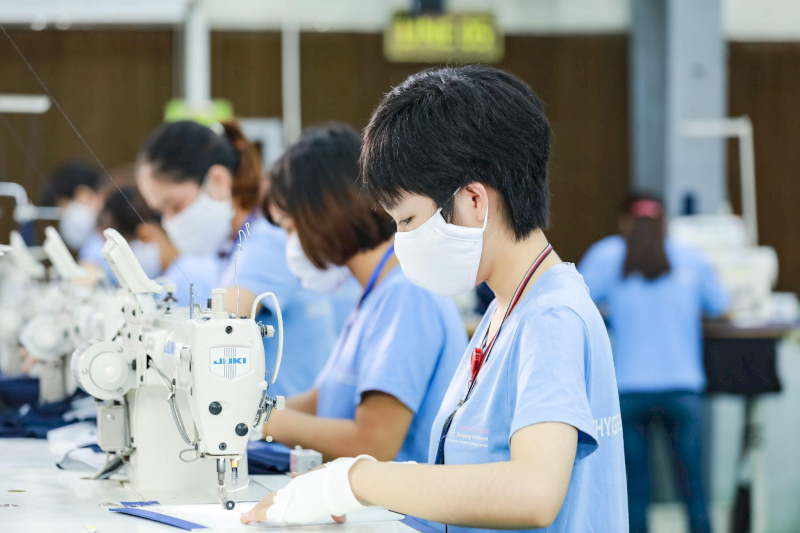
Step 6: Finishing & Quality Control
Finishing and quality control are the final checkpoints before leggings are delivered to the market. This step ensures that every garment meets the brand’s standards for appearance, performance, and compliance. Proper finishing enhances the product’s visual appeal and functionality, while thorough quality control prevents defective items from reaching customers.
- Brand: At this stage, the brand should confirm the quality control standards and inspection methods, such as 100% inline/end-line inspection or final random inspection based on agreed AQL levels. They must also define defect classification, testing requirements, and packaging guidelines. If needed, the brand may request third-party inspections or compliance testing (e.g., colorfastness, stretch recovery, pilling, or chemical compliance) to ensure all standards are met before shipment.
- Clothing Manufacturer: The manufacturer is responsible for executing all finishing processes, including trimming excess threads, cleaning, pressing or steaming (if required), attaching labels and tags, and final packaging. A comprehensive quality control process must be conducted, including in line end line, final inspections based on deals. Measurements are rechecked, visual defects are identified, stretch and seam strength may be spot-tested, and packaging accuracy is verified. Only after passing final inspection should the goods be approved for shipment.
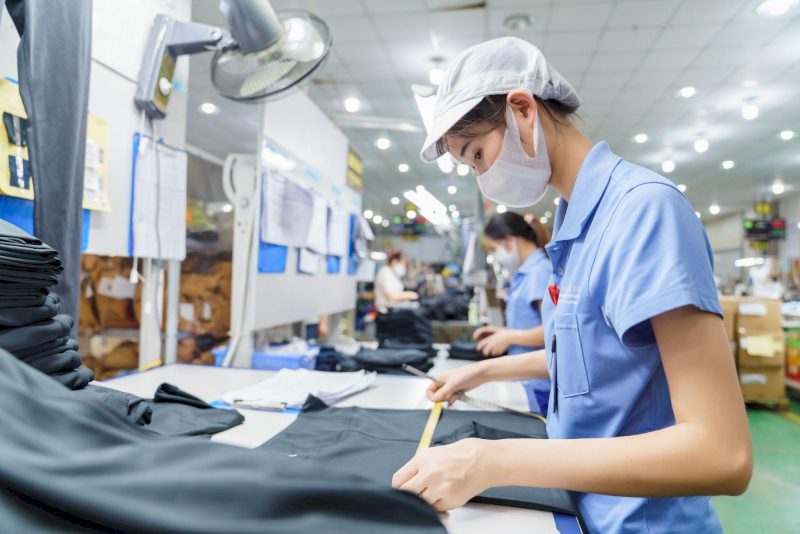
Thygesen Textile Vietnam – Full Package Clothing Manufacturer
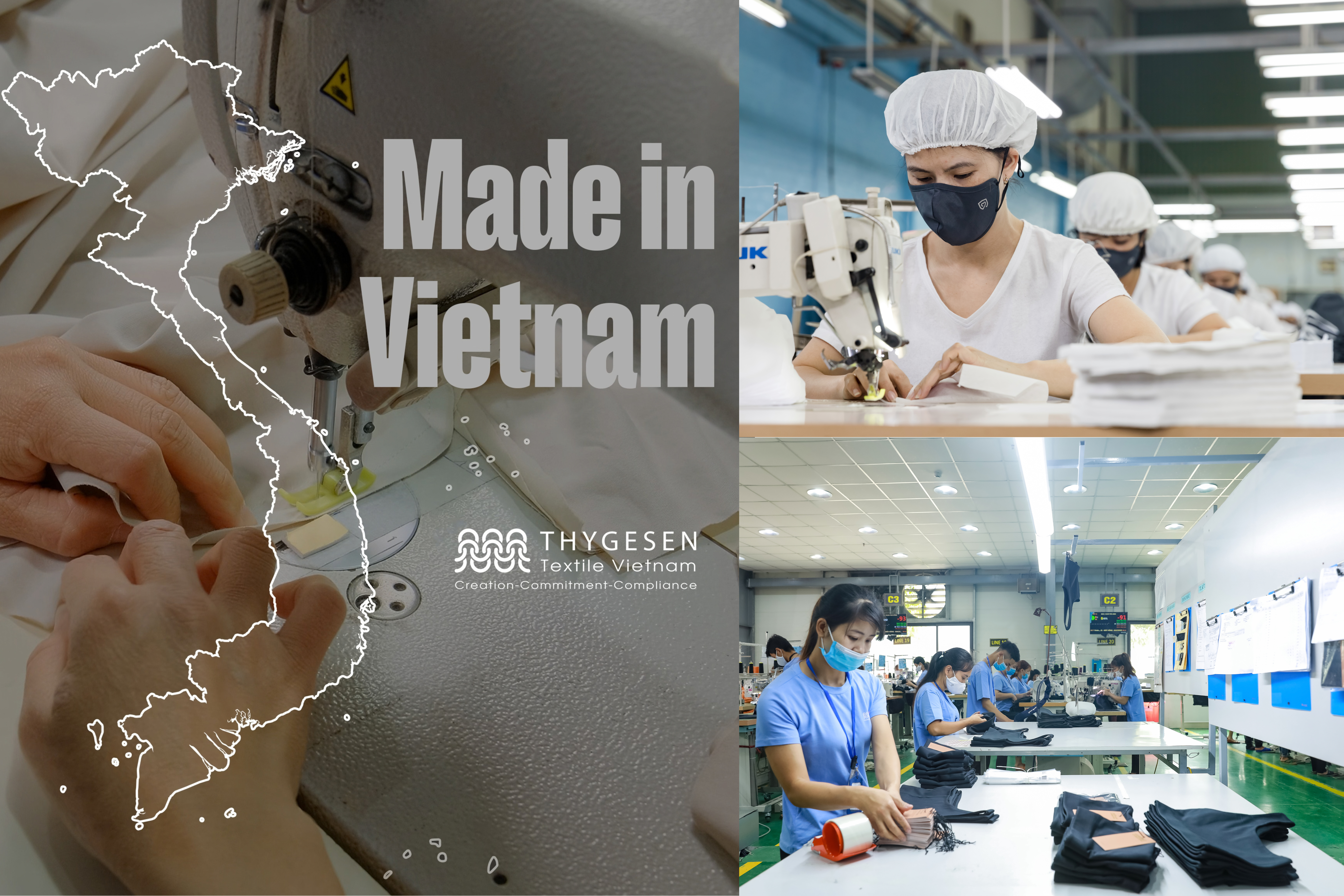
Thygesen Textile Vietnam is a full-package clothing manufacturer, offering a simple and streamlined process, from fabric sourcing to product development, bulk production, custom label, hang tags, packaging, and logistics. Our workflow is carefully optimized for mass production efficiency, ensuring smooth collaboration, consistent quality, and reliable lead times for global fashion brands for various product lines: activewear, casualwear, kidswear, uniform etc. Brands sourcing casualwear specifically, including hoodies, can check our guide to a reliable hoodie manufacturer for more options.
Our expertise in activewear extends to specialized items like sports jacket manufacturing, ensuring high-performance gear for athletes and fitness enthusiasts.
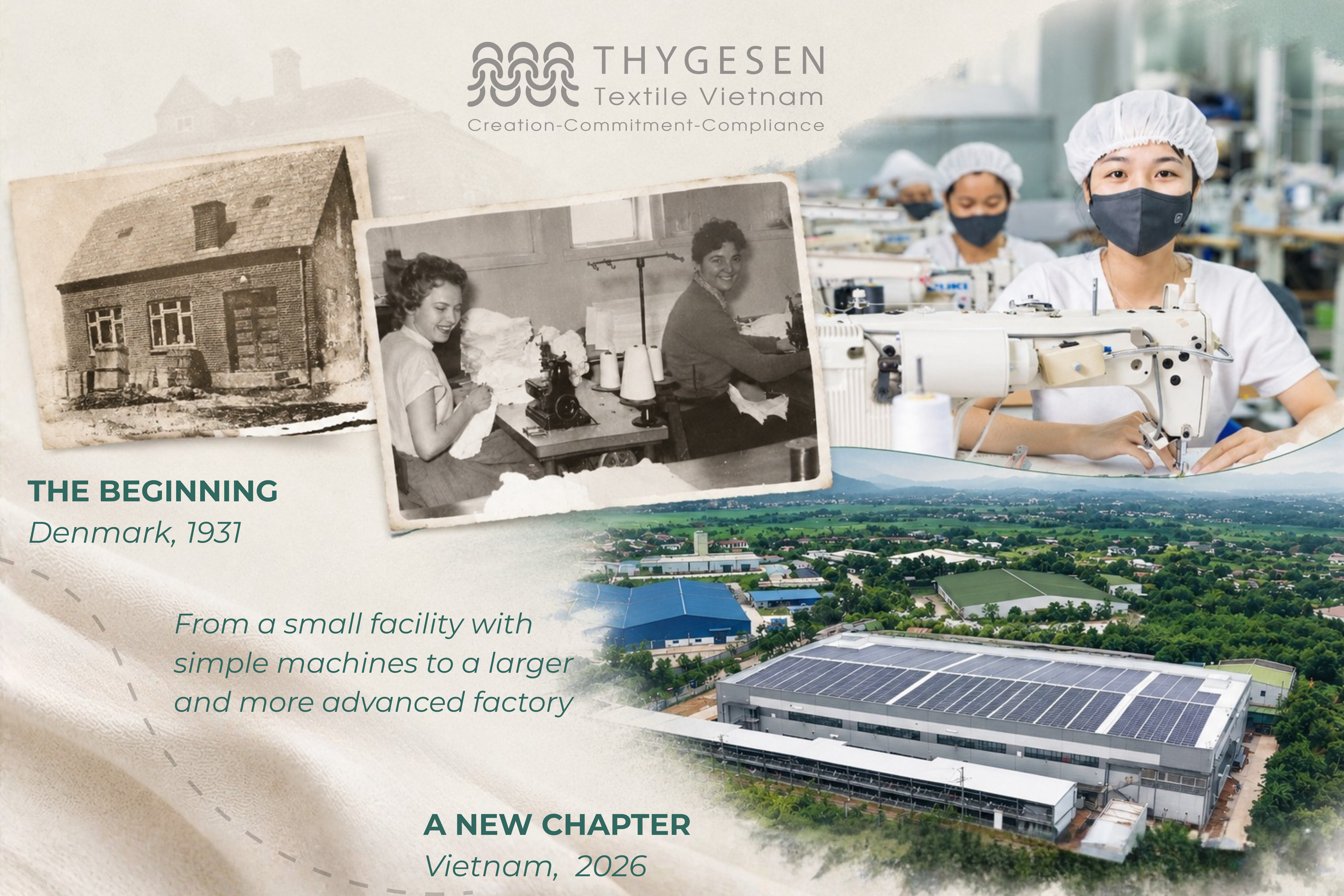
As an ethical apparel manufacturing partner in Vietnam and an experienced legging manufacturer, Thygesen operates in an SA8000 and WRAP-certified factory, complying with ISO 9001:2015, GRS, GOTS, OEKO-TEX STANDARD 100, FSC, and OCS standards. With over 90 years of experience in the textile industry, we provide comprehensive OEM/ODM services – from design consultation and material sourcing to large-scale production – supporting leading sustainable fashion brands worldwide.
>Brands that prioritize sustainable fibers such as bamboo can also explore this category beyond activewear — bamboo is increasingly popular in eco-conscious sleepwear for its natural softness and breathability. A curated list of experienced bamboo pajama manufacturers is available for brands looking to expand their sustainable product range into sleepwear alongside their leggings collections.
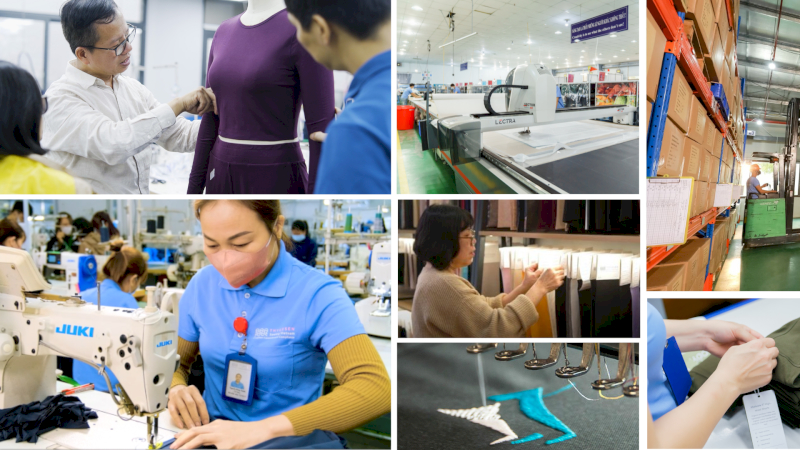
In conclusion, From design to finished product, the leggings manufacturing process involves careful planning and collaboration with manufacturers to ensure every pair meets high standards of quality and comfort. If you are looking for a reliable, ethical, and full-package manufacturing partner, Thygesen Textile Vietnam is ready to support your brand from development to mass production. Visit us at thygesenapparel.com or contact our team directly at sale@thygesen.com.vn to discuss your next project.