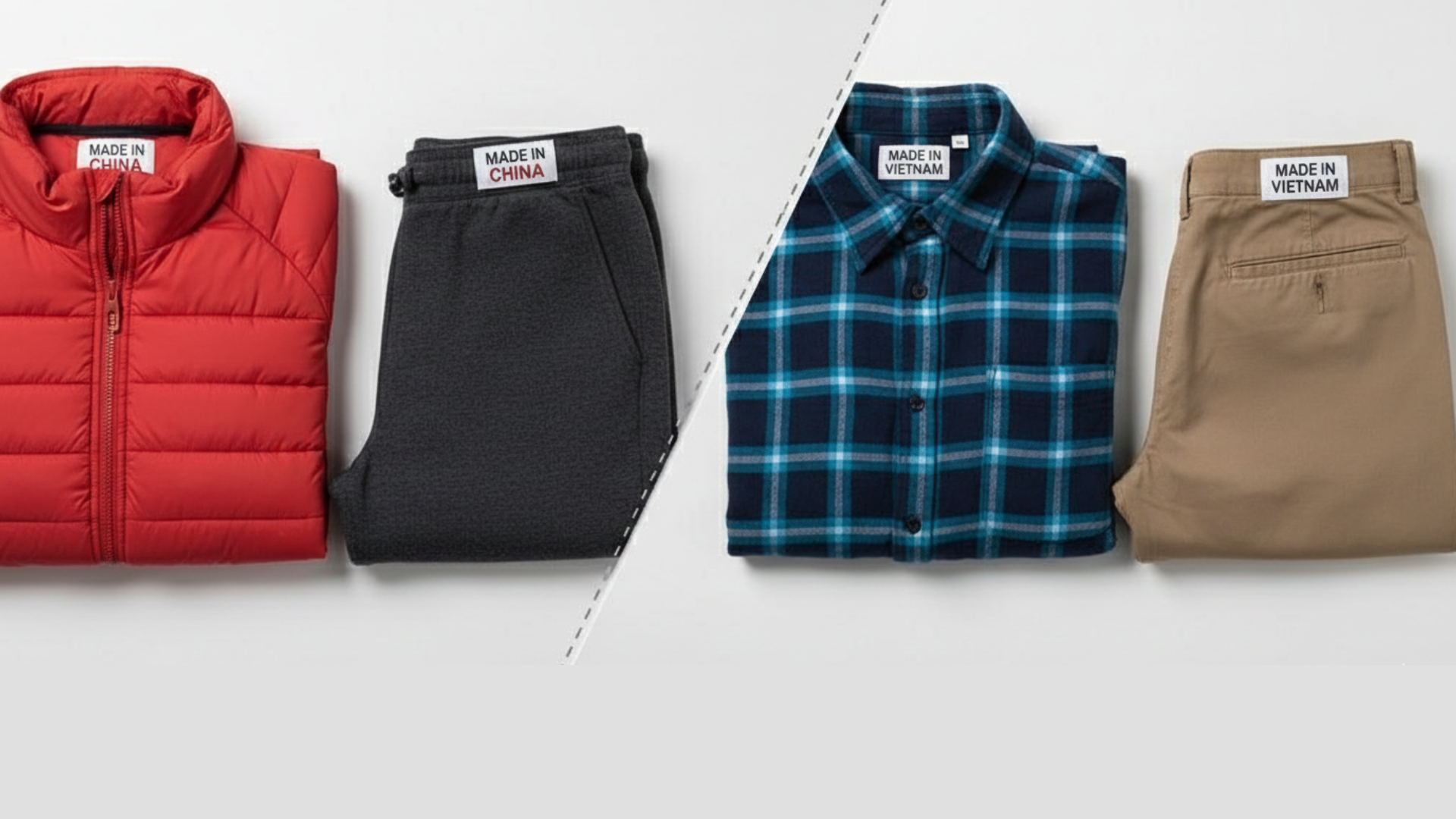
For decades, the “Made in China” label dominated Canadian retail racks. However, as we move through 2025, a significant structural shift is underway. Canadian fashion brands, from high-end boutiques to large-scale retailers are increasingly diversifying their supply chains, with Vietnam emerging as the premier destination.
But why now? And what makes Vietnam the strategic winner for the Canadian market?
>>> Understanding why fashion global brands are moving production to vietnam involves a look at several key economic and ethical factors.
1. The Tariff Advantage: CPTPP vs. MFN
The most immediate driver is the bottom line. China does not have a Free Trade Agreement (FTA) with Canada, meaning most apparel imports are subject to Most Favored Nation (MFN) tariffs, often as high as 18%.
In contrast, Vietnam is a core member of the CPTPP.
- Vietnam: 0% import duties for compliant apparel.
- China: ~17-18% import duties.
For a Canadian brand, shifting production to Vietnam can instantly improve gross margins by nearly 20% without changing the retail price. In a high-inflation environment, this is a competitive necessity.
2. Labor Dynamics and Manufacturing Costs
While China was once the low-cost champion, its demographic landscape has changed. An aging workforce and a shift toward high-tech industries have caused garment labor costs in China to skyrocket.
Vietnam offers a “Sweet Spot”:
- Skilled Workforce: Vietnam has invested heavily in vocational training specifically for the textile and garment sector.
- Competitive Wages: Labor costs remain more favorable than in China’s coastal manufacturing hubs, while productivity levels have reached global benchmarks.
3. Sustainability and “The Green Shift”
Canada’s consumer base is among the most eco-conscious in the world. Furthermore, the Fighting Against Forced Labour and Child Labour in Supply Chains Act has placed strict transparency requirements on Canadian businesses.
>>> Beyond these acts, the growing focus on the eu circular economy in apparel manufacturing is also influencing sourcing decisions globally, driving demand for sustainable practices.
Vietnam has been proactive in this “Green Race”:
- Solar-Powered Factories: Many Vietnamese manufacturers, including Thygesen Vietnam, are integrating renewable energy.
- Traceability: The Vietnamese industry is built on transparency, making it easier for Canadian brands to audit their supply chains and comply with Canadian laws compared to the often-opaque tiers of Chinese manufacturing.
>>>This focus on clear supply chains is crucial for achieving traceability & transparency in eu apparel supply chain, a goal many brands are actively pursuing.
4. Risk Mitigation (China Plus One Strategy)
Geopolitical tensions and the memory of pandemic-era lockdowns have taught Canadian supply chain managers one lesson: Do not put all your eggs in one basket. The “China Plus One” strategy isn’t about leaving China entirely; it’s about building a resilient alternative. Vietnam’s proximity to major shipping lanes and its stable political environment make it the ideal secondary (or now primary) hub for North American brands.
Partnering for the Future: Thygesen Textile Vietnam
Transitioning your production from China to Vietnam requires more than just a new address; it requires a partner who understands the nuances of the Canadian market.
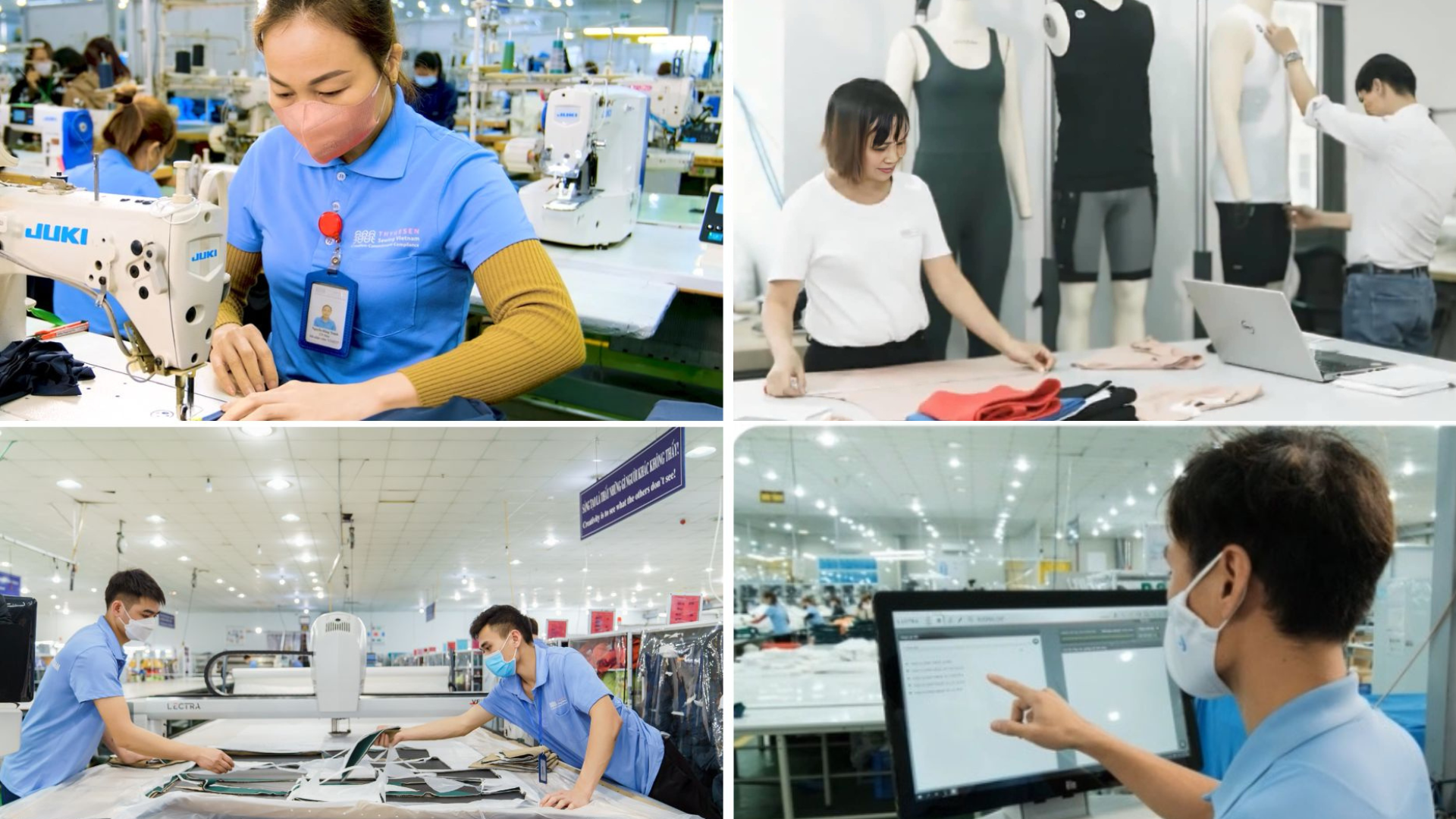
Thygesen Textile Vietnam stands at the intersection of global quality standards and Vietnamese manufacturing efficiency.
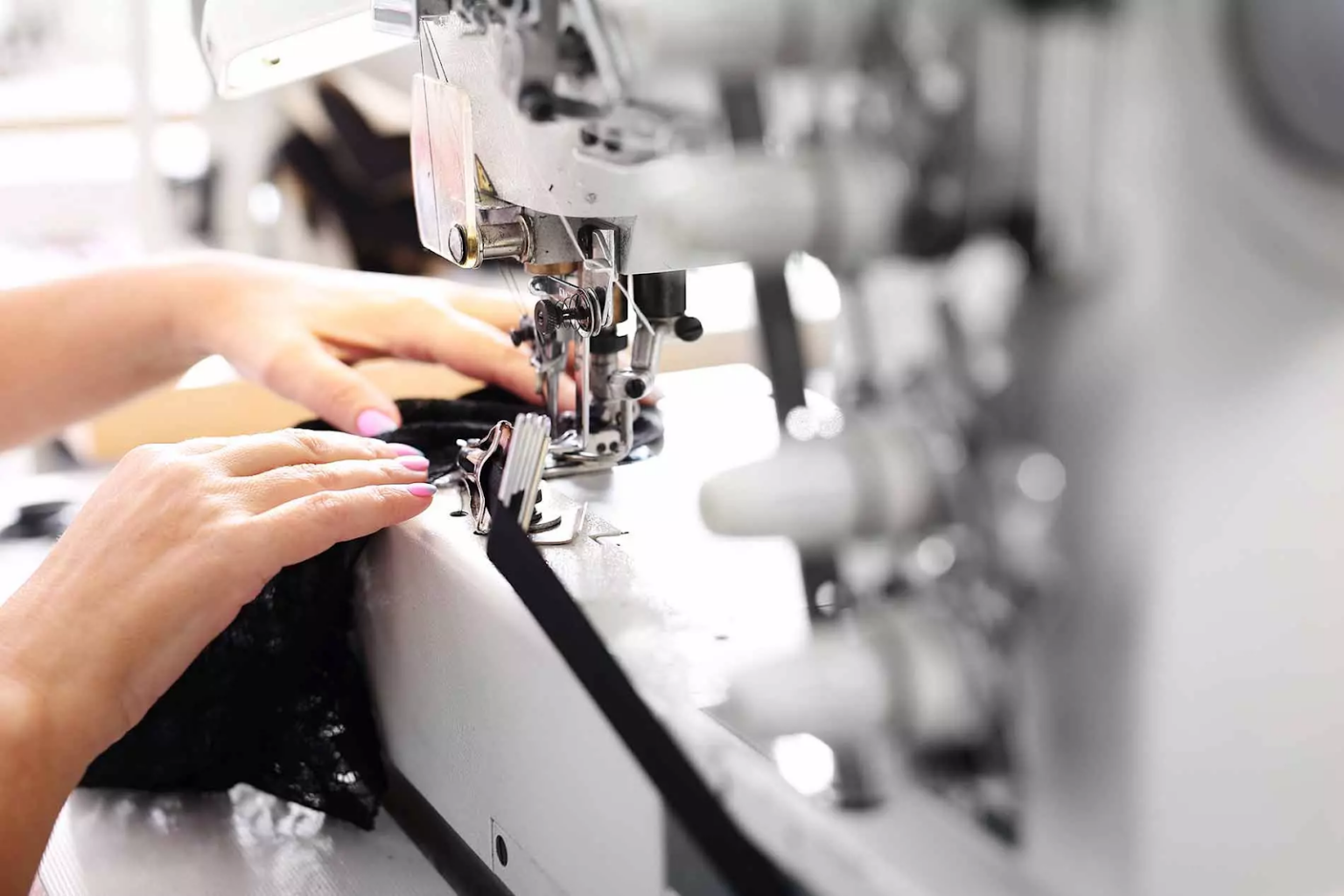
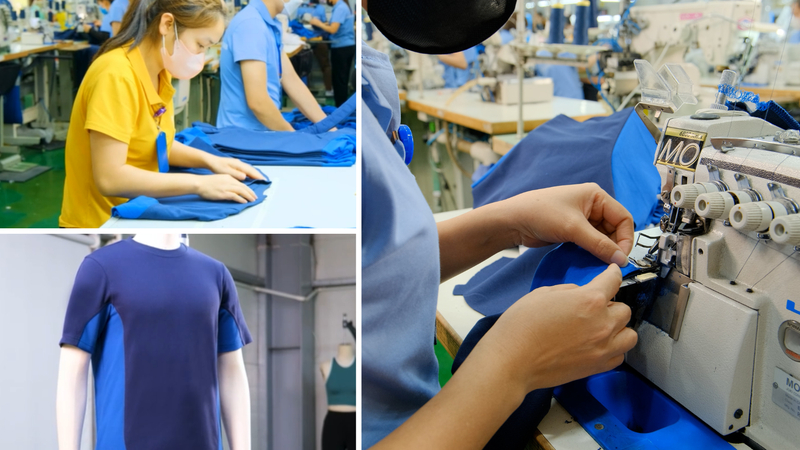
- FPP (Full Package Production): We handle everything from fabric development to logistics, making the transition from China seamless for your team.
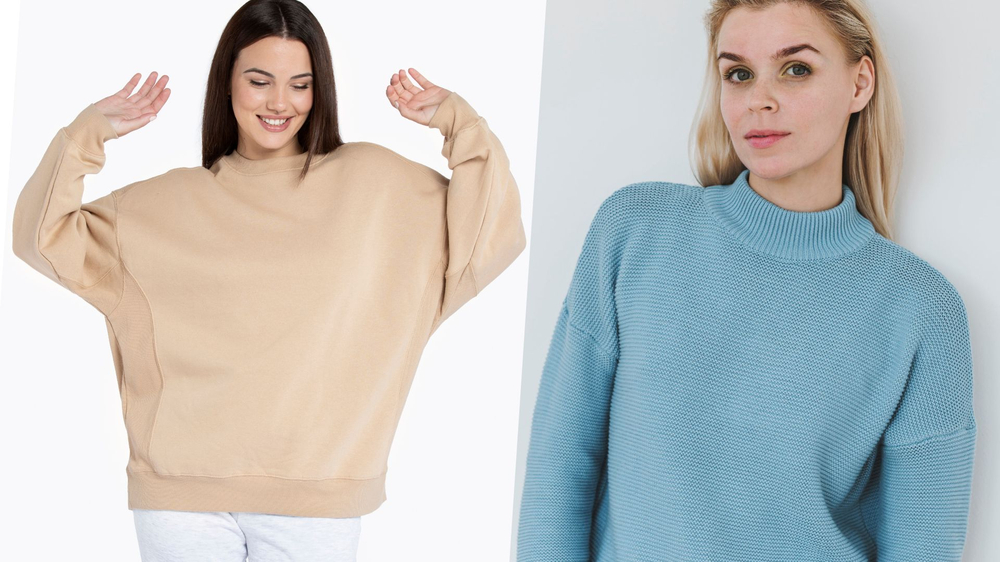
- Technical Expertise: While China excels in mass-market basics, Thygesen specializes in technical garments, activewear, and complex knitwear – the high-value products that Canadian brands are famous for. Whether you’re vetting a reliable hoodie manufacturer for your casualwear line or trusted athletic clothing manufacturers for performance collections, our technical capabilities cover both categories.
- Sustainability-First: With SA8000 and WRAP certifications, we ensure your brand is protected against compliance risks and aligns with Canadian values.
Is your brand ready to optimize its 2026 sourcing strategy? Please contact us: sale@thygesen.com.vn to discuss more or check our website: thygesenapparel.com