Traceability is no longer a marketing claim-it is a mandatory market-entry requirement. New EU laws, led by the Digital Product Passport (DPP), demand complete, verifiable data on every garment. Without this visibility, brands face severe compliance risks. This guide provides a clear strategy for brands to move beyond Tier 1 supplier visibility and achieve the end-to-end transparency required to operate safely and competitively in the EU market starting in 2025.
1. Why Traceability Is The New Market Entry Barrier
The drive for transparency is fueled by both consumer demand and strict legislation. For brands, unverified claims and poor data management are now major financial liabilities, not just ethical concerns.
1.1. Legal Risk: The DPP and ESPR Mandates
The European Union is fundamentally shifting the burden of proof to the brand. Traceability is now the only way to demonstrably comply with the Ecodesign for Sustainable Products Regulation (ESPR), which sets minimum sustainability criteria for almost all physical goods. The Digital Product Passport (DPP) is the operational mechanism for this compliance, making the data trail mandatory. Failure to provide accurate, auditable data will result in crippling fines and mandatory product withdrawal from the lucrative EU market. Simply put, no traceability means no market access.
1.2. Financial Risk: Avoiding Greenwashing Penalties
EU consumer protection laws are aggressively cracking down on misleading environmental claims—a practice commonly known as greenwashing. Traceability provides the auditable, third-party verified proof needed to confidently back up any sustainability claims about materials, production, or lifespan. Investing in robust traceability now is the critical defense against costly legal action, massive financial penalties, and irreversible damage to brand reputation.
>>> Understanding what is greenwashing and how clothing manufacturers can help brands deliver real sustainability is key to avoiding these penalties and building genuine consumer trust.
2. The Core Data Challenge: Preparing for the Digital Product Passport (DPP)
The DPP is the centralized mechanism for traceability, acting as a digital twin for every physical product. Brands must urgently understand what specific data points are required and, more crucially, how to collect them reliably and securely from their extended supply chain.
2.1. DPP Data Requirements: Beyond the Basics
The DPP is far more than a simple material list; it is a comprehensive, structured data file tied to the garment via a unique digital identifier (like a QR code). Essential data required by the DPP includes:
- Fiber Origin and Composition (Tier 4 visibility)
- Chemical Content (Proof of REACH compliance)
- Recycled Percentage (Verifiable by batch)
- Durability and Repairability Scores
- End-of-Life Instructions (Recycling/disassembly)
Meeting this standard requires granular data capture at every single tier of the supply chain, moving far beyond generic certifications.
>>>This extensive list underscores why beyond quality why durability reparability matter in sustainable apparel for the eu market, forming critical components of a product’s overall environmental profile.

2.2. The Role of Manufacturers: Data Capture at the Source
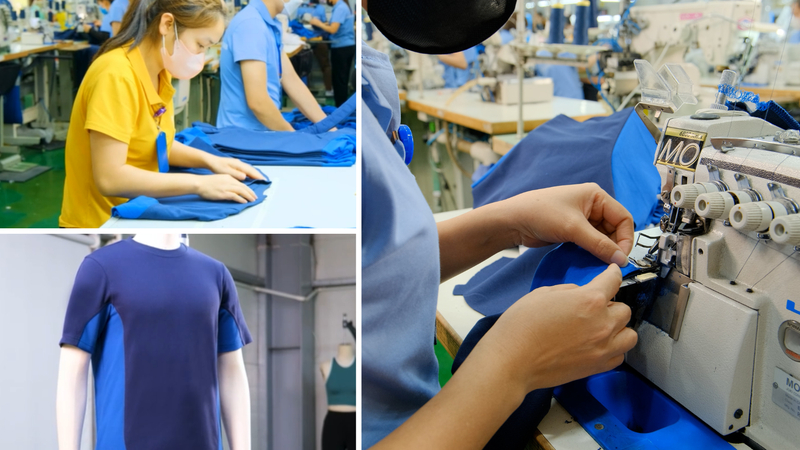
The factory floor (Tier 1 & 2) is the most common point where critical data is lost, aggregated, or corrupted. To solve this, manufacturers must implement robust digital systems – such as advanced Enterprise Resource Planning (ERP) or specialized tracking software -to accurately record:
- Material inputs (linking certified batches to purchase orders).
- Process data (energy/water use, dye lot numbers).
- Linking unique Batch IDs to the final, individual Garment IDs.
For brands, this means choosing manufacturing partners who have already digitized their operations and are ready to share this validated data.
3. Strategy: Implementing End-to-End Traceability
True transparency in apparel is only achieved by mapping the entire chain, from raw materials (Tier 4/3) to the finished product (Tier 1/0). This is a two-pronged approach: securing certified sourcing and establishing robust digital linking.
3.1. Tier 4/3: Securing Raw Material and Fiber Data
Traceability starts with certified materials. Brands must move away from generic sourcing and insist on using materials verified by credible, internationally recognized standards such as GRS (Global Recycled Standard), GOTS (Global Organic Textile Standard), or OCS (Organic Content Standard). These certifications provide the initial, auditable Chain of Custody documentation required to securely begin the DPP data journey. If the raw material data is compromised, the entire DPP is invalid.

3.2. Tier 2/1: Batch Tracking and Digital Linking
The manufacturing stage is the most critical for maintaining the chain of custody. Suppliers must use rigorous batch tracking systems to prove that the certified input materials are correctly and exclusively matched to the final output garments, ensuring no mixing, substitution, or dilution occurs. This digital linkage must be maintained through production, packaging, and shipping to ensure the physical garment ID can be connected back to the digital DPP file.
3.3. Trust Building: Sharing Verified Data with Consumers
The investment in traceability is not just about compliance—it is a powerful tool for marketing. Transparent brands win customer loyalty. Use the verified data collected for the DPP to power engaging, consumer-facing stories (e.g., via QR codes on product tags) that build loyalty, communicate values, and justify a premium price point.
3.4. Supply Chain Optimization
Detailed traceability data is a strategic asset. It reveals bottlenecks, exposes efficiency gaps, and highlights high-risk areas in your supply chain (e.g., non-compliant chemical use or slow-moving batches). Brands can use this data for strategic decision-making, improving material sourcing efficiency, and proactively managing risks before they escalate to compliance failures.
>>> This holistic view also emphasizes The Importance of Carbon Footprint & Product Lifecycle Evaluation for a Sustainable Fashion Future, providing actionable insights for environmental improvements at every stage.
4. Building Your Traceability with Thygesen Vietnam
Building a full, compliant end-to-end traceability system in-house – from Tier 4 data gathering to DPP file creation – is financially burdensome, time-consuming, and risky. The fastest, most reliable path to market readiness is partnering with a manufacturer that has already proactively invested in and implemented these compliant digital systems.
Thygesen Textile Vietnam (TGS) is your strategic partner for guaranteed compliance in the EU market:
- Proactive Investment in Compliance: TGS has invested heavily in the necessary digital infrastructure to capture and structure data required for the upcoming DPP and ESPR mandates.
- Certified Supply Chain: TGS operates under stringent, internationally recognized certifications (GRS, GOTS, OCS, OEKO-TEX), ensuring a clean and verifiable Chain of Custody from the fiber level up.
- EU Market Expertise: As a manufacturer with deep ties to the European market, TGS understands the non-negotiable data and quality standards. We support our customers not just in manufacturing, but in the crucial application of product traceability and documentation required for a secure market entry. This expertise spans our full product range – whether you need a reliable hoodie manufacturer for casualwear or trusted athletic clothing manufacturers for performance lines, the same traceability infrastructure applies.

Thygesen Textile Vietnam and the Power of Verified Manufacturing
| Focus Area | How Thygesen Vietnam Supports Your Brand |
| DPP Readiness | Ready-to-use digital systems that capture and structure the mandatory data points (Fiber Origin, Batch IDs, Chemical Compliance). |
| Material Verification | Guaranteed sourcing and processing of materials under key standards (GRS, GOTS, OCS) with complete Chain of Custody documentation. |
| Risk Mitigation | Minimizes greenwashing and compliance risk by providing third-party verified production and material data. |
| Market Advantage | Accelerate your time-to-market in the EU by partnering with a manufacturer already compliant with the 2025 mandates. |
5. Conclusion: Securing Your Future in the European Apparel Market
Traceability is not a future trend; it is the current, non-negotiable reality for operating in the EU apparel market. The combination of the DPP and ESPR makes end-to-end visibility a mandatory cost of doing business. Brands that fail to adapt will face major legal and financial exposure.
To achieve compliance quickly, confidently, and efficiently, partnering with a manufacturer who has already made the significant investment in compliant systems is the smartest business strategy. Thygesen Textile Vietnam is positioned as that secure bridge, providing the certified, verifiable data and manufacturing quality you need to not just meet, but exceed the demands of the modern, transparent supply chain.
=> Don’t let compliance be a bottleneck. Partner with Thygesen Textile Vietnam today to ensure your products have the verified traceability data required for a secure and competitive entry into the EU market.