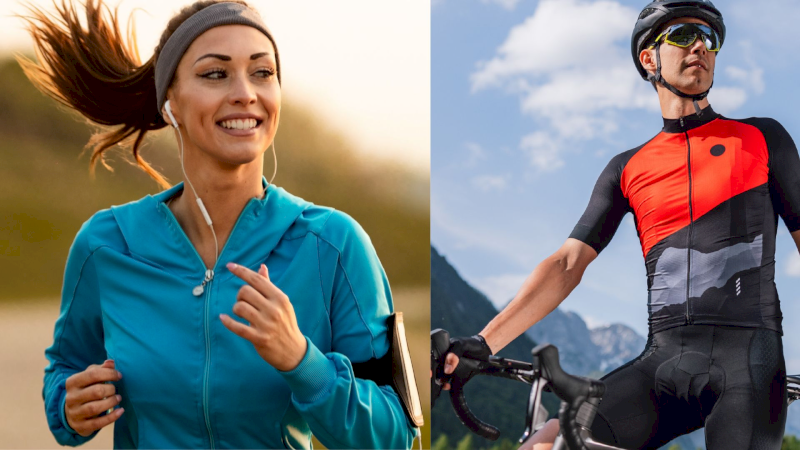
Over the past decade, the activewear industry has experienced remarkable growth, driven by changing lifestyles, rising health awareness, and the global shift toward athleisure. This momentum has led many brands and entrepreneurs to ask: Is Activewear a Good Business? The answer lies in a market full of strong potential – but also increasing competition that requires the right strategy to succeed.
1. Activewear Market Overview
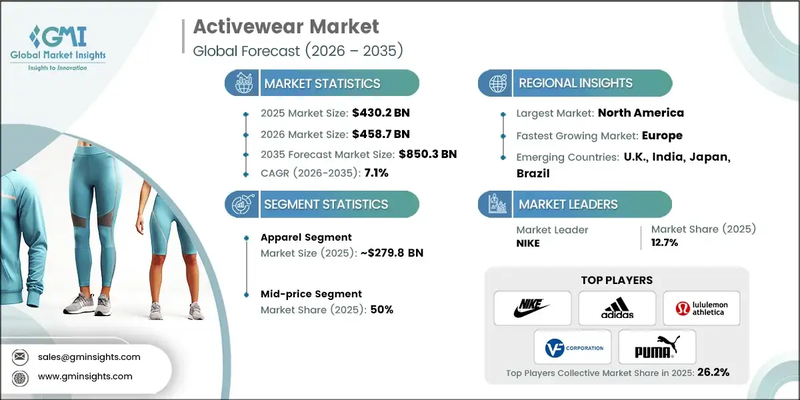
The global activewear sector is projected to hit $458.7 billion this year, maintaining a 7.1% CAGR according to Global Market Insights. This trajectory reflects a permanent shift toward health-focused lifestyles, where high-performance gear is increasingly worn for both fitness and daily social activities.
While North America remains the largest market with a 39% share, Future Market Insights identifies Asia-Pacific as the fastest-growing region. With a projected CAGR of 9.2%, the APAC market is being propelled by rapid urbanization and a growing fitness culture in China and India. This regional momentum has also made Asia a major hub for activewear production, with many global brands turning to activewear manufacturers across Asia to tap into competitive costs, skilled workforces, and increasingly sophisticated manufacturing capabilities. >> For brands starting their search, a curated list of athletic clothing manufacturers can offer a useful starting point for comparing production options across different markets and capabilities.
In terms of product categories, Dimension Market Research reports that Apparel dominates with a 41.6% market share, led specifically by versatile tops and t-shirts. Parallel to this, Research and Markets highlights the Women’s segment as a primary growth driver, reaching a valuation of $140.62 billion in 2026.
Sustainability has transitioned from a trend to a core requirement, with McKinsey & Company noting that recycled materials are now industry standards. Although legacy giants continue to lead, Global Market Insights observes that agile, “challenger” brands are successfully capturing market share through technical innovation and direct-to-consumer digital strategies.
2. The Challenges Behind the Opportunity
Before diving into the opportunities, it’s important to understand the key challenges that brands face in today’s activewear market.
2.1. Market Saturation and Price Wars
The activewear market – especially athleisure basics – has become highly saturated. Fast fashion brands and private labels are constantly pushing out low-cost products, making it easier than ever to enter the market. Much of this low-cost production is concentrated in China, which remains one of the world’s largest activewear manufacturing bases. Brands evaluating their sourcing options can find a detailed overview of activewear manufacturers in China to better understand the capabilities and trade-offs involved before making a decision.
As a result, brands are under pressure not just to perform, but to justify their pricing. Without clear differentiation in design or technology, products quickly become interchangeable. This often forces brands into price competition, which can significantly reduce profit margins.
2.2. The Performance vs. Sustainability Paradox
Most activewear relies on synthetic fabrics like polyester and elastane to deliver stretch, durability, and moisture-wicking performance. However, these materials raise environmental concerns, particularly around microplastics and textile waste.
This creates a difficult trade-off:
- Switching to more sustainable materials can increase costs and affect performance
- Sticking with traditional fabrics can damage brand perception
For many mid-sized brands, balancing performance, sustainability, and cost is a major challenge – especially with growing scrutiny around “greenwashing.”
2.3. Inventory Complexity and Logistics
As consumers demand more personalization, brands are offering more sizes, fits, colors, and seasonal collections. This leads to a rapid increase in SKUs.
Managing this complexity across different sales channels is not easy. If brands fail to accurately predict demand:
- They risk overstocking, which ties up capital
- Or understocking, which leads to missed sales opportunities
With trends changing quickly, having a flexible and responsive supply chain is now critical. This is one reason why some brands are diversifying their sourcing beyond traditional hubs, exploring nearshore options with shorter lead times. Turkey, for example, has become an increasingly popular manufacturing destination for European brands. A closer look at activewear manufacturers in Turkey can be useful for brands prioritizing speed-to-market and supply chain flexibility alongside cost efficiency.
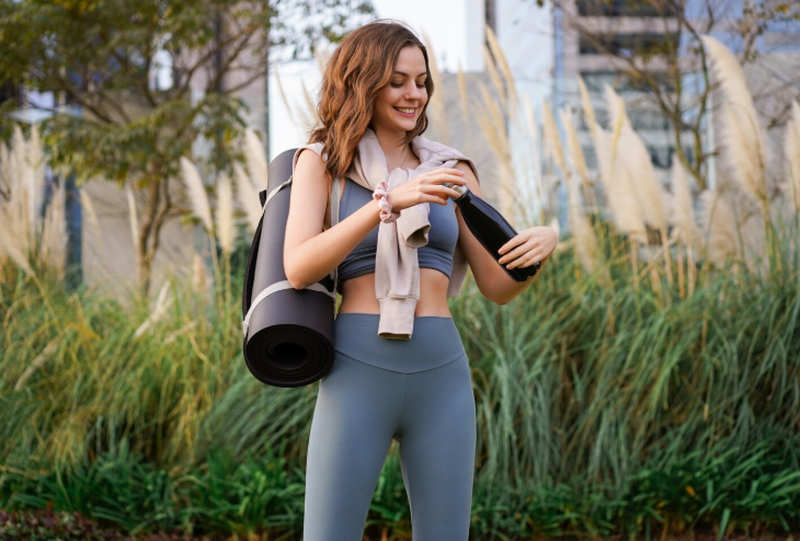
3. Activewear Niche Trends That Can Set Your Brand Apart
In an increasingly saturated market, competing on price or basic functionality is no longer enough. To stand out, brands need to identify niche opportunities where they can deliver unique value, build a clear identity, and connect with specific consumer needs.
3.1. Workleisure – Activewear That Transitions Into Everyday Life
One of the most commercially viable niches is workleisure – activewear designed to look appropriate in casual or even semi-formal settings. As hybrid work and flexible lifestyles become the norm, consumers are actively seeking clothing that eliminates the need for multiple outfit changes throughout the day.
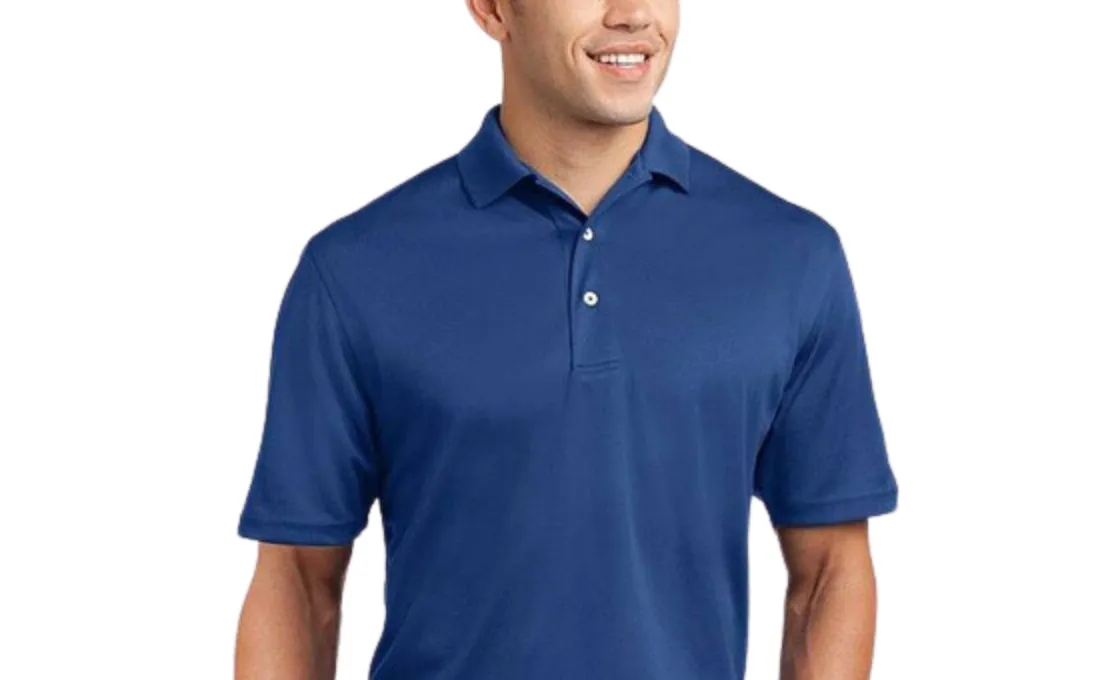
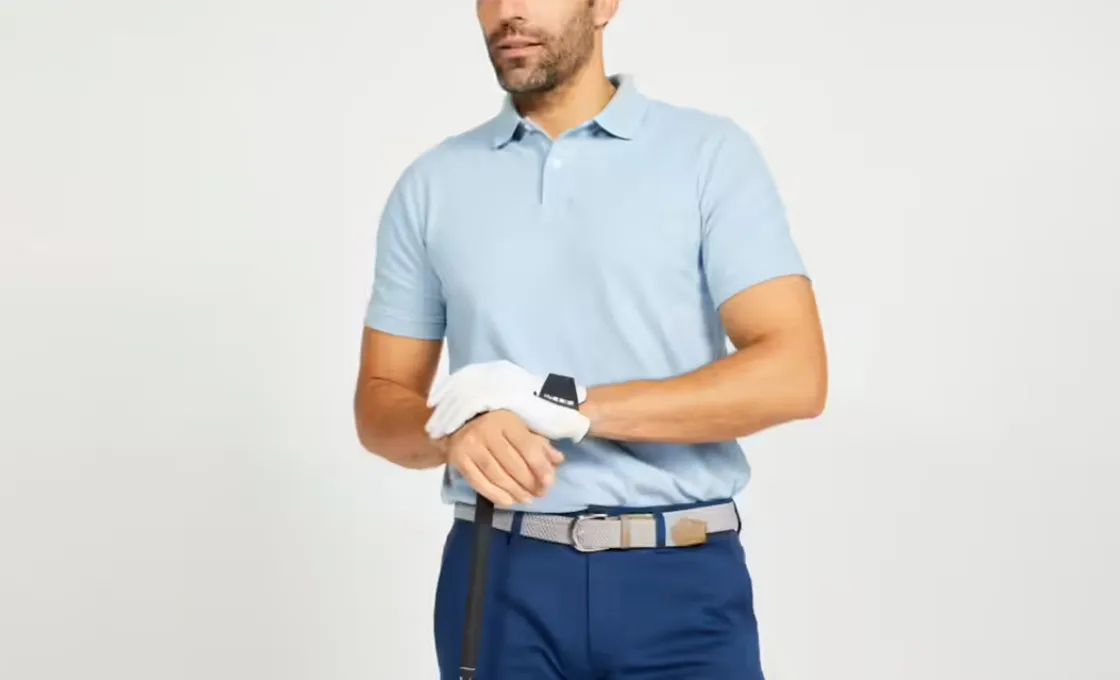
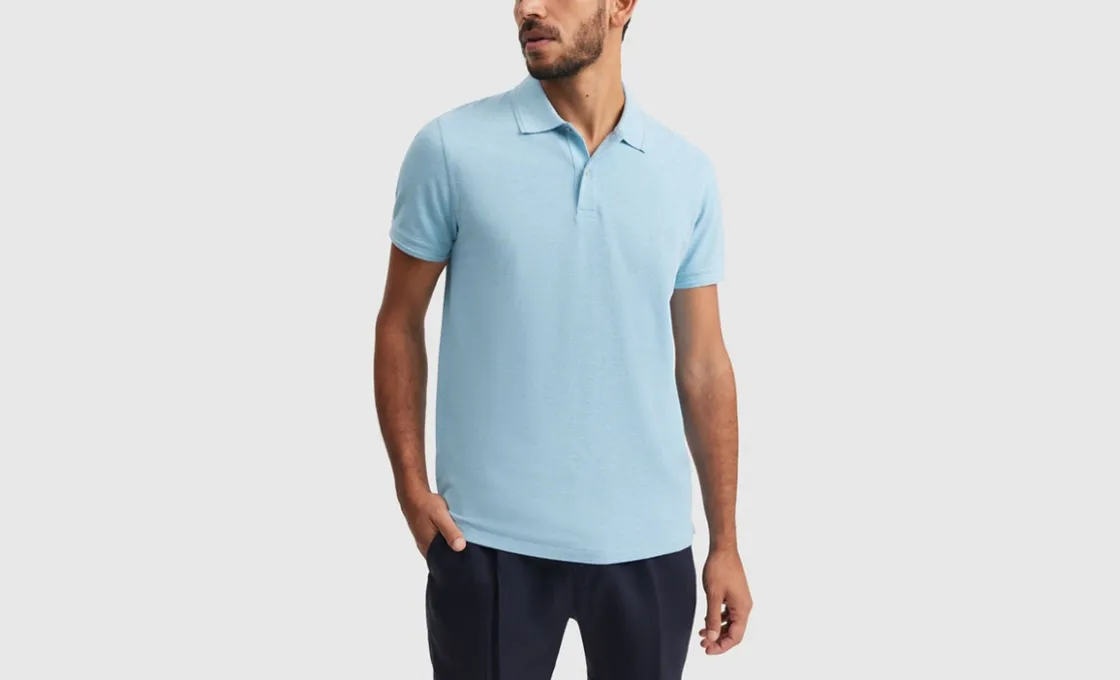
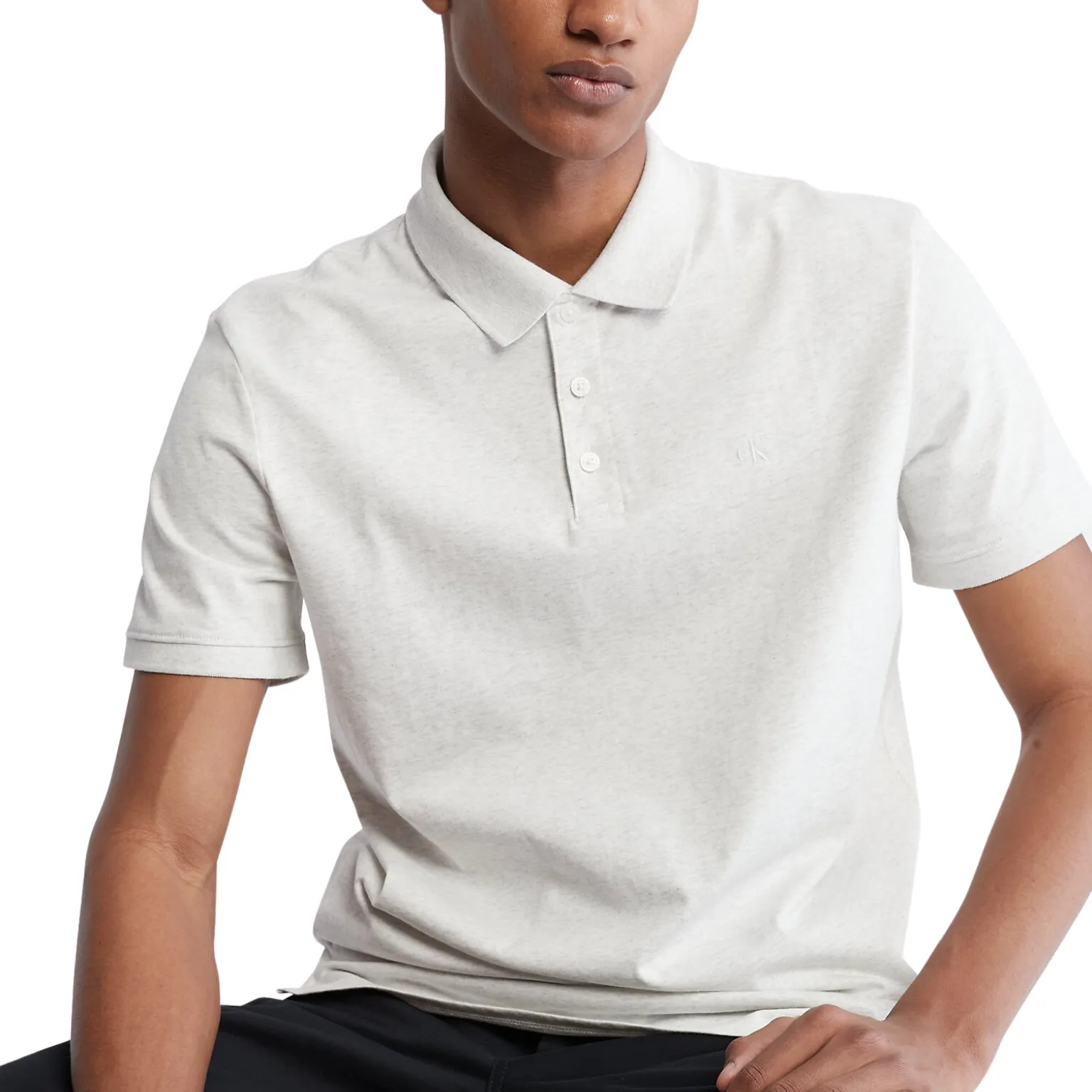
This trend moves away from shiny, tight, overtly “sporty” aesthetics. Instead, it favors clean silhouettes, structured fits, and matte fabrics that resemble everyday apparel such as trousers, polos, or minimalist tops. The key challenge lies in material innovation: fabrics must deliver high stretch, breathability, and all-day comfort, while maintaining a polished, premium appearance. Brands developing workleisure collections can explore activewear manufacturers in Los Angeles as a sourcing option, particularly for smaller runs and design-driven development.
Ultimately, the success of workleisure lies in its duality – it looks like regular clothing but performs like activewear, enabling consumers to move from meetings to light physical activities without friction.
>> Hoodies, in particular, have become a core workleisure staple — offering the comfort of activewear with the casual polish of everyday outerwear. Brands developing this category can explore a list of experienced hoodie manufacturers to find production partners that specialize in quality construction and design flexibility.
3.2. Eco-Friendly Activewear – Sustainability Without Compromising Comfort
Sustainability has become a baseline expectation, but consumers are growing more critical of superficial “green” claims. To stand out, brands must go beyond marketing and deliver tangible, functional benefits.
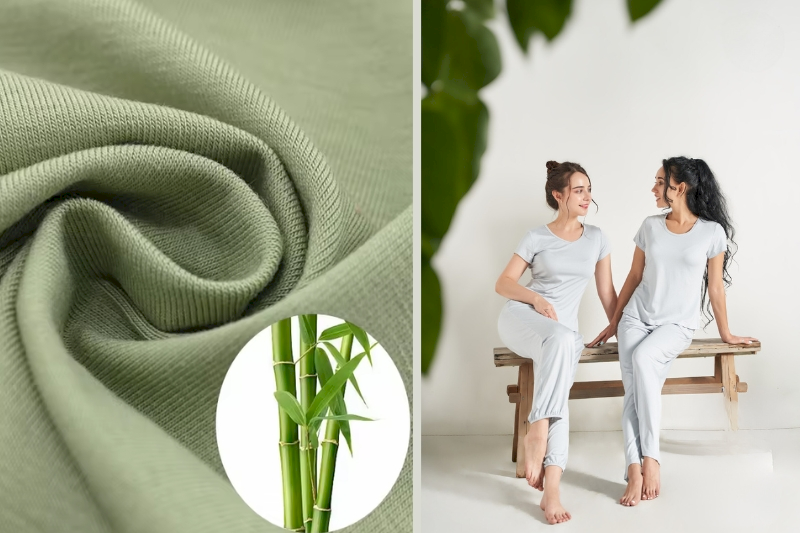
Emerging materials such as bamboo fibers, coffee-based yarns, and biodegradable textiles are gaining traction. However, the real challenge is ensuring that these materials still meet the comfort standards of modern consumers: softness, breathability, and flexibility remain non-negotiable.
Transparency is equally important. Clearly communicating fabric origins, production processes, and certifications helps build trust and credibility. In this space, the winning brands are those that can balance environmental responsibility with everyday wearability, proving that sustainability does not come at the expense of comfort.
3.3. Inclusive Activewear – Designing for Diverse Body Types
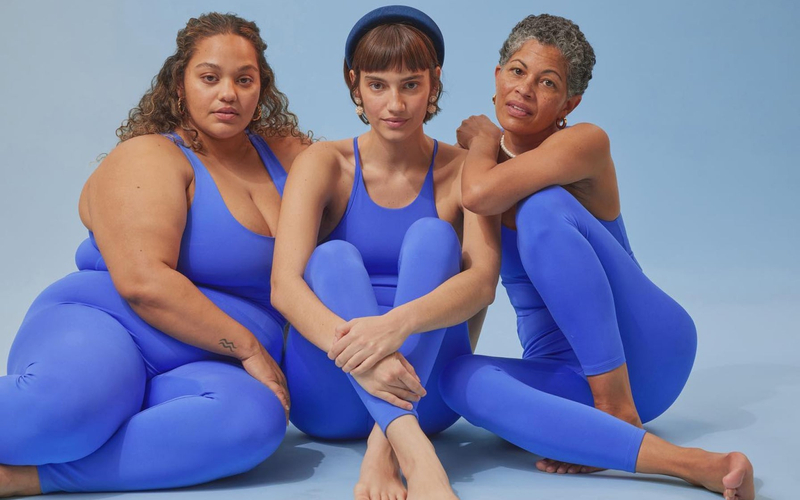
A significant gap in the market lies in products that genuinely cater to diverse body types. While many brands claim inclusivity, few invest in the technical development required to deliver true comfort across different shapes, ages, and needs.
This niche goes beyond simply extending size ranges. It involves rethinking fit, construction, and fabric behavior to ensure that garments do not dig into the skin, restrict movement, or create discomfort over time. Features such as adaptive stretch, supportive structures, and thoughtful seam placement can significantly improve the wearing experience. >> Leggings are often the focal product in inclusive activewear development, as they require precise attention to stretch behavior, waistband construction, and size grading. Brands can explore a list of experienced legging manufacturers that specialize in private-label production with inclusive sizing and technical fabric expertise.
Importantly, inclusive activewear aligns closely with the broader shift toward versatility. When products are designed to be comfortable, flattering, and functional, they naturally become suitable for a wide range of activities – from exercise to daily wear.
Brands that approach inclusivity as a product innovation challenge, rather than a marketing message, can unlock strong customer loyalty and long-term differentiation.
3.5. Added Features – Anti-Odor and Antibacterial Technology
Beyond design and fabric feel, comfort in modern activewear is increasingly defined by functional performance features, especially odor control and antibacterial properties. As consumers wear activewear not only for workouts but throughout the entire day, garments are expected to stay fresh and hygienic for longer periods.
This has driven strong interest in a broader range of innovations, including anti-odor treatments, silver-ion and zinc-based finishes, antimicrobial yarns, and bio-based odor control technologies. In addition, moisture-wicking, quick-dry, thermoregulation, UV protection, and cooling technologies are becoming essential, working together to manage sweat, reduce bacterial growth, and maintain a fresh feel. These features are particularly important for multi-use garments that transition seamlessly from gym to daily wear without frequent washing.
However treatments must not compromise softness, breathability, or skin-friendliness. The most successful innovations are those that are invisible to the wearer but significantly enhance the wearing experience, reinforcing the idea that modern activewear should feel effortless, clean, and wearable all day long.
4. What Makes an Activewear Brand Successful?
In an increasingly competitive and fast-evolving market, building a successful activewear brand requires more than just good design, it demands a strategic combination of clarity, innovation, reliable partnerships, and strong customer connection. Key success factors include:
- Clear Strategy & Strong Brand Positioning: A successful activewear brand starts with a clear vision – knowing exactly what it stands for, who it serves, and how it differentiates in the market. Defining a specific target audience, price positioning, and product focus helps create a consistent brand identity and sharper go-to-market strategy.
- Strong R&D Capabilities: Innovation is at the core of activewear. Brands that invest in R&D – covering fabric development, garment construction, and trend forecasting – are better equipped to deliver high-performance, functional, and relevant products that meet evolving consumer expectations.
- Reliable Manufacturing Partnership: Collaborating with an experienced and reputable clothing manufacturer is critical. The right partner not only ensures consistent quality and scalability but also provides technical expertise, material sourcing support, and practical guidance to optimize product development and production efficiency. For brands considering a private label approach, working with a dedicated private label activewear manufacturer can offer additional advantages in branding flexibility, customization depth, and faster time-to-market.
- Brand Storytelling & Customer Connection: Beyond product, successful brands build emotional connections. Strong storytelling, authentic brand values, and consistent communication across channels help engage customers, build trust, and create long-term loyalty in an increasingly competitive market.
>> Collaborating with an experienced and reputable clothing manufacturer is critical. Many brands work with a cut and sew manufacturer — a production model where fabrics are precisely cut and assembled into finished garments — to maintain quality control at every stage. Brands can explore a list of cut and sew manufacturers to find partners that match their production volume, technical requirements, and compliance standards.
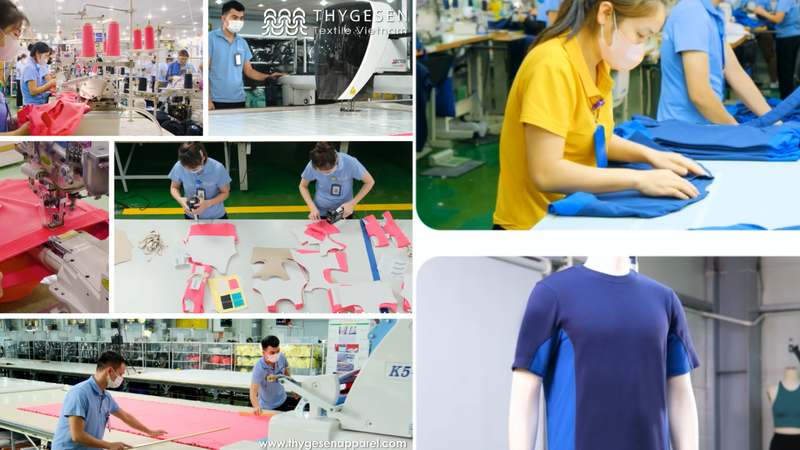
5. Thygesen Textile Vietnam: Supporting Activewear Brands from Concept to Production
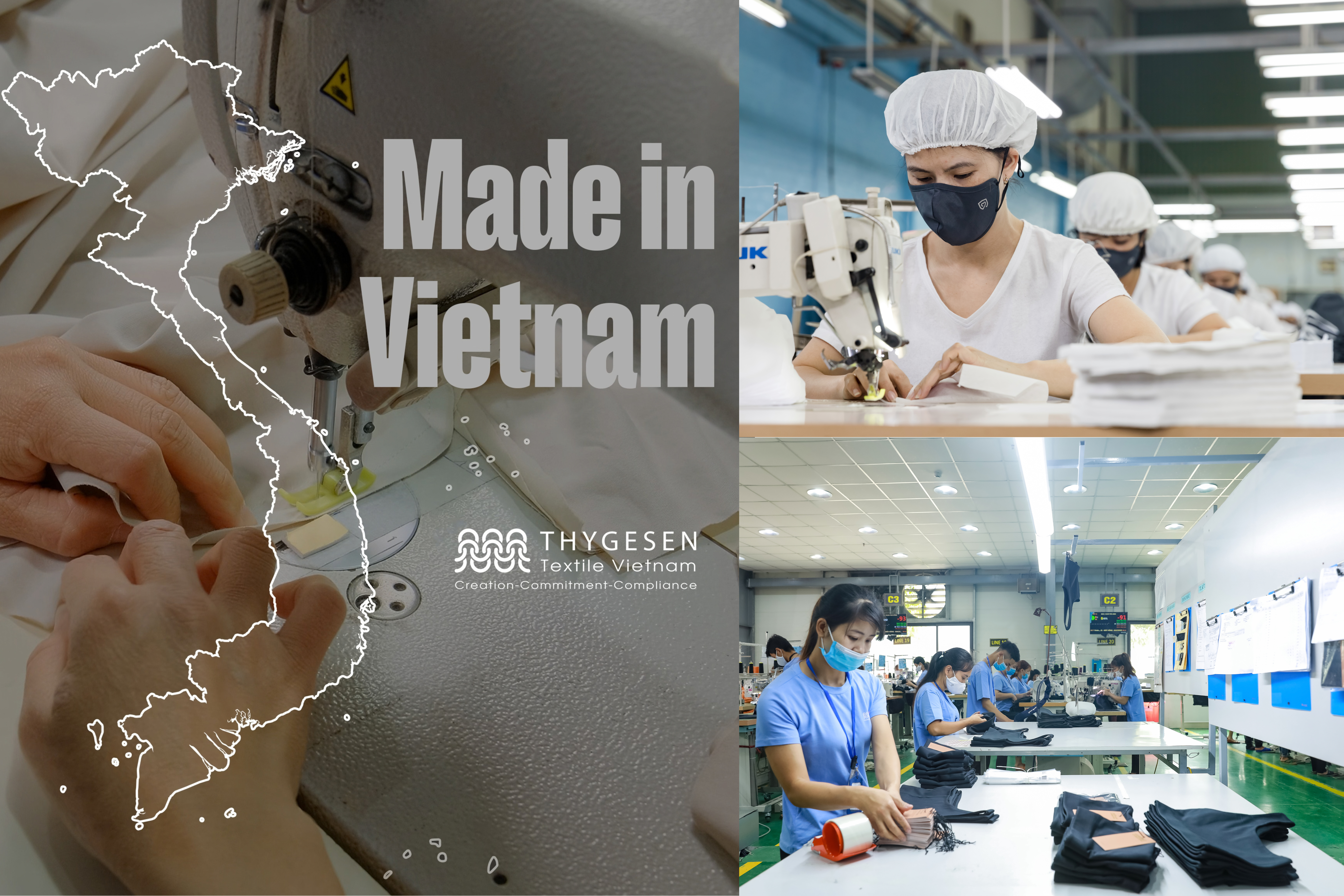
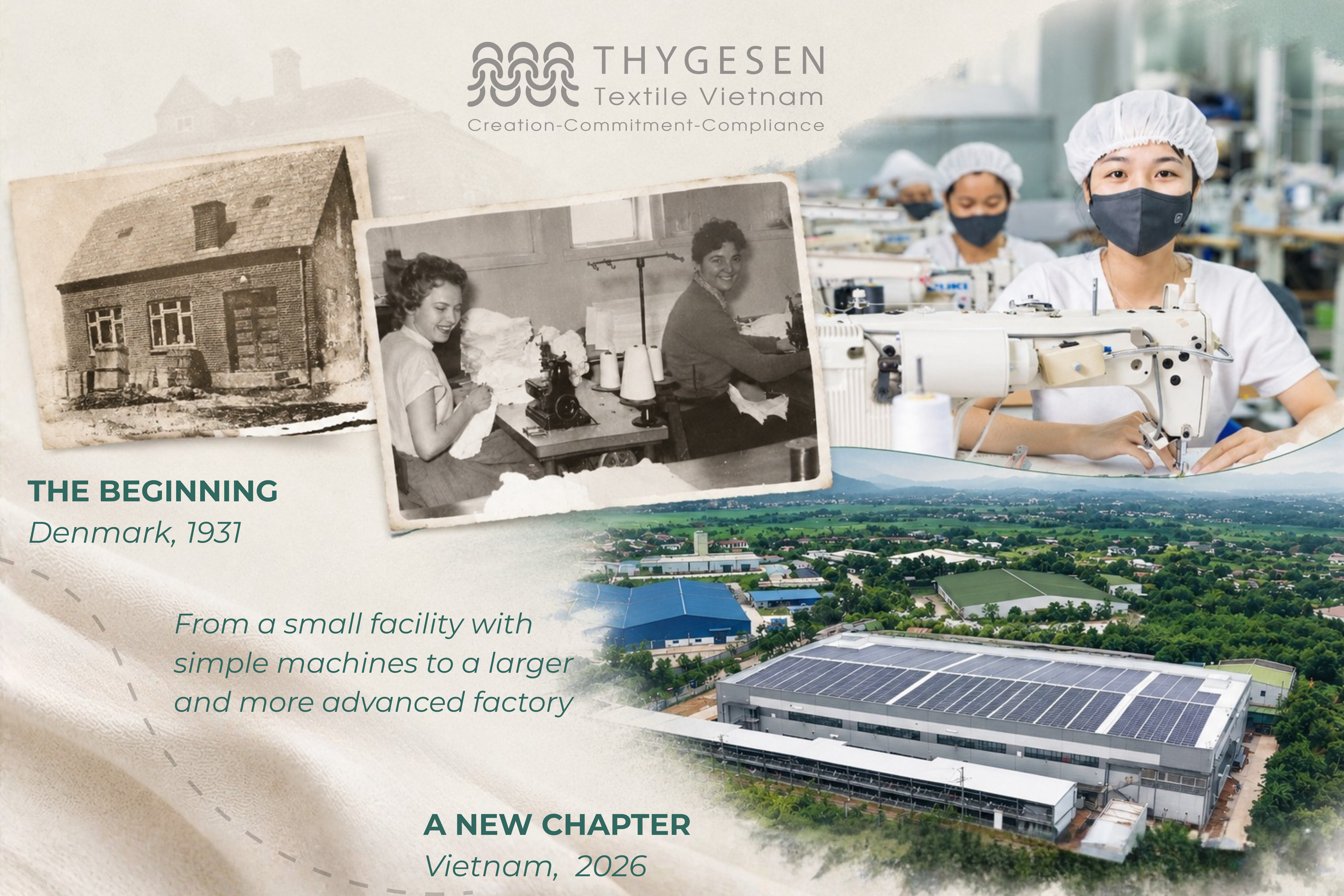
With over 90 years of experience in the textile industry, Thygesen Textile Vietnam is a trusted activewear manufacturer in Vietnam, working with global brands such as Girlfriend Collective, G-Form, Wilson, Calvin Klein, Boody, and Tommy Hilfiger. We combine deep technical expertise with strong industry know-how to support brands from development to large-scale production. For brands exploring a wider range of options before committing to a partner, this guide to private label fitness manufacturers offers a useful comparison of leading suppliers across different markets and production models.
Our strengths include:
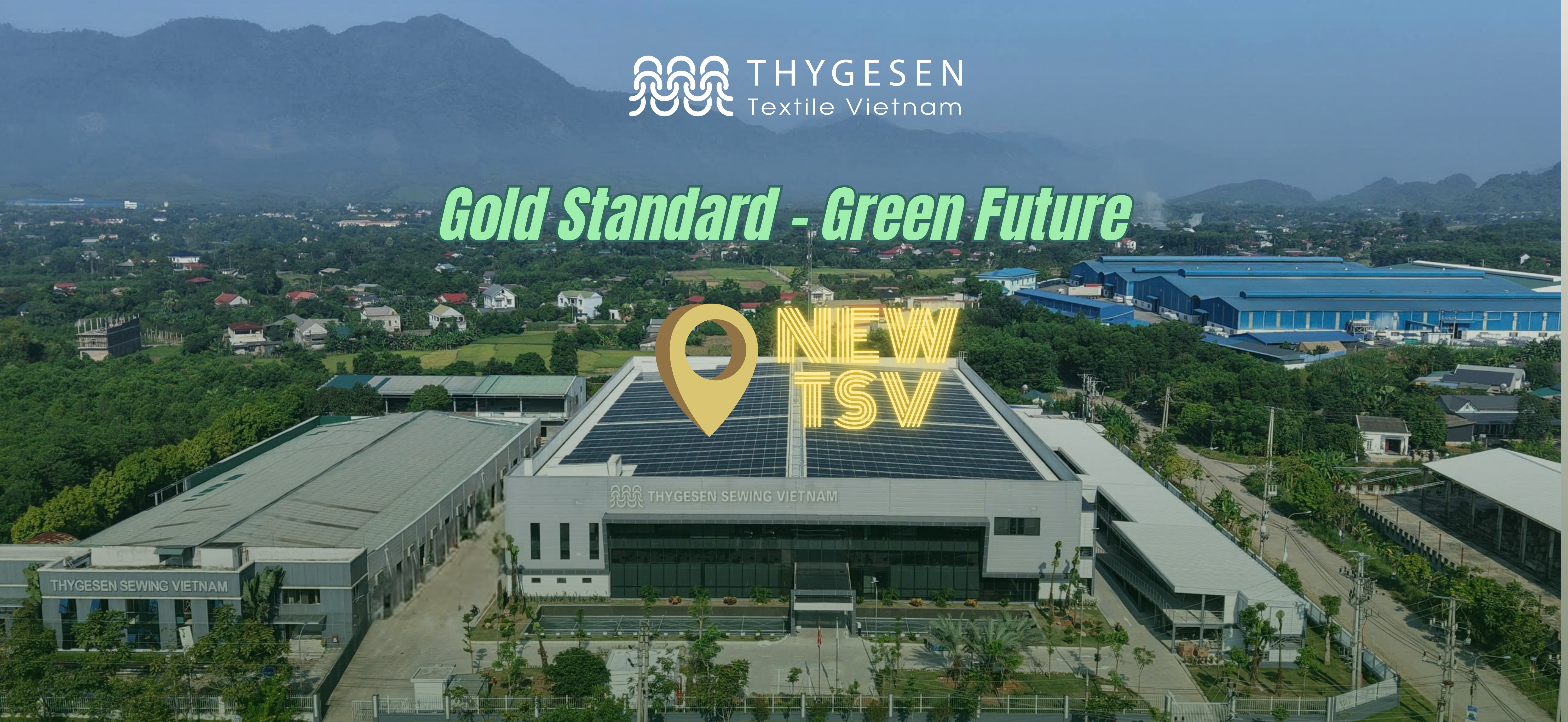
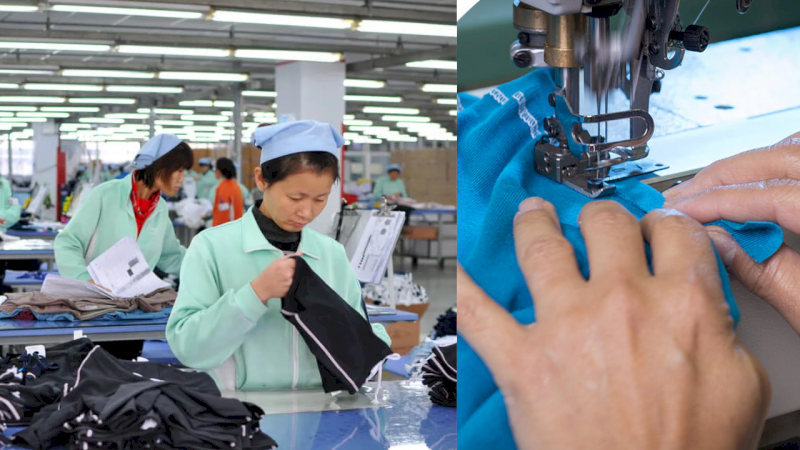
- Advanced manufacturing capability: Modern production facilities with a capacity of up to 10 million pieces per year, ensuring scalability, efficiency, and consistent quality.
- Full-package development service: From material sourcing and fabric development to pattern making, bulk production, custom prints, labels, packaging, and logistics – we support the entire product journey.
- Skilled workforce & strong quality control: Experienced teams and strict QC systems at every stage of production ensure stable, reliable, and high-standard output.
- International certifications & compliance: Certified with SA8000, WRAP, ISO 9001:2015, GRS, GOTS, OEKO-TEX® STANDARD 100, FSC, and OCS, reflecting our commitment to ethical, safe, and sustainable manufacturing.
In conclusion, activewear is a strong business opportunity driven by global demand for health and performance-focused lifestyles, but success depends on clear strategy, innovation, and reliable production partners.
If you are looking for an experienced activewear manufacturing partner in Vietnam, contact Thygesen Textile Vietnam at sale@thygesen.com.vn or visit website: thygesenapparel.com.