In apparel manufacturing, hoodies and sweatshirts may appear similar at first glance, but they differ significantly in construction, materials, and production requirements. Understanding these differences is essential for brands to make the right product decisions, optimize development costs, and align designs with target markets.
This guide breaks down the key distinctions between hoodies vs sweatshirts from both a design and manufacturing perspective, helping you choose the right direction for your collection.
1. What Are Hoodies and Sweatshirts?
Hoodies vs Sweatshirts are two core categories in casual apparel that share similarities in comfort and warmth but differ significantly in construction, design, and functional details.
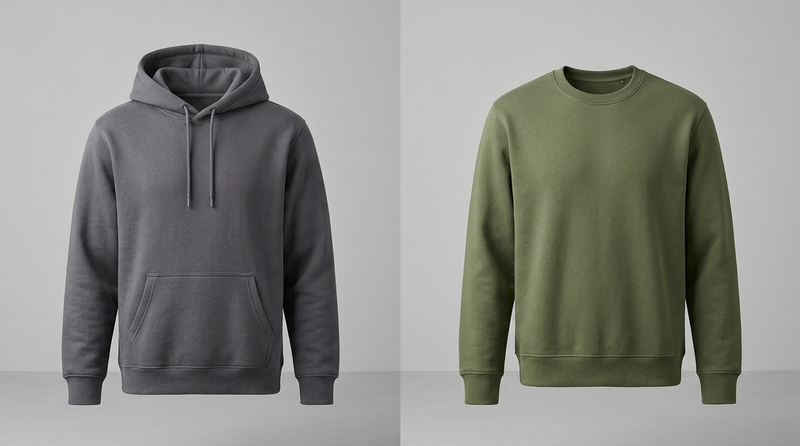
Hoodies are casual outerwear garments defined by an attached hood, often combined with drawstrings, kangaroo pockets, or zip-up fronts. They are widely used in streetwear, athleisure, and relaxed everyday styling. Brands looking to develop hoodie collections can explore a curated list of hoodie manufacturers to find the right production partner based on capability, MOQ, and market focus.
Sweatshirts, on the other hand, are knitted tops without a hood, typically designed with crewneck, V-neck, or other neckline variations. They are often considered more versatile and can be styled in both casual and semi-formal contexts, depending on fabric and finishing.
The confusion between Hoodies vs Sweatshirts mainly comes from their similar appearance, material base, and overall function. Both are designed for comfort, warmth, and casual wear, which makes them look quite similar at a glance. As a result, many people tend to group them into the same category without clearly distinguishing their structural differences, which will be explained in more detail in the following sections.
2. Key Features: Hoodies vs Sweatshirts
Before going into the detailed comparison, it is important to understand the key features of Hoodies vs Sweatshirts, as these core characteristics define how each garment is constructed, styled, and used in different fashion contexts.
2.1. Key Features of Hoodies
Hoodies are distinguished by several functional and design elements that make them one of the most popular garments in casualwear and streetwear collections. These features not only enhance comfort and practicality but also create the relaxed and versatile aesthetic that hoodies are known for.
- Attached hood: The defining feature of a hoodie is its built-in hood, which provides additional coverage for the head and neck and offers light protection against wind and drizzle.
- Adjustable drawstrings: Most hoodies include drawcords around the hood opening, allowing the wearer to tighten or loosen the fit for improved comfort and functionality.
- Kangaroo front pocket: A large front pouch pocket is commonly added to provide convenient storage and a place to keep hands warm, while also reinforcing the garment’s casual appearance.
- Pullover or zip-up styles: Hoodies are available in both pullover and full-zip constructions, giving brands flexibility to create products with different looks, functions, and price points.
- Relaxed structure: Hoodies are typically designed with a loose and comfortable fit, making them ideal for layering and everyday wear across a wide range of lifestyles.
2.2. Key Features of Sweatshirts
Sweatshirts are characterized by a clean and understated design that emphasizes comfort, versatility, and a more refined appearance. Compared to hoodies, they feature a simpler construction, making them suitable for both casual wear and more polished styling.
- No hood: The absence of a hood gives sweatshirts a cleaner and more structured silhouette, allowing them to look neater and easier to style in a wide range of outfits.
- Crewneck or round neck: Most sweatshirts are designed with classic necklines such as crewneck or round neck, offering a timeless and versatile look that works well for everyday wear.
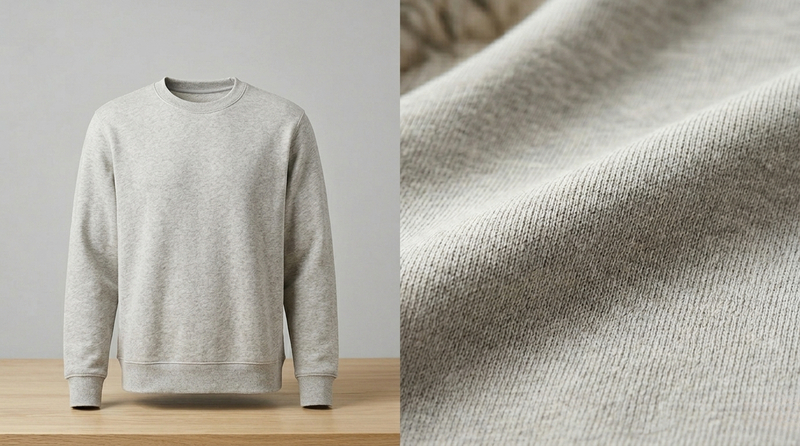
- Knitted construction: Sweatshirts are typically made from knitted fabrics, which provide a soft texture, natural stretch, and effective insulation for added comfort.
- Ribbed cuffs and hem: Ribbed trims at the cuffs and bottom hem help the garment retain its shape while ensuring a secure and comfortable fit.
- No large front pockets: Unlike hoodies, sweatshirts generally do not include oversized front pockets, resulting in a cleaner and more polished appearance.

3. Materials Used in Hoodies vs Sweatshirts
The choice of materials plays a critical role in determining the comfort, durability, warmth, and overall appearance of both garments. Understanding the materials commonly used in each category helps brands make better decisions during product development and sourcing.
3.1. Materials Used in Hoodies Manufacturing
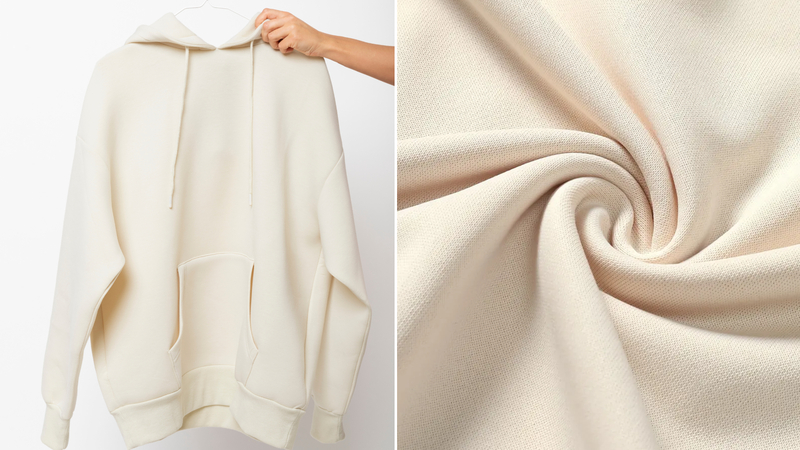
Hoodies are typically manufactured from medium to heavy-weight knitted fabrics that provide warmth, softness, and durability. The choice of fabric depends on the desired hand feel, target price point, and end-use application, whether for casualwear, streetwear, sportswear, or premium collections. For a more detailed breakdown of fabric options and their performance characteristics, this guide on hoodie fabric types covers the most commonly used materials and how to choose between them.
- 100% Cotton Fleece (280-450 GSM): A popular choice for premium hoodies due to its natural softness, breathability, and comfortable feel. Common in high-quality streetwear and lifestyle collections. Brands prioritizing natural materials can explore dedicated cotton hoodie manufacturing to ensure the right fabric sourcing, weight selection, and finishing standards for their product requirements.
- 80% Cotton / 20% Polyester Fleece (280-400 GSM): One of the most widely used blends in hoodie manufacturing. Cotton provides softness and comfort, while polyester improves durability, shape retention, and reduces shrinkage.
- 65% Cotton / 35% Polyester Fleece (260-380 GSM): A cost-effective option that offers a good balance between comfort, strength, and wrinkle resistance. Frequently used in promotional and mass-market hoodies.
- 60% Cotton / 40% Polyester Fleece (280-360 GSM): Common in sportswear and active casualwear, offering enhanced durability and faster drying performance.
- 50% Cotton / 50% Polyester Fleece (240-340 GSM): Designed for budget-friendly products with excellent dimensional stability and easy-care properties.
- French Terry (250-350 GSM): A knit fabric with looped yarns on the inside and a smooth outer surface. It offers moderate warmth and is ideal for lightweight hoodies and transitional-season garments.
- Brushed Fleece (300-500 GSM): Features a soft, brushed interior that enhances insulation and provides a plush hand feel, making it suitable for winter hoodies.
- Organic Cotton Blends (280-400 GSM): Often combined with recycled polyester to create more sustainable hoodies without compromising comfort and performance.
- Performance Blends (220-320 GSM): May include elastane (2-8%) or technical fibers to improve stretch, moisture management, and flexibility for athletic hoodies.
In most hoodie manufacturing projects, 280-350 GSM is considered the industry standard for year-round products, while 350 GSM and above is preferred for heavyweight and premium streetwear collections.
3.2. Materials Used in Sweatshirts Manufacturing
Sweatshirts are commonly produced from soft and insulating knitted fabrics that offer comfort, durability, and a clean appearance. While many sweatshirts use materials similar to hoodies, they are often developed in a wider range of weights and finishes to suit everything from basic casualwear to premium lifestyle collections.
- 100% Cotton Fleece (240-400 GSM): A premium option valued for its natural softness, breathability, and comfortable hand feel. It is widely used in high-quality sweatshirts with a clean and substantial appearance.
- 80% Cotton / 20% Polyester Fleece (260-380 GSM): One of the most common blends in sweatshirt manufacturing. Cotton ensures comfort, while polyester improves durability, shape retention, and resistance to shrinkage.
- 65% Cotton / 35% Polyester Fleece (240-360 GSM): A practical and cost-effective blend that balances softness, strength, and easy-care performance, making it suitable for commercial and promotional products.
- French Terry (220-320 GSM): Featuring looped yarns on the inside and a smooth face, French Terry is ideal for lightweight sweatshirts intended for year-round wear and transitional seasons.
- Brushed Fleece (280-450 GSM): The brushed inner surface enhances warmth and softness, making this fabric a preferred choice for colder-weather sweatshirts.
- 100% Organic Cotton (250-380 GSM): Used by sustainable brands seeking a natural and environmentally responsible material without sacrificing comfort and quality.
- Recycled Cotton / Recycled Polyester Blends (260-380 GSM): Increasingly adopted in eco-conscious collections to reduce environmental impact while maintaining reliable performance.
- Cotton / Elastane Blends (240-320 GSM): Typically containing 2-5% elastane, these fabrics offer added stretch and shape recovery for more flexible and comfortable garments.
- Loopback Jersey (220-300 GSM): A lighter knitted fabric often used for minimalist sweatshirts with a smooth appearance and moderate warmth.
In most sweatshirt manufacturing projects, 240-320 GSM is considered the standard range for versatile year-round products, while 320 GSM and above is preferred for heavyweight, premium, and winter-focused collections. Beyond fabric weight, surface decoration is another key differentiator — brands looking to add branding or design elements can explore printed sweatshirt manufacturing options, with capabilities covering screen printing, sublimation, and DTG techniques suited to different fabric types and order volumes. For a manufacturer-focused overview, this page on printed sweatshirt production outlines available processes and customization options in more detail.
4. Common Styles of Hoodies vs Sweatshirts
Beyond materials, hoodies and sweatshirts are also used in different fashion styles and market segments. Each garment offers a distinct look and serves different styling purposes, from relaxed streetwear to more polished everyday outfits. Understanding these common styles can help brands choose the right product direction for their collections and target customers.
4.1. Common Styles of Hoodies
Hoodies have become a staple in modern apparel collections thanks to their versatility, comfort, and strong appeal across different consumer groups. Depending on the design, fabric, and finishing details, hoodies can be adapted to a wide range of fashion styles and market segments.
- Streetwear Hoodies: Often featuring oversized fits, bold graphics, embroidered logos, and heavyweight fabrics, these hoodies are designed to reflect urban culture and contemporary fashion trends.
- Athleisure Hoodies: Combining comfort and performance, these styles are commonly made from cotton blends or technical fabrics and are suitable for both workouts and everyday wear.
- Casual Everyday Hoodies: Simple and versatile designs focused on comfort and practicality, typically offered in standard fits and neutral colors for daily use. Many brands in this category develop unisex hoodie collections to broaden their customer reach and simplify size range management across their product lineup.
- Zip-Up Hoodies: Designed with a full front zipper, these hoodies provide greater flexibility for layering and are popular in both sportswear and casualwear collections.
- Pullover Hoodies: Featuring a classic slip-on design with a kangaroo pocket, pullover hoodies are the most recognizable and widely used hoodie style. For brands building foundational basics into their collection, plain hoodie manufacturing offers a straightforward and cost-efficient production path without complex design elements, making it ideal for private label basics and branded essentials.
- Oversized Hoodies: Characterized by a loose and relaxed silhouette, these styles are especially popular among younger consumers and fashion-forward streetwear brands. Brands developing this category can explore dedicated oversized hoodie manufacturing options to ensure the right fit grading, fabric weight, and construction approach for this specific style.
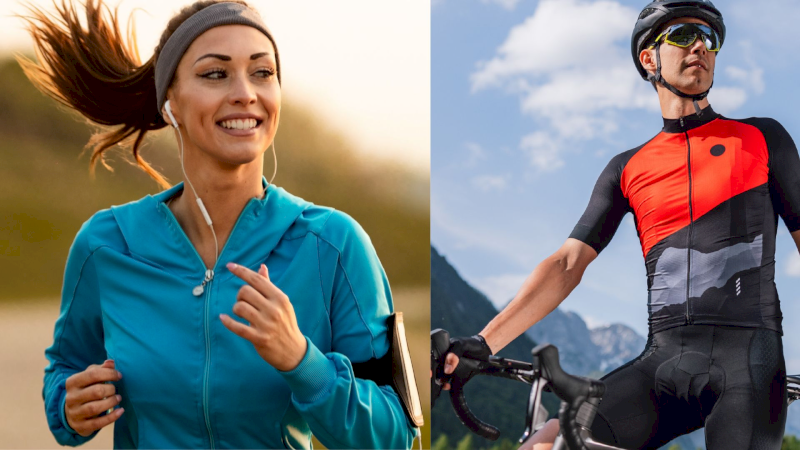
- Performance Hoodies: Made from moisture-wicking and stretch fabrics, these hoodies are intended for active lifestyles and outdoor activities. Some performance-focused brands also incorporate visibility features into their designs, and reflective hoodies manufacturing is an increasingly relevant option for outdoor, running, and safety-conscious collections. >> For brands building out performance or athleisure hoodie lines, partnering with experienced athletic clothing manufacturers ensures access to technical fabric expertise, functional construction know-how, and reliable production at scale. A curated list of athletic clothing manufacturers is available for brands comparing options across different markets and capabilities.
- Sustainable Hoodies: Produced using organic cotton, recycled polyester, or other eco-friendly materials to meet the growing demand for responsible fashion.

4.2. Common Styles of Sweatshirts
Sweatshirts are valued for their clean design and versatile appearance, making them suitable for a wide range of fashion categories. From minimalist everyday basics to premium knitwear, sweatshirts can be adapted to different styles depending on the fabric, fit, and finishing details.
- Classic Crewneck Sweatshirts: The most traditional and widely recognized style, featuring a simple round neckline and a timeless silhouette suitable for everyday wear. Brands building core basics into their lineup can find specific production information on crew sweatshirt manufacturing, covering standard construction requirements, fabric options, and customization possibilities for this foundational style.
- Minimalist Sweatshirts: Designed with clean lines, subtle branding, and neutral colors, these sweatshirts are ideal for modern and premium casualwear collections.
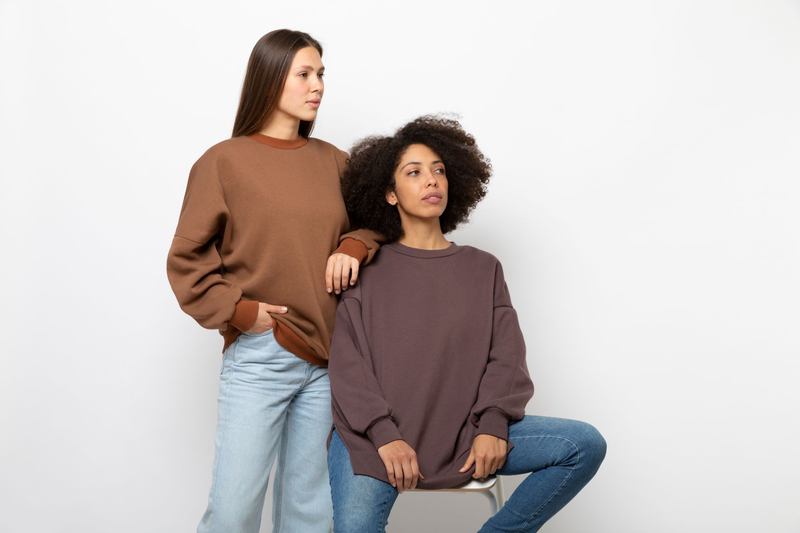
- Oversized Sweatshirts: Featuring a relaxed and loose fit, oversized sweatshirts offer a contemporary look and are popular in streetwear and youth-focused fashion.
- Smart-Casual Sweatshirts: Made with refined fabrics and tailored fits, these styles are suitable for polished everyday outfits and can be styled for office or semi-formal settings. This category has seen particularly strong demand in women’s fashion, and brands targeting female consumers can explore dedicated women’s sweatshirt manufacturing options that cater to feminine cuts, refined finishes, and trend-driven design details.
- Graphic Sweatshirts: Incorporating printed artwork, logos, or embroidery, these designs add visual interest while maintaining the classic sweatshirt structure. This style sits at the intersection of casualwear and streetwear, and brands developing graphic-heavy collections may find it useful to reference a broader guide on streetwear clothing manufacturing to understand how production requirements differ from standard casualwear.
- Performance Sweatshirts: Developed with stretch or moisture-managing fabrics to provide greater comfort and functionality for active lifestyles.
- Premium Knit Sweatshirts: Produced using high-quality materials such as organic cotton, merino wool, or cashmere blends to deliver superior softness, warmth, and sophistication.
- Sustainable Sweatshirts: Manufactured from eco-friendly materials such as organic cotton and recycled fibers to meet growing demand for responsible fashion.
5. Functional Differences of Hoodies vs Sweatshirts
Although hoodies and sweatshirts share a similar purpose in providing comfort and warmth, they differ in several functional aspects that affect how they are worn and used in different environments.
- Weather protection: Hoodies provide better protection against wind and light rain thanks to the attached hood, making them more suitable for outdoor and unpredictable weather conditions.
- Thermal insulation: Sweatshirts, especially those made from thicker or wool-based fabrics, often deliver more consistent insulation and are better suited for stable cold-weather wear.
- Versatility in styling: Hoodies are generally more casual and sporty, while sweatshirts offer greater flexibility to be styled in both casual and smart-casual outfits.
- Layering capability: Sweatshirts usually have a cleaner and slimmer construction, making them easier to layer under jackets or coats without adding bulk.
- Use case adaptability: Hoodies are often preferred for active, streetwear, or leisure-focused contexts, whereas sweatshirts are more commonly used in lifestyle, office-casual, or refined everyday wear.
6. Which One Should You Choose?
Choosing between hoodies and sweatshirts depends on your target market, design direction, and how you want the product to perform in real use. Each style serves different purposes, so selecting the right option can help ensure better alignment with customer needs and brand positioning.
| Criteria | Hoodies | Sweatshirts |
| Style direction | More casual, streetwear, sporty | Cleaner, more refined, versatile |
| Key strength | Comfort and functional details (hood, pocket) | Minimal design and easy styling |
| Target customers | Youth, active lifestyle, streetwear market | Broader audience, including smart-casual users |
| Weather suitability | Better for wind and light rain protection | Better for stable cold-weather insulation |
| Layering ability | Bulkier, slightly less flexible | Easier to layer under outerwear |
| Brand positioning | Trend-driven, casual-focused brands | Classic, premium, or minimalist brands |
Fact:
- Beyond consumer fashion, hoodies also serve an important function in workwear and uniform collections. Brands or organizations developing staff uniforms, outdoor workwear, or branded team apparel can find relevant production information on custom workwear hoodies manufacturing, which covers functional construction, branding options, and durable fabric requirements specific to this segment.
- Sweatshirts are also a practical choice for workwear and uniform applications, offering a cleaner and more professional appearance than hoodies while still delivering warmth and comfort. Organizations and brands developing staff uniforms or corporate casualwear can explore custom workwear sweatshirt manufacturing for production options tailored specifically to durability, branding requirements, and functional workplace needs.
8. Hoodies vs Sweatshirts in Manufacturing
From a production perspective, hoodies and sweatshirts require different construction approaches, material handling, and finishing processes. These differences directly affect production complexity, cost structure, and lead time, which are important considerations for apparel brands when developing their collections.
- Garment components: Hoodies include additional elements such as hoods, drawstrings, eyelets, and often pockets, which increase the number of production steps compared to sweatshirts.
- Construction complexity: Sweatshirts have a simpler structure with fewer panels and details, making them faster and more straightforward to produce.
- Fabric handling: Hoodie manufacturing often uses heavier fleece or brushed fabrics, while sweatshirts may involve a wider range of knit structures, including fine-gauge or premium yarns.
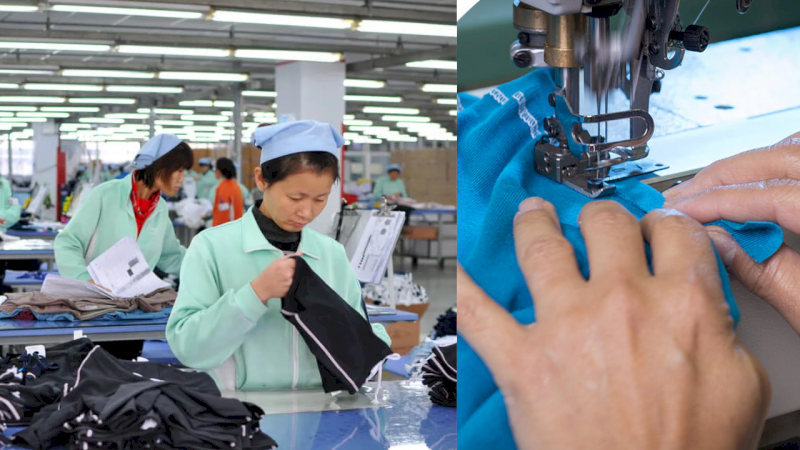
- Stitching and assembly: Hoodies require more stitching operations due to added features, whereas sweatshirts focus more on clean seams and shape retention. >> Both hoodies and sweatshirts are produced through a cut and sew manufacturing process — where fabric panels are precisely cut to pattern and assembled through specialized stitching operations, giving brands full control over construction quality, fit, and finishing details. Brands evaluating this production model can explore a curated list of cut and sew manufacturers across key sourcing regions to find partners that match their technical requirements and order volume.
- Finishing process: Hoodies may include additional finishing such as drawstring attachment and pocket reinforcement, while sweatshirts emphasize surface smoothness and neckline precision.
- Production efficiency: Sweatshirts generally allow for higher production efficiency, while hoodies demand more time and labor due to their added components and design variations. For brands considering Vietnam as a sourcing destination, this overview of hoodie manufacturers in Vietnam provides a useful reference for understanding local production capabilities, lead times, and quality standards before committing to a partner.
In conclusion, hoodies and sweatshirts may share similar comfort and fabric foundations, but they differ in design details, functionality, styling direction, and manufacturing complexity. Understanding these differences helps brands choose the right product direction and optimize both design and production efficiency.
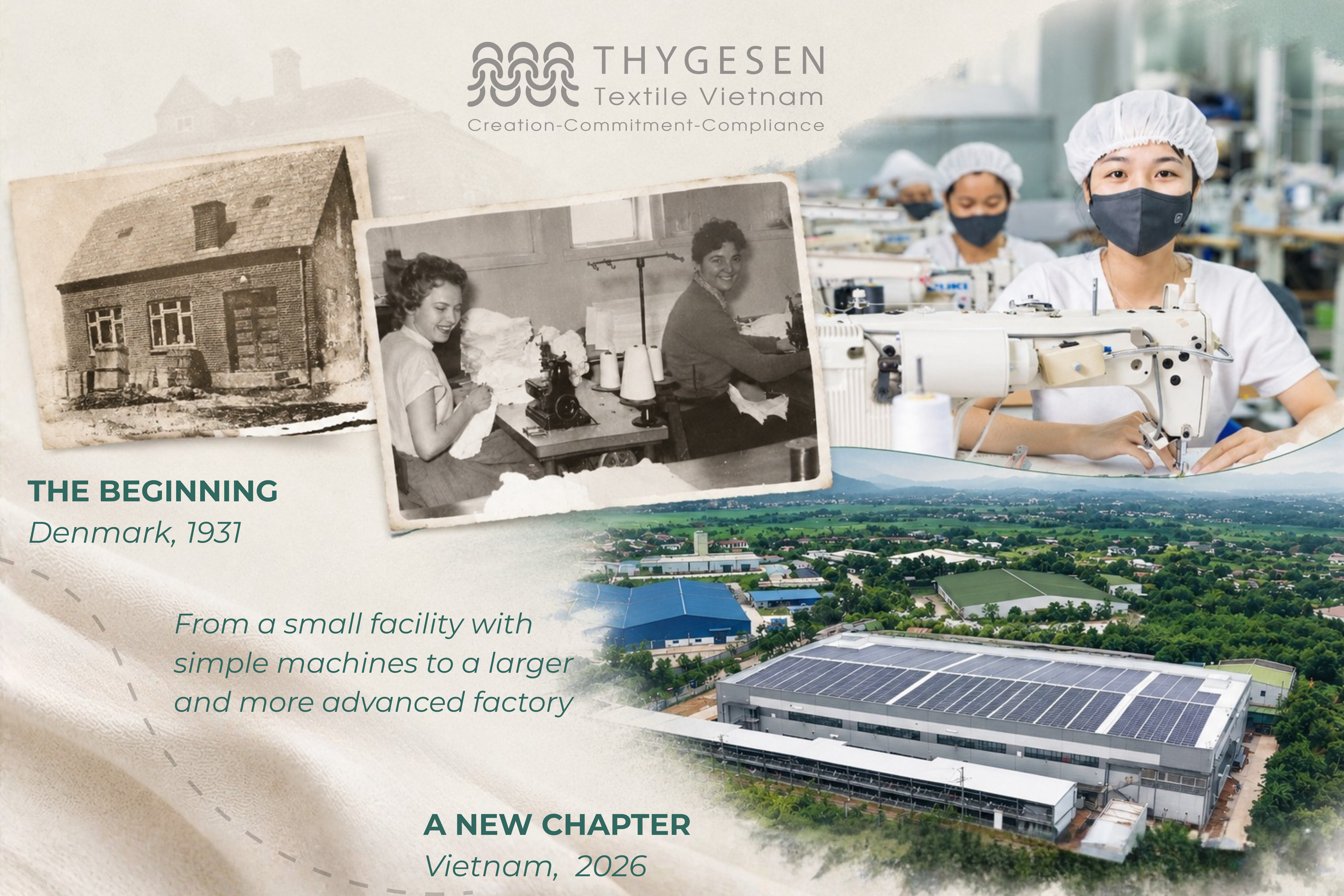
If you are looking for a reliable manufacturing partner for hoodies or sweatshirts, Thygesen Textile Vietnam can support you with end-to-end development, from fabric sourcing to final production. Visit www.thygesenapparel.com or contact us at sale@thygesen.com.vn to explore how we can bring your ideas to life.
>> Beyond hoodies and sweatshirts, Thygesen also offers dedicated services as a trusted pajama manufacturer, supporting brands in developing premium sleepwear collections with the same full-package approach — from fabric sourcing and sample development to bulk production and compliance certification.
Brands developing custom hoodie collections can learn more about Thygesen’s custom hoodies manufacturing capabilities, covering everything from fabric selection and fit development to bulk production and private labeling.
For brands specifically developing sweatshirt collections, Thygesen’s custom sweatshirts manufacturing page provides a full overview of available styles, fabric options, and production capabilities.