From fabric selection to smart pattern engineering and rigorous quality control, this guide covers what brands need to know when working with bodysuit manufacturers to create safe, comfortable, and durable kids’ garments. Understanding these core factors helps ensure products meet both parental expectations and industry standards.
1. Common Fabrics Used in Kid Bodysuit Manufacturing
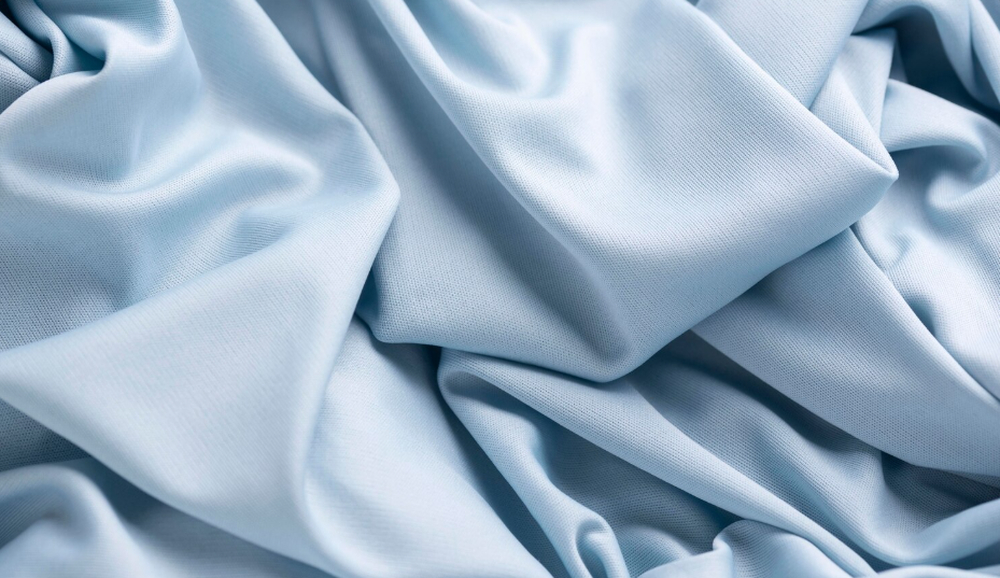
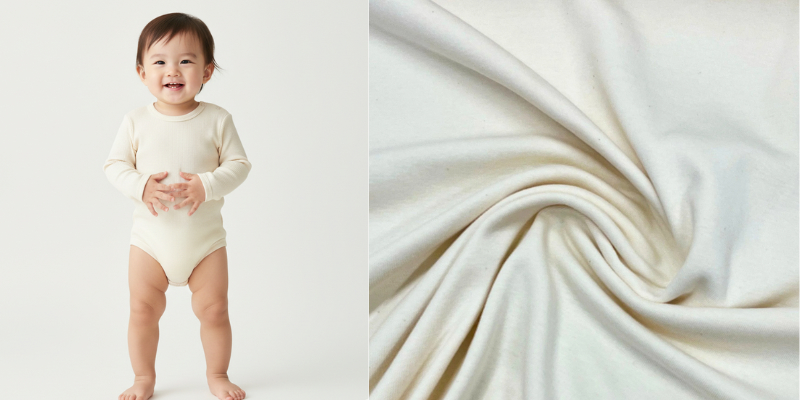
Kid bodysuits are mainly made from soft, breathable, and hypoallergenic fabrics to safeguard delicate skin. Top choices include organic cotton, bamboo, and cotton/spandex blends, selected for their comfort, durability, and moisture-wicking properties, which provide flexibility and safety for infants. Sustainable alternatives such as Modal and TENCEL™ Lyocell are also widely used for their eco-friendly benefits and gentle feel.
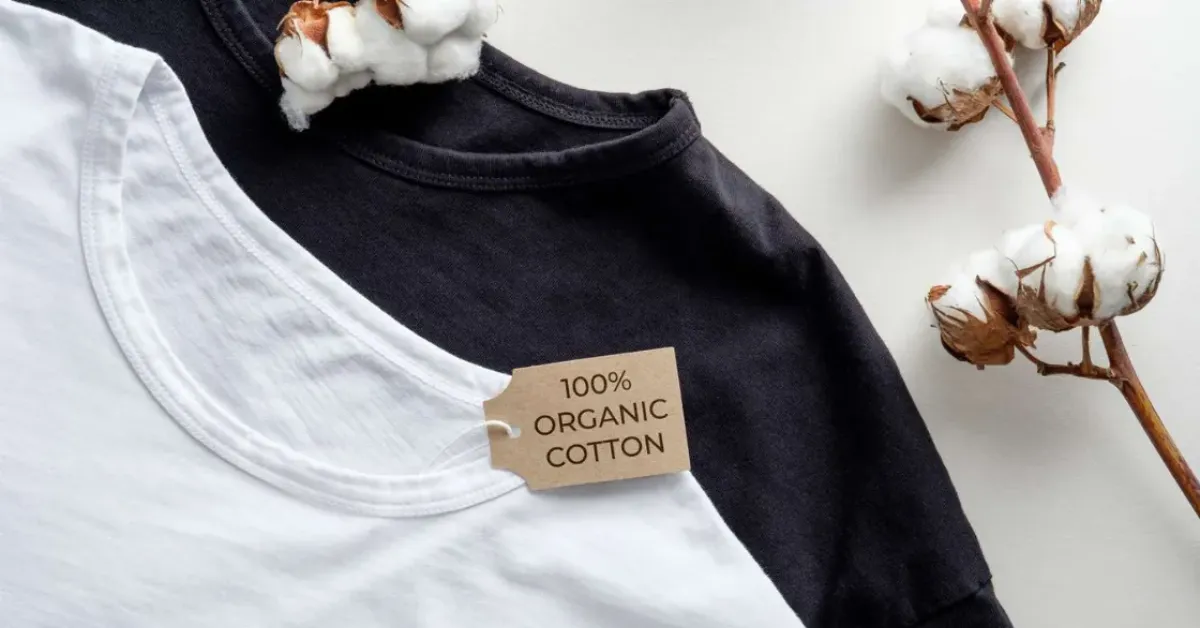
1.1 Organic Cotton
Properties: Organic cotton is exceptionally soft, breathable, and free from harmful chemicals, making it ideal for the sensitive skin of infants. Its natural fibers provide a gentle touch while minimizing the risk of irritation, ensuring that babies remain comfortable throughout the day. Many brands prefer it for its durability and hypoallergenic qualities, which are crucial in children’s apparel.
Weight & Weave: Typically, organic cotton for bodysuits ranges from 120-180 gsm, offering a lightweight yet durable fabric. Jersey or interlock knits are commonly used because they provide a smooth surface, natural stretch, and excellent drape, which ensures the garment moves comfortably with the child.
Usage & Blends: Organic cotton can be used 100% for ultimate softness, or blended with 3-5% spandex/elastane to enhance stretch and maintain shape. This slight blend allows the bodysuit to fit snugly without restricting movement, giving infants both comfort and ease of wear.
1.2 Bamboo Fabric
Properties: Bamboo fabric is naturally soft, highly breathable, and moisture-wicking, making it perfect for keeping infants dry and comfortable. Its inherent antibacterial and hypoallergenic properties further protect delicate skin, reducing the risk of irritation or rashes. This makes bamboo a preferred choice for eco-conscious and sensitive skin-friendly clothing.
Weight & Weave: Bamboo fabrics for bodysuits usually fall in the 130-200 gsm range, providing a balance between lightness and durability. Jersey and rib knits are commonly chosen for their flexibility, softness, and ability to retain shape, making them ideal for active babies.
Usage & Blends: Bamboo can be used as a 100% natural fabric for maximum softness and eco-friendliness, or blended with 20-30% cotton to enhance durability and reduce shrinkage while maintaining its smooth hand feel. This combination ensures the bodysuit lasts longer without compromising comfort.
Interestingly, the same moisture-wicking and skin-friendly properties that make bamboo ideal for baby bodysuits are also why it’s gaining traction in performance wear – many athletic apparel manufacturers now apply similar fabric expertise to meet the comfort demands of both infants and athletes alike.
1.3 Cotton/Spandex Blends
Properties: Cotton/spandex blends combine the breathability and softness of cotton with the elasticity of spandex, creating bodysuits that fit snugly yet comfortably. The added stretch allows freedom of movement, which is especially important for active infants and toddlers. These blends are widely used for garments that require both flexibility and form retention.
Weight & Weave: Typically, the fabric weight ranges from 150-200 gsm, making it substantial enough to hold shape but soft enough for delicate skin. Jersey or interlock knits are preferred, offering natural stretch, smooth surface, and excellent drape for both fitted and slightly loose bodysuit designs.
Usage & Blends: The most common composition is 95-97% cotton with 3-5% spandex, providing an ideal balance of comfort, durability, and elasticity. This small percentage of spandex ensures the bodysuit can stretch and recover its shape repeatedly, without compromising the softness of cotton.
1.4 Modal
Properties: Modal is a semi-synthetic fiber made from beech wood cellulose, known for its silky smooth texture, breathability, and resistance to shrinkage. Its luxurious softness and color retention make it a popular choice for higher-end kid bodysuits, providing a premium feel that is gentle on the skin.
Weight & Weave: For bodysuits, Modal is commonly used at 140-180 gsm, which provides a lightweight yet durable fabric suitable for infants. Jersey or interlock knits are typical, giving the material slight stretch, excellent drape, and a smooth finish that moves comfortably with the child.
Usage & Blends: Modal is often blended with cotton in a 40-60% ratio to improve durability and maintain the soft hand feel, while also controlling production costs. This combination helps retain shape and structure while keeping the bodysuit soft, breathable, and comfortable for babies.
1.5 TENCEL™ Lyocell
Properties: TENCEL™ Lyocell is an eco-friendly fiber derived from sustainably sourced wood pulp. It is exceptionally soft, moisture-wicking, and naturally breathable, which keeps infants cool and dry. Additionally, it resists wrinkles and has inherent antibacterial properties, making it an excellent choice for high-quality kid bodysuits.
Weight & Weave: The typical weight for TENCEL™ Lyocell in bodysuits is 140-190 gsm, striking a balance between durability and comfort. Jersey or rib knits are preferred, providing natural stretch, softness, and drape that adapts to a baby’s movements without causing restriction.
Usage & Blends: TENCEL™ can be used 100% for ultimate softness and breathability, or blended with 40-50% cotton to improve strength, reduce cost, and maintain shape over time. This blend ensures the bodysuit remains soft and gentle while lasting longer through repeated washes.
2. Fit & Pattern Engineering for Bodysuits
A well-designed bodysuit ensures babies can move freely and comfortably, while accommodating their diapers and active movements. Thoughtful pattern engineering is key to both comfort and functionality.
- Diaper-Friendly Design: Since all infants wear diapers, a good bodysuit includes extra room in the seat area. The back and bottom are cut slightly wider and longer to prevent the bodysuit from stretching tight when the diaper is full, avoiding pulling at the neckline or exposing the baby’s chest.
- Flexible Leg Openings: Instead of tight elastic that leaves marks, the leg openings are cut along natural curves and fitted with gentle stretch. This allows babies to kick, crawl, or practice standing freely without restriction.
- Smart Neckline (Shoulder Overlap): The neckline is designed to stretch wide, making it easy to pull the bodysuit on from the feet up or over the shoulder when the baby soils the garment. This prevents the need to pull the bodysuit over the baby’s head, reducing discomfort.
3. Gusset, Snap & Closure Construction
The gusset and snap design play a crucial role in durability and ease of use, ensuring both parents and babies have a smooth experience.
- Diamond-Shaped Gusset: A small diamond-shaped piece of fabric is added at the crotch to increase space for leg movement. This helps prevent tearing when the baby moves actively and allows full freedom for crawling or kicking.
- Safe & Secure Snaps: Snaps are placed on reinforced fabric strips so that even if pulled quickly during diaper changes, the material does not tear. Importantly, the snaps are nickel-free to avoid skin irritation or allergies.
- Proper Snap Spacing: Snaps are positioned to prevent the bodysuit from gaping (exposing the diaper) while avoiding excessive bulk that could be uncomfortable when the baby lies on their tummy.
4. Seams, Stitching & Stretch Durability
Smooth and durable stitching ensures the bodysuit feels like a “second skin,” providing comfort and long-lasting performance.
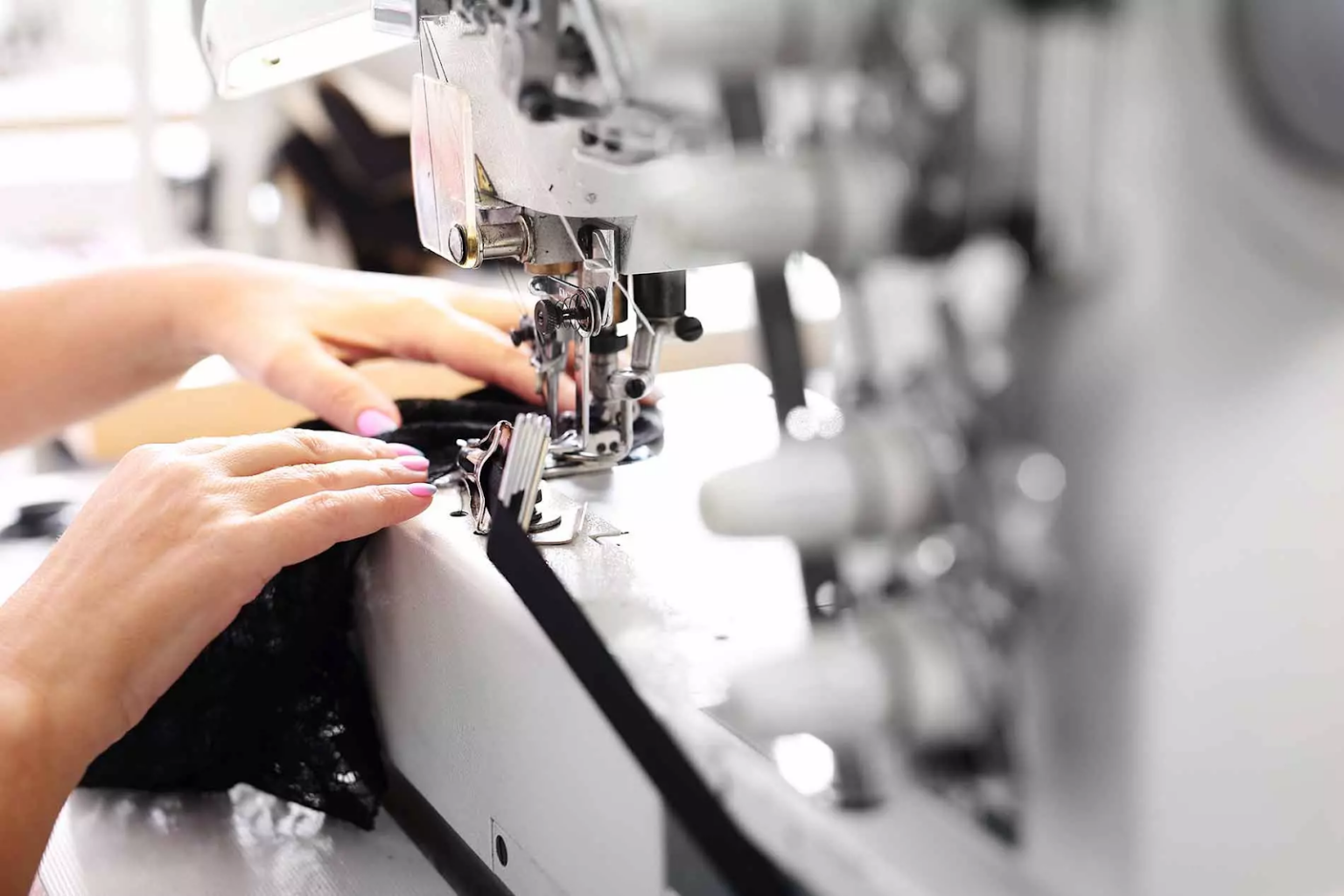
- Flat-Lock Seams: All fabric joins are stitched flat, eliminating any raised ridges. This is essential for delicate infant skin, as even small bumps can cause irritation or scratches.
- Soft, Stretchable Thread: Soft, elastic thread is used so that as the baby grows or the garment stretches to be worn, the stitches stretch with the fabric without breaking or feeling tight.
- Durable Through Washes: Children’s clothes are washed frequently. This stitching method ensures that even after 20-30 machine washes, the bodysuit retains its original shape, avoiding twisting, warping, or deforming.

5. Common Types of Bodysuits
Understanding the various categories of bodysuits allows brands to match design intentions with practical manufacturing solutions. Knowing the differences in style, function, and seasonal suitability helps ensure that the final product meets both parent expectations and infant comfort needs.
5.1 Short-Sleeve Bodysuit
Short-sleeve bodysuits are the most basic and versatile style, featuring short sleeves and snap closures at the crotch for easy diaper changes.
They are considered an “everyday essential” because they can be worn throughout the year. In summer, they are suitable to wear alone for breathability, while in winter they work well as a layering piece under sweaters or jackets, keeping the torso warm without bunching. For brands also producing kids’ outerwear, this list of hoodie manufacturer options is a useful reference to compare more suppliers.
Lightweight cotton, cotton/spandex blends, or bamboo are commonly used for these bodysuits due to their softness, breathability, and gentle touch on the skin. Simple prints or minimal patterns are typical, and slight stretch at the sleeve hems adds comfort for active babies.
5.2 Long-Sleeve Bodysuit
Long-sleeve bodysuits are similar to short-sleeve versions but have sleeves extending to the wrist, providing additional coverage.
They are preferred during cooler months or in air-conditioned environments because they protect the arms and elbows while keeping babies warm. Parents often choose this style for sleepwear to maintain full arm warmth throughout the night.
Cotton, organic cotton, or Modal fabrics are popular for long-sleeve bodysuits because they are soft and provide warmth. Ribbed or interlock knits maintain flexibility and shape, ensuring the bodysuit remains comfortable and durable even after multiple washes.
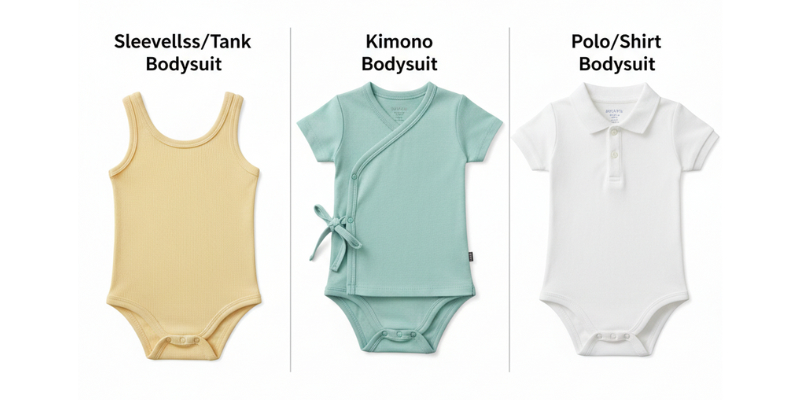
5.3 Sleeveless/Tank Bodysuit
Sleeveless or tank bodysuits are designed without sleeves, often with wide or thin shoulder straps to maximize freedom of movement.
They are ideal for hot summer days or outdoor activities because they allow ventilation under the arms and reduce the risk of heat rashes. This design also works well as a base layer under pants or shorts without adding bulk.
Cotton, bamboo, or cotton/spandex blends are commonly used for tank styles because they are lightweight, breathable, and stretchable. Reinforced armholes are often added to prevent stretching or fraying, enhancing durability and comfort.
5.4 Kimono Bodysuit
Kimono-style bodysuits feature a wrap-front design with side snaps or ties, eliminating the need to pull the garment over the baby’s head.
This style is especially practical for newborns aged 0-3 months, as it reduces stress during dressing and diaper changes while supporting delicate necks. Parents and caregivers find this design convenient and less intimidating for babies.
Lightweight cotton, bamboo, or TENCEL™ blends are preferred for kimono bodysuits because they are soft and easy to fold. Snaps or ties are carefully positioned along the front panel for secure closure and effortless adjustment.
5.5 Polo/Shirt Bodysuit
Polo or shirt-style bodysuits combine a collared upper half with a classic snap-closure bottom, providing a neat and polished appearance.
These bodysuits are suitable for special occasions such as family gatherings, photoshoots, or parties. They ensure the shirt stays tucked in and avoids bunching or shifting when the baby moves or is carried.
Cotton, cotton/spandex, or soft jersey fabrics are commonly used for this style to balance comfort and a crisp appearance. Collar designs may include polo, Peter Pan, or classic shirt collars, often with decorative plackets or subtle prints for a stylish finish.
Beyond infant wear, many skilled manufacturers also specialize as a maternity bodysuits manufacturer, catering to the unique comfort and fit needs of expectant mothers with specially designed fabrics and flexible patterns.
6. How To Know If You’re Working With A Reliable Bodysuit Manufacturer
Working with the right bodysuit manufacturer is critical for producing high-quality, safe, and comfortable garments for children. Knowing how to evaluate potential partners can save time, prevent costly mistakes, and ensure the final product meets both brand standards and customer expectations.
- Ask Questions and Clarify Requirements: A reliable manufacturer never says “yes” to everything without understanding the project. They actively ask questions to clarify your needs and objectives, ensuring they fully comprehend the design, materials, and functional requirements. Experienced manufacturers will use their knowledge to advise on fabric choices, pattern feasibility, and potential production challenges. They will also confirm whether their production capacity and capabilities align with the scale and complexity of your project.
- Understand Kidswear-Specific Priorities: Manufacturers specializing in children’s apparel should understand what matters most for each product line. Safety, precision, and attention to detail are non-negotiable in kidswear. A trusted partner will offer custom solutions tailored to your products rather than providing a one-size-fits-all approach, taking into account age, activity level, and garment functionality. Similarly, brands seeking specialized production should look for maternity clothing manufacturers who can provide expert solutions for the unique demands of comfortable and supportive garments for pregnant individuals.
- Transparency and Communication: A reliable manufacturer is transparent about certifications, factory processes, and essential data. They should be open to factory tours, provide information on meetings, and share relevant supply chain or subcontractor details as appropriate. They will also demonstrate a clear understanding of your brand, target market, and production goals, enabling them to propose solutions that align with your vision and quality standards.
- Strong Quality Control Procedures: A professional manufacturer implements thorough quality control processes that ensure consistency across both small and large production runs. From raw material inspection, in-line checks, and end-line final inspections to third-party verification, each step is carefully managed. Effective QC processes guarantee that fabrics, prints, and stitching meet specifications, maintaining the expected quality whether producing 100 pieces or hundreds of thousands. Their approach should be systematic, optimized, and efficient to deliver products that meet both safety standards and brand expectations.
For those looking to explore a broader range of options for children’s wear, researching the Top 7 Baby Clothes Manufacturers in Vietnam for Global Brands can provide valuable insights and partnership opportunities.
In conclusion, producing comfortable, safe, and durable kids’ bodysuits requires careful attention to fabrics, fit, closures, and quality control. Brands that understand these details can choose the right partners to turn their designs into reliable products. If you are looking for bodysuits manufacturing in Vietnam, reach out to Thygesen Textile Vietnam at: sale@thygesen.com.vn to get projects started.