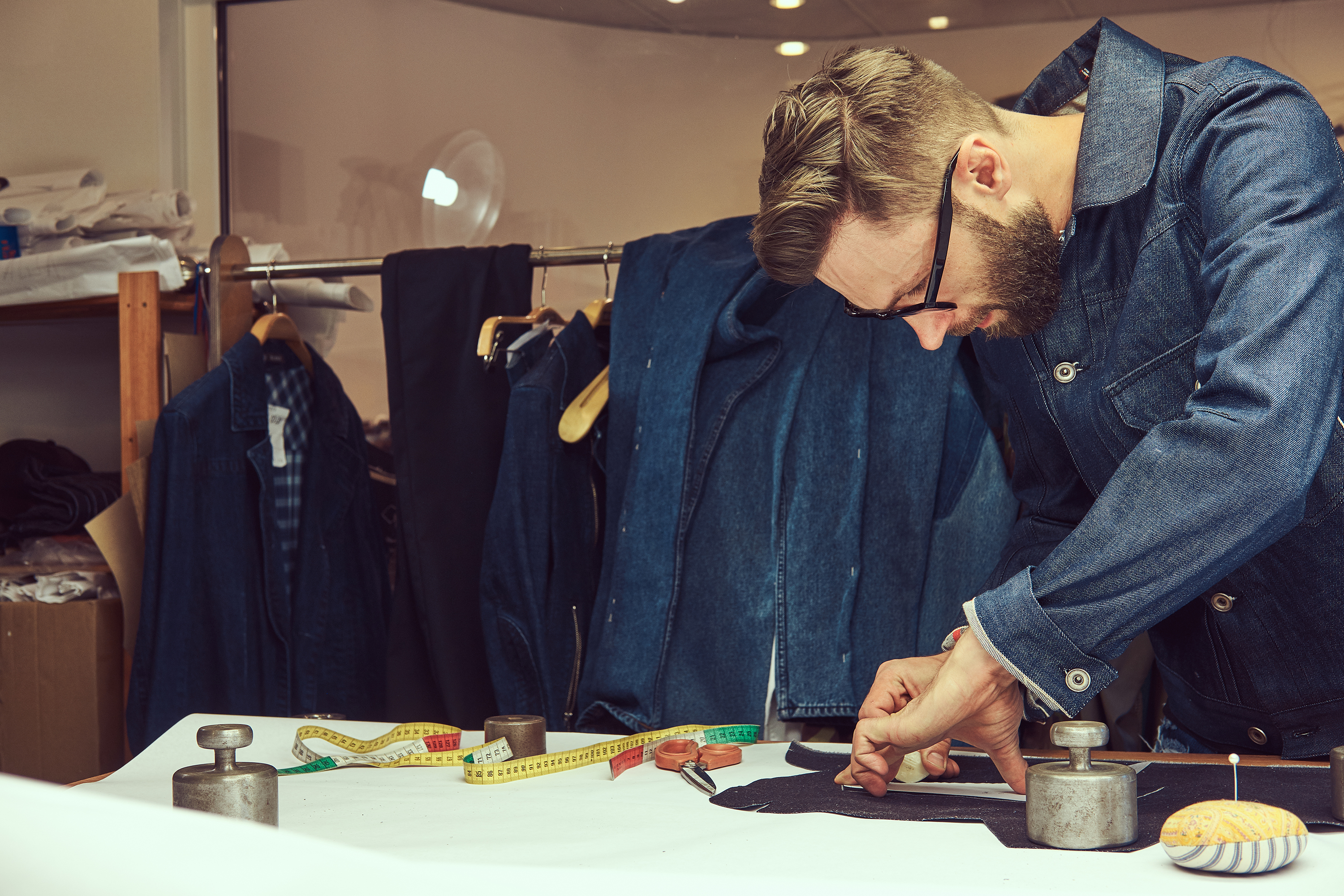
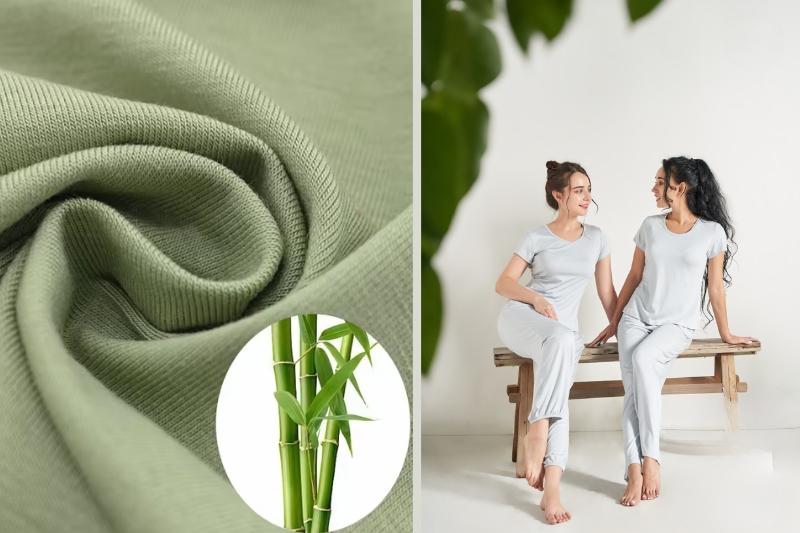
Quality control in the clothing industry involves multiple steps from fabric inspection to final garment checks. Below, Thygesen Textile Vietnam shares how the QC process is applied in real production for fashion brands.
1. Importance of Quality Control in Clothing Industry
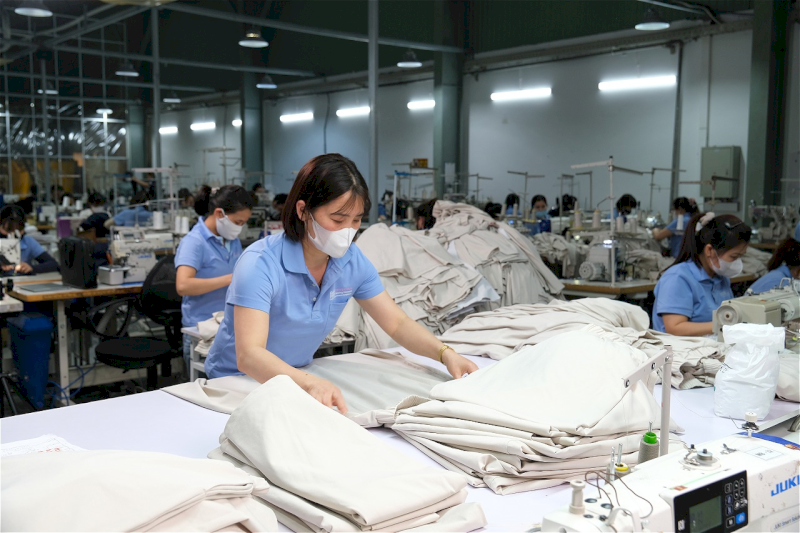
Quality control in the clothing industry is essential to ensure garments are free from defects and meet required standards. It helps maintain consistent product quality across production batches, which is critical for protecting a brand’s reputation as well as end-buyer satisfaction.
An effective QC system minimizes material waste and production errors, saving both time and costs. It also ensures compliance with regulatory requirements and brand’s specifications.
By applying strict quality control processes, manufacturers like Thygesen Textile Vietnam can optimize production efficiency, deliver high-quality finished products, and build trust with many global fashion brands . With us, we test, check, and verify – quality is never a guess.
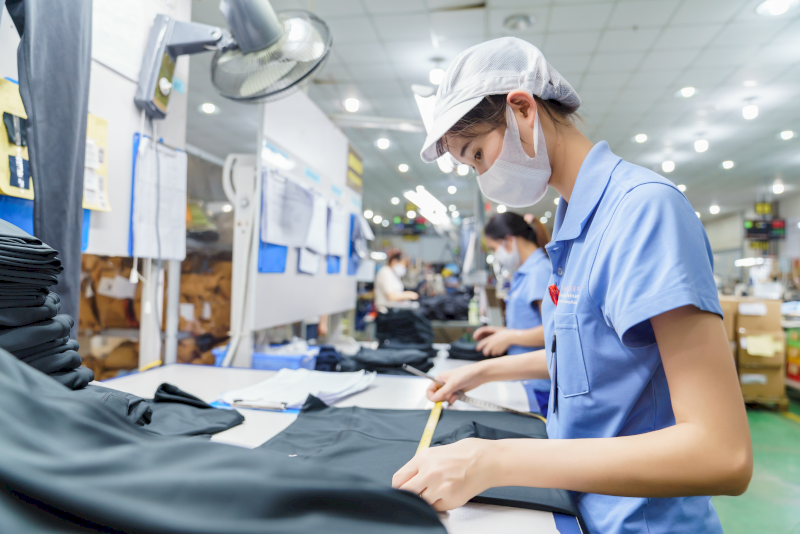
For brands prioritizing performance and durability, partnering with experienced athletic clothing manufacturers is crucial. Thygesen maintains rigorous quality control standards throughout production, ensuring every garment meets the demanding specifications for activewear lines. This commitment supports the creation of functional and long-lasting apparel that stands up to athletic use.
2. Quality Control Steps Required to Manufacture a Complete Finished Garment
Quality control for a finished garment involves key steps across pre-production, during production, and final post-production checks to ensure consistent quality from start to finish.
2.1. Pre-production
Before production begins, several key quality control steps must be completed to ensure the final garment meets brand standards:
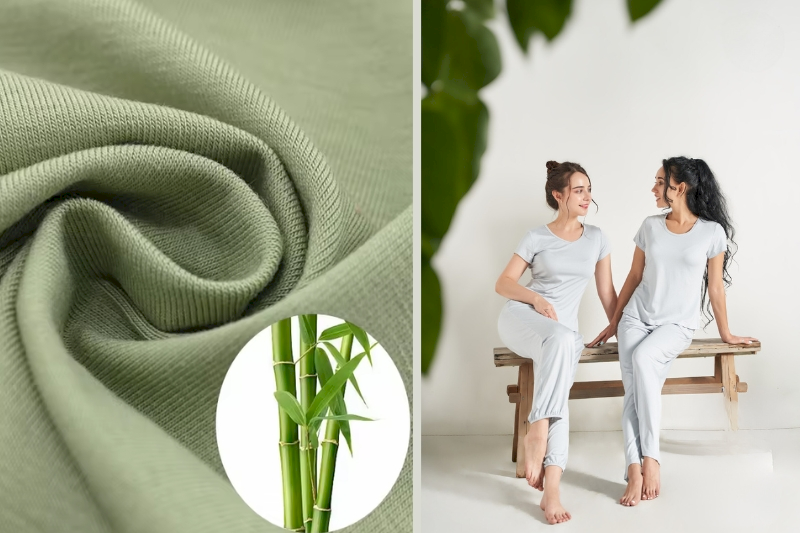
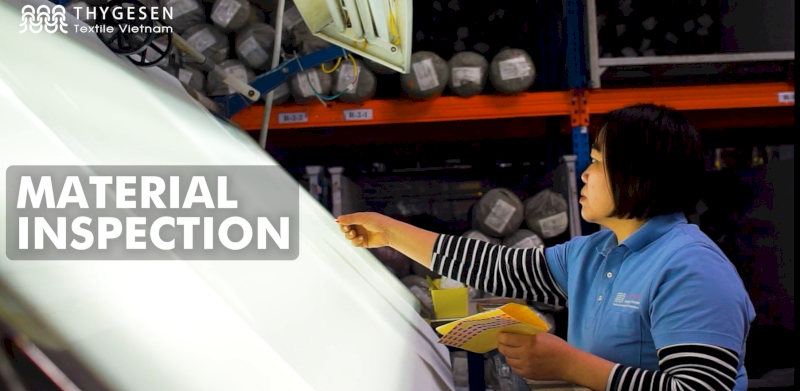
- Fabric Inspection: Fabric rolls are checked manually by trained staff or using inspection machines to detect holes, weaving defects, or color inconsistencies. Only approved fabrics move forward to production.
- Fabric Lab Testing: Conducted in certified labs or in-house, tests may include shrinkage, colorfastness, pilling resistance, or chemical safety, especially for organic, recycled, or performance fabrics as requested by brands. These comprehensive fabrics qc procedures are fundamental to ensuring the material integrity and performance of the final garments.
- Sample Approval: Garment prototypes like fit samples and PP (Pre-Production) samples are reviewed by both the manufacturer and the brand to confirm size specs, construction, trims, and final look. PP sample approval is mandatory before mass production.
At Thygesen Textile Vietnam, fabric quality control begins with a 100% raw fabric inspection, checking for defects in thickness, elasticity, and weaving. Selected rolls then go through random checks for consistency.
For dyed fabrics, lab dips are created and approved before bulk dyeing begins. After dyeing, the fabric is inspected again to ensure color, texture, and durability meet standards.
Once fabric passes all checks, a Pre-Production (PP) Sample is developed based on approved materials. This sample must be approved by the brand before mass production starts, ensuring all garment details match client expectations.
2.2. During production
During production, ongoing quality control is crucial to ensure every garment meets the brand’s standards at each step of manufacturing. Continuous monitoring helps catch defects early, reducing waste and rework.
- Semi-Product Inspection: After fabric cutting and partial assembly, each piece is carefully inspected to detect early-stage defects like inaccurate cutting, stitching errors, or misalignment, preventing faulty garments from progressing further.
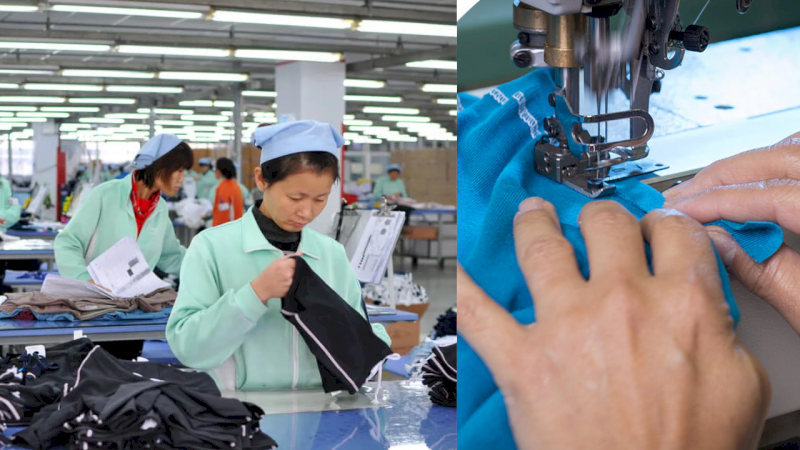
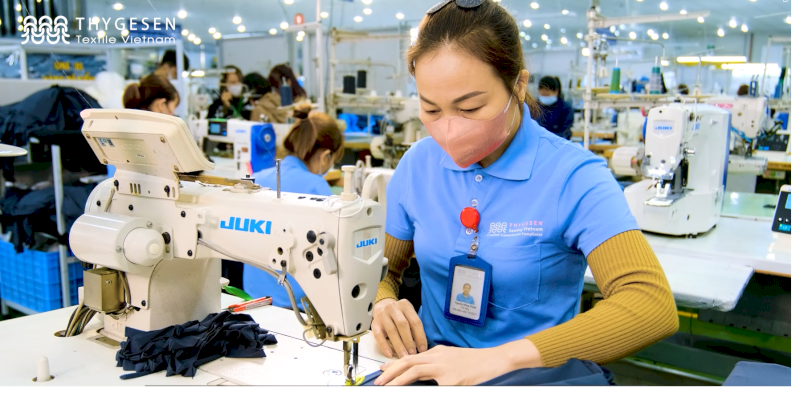
- Self-Worker Inspection: Each worker inspects their own work before passing it to the next stage. This self-checking process helps reduce defects and improves overall production efficiency.
- 100% In-Line Inspection: During sewing, trained inspectors check garments at key production stages to identify and correct issues immediately, ensuring consistent quality and minimizing defects.
- Output Inspection: Once garments are fully assembled, a comprehensive inspection verifies stitching quality, seam strength, measurements, and appearance. Any defects found are flagged for correction before moving forward.
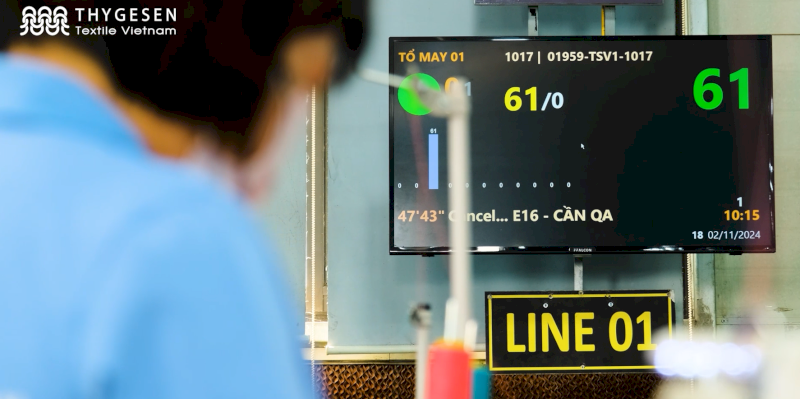
Ensuring consistent quality in complex designs requires meticulous attention to every stage of cut and sew manufacturing. Thygesen offers comprehensive OEM solutions, providing full supply chain transparency from material sourcing to final product inspection. This integrated approach minimizes risks and upholds the highest quality benchmarks for sophisticated apparel projects.
2.3. Post-garment manufacturing
- Packing & Finishing Inspection: Before packaging, inspectors check for finishing details such as loose threads, stains, defective trims, and verify labels, tags, and packaging meet customer specifications.
- Final Inspection: A final quality check is performed according to customer requirements, which may include 100% inspection, AQL sampling, or third-party audits. Passed batches are approved for warehouse release; failed batches require re-inspection or rework.
- Order Completion & Report: After all inspections, a detailed quality report is created summarizing findings and confirming the batch is ready for delivery, ensuring full traceability and compliance with quality standards.
Thygesen strictly follows all the above quality control steps throughout the garment production process. This commitment ensures consistent excellence, minimizes defects, and maintains full traceability from garment inspection to final shipment.

3. Standard Inspections for Quality Control in Garment Production
Standard inspections play a crucial role in maintaining quality control throughout garment production. As part of quality assurance in the garment industry, the following methods are commonly used to ensure products meet required standards:
- Random Sampling: Selected samples are randomly picked from bulk production batches for inspection. This method helps identify overall production quality and is essential for obtaining quality certifications for the manufacturing line.
- AQL (Acceptable Quality Level): A widely accepted standard in the garment industry that specifies the maximum number of defects allowed per batch. Common AQL levels include AQL 1.5 (for critical defects), AQL 2.5 (for major defects), and AQL 4.0 (for minor defects). These levels help brands balance quality expectations with realistic manufacturing tolerances.
- 100% Inspection: Every single product or component in a production lot is thoroughly examined to confirm it meets all specifications and quality requirements. This inspection is typically applied to critical items or high-risk production runs.
- Third-Party Inspections: Independent, certified inspection companies assess finished products to provide unbiased verification of quality. These inspections add credibility and help meet international compliance and buyer demands.
These inspection methods are applied by Thygesen Textile Vietnam based on customer requirements to ensure consistent product quality and compliance with brand standards.
In conclusion, quality control in the clothing industry involves essential steps from fabric inspection to final checks, ensuring the highest quality garments. Thygesen Textile Vietnam is a trusted clothing manufacturer with a strict and responsible QC process that guarantees reliable results for every apparel piece produced. If you’re specifically sourcing for fleece or outerwear lines, our list of trusted hoodie manufacturer partners can help you find a QC-focused production partner. For more details, visit our website thygeseapparel.com or email via sale@thygesen.com.vn.