Lead time plays a crucial role in apparel manufacturing, impacting things from production schedules to delivery dates. Understanding what lead time in the garment industry is and the factors that affect it can help fashion brands plan more effectively and meet market demands on time.
1. What Is Lead Time in The Garment Industry?
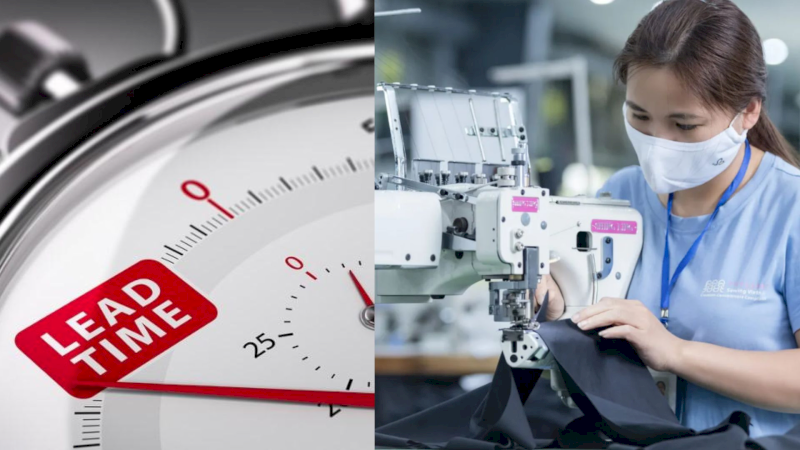
Lead time In the garment industry is the total time needed to complete an order from the moment the order is placed until the finished products are delivered. It covers all steps in the process, such as sourcing materials, designing, sampling, bulk production, quality checks, and shipping. Simply put, lead time is the time between ordering and receiving the final garments.
For example, if a fashion brand orders 1,000 jackets, the lead time includes the weeks spent sourcing fabrics and trims, developing and approving prototypes, cutting and sewing the garments, checking their quality, and arranging shipment. If this entire process takes 12 weeks, then the lead time for that order is 12 weeks.
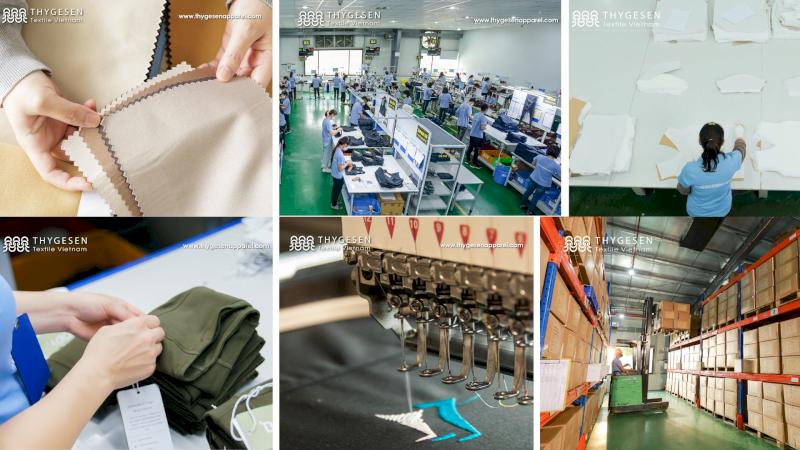
Lead time matters even more for athletic clothing, where brands often need to hit tight seasonal launch windows and restock fast-moving styles. Thygesen is one of the athletic apparel manufacturers built to keep lead times predictable at scale — read more about how we manage production timelines for sportswear brands.
2. The Importance of Reliable Lead Time in Bulk Apparel Manufacturing
In the garment industry, lead time is not just a number, it’s one of the key factors that can determine whether a product launch succeeds or fails.
When producing apparel in bulk, fashion brands must understand how long each stage of production takes, from sourcing fabrics and trims to sampling, bulk cutting and sewing, finishing, quality control, and final shipping.
Reliable lead time allows brands to align their internal planning, such as marketing and sales, with actual production capacity. It helps avoid last-minute surprises, pressure on factory timelines, and breakdowns in the supply chain. When a brand knows exactly how much time each step takes, it can negotiate more effectively with manufacturers and adjust production calendars proactively.
Ultimately, understanding and managing lead time is about reducing uncertainty. The more control a brand has over its timeline, the more confidently it can respond to market trends and deliver the right products at the right time.
For deeper insights into continuous improvement strategies, you might find valuable information on Kaizen In Garment Industry: Understanding The Importance of Kaizen Implementation – Thygesen Textile Vietnam, which highlights its role in enhancing operational excellence.
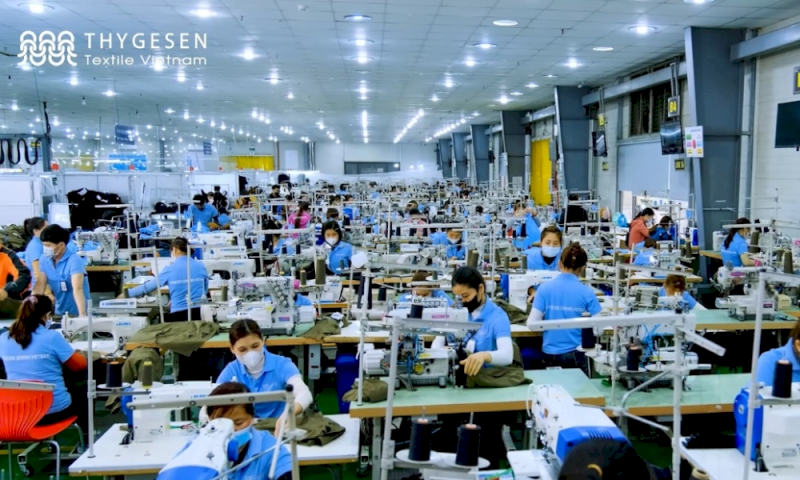
Optimizing production efficiency and material utilization is key to managing lead times effectively for diverse apparel lines. As an experienced cut and sew manufacturer, Thygesen provides tailored production solutions that adapt to varying order volumes and design complexities. This partnership approach supports brands in achieving consistent production flows and maintaining desired product aesthetics.
3. Factors That Affect Lead Time in The Garment Industry
Several key factors can influence lead time in garment production, from the complexity of the design to sourcing materials and shipping logistics:
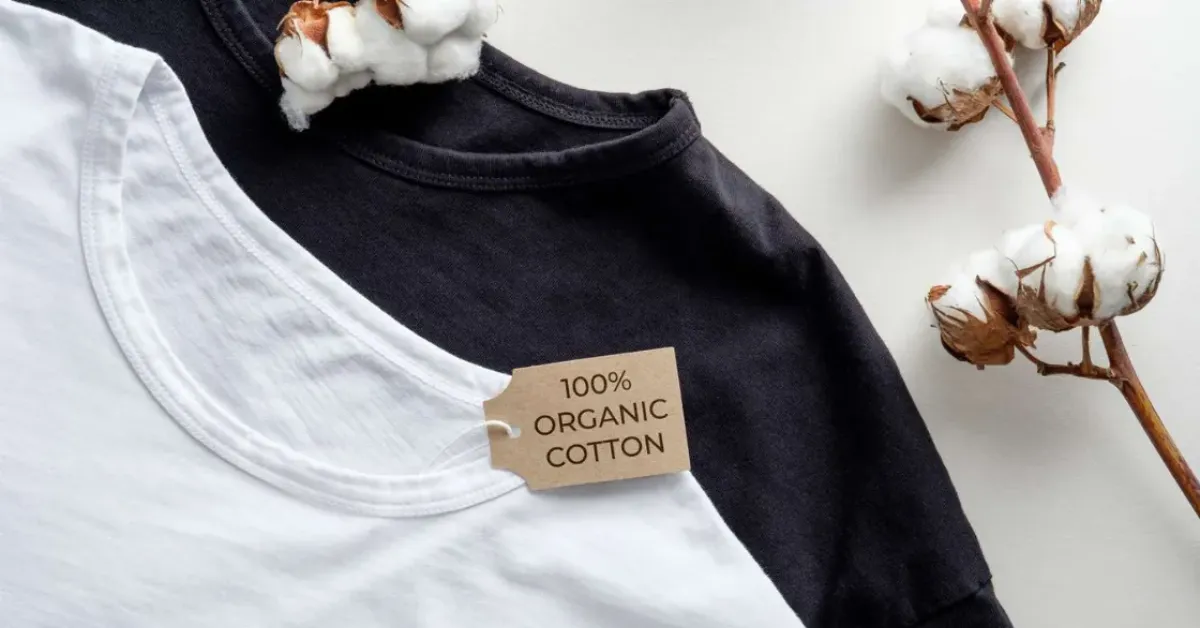
- Fabric & Material Sourcing: Lead time can vary greatly depending on fabric requirements. If the fabric needs special features (such as anti-bacterial, UV protection), specific certifications (like GOTS or Oeko-Tex), or must be imported from abroad, sourcing will take longer compared to using readily available local materials.
- Sampling & Approvals: Time spent developing prototypes, fitting samples, and awaiting brand approval can delay production. Multiple rounds of revision extend the timeline.
- Production Capacity & Line Availability: A manufacturer’s production schedule and available machinery/workforce determine how soon bulk production can start. Implementing a robust lean manufacturing system can significantly reduce waste and improve overall production efficiency, directly impacting lead times in the garment industry.
- Order Quantity & Product Complexity: Larger orders or complex designs (e.g., multi-panel garments, embroidery) require more time to produce compared to basic styles.
- Quality Control Procedures: Time allocated for inspection and resolving quality issues can extend lead time, especially if rework is required.
- Shipping & Logistics: Whether shipping is by air or sea affects delivery time. Port congestion, customs clearance, or weather delays can further impact this stage.
- Communication & Decision Speed: Delays in brand response (e.g., approving samples, confirming fabric choices) or miscommunication can prolong the process.
- Unexpected Disruptions: Factors like supplier delays, factory shutdowns, holidays, or strikes can add unplanned time to the schedule.
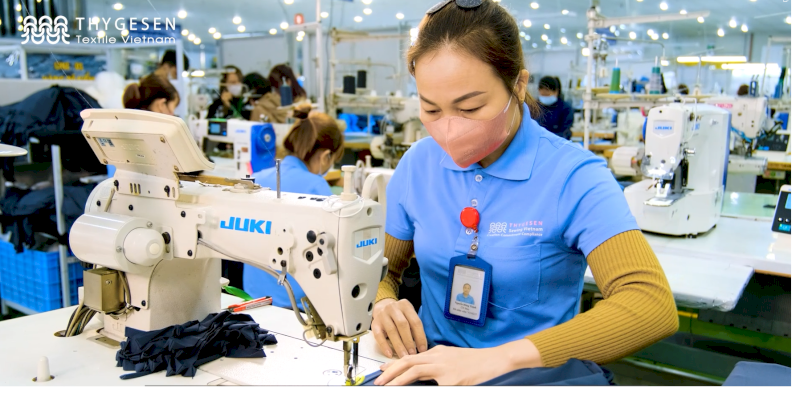
Precise material handling and intricate construction methods significantly influence lead times for high-performance garments. Thygesen operates as a specialized legging manufacturer, upholding ISO-based quality management systems and ensuring supply chain transparency for all textile components. This commitment minimizes production delays and ensures products consistently meet international compliance standards.
4. What is Thygesen’s Lead Time and How We Optimize It for Our Customers?
At Thygesen, every order starts with a careful review of the inquiry. Based on the tech pack, chosen fabric, and quantity, we prepare a custom quotation if it is feasible for our production. This usually takes 3 to 5 days, considering design complexity, materials, and order size.
Once the quotation is approved, we move to sample development. Typically, 2 to 3 sampling rounds are needed, each taking 7 to 10 days if using available fabrics. Sampling fees are charged upfront and refunded after bulk order confirmation.
After sample approval and price confirmation, the order is finalized with a deposit, and bulk production begins. Our standard lead time for bulk orders is 30 to 45 days once all fabrics and trims are ready.
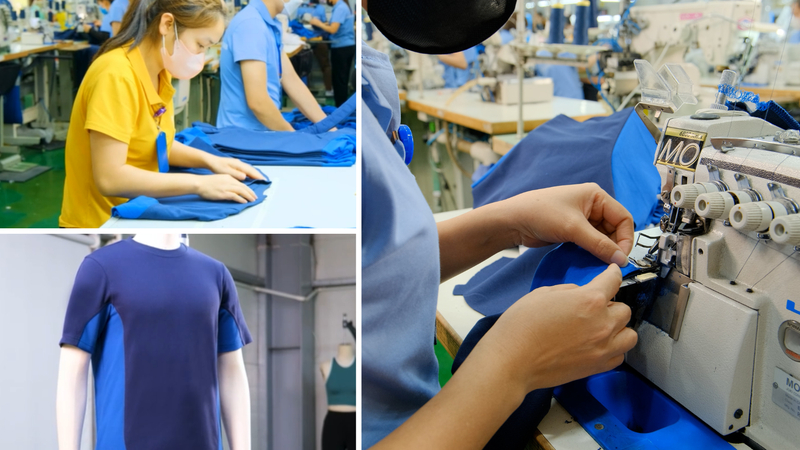
To optimize production, we first eliminate unnecessary steps during sample review and design efficient sewing line layouts based on equipment and workforce skills. For mass production, we use the Japanese LEAN model to identify bottlenecks and improve quality, ensuring timely delivery and consistent product excellence.
To achieve optimal efficiency and consistent quality, many leading fashion brands rely on advanced apparel lean manufacturing strategies throughout their supply chains.
Thygesen is recognized in the industry as a trusted hoodie manufacturers and custom activewear manufacturer. You can find more details about our products and services in the article.
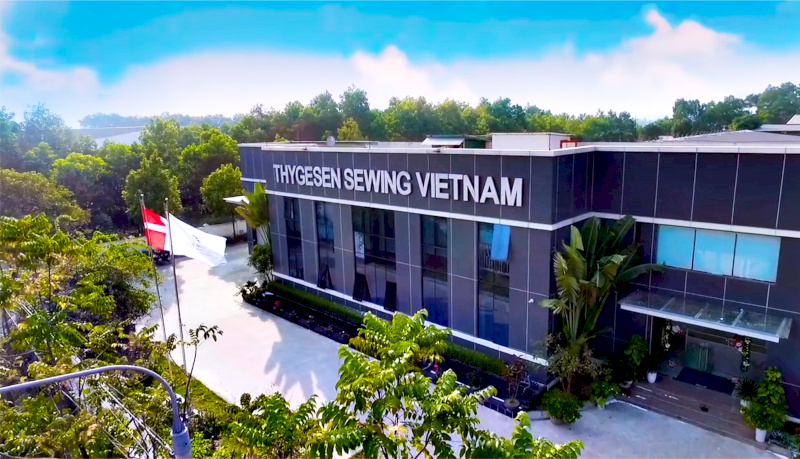
In conclusion, lead time in garment production is one of the key factors, and working with a trusted manufacturer like Thygesen, with clear timelines and efficient processes, helps ensure timely delivery and quality. For more information, contact us at sale@thygesen.com.vn or visit thygesenapparel.com.