The SA800 certificate for garment factory requirements is becoming a critical benchmark in the global apparel industry. But what does it actually involve, and why do brands care so much about it? This writing explains everything you need to know.
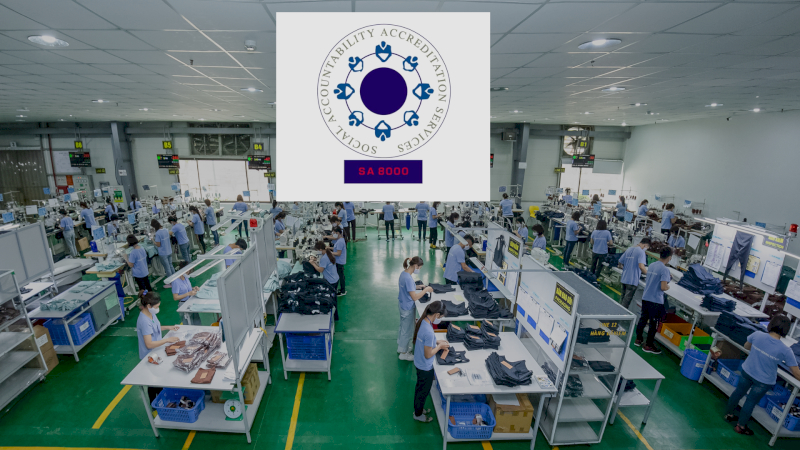
1. Core SA8000 Requirements for Garment Factories
SA8000 includes several key workplace and labor requirements that garment factories must comply with to ensure ethical and socially responsible manufacturing.
1.1. No Child Labor
SA8000 strictly prohibits child labor in all forms. Garment factories must verify employee age through proper documentation, prevent underage hiring, and implement corrective procedures if violations are found. Compliance is required with both international labor standards and local labor laws, supported by accurate hiring records and verification systems.
1.2. No Forced or Compulsory Labor
Factories must ensure that all work is freely chosen and not forced in any way. This means no retention of passports or personal documents, no coercion, and no restricted movement of employees. Workers must be free to leave their jobs voluntarily and work under transparent employment agreements, ensuring full respect for personal rights.
1.3. Workplace Health and Safety
SA8000 requires factories to maintain a safe and hygienic working environment. This includes fire safety systems, emergency exits, ventilation, machine safety measures, first aid availability, and proper hygiene standards. Factories must also conduct risk assessments, provide safety training, and keep detailed safety records, as this is a core focus during audits.
1.4. Freedom of Association and Collective Bargaining
Workers must have the right to join or form labor organizations and participate in collective bargaining where legally allowed. Factories must not discriminate or retaliate against worker representatives and must allow lawful communication between employees, supporting transparency and worker voice in the workplace.
1.5. No Discrimination
SA8000 prohibits any form of discrimination based on gender, religion, ethnicity, nationality, age, disability, or political views. These principles apply across all employment stages, including hiring, promotion, compensation, training, and termination. Factories must also maintain clear policies against harassment and abuse.
1.6. Fair Disciplinary Practices
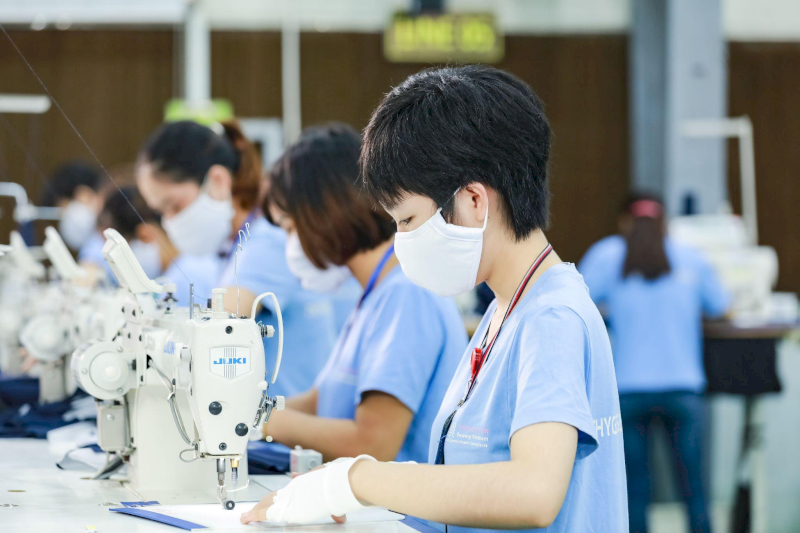
Disciplinary actions must respect worker dignity and exclude any form of physical punishment, verbal abuse, mental coercion, or intimidation. Factories are required to implement fair, transparent, and professional disciplinary procedures aligned with human rights standards.
1.7. Working Hours Compliance
Factories must comply with legal working hour limits, ensure rest days, and manage overtime responsibly. Overtime must always be voluntary and properly recorded, with accurate attendance and payroll systems in place to demonstrate compliance with labor regulations.
1.8. Fair Compensation
Employees must receive wages that meet or exceed legal minimum requirements and fully comply with labor laws. Overtime must be properly compensated, and workers should receive transparent pay information, timely salary payments, and any legally required benefits. Compensation systems are closely reviewed during SA8000 audits.
2. SA8000 Audit Process for Garment Factories
Factories pursuing SA8000 certification must go through a structured audit process designed to evaluate both compliance systems and real working conditions.
- Initial Gap Assessment: The process begins with a gap assessment, where the factory reviews its current operations against SA8000 requirements. This step helps identify non-compliance areas in labor practices, workplace safety, documentation, and management systems that need improvement before formal certification.
- Policy and System Development: Based on the gap analysis, factories establish and formalize internal systems aligned with SA8000 standards. This includes developing workplace policies, labor management procedures, health and safety systems, and proper documentation frameworks to ensure consistent compliance across all departments.
- Employee Training: Training is a critical part of the preparation process. Both workers and management teams are educated on labor rights, workplace safety standards, internal procedures, and compliance expectations. This ensures that SA8000 principles are understood and applied in daily operations, not just documented on paper.
- Third-Party Audit: An independent, accredited certification body conducts a comprehensive on-site audit. This evaluation includes reviewing official documents, interviewing employees, inspecting facility conditions, checking payroll records, and assessing health and safety systems to verify real compliance with SA8000 standards.
- Corrective Actions: If any non-compliance issues are identified during the audit, the factory must implement corrective action plans within a defined timeframe. Only after these issues are properly resolved can the certification body grant SA8000 approval.
3. Benefits of SA8000 Certification for Garment Factories
SA8000 certification brings both operational and strategic advantages to garment factories, helping them strengthen credibility, improve internal systems, and stay competitive in the global apparel industry.
- Improved Brand Trust: SA8000 certification enhances a factory’s credibility with international buyers who prioritize ethical sourcing and long-term, responsible manufacturing partnerships.
- Better Access to Global Markets: Many global fashion brands now require or prioritize social compliance certifications when selecting suppliers, making SA8000 an important entry requirement for global sourcing opportunities. >> This is equally relevant across different apparel categories — for example, brands sourcing from a certified hoodie manufacturer can use our curated list to identify partners that meet recognized compliance standards.
- Reduced Compliance Risks: A structured labor and management system helps minimize risks related to labor violations, workplace accidents, supply chain disputes, and audit failures.
- Stronger Workforce Stability: Better working conditions contribute to improved employee retention, higher morale, lower turnover rates, and overall increased productivity within the factory.
- Competitive Advantage: As responsible sourcing becomes a key industry standard, SA8000-certified factories gain a stronger competitive position in global apparel supply chains.
>> This advantage applies across product categories — brands developing technical products such as leggings, for instance, can explore a list of certified legging manufacturers to find partners that combine compliance with the right production expertise for that category.
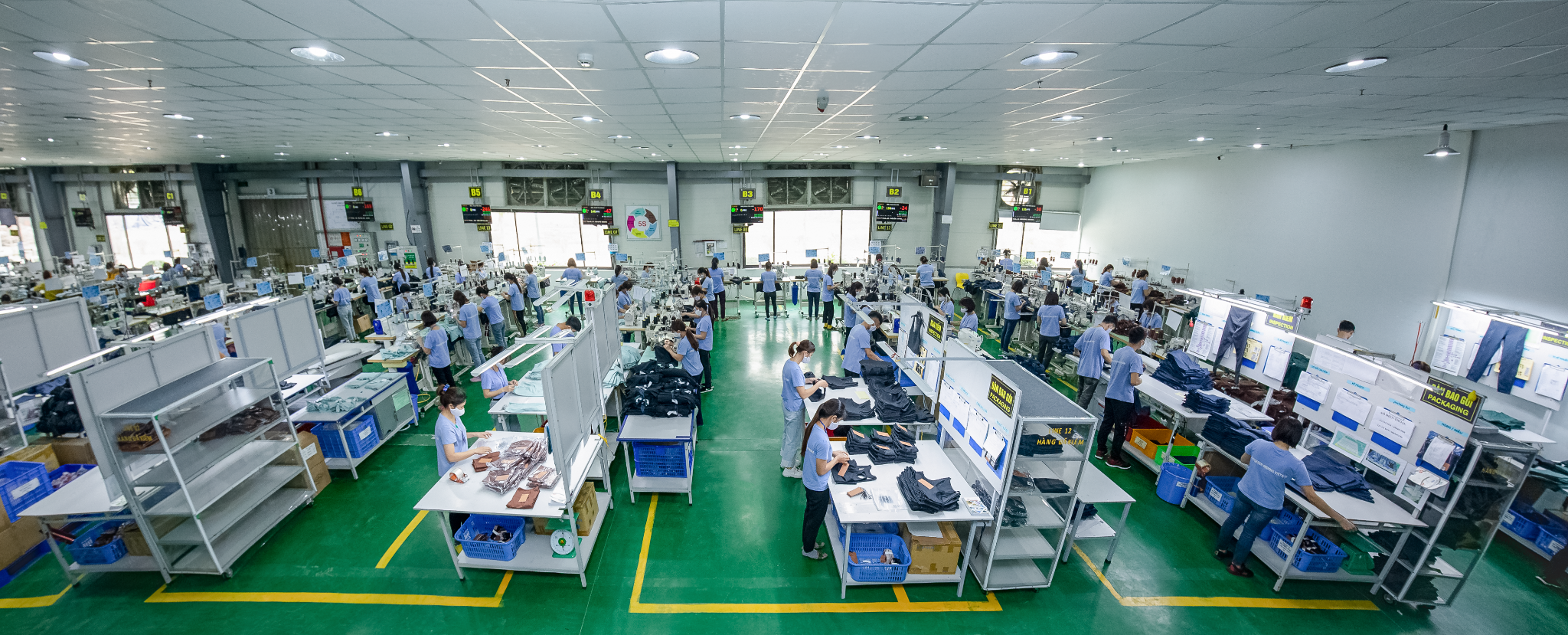
Thygesen Textile Vietnam – Your Reliable SA8000 Garment Manufacturing Partner
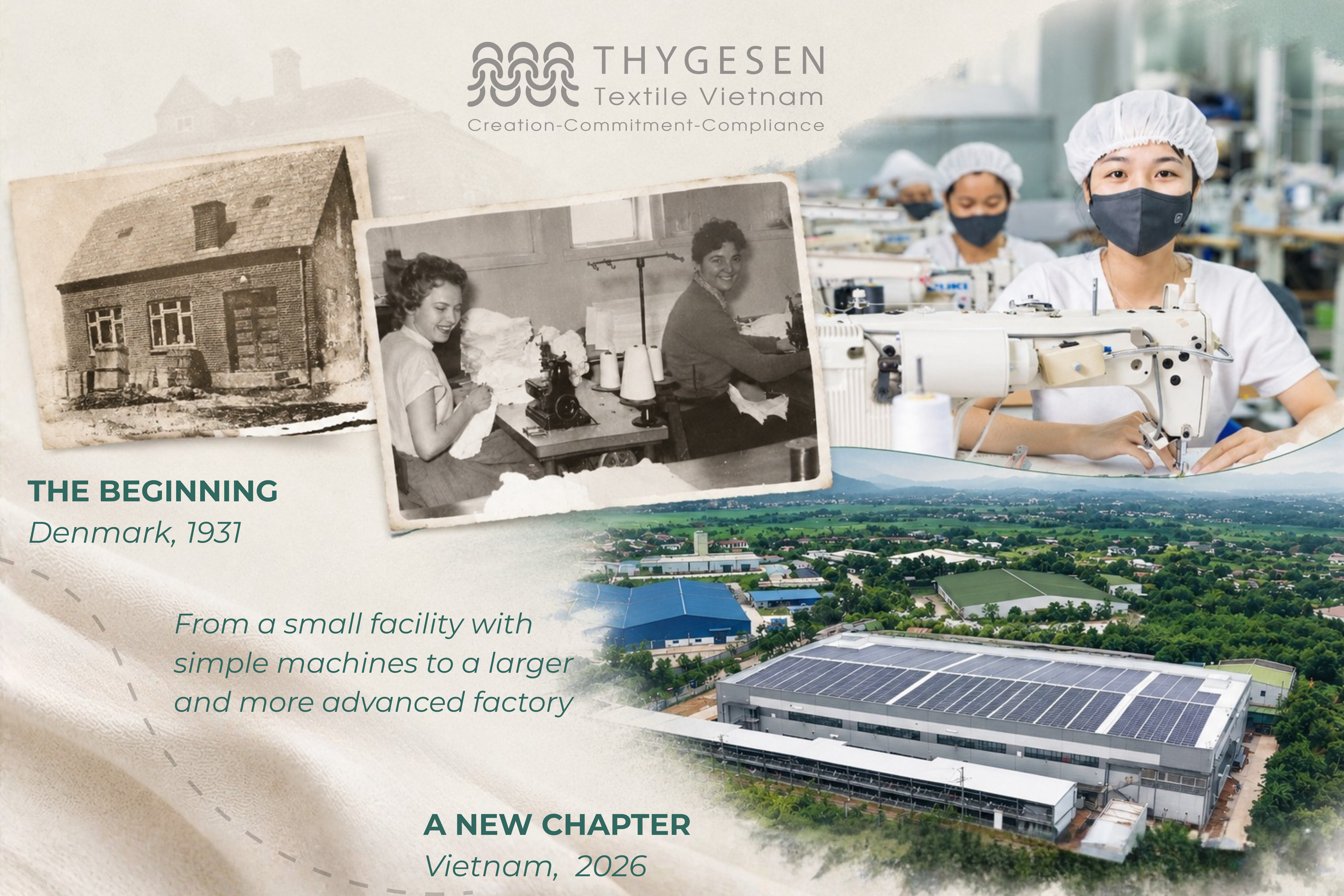
Thygesen Textile Vietnam is an ethical apparel manufacturer specializing in high-quality garment production for global brands. With strong manufacturing capabilities and extensive industry experience, TGS provides end-to-end apparel solutions across a wide range of product categories, including sportswear, underwear, workwear, uniforms, seamless activewear, and sustainable apparel, through both OEM and ODM services tailored to brand requirements. >> For brands sourcing performance-focused apparel, browsing a curated list of athletic clothing manufacturers can help identify partners that combine ethical compliance with specialized activewear production capabilities.
TGS operates under internationally recognized compliance systems, including SA8000 and WRAP certification. In addition, the factory meets multiple global standards such as ISO 9001:2015, GRS, GOTS, OEKO-TEX STANDARD 100, FSC, and OCS, reflecting its strong commitment to quality, ethical manufacturing, and sustainability throughout the production process.
>> For brands also looking to understand the cut-and-sew production process and explore a list of cut and sew manufacturers that combine strong compliance standards with technical garment construction expertise, our dedicated guide covers both in detail.
In conclusion, SA8000 certification plays an important role in ensuring ethical, safe, and compliant operations within garment factories, while also strengthening trust and competitiveness in the global apparel industry.
Thygesen Textile Vietnam is a reliable manufacturing partner with strong compliance systems and extensive experience in serving international brands. To explore collaboration opportunities, contact us at sale@thygesen.com.vn or visit thygesenapparel.com.