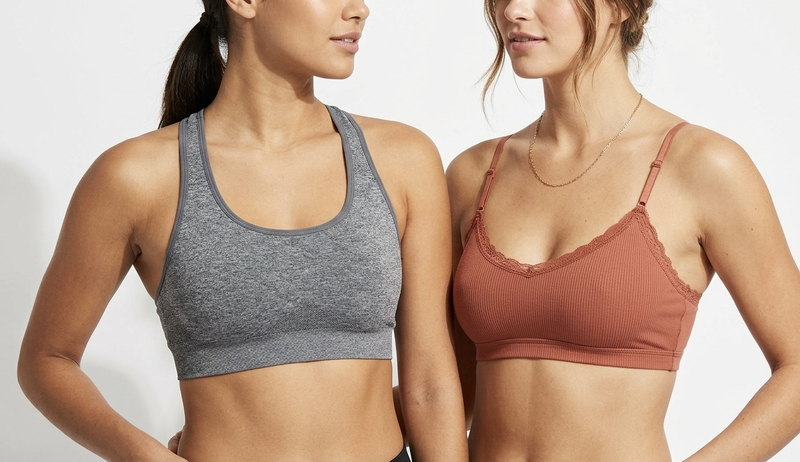
Sports bras and bralettes are two essential categories in modern womenswear, each designed to serve different comfort, support, and lifestyle needs. Sports bras focus on stability, performance, and movement control during physical activities, while bralettes emphasize softness, flexibility, and casual everyday comfort. Understanding the key differences between these garments helps consumers and apparel brands choose the most suitable option based on activity level, styling preferences, functionality, and overall wearing experience.
1. What Are Sports Bras and Bralettes?
1.1. What Are Sports Bras?
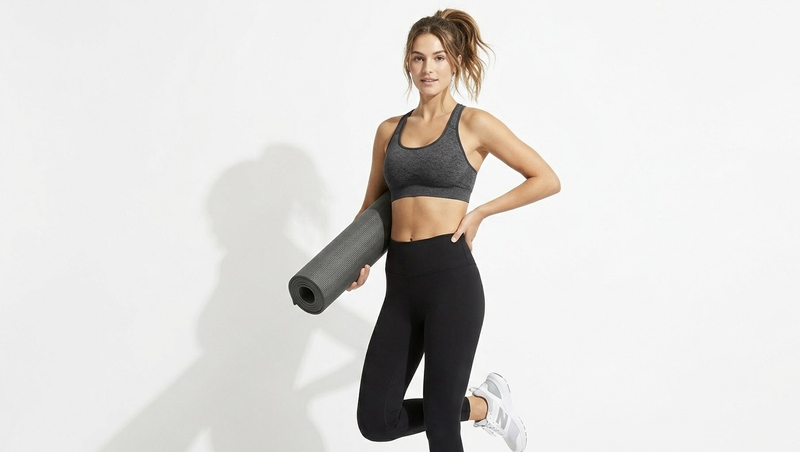
Sports bras are specialized supportive garments designed to reduce breast movement during physical activities such as running, training, yoga, or gym workouts. Unlike regular bras, they are engineered with compression or encapsulation features to provide stability, enhance comfort, and minimize strain during exercise.
Sports bras are typically made from stretchable, moisture-wicking fabrics that improve breathability and performance. Today, they are widely used in activewear, fitness apparel, athleisure, and wellness-focused fashion collections due to their functional support and versatile design.
1.2. What Are Bralettes?
Bralettes are lightweight, soft bras designed with a focus on comfort, flexibility, and everyday wear. Unlike traditional bras or sports bras, bralettes typically feature minimal structure, no underwires, and light or no padding, creating a more natural and relaxed fit. They are commonly made from soft fabrics such as cotton, lace, modal, or seamless knit materials for enhanced comfort. Bralettes are popular for lounging, casual daily styling, and layering under tops, blazers, or oversized shirts, often serving both functional and fashion purposes.
2. Key Features: Sports Bra vs Bralette
Although sports bras and bralettes may appear similar in silhouette, they differ significantly in functionality, construction, and intended use. From support level and fabric selection to design structure and styling purpose, each serves a distinct role in modern apparel collections. Understanding these key features helps brands and consumers choose the right option based on comfort, performance, and lifestyle needs.
2.1. Key Features of Sports Bras
- High support construction:Sports bras are specifically engineered to minimize breast movement during physical activities. Their supportive structure helps reduce bounce, discomfort, and strain, making them ideal for workouts ranging from low-impact yoga sessions to high-intensity sports and training exercises.
- Compression or encapsulation design: Most sports bras use compression, encapsulation, or a combination of both support systems to stabilize the chest during movement. These designs improve comfort and control while helping wearers maintain better performance throughout exercise and active routines.
- Moisture-wicking fabrics: Sports bras are commonly made with performance fabrics that wick moisture away from the skin. These breathable materials help regulate body temperature, improve comfort during workouts, and keep the garment feeling lighter and drier during extended activity.
- Wide straps and elastic bands:Wide shoulder straps and supportive underbands help distribute weight more evenly across the body. This design reduces pressure on the shoulders while improving overall comfort, stability, and support during repetitive or high-impact movements.
- Performance-focused fit: Unlike casual bras, sports bras are designed with a snug, body-hugging fit to provide stability during exercise. The close-fitting construction helps keep the garment securely in place while supporting unrestricted movement and athletic performance.
- Removable or molded cups: Many medium- and high-support sports bras include removable padding or molded cups for additional shaping and coverage. These features enhance comfort, improve support, and provide a more structured silhouette suitable for both activewear and athleisure styling.

2.2. Key Features of Bralettes
Bralettes are designed with comfort, softness, and relaxed styling in mind. Unlike sports bras, they prioritize lightweight construction and everyday wearability over high support. Their flexible structure and fashion-oriented appeal make them popular in casualwear, loungewear, and modern layering collections.
- Soft construction: Bralettes use soft, flexible materials that prioritize comfort, natural movement, and lightweight everyday wearability throughout the day.
- Light support: Bralettes provide gentle support suitable for lounging, casual activities, and low-impact daily wear rather than intense physical exercise.
- Minimal padding: Most bralettes feature wire-free, lightly lined, or unstructured designs that create a more natural and relaxed silhouette.
- Decorative aesthetics:Lace details, ribbed fabrics, mesh panels, and seamless finishes give bralettes a stylish and fashion-forward appearance.
- Relaxed fit: Bralettes focus on all-day comfort with flexible fits that avoid tight compression or restrictive support structures.
- Fashion layering: Bralettes are often styled under oversized shirts, blazers, tank tops, or sheer garments as visible layering pieces.

Criteria | Sports Bras | Bralettes |
Primary Purpose | Designed for physical activity, movement control, and workout support | Designed for comfort, casual wear, and relaxed everyday styling |
Structure | Structured construction with reinforced support elements | Soft, lightweight, and minimally structured design |
Support Level | Medium to high support | Light support |
Padding | Often includes removable pads or molded cups | Usually lightly padded or completely unpadded |
Materials | Moisture-wicking performance fabrics such as polyester, nylon, and spandex | Soft fabrics like cotton, modal, lace, rib knit, or seamless blends |
Fit | Snug, compressive fit for stability during movement | Relaxed, flexible fit focused on comfort |
Closures | May include pull-on styles, hook-and-eye closures, or adjustable straps | Commonly pull-on styles with simple adjustable straps |
Breathability | Engineered for airflow and sweat management during exercise | Breathable for daily comfort but not optimized for intense activity |
Style Positioning | Activewear, gym wear, sportswear, and athleisure collections | Loungewear, casualwear, and fashion layering collections |
Best For | Workouts, running, training, yoga, and sports activities | Lounging, casual outfits, travel, and everyday comfort wear |
3. Materials Used in Sports Bras vs Bralettes
Material selection plays a major role in determining the comfort, functionality, and performance of both sports bras and bralettes. While sports bras prioritize moisture management, stretch, and durability for active movement, bralettes focus more on softness, flexibility, and everyday comfort. Understanding the differences in fabric choices helps brands develop products that align with specific performance, lifestyle, and fashion needs.
3.1. Materials Used in Sports Bras Manufacturing
Sports bras are typically manufactured using technical fabrics engineered for performance, support, and long-term durability. These materials are selected to provide stretch, moisture management, breathability, and shape retention during physical activity. The combination of functional textiles and performance-focused construction helps ensure comfort and stability across different workout intensities and activewear applications.
Common materials include:
- Polyester-spandex blends: Widely used for sports bras due to their durability, elasticity, and moisture resistance. These blends provide flexibility, shape retention, and reliable performance during repetitive movement and intense physical activities.
- Nylon-spandex fabrics: Known for their smooth texture and lightweight feel, nylon-spandex fabrics offer excellent stretch, recovery, and body-contouring support while maintaining comfort throughout workouts and athletic performance. >> The same technical fabrics used in sports bras — particularly nylon-spandex and compression blends — are also widely applied in performance leggings. Brands developing coordinated activewear sets can explore a curated list of experienced legging manufacturers specializing in private-label production with the right fit engineering, certified fabric options, and scalable manufacturing capabilities.
- Moisture-wicking performance knits: Engineered knits help pull sweat away from the skin to improve dryness, breathability, and temperature regulation during exercise, making them ideal for activewear and sports bra applications.
- Compression fabrics: Compression materials provide enhanced support and stability by applying controlled pressure to reduce movement during high-impact activities while improving overall comfort and performance support.
- Mesh ventilation panels: Mesh inserts are commonly added to sports bras to increase airflow and breathability in high-heat areas, helping improve comfort and reduce moisture buildup during workouts.
3.2. Materials Used in Bralette Manufacturing
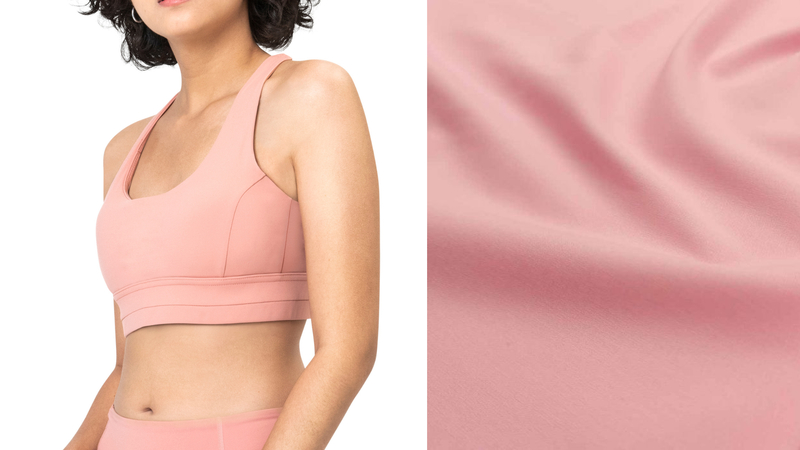
Bralettes are commonly produced using soft, lightweight fabrics that emphasize comfort, flexibility, and aesthetic appeal. Unlike performance-focused sports bras, bralette materials are selected to create a gentle feel against the skin while supporting relaxed everyday wear. These fabrics also contribute to the stylish, fashion-oriented appearance that makes bralettes popular in loungewear and casual fashion collections.
Common materials include:
- Cotton jersey: Cotton jersey fabrics are valued for their softness, breathability, and natural comfort, making them a popular choice for everyday bralettes and relaxed loungewear collections.
- Modal blends: Modal blends offer a silky-soft texture, lightweight feel, and excellent drape while providing enhanced comfort and flexibility for all-day casual wear applications.
- Ribbed knits: Ribbed knit fabrics add texture, stretch, and visual appeal to bralettes while maintaining softness and flexibility for comfortable daily styling and layering.
- Lace fabrics: Lace materials bring a feminine, decorative aesthetic to bralettes, combining lightweight comfort with elegant styling details suitable for fashion-focused intimate apparel collections.
- Seamless nylon blends: Seamless nylon blends provide smoothness, stretch, and lightweight support while creating a clean, comfortable fit ideal for modern everyday bralette designs.
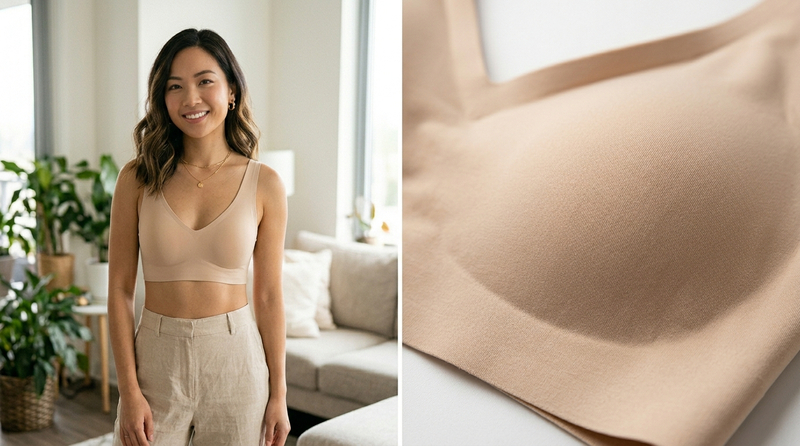
4. Common Styles of Sports Bras vs Bralettes
Both sports bras and bralettes are available in a wide range of styles to suit different activities, comfort preferences, and fashion trends. While sports bra designs focus on support and performance functionality, bralette styles emphasize softness, aesthetics, and versatile everyday wear. Understanding these common styles helps brands create collections that align with diverse consumer needs and market demands.
4.1. Common Styles of Sports Bras
The following section highlights the most common styles of sports bras and explains how each one is designed to meet different performance needs.
- High-impact sports bras: Designed for running, HIIT workouts, and intense training activities, these bras provide maximum support, stability, and bounce reduction during high-movement exercises.
- Medium-support sports bras: Ideal for gym workouts, cycling, and fitness training, medium-support styles balance comfort, flexibility, and moderate movement control for versatile athletic use.
- Low-impact sports bras: Commonly used for yoga, pilates, stretching, and light activities, low-impact bras prioritize comfort and flexibility while still offering gentle support during movement.
- Racerback sports bras: Racerback designs improve shoulder mobility and help distribute support evenly, making them a popular option for activewear and performance-focused sports collections.
- Longline sports bras: Featuring extended bands below the bust, longline sports bras combine support with fashion-forward athleisure styling suitable for workouts and casual wear.

>> For brands developing sports bra and activewear collections, partnering with experienced athletic clothing manufacturers ensures access to the right technical fabric expertise, performance construction capabilities, and scalable production options. A curated list of athletic clothing manufacturers is available for brands comparing sourcing partners across different markets and specializations.
4.2. Common Styles of Bralettes
Bralettes come in a variety of fashionable and comfort-focused styles designed for everyday wear, lounging, and layering. Unlike sports bras, bralette designs place greater emphasis on aesthetics, softness, and versatility, allowing them to function as both intimate apparel and visible fashion pieces in modern wardrobes.
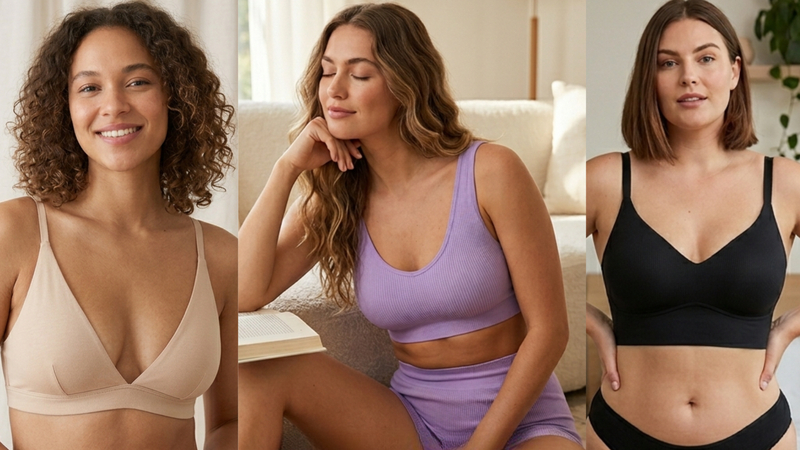
- Lace bralettes: Lace bralettes feature delicate decorative fabrics that combine lightweight comfort with feminine styling, making them popular for layering and fashion-focused intimate collections.
- Seamless bralettes: Designed with smooth, minimal-seam construction, seamless bralettes provide enhanced comfort, flexibility, and a clean silhouette suitable for everyday wear under fitted clothing.
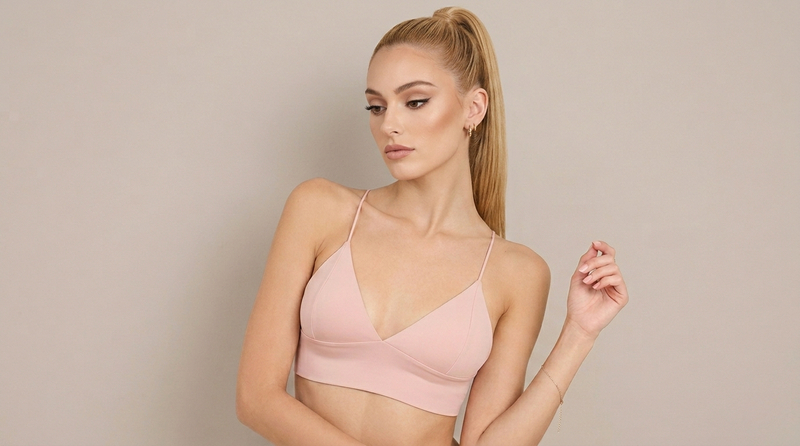
- Triangle bralettes: Triangle bralettes use soft triangular cups and minimal structure to create a natural shape with lightweight support and relaxed everyday comfort.
- Ribbed knit bralettes: Ribbed knit styles offer textured appearance, stretchability, and softness, blending casual comfort with modern loungewear-inspired fashion aesthetics.
- Longline bralettes: Longline bralettes feature extended fabric below the bust, providing additional coverage and a stylish cropped look suitable for layering or standalone wear.
- Lounge bralettes: Designed for relaxation and all-day comfort, lounge bralettes prioritize softness, flexibility, and lightweight support for homewear and casual daily use.
5. Functional Differences of Sports Bras vs Bralettes
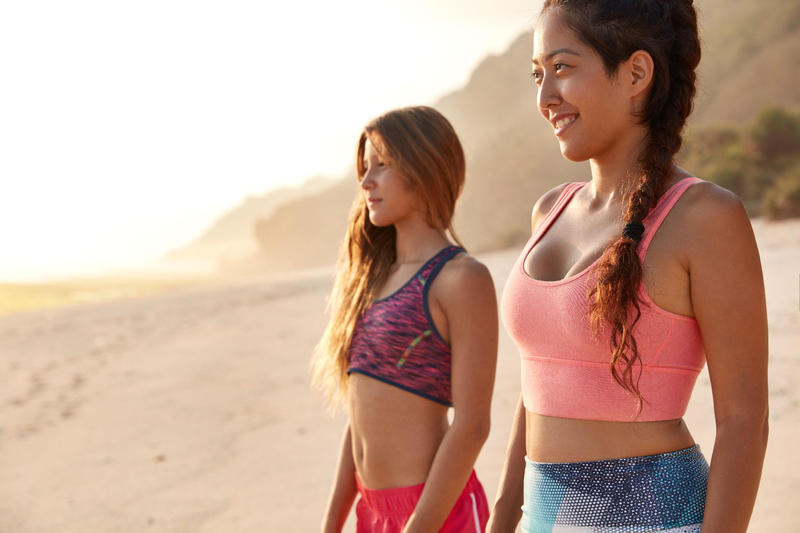
Although sports bras and bralettes may share similar silhouettes, they serve very different functional purposes. Sports bras focus on support and performance during movement, while bralettes prioritize comfort, flexibility, and casual everyday wear with lighter structural support.
5.1. Support and Stability
Sports bras are engineered to provide significantly higher support and stability during physical activities. Their structured construction helps reduce breast movement, minimize discomfort, and improve performance during workouts or sports. In contrast, bralettes offer only light support and are mainly designed for comfort and casual everyday wear. Due to their softer and less structured design, bralettes are not suitable for high-impact activities or intense physical movement.
5.2. Comfort
Bralettes are generally softer, lighter, and less restrictive than sports bras, making them ideal for lounging, relaxing, or extended daily wear. Their flexible construction prioritizes natural comfort and ease of movement throughout the day. In comparison, sports bras often feel tighter because of their compression-focused design, which is intended to provide enhanced support, stability, and movement control during physical activities and workouts.

5.3. Sweat Management
Sports bras are specifically designed with moisture-wicking and breathable fabrics that help manage sweat during workouts and physical activities. These performance materials improve airflow, dryness, and overall comfort during movement. Bralettes, however, are generally made from softer lifestyle fabrics that prioritize comfort and aesthetics rather than sweat control, making them more suitable for casual daily wear than intense or high-perspiration activities.
5.4. Styling Versatility
Bralettes are widely used as visible fashion pieces and are often styled under oversized shirts, blazers, tank tops, or sheer garments for a relaxed and trendy appearance. Sports bras are traditionally designed for performance and activewear, but modern athleisure trends have also made them popular for casual styling, layering, and everyday fashion-focused outfits beyond workout settings.
>> Brands building out full athleisure collections alongside sports bras can explore a curated list of experienced hoodie manufacturers specializing in casual outerwear, performance-compatible fabrics, and private-label production to complement their activewear and intimate apparel ranges.
6. Which One Should You Choose?
The choice between a sports bra and a bralette ultimately depends on the intended function, comfort preference, and lifestyle needs.
Sports bras are the better option for gym workouts, running, training, and other high-movement activities that require medium to high support, stability, and effective sweat management. They are also ideal for activewear and athleisure collections focused on performance and functionality.
Bralettes, on the other hand, are more suitable for everyday comfort, lounging, and casual wear. Their soft construction and lightweight support make them ideal for relaxed loungewear collections and fashion layering. For consumers seeking comfort-driven intimate apparel with a stylish appearance, bralettes provide a versatile and fashionable solution.
7. Sports Bra vs Bralette in Manufacturing
From a manufacturing perspective, sports bras and bralettes require different production approaches.
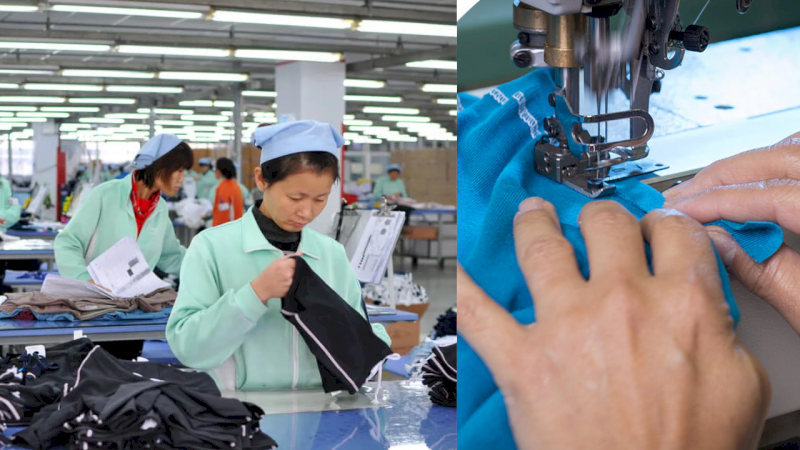
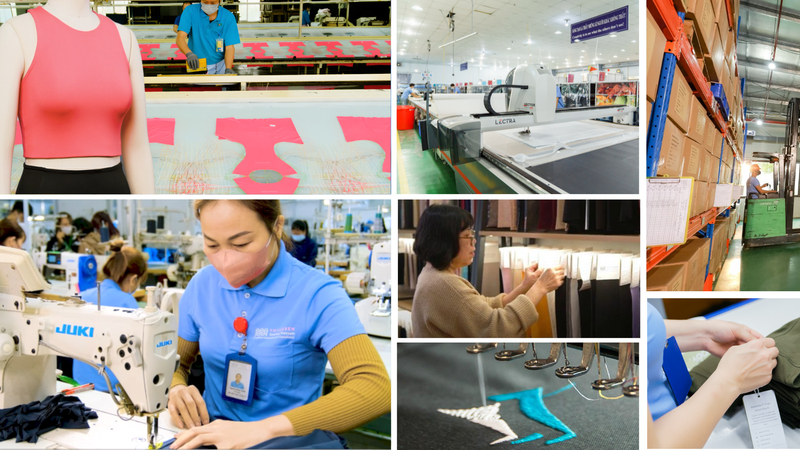
- Technical construction requirements: Sports bras often require advanced pattern engineering, reinforced support panels, elastic structures, and performance-focused construction techniques. Manufacturers must also conduct fabric testing for stretch recovery, durability, moisture management, and support performance to ensure the garment performs effectively during physical activity and repeated movement.
- Structural complexity: Bralettes generally feature softer constructions with fewer structural components than sports bras. Their simpler designs often reduce the need for heavy reinforcement, molded support systems, or complex panel engineering, allowing manufacturers to focus more on comfort, flexibility, and lightweight everyday wearability during production.
- Stitching and durability: Sports bras typically require stronger stitching methods and reinforced seams to withstand movement, stretching, and tension during workouts or athletic activities. Durable construction is essential for maintaining support, shape retention, and garment stability, especially in high-impact sports bra styles designed for intensive physical performance. >> These specialized construction requirements are central to cut and sew manufacturing — a production method where fabric panels are precisely cut to pattern and assembled through specialized stitching operations, giving brands full control over seam integrity, support construction, and garment quality. Brands can explore a curated list of cut and sew manufacturers experienced in intimate apparel and activewear to find certified partners that match their technical requirements.
- Comfort and aesthetic detailing: Bralette manufacturing places greater emphasis on softness, comfort, and visual appeal. Production often incorporates decorative elements such as lace fabrics, rib textures, seamless knitting, or lightweight trims to create fashionable intimate apparel that balances relaxed comfort with modern styling and lifestyle-focused consumer preferences.
- Material sourcing differences: Material sourcing for sports bras relies heavily on technical performance textiles such as moisture-wicking knits, compression fabrics, and stretch blends engineered for athletic functionality. Bralettes, however, more commonly use soft-touch fabrics like cotton, modal, lace, and seamless blends focused on comfort and aesthetics.
Sports bras and bralettes may appear similar in design, but they are developed to meet very different consumer needs. Sports bras prioritize support, stability, and performance for physical activities, while bralettes focus on softness, comfort, and fashion-forward everyday wear. Understanding these differences allows brands to create product collections that better align with specific lifestyle, activewear, and intimate apparel markets.
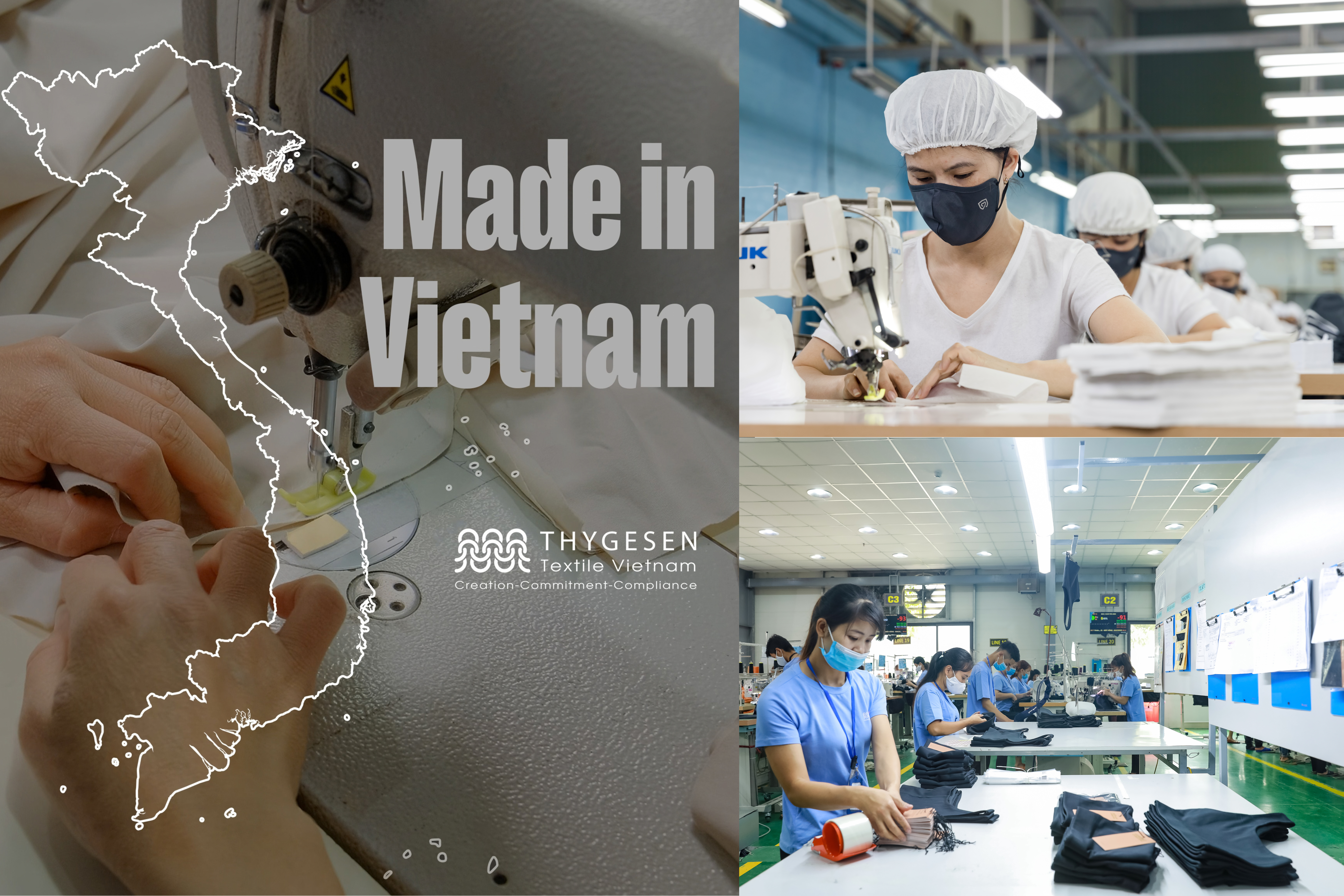
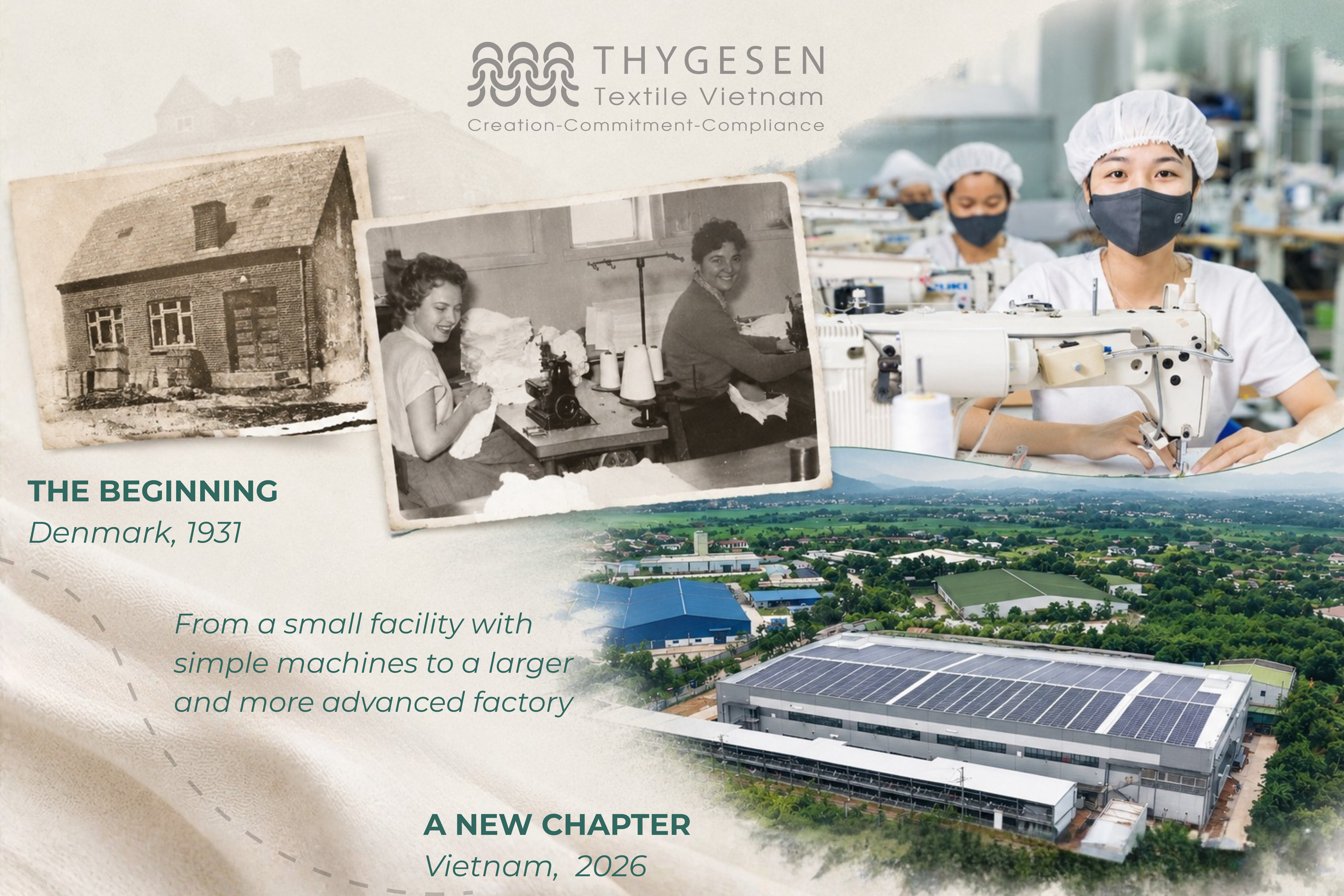
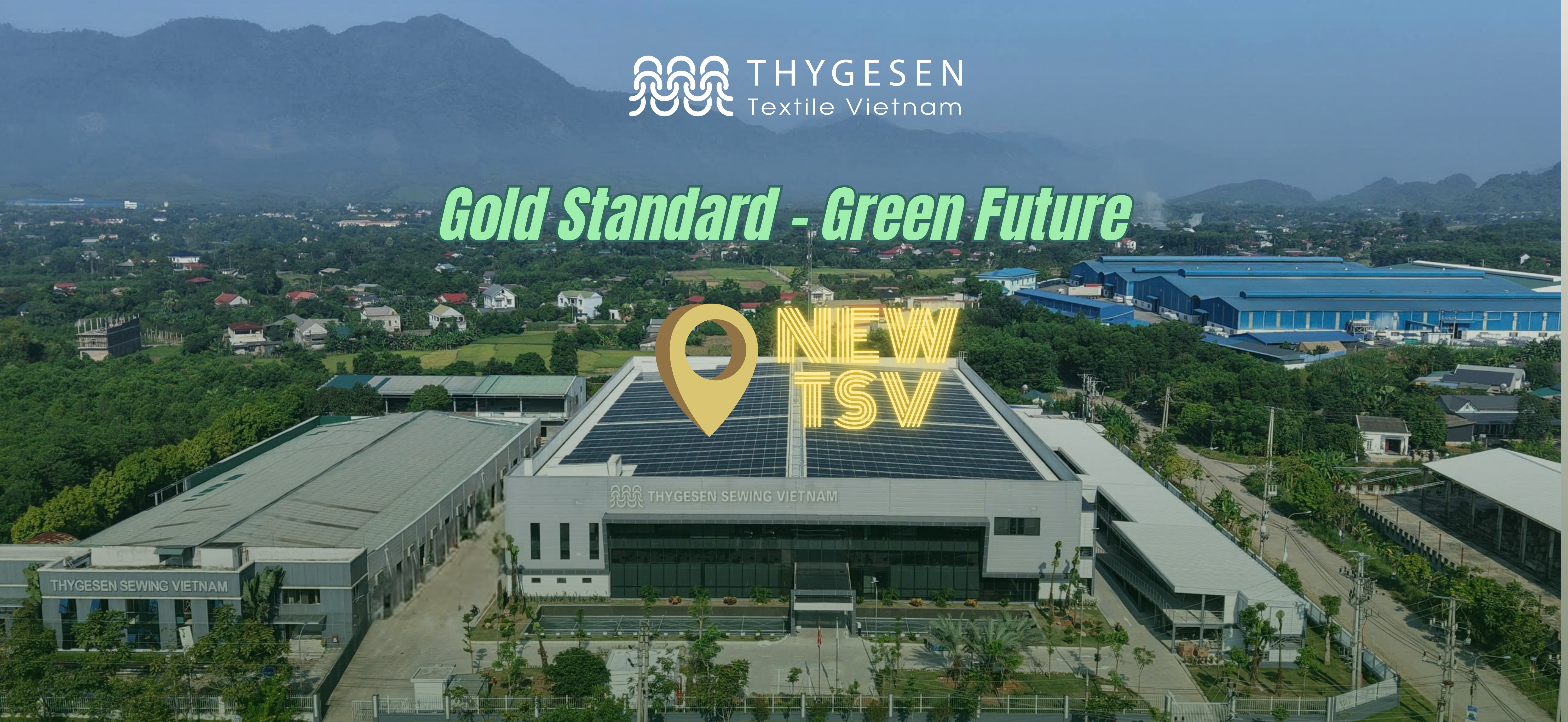
As an experienced apparel manufacturer, Thygesen Textile Vietnam specializes in OEM and ODM manufacturing solutions for activewear, and fashion apparel brands worldwide. With advanced production capabilities, strict quality control systems, and extensive experience in performance garment manufacturing, Thygesen supports brands in developing high-quality sports bras, bralettes, and customized apparel collections tailored to diverse market demands.
If you are looking for a reliable manufacturing partner in Vietnam for sports bras, bralettes, or activewear production, contact Thygesen Textile Vietnam at sale@thygesen.com.vn to explore our full-service OEM/ODM manufacturing solutions.