The underwear manufacturing process involves a structured production workflow and close collaboration with a clothing manufacturer to ensure every stage, from material selection, pattern development, and sampling to bulk production and quality control – is executed with precision. This process plays a crucial role in delivering underwear that meets high standards of comfort, fit, durability, and consistency across large-scale production.
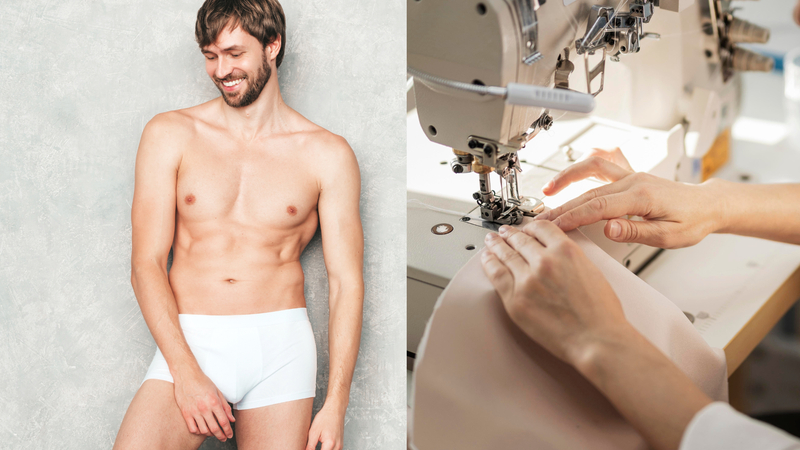
Step 1: Design & Tech Pack Development
The brand defines the product direction by selecting the underwear category and target customer, such as men’s, women’s, seamless, shapewear, or active underwear. It then prepares design sketches, references, or sample inspirations and develops a detailed tech pack that includes fabric composition, GSM and stretch requirements, elastic specifications, stitching methods, waistband details, label placement, and packaging instructions. In addition, the brand clearly defines fit expectations and the intended functionality of the product.
The manufacturer reviews the tech pack and assesses the construction feasibility based on production capabilities and technical requirements. It recommends suitable construction methods to ensure comfort, durability, and efficiency in mass production. The manufacturer may also suggest improvements related to fit, seam placement, or cost optimization, and evaluate whether the design is suitable for large-scale manufacturing.
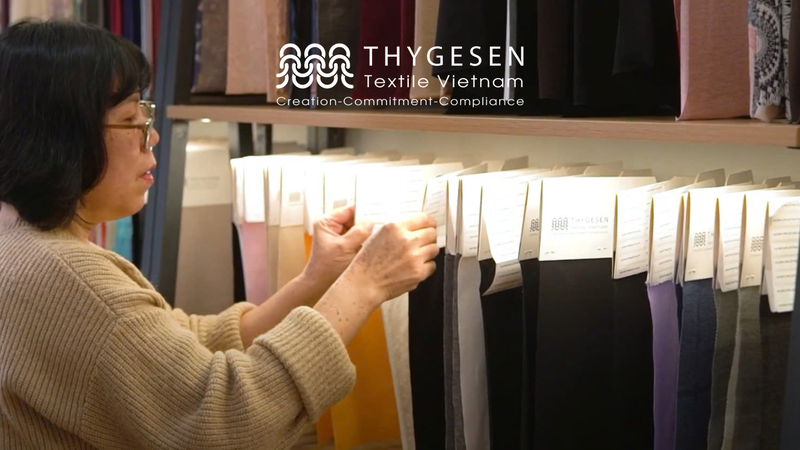
Step 2: Fabric & Trim Sourcing
If the brand has an in-house team, it is responsible for selecting the required fabrics and trims based on predefined material criteria such as composition, GSM, stretch, and performance. The brand may also directly nominate or work with preferred suppliers and then provide all material specifications and supplier information to the manufacturer for production.
If the brand does not have an in-house sourcing team, it will rely more heavily on development input and may define only the product direction and basic requirements.
When working with a full-service clothing manufacturer, especially for brands without in-house sourcing capability, the manufacturer can support or fully manage the fabric and trim sourcing process. This includes sourcing materials from their existing supplier network, purchasing fabrics and accessories according to the brand’s requirements, and providing alternative options when needed. They also offer consultation on material suitability, cost efficiency, and production feasibility to ensure the final selection aligns with both design intent and manufacturing standards.
Step 3: Pattern Making & Prototyping
In this step, the clothing manufacturer takes the lead in pattern making and prototyping based on the brand’s tech pack and design requirements. They develop accurate patterns, handle sizing and grading, and create the first physical prototypes (samples) to test fit, construction, and functionality. The manufacturer also makes technical adjustments to improve balance, comfort, and production efficiency, ensuring the sample is suitable for further development.
The brand mainly joins the process by reviewing the initial prototypes provided by the manufacturer. Their role is to evaluate fit, silhouette, and overall design accuracy against the original concept. Based on this evaluation, the brand provides feedback and approval for revisions until the final sample meets the desired product vision.
Step 4: Production Planning
Production planning is handled by the clothing manufacturer, who converts the approved sample into a complete manufacturing plan. They set up the production schedule, organize workflow across departments, allocate capacity, and ensure all materials and trims are ready before bulk production starts. At the same time, they establish quality control checkpoints and coordinate timelines to secure an efficient and stable production process.
The brand participates mainly by confirming key production requirements such as order quantity, delivery schedule, packaging details, and any specific compliance needs.
Step 5: Sewing & Assembly
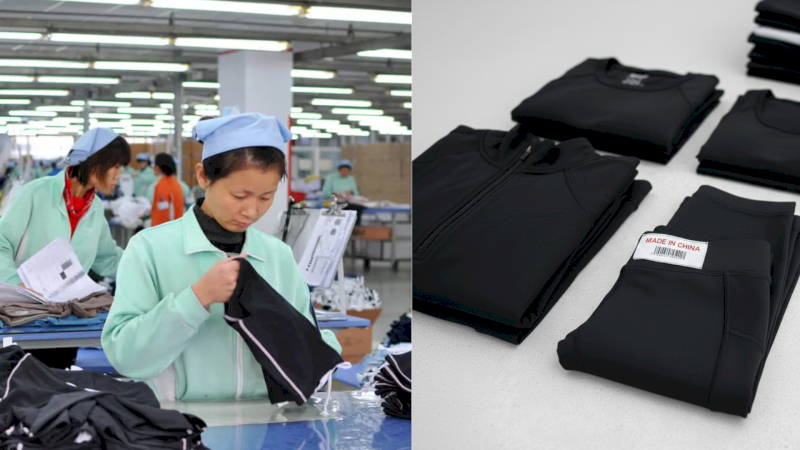
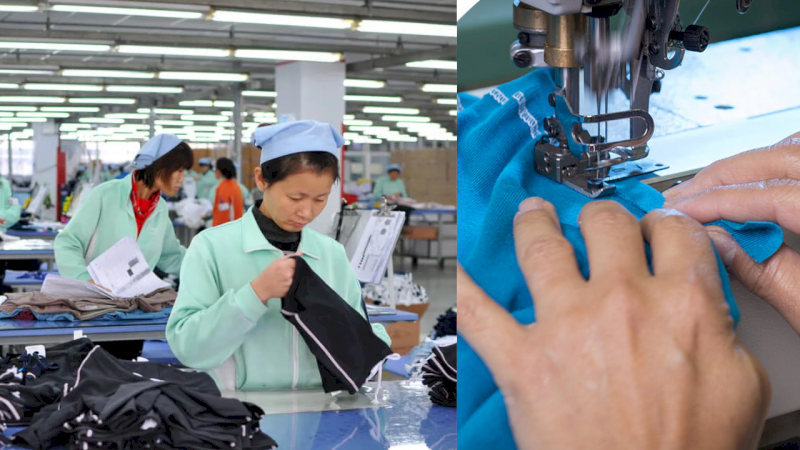
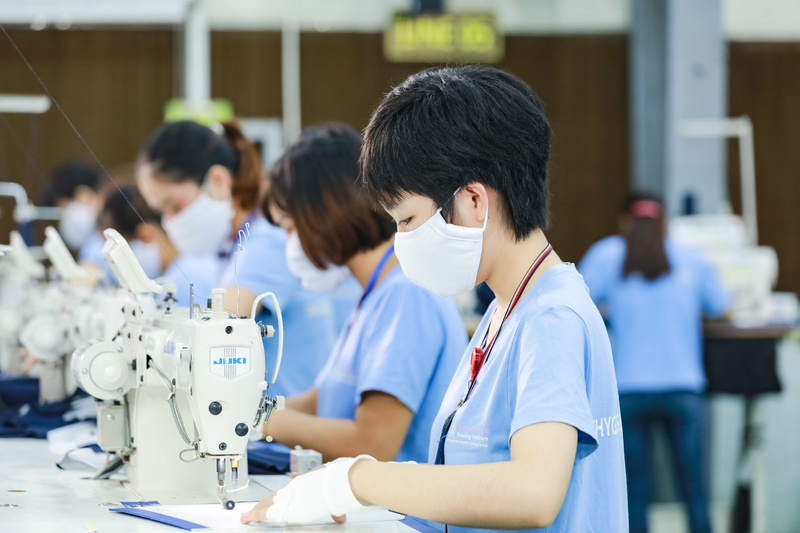
The clothing manufacturer takes full responsibility for sewing and assembly, where all prepared materials are cut, stitched, and constructed into finished garments. This process is carried out on production lines following approved patterns, technical specifications, and quality standards. The manufacturer ensures precise workmanship, consistent sizing, and proper assembly techniques, while also monitoring efficiency and in-line quality control throughout the sewing process to guarantee stable output for bulk production.
Step 6: Finishing & Quality Control
The clothing manufacturer handles finishing and quality control specifically tailored to underwear production. This includes trimming excess threads, attaching labels, adding waistbands, and applying finishing treatments to ensure softness and comfort against the skin. Each piece is carefully inspected for stitching accuracy, elasticity performance, seam strength, and overall fit consistency. Special attention is given to key underwear requirements such as comfort, stretch recovery, and skin-contact safety before approval for packing and shipment.
Prior to this stage, the brand and manufacturer must agree on the inspection method and quality standards, such as AQL levels, 10% inspection checks, or third-party quality control, to ensure a clear and consistent quality benchmark throughout production.
Step 6: Bulk Shipping
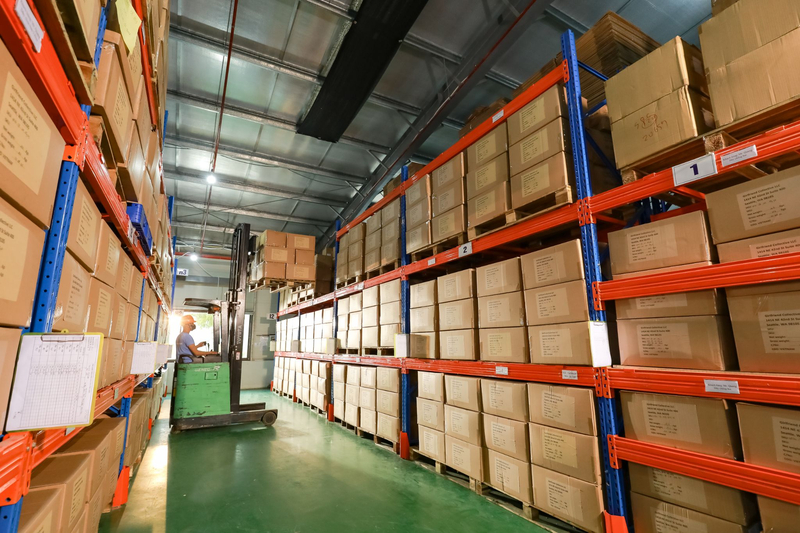
Bulk shipping is carried out based on the agreed trade terms between the brand and the manufacturer, such as FOB or DDP. Under FOB terms, the clothing manufacturer is responsible for packing, documentation, and delivering the goods to the designated port, after which the brand takes over shipping and import procedures. Under DDP terms, the manufacturer takes full responsibility for the entire logistics process, including international freight, customs clearance, duties, and final delivery to the brand’s destination.
If the manufacturer has an in-house logistics team, they can also provide consultation and support on shipping arrangements, customs documentation, compliance requirements, and cost optimization to ensure a smooth and efficient delivery process.
Common Underwear Manufacturing Methods
Different underwear categories may use different production methods depending on the product type and market positioning.
- Cut-and-sew: is the most traditional and widely used underwear manufacturing method, where individual fabric panels are first cut according to pattern specifications and then sewn together to form the final garment. This process allows for a high level of flexibility in design, fit adjustment, and fabric combination, making it suitable for a wide range of underwear styles. It is commonly used for briefs, boxers, boxer briefs, and bikini underwear, where comfort, structure, and durability are key requirements in everyday wear. >> Cut-and-sew is the most traditional and widely used underwear manufacturing method… This process allows for a high level of flexibility in design, fit adjustment, and fabric combination. To learn more about cut and sew manufacturing — including how the process works and a list of manufacturers offering this service — you can explore our dedicated guide.
- Seamless underwear manufacturing: is a modern production method that uses circular knitting technology to create garments in a single, continuous piece with minimal or no stitching. This construction reduces friction, improves comfort, and enhances flexibility, making it ideal for body-hugging designs. Seamless underwear is commonly used for briefs, bikinis, and performance or activewear styles, where a smooth finish, stretchability, and second-skin feel are important for everyday wear. >> Seamless underwear is commonly used for briefs, bikinis, and performance or activewear styles. If you are also sourcing performance-focused products beyond underwear, browsing a curated list of athletic apparel manufacturers can help you identify partners with the right technical capabilities for activewear production.
- Bonded underwear construction: is a manufacturing method that uses adhesive bonding technology instead of traditional stitching to join fabric edges. This creates clean, flat seams that reduce bulk, improve comfort, and provide a smooth, modern finish against the skin. It is commonly used in minimal-design underwear, shapewear, and seamless-style collections where invisibility under clothing, lightweight feel, and enhanced comfort are key priorities.
It is often difficult for a single clothing manufacturer to fully produce all three underwear construction methods within one facility, but they can still fulfill orders by working with a trusted network of subcontractors, ensuring consistent quality, reliability, and cost efficiency.
Key Factors in Bulk Underwear Manufacturing
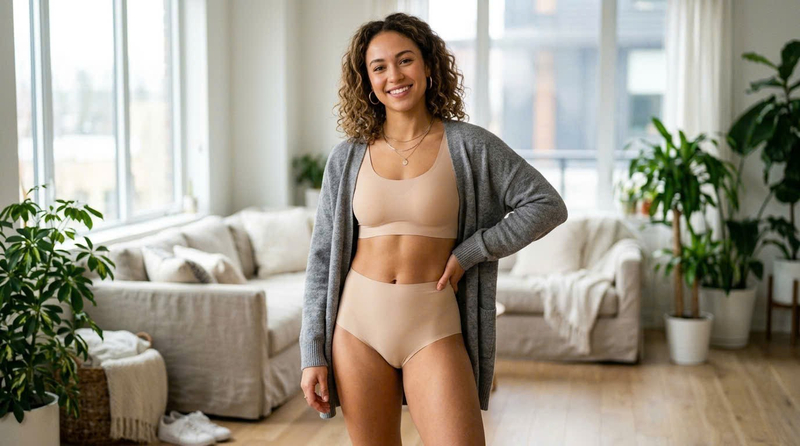
When developing underwear at scale, several key factors must be carefully considered to ensure the final product meets requirements for comfort, quality, performance, and cost efficiency.
- Production Scale & MOQ Structure: Underwear typically requires higher minimum order quantities compared to garments like T-shirts or leggings, as the low fabric consumption per piece often pushes manufacturers to optimize production efficiency at mill and bulk levels, influencing overall order scale and cost structure. >> Underwear typically requires higher minimum order quantities compared to garments like T-shirts or leggings. If leggings are part of your product range, reviewing a list of legging manufacturers can help you find the right production partner for that category.
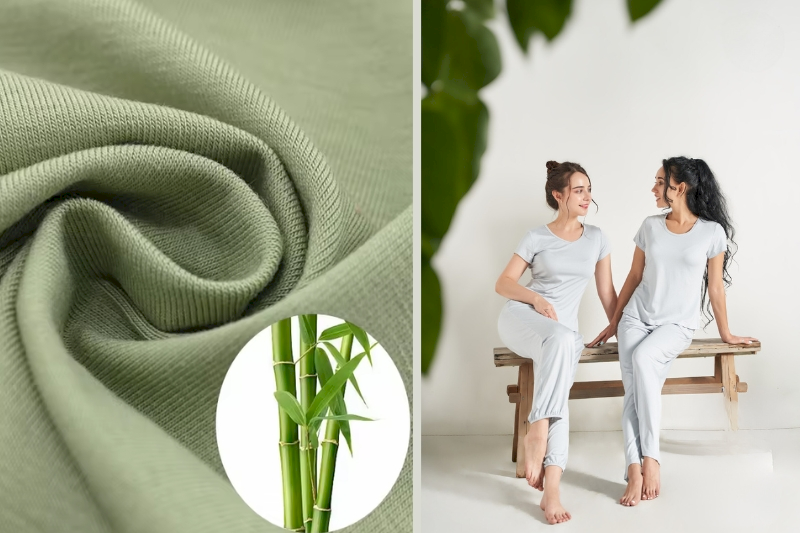
- Material Performance & Product Testing: Since underwear is a direct skin-contact product, fabrics must undergo strict evaluation for stretch recovery, durability, breathability, wash performance, and skin compatibility to ensure long-lasting comfort and stable performance during everyday wear.
- Manufacturing Capability & Quality Assurance: Production outcomes depend heavily on the factory’s technical capabilities (such as seamless knitting or cut-and-sew systems), along with strict in-line and final QC processes covering fit accuracy, elasticity, seam quality, and defect control to maintain consistency in mass production.
Choosing the Right Underwear Manufacturer
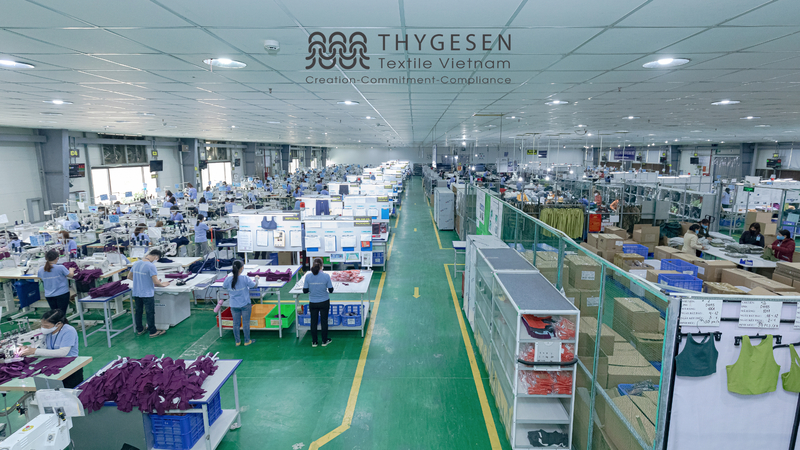
Selecting the right underwear manufacturer is a critical step that directly impacts product quality, production efficiency, and overall brand success in the market. Below are several key factors to consider when choosing an underwear manufacturer for your collection”standards.
- Manufacturing scope & service model: It is important to understand what type of manufacturer you are working with, whether they are cut-and-sew only, full-package manufacturers, or specialists in a specific product category. This helps define the level of support they can provide, from basic garment construction to full-service development including material sourcing, technical advice, and product optimization. >> Understanding what type of manufacturer you are working with helps define the level of support they can provide. If your brand also produces outerwear or casual pieces, exploring a list of hoodie manufacturers can be a useful starting point for expanding your sourcing network.
- Sampling process & collaboration capability: The sample stage should not only be used to evaluate product quality, but also to assess how the manufacturer communicates, handles feedback, and manages unexpected issues.
- Use of subcontractors: It is essential to clarify whether the manufacturer relies on subcontractors for certain production processes. Understanding this structure helps you better evaluate risks related to lead time, cost control, and quality consistency, especially for more complex or specialized underwear constructions.
- Quality control consistency: Maintaining stable and consistent quality across large production runs is a key factor in underwear manufacturing. Brands should ensure that the manufacturer has a clear QC system in place, covering in-line inspection, final checks, and standardized measurement processes to avoid variation between batches.
- Ethical & compliance standards: Beyond product quality, it is increasingly important to assess the manufacturer’s commitment to ethical production practices, including labor conditions, environmental responsibility, and compliance with international standards such as OEKO-TEX, WRAP or SA8000 certifications.
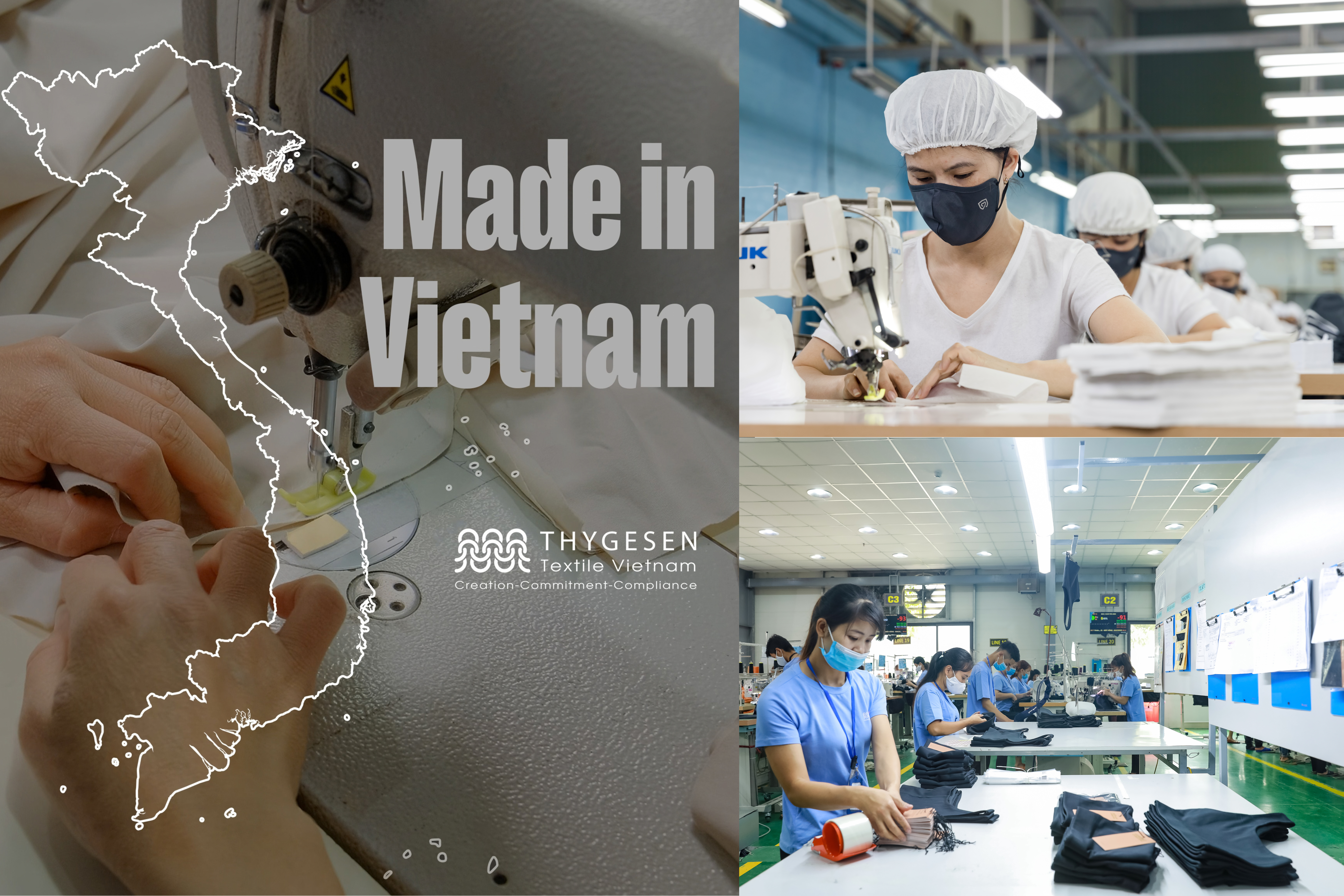
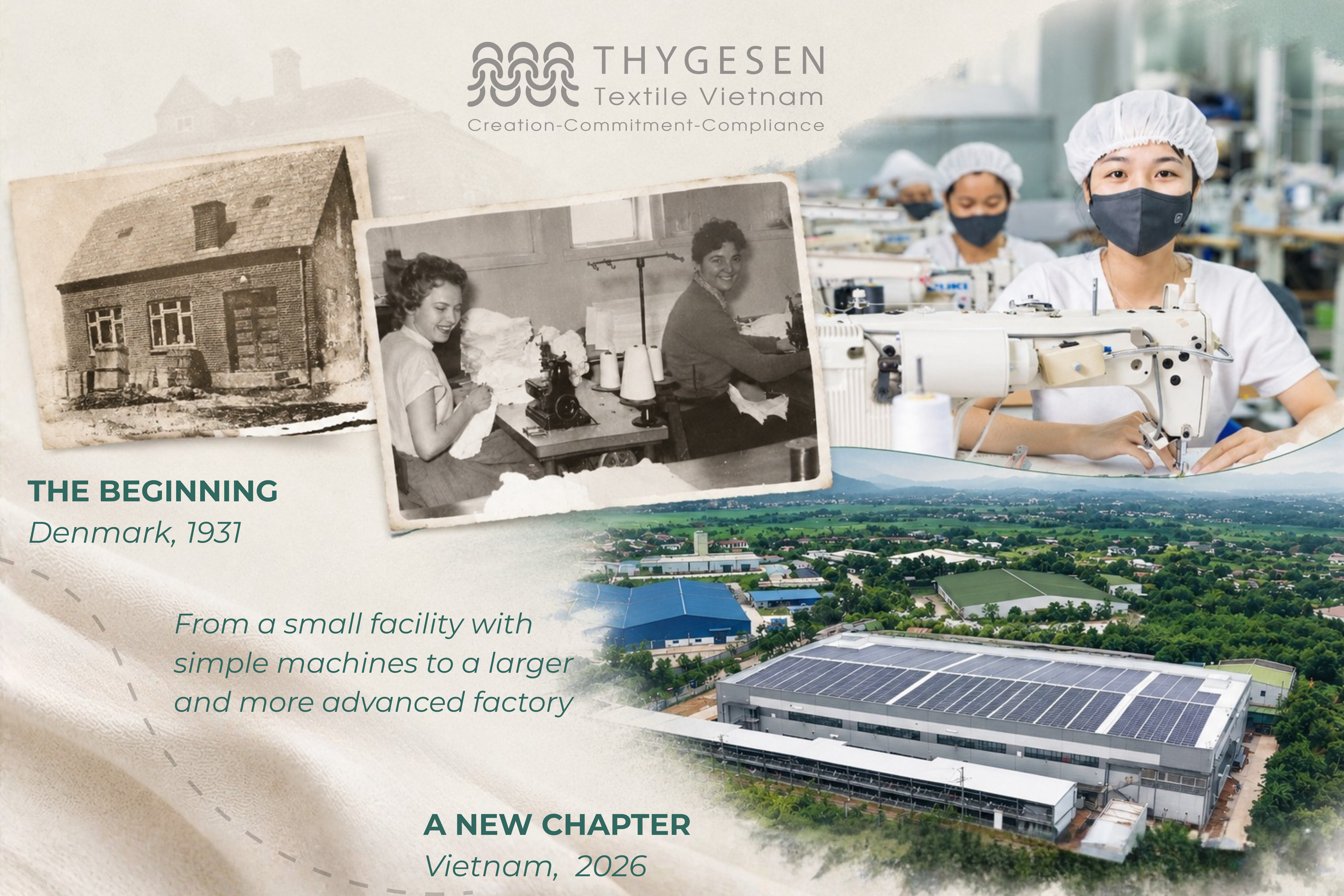
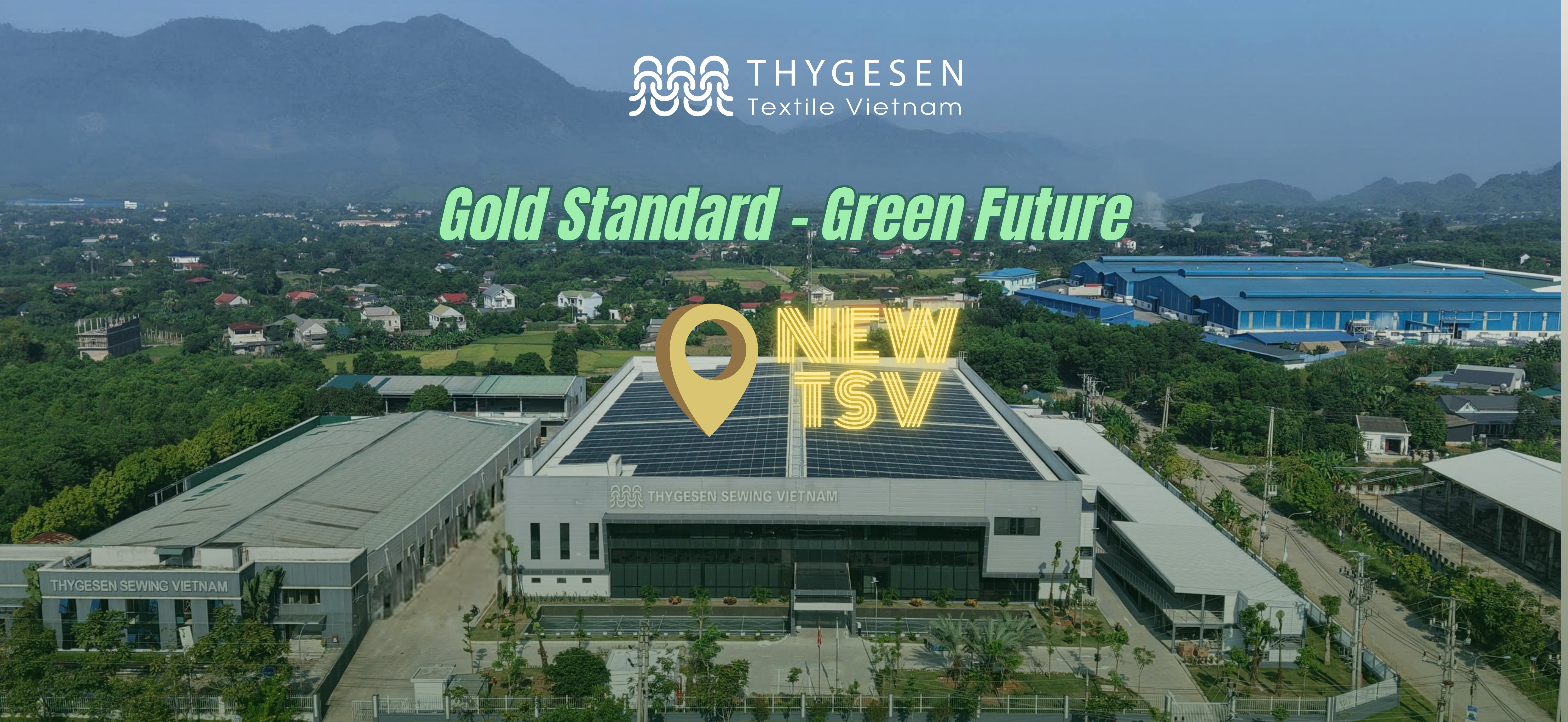
With over 90 years of experience, Thygesen Textile Vietnam is a trusted underwear manufacturing partner for global brands, delivering high-quality products from basic to seamless designs with a strong focus on comfort, fit, and hygiene. We provide full-package OEM/ODM services covering design, sourcing, sampling, and production, supported by internationally certified factories (SA8000, WRAP, ISO, OEKO-TEX, GRS, GOTS) and a proven track record with global brands like Calvin Klein, Tommy Hilfiger, and DKNY.
In conclusion, underwear manufacturing requires strong technical expertise, consistent quality control, and close collaboration between brand and manufacturer to ensure the best product outcome.
By partnering with Thygesen Textile Vietnam, brands gain a trusted full-package manufacturing solution backed by over 90 years of experience and internationally certified sustainable production. For collaboration opportunities, contact us at sale@thygesen.com.vn or visit thygesenapparel.com to learn more.