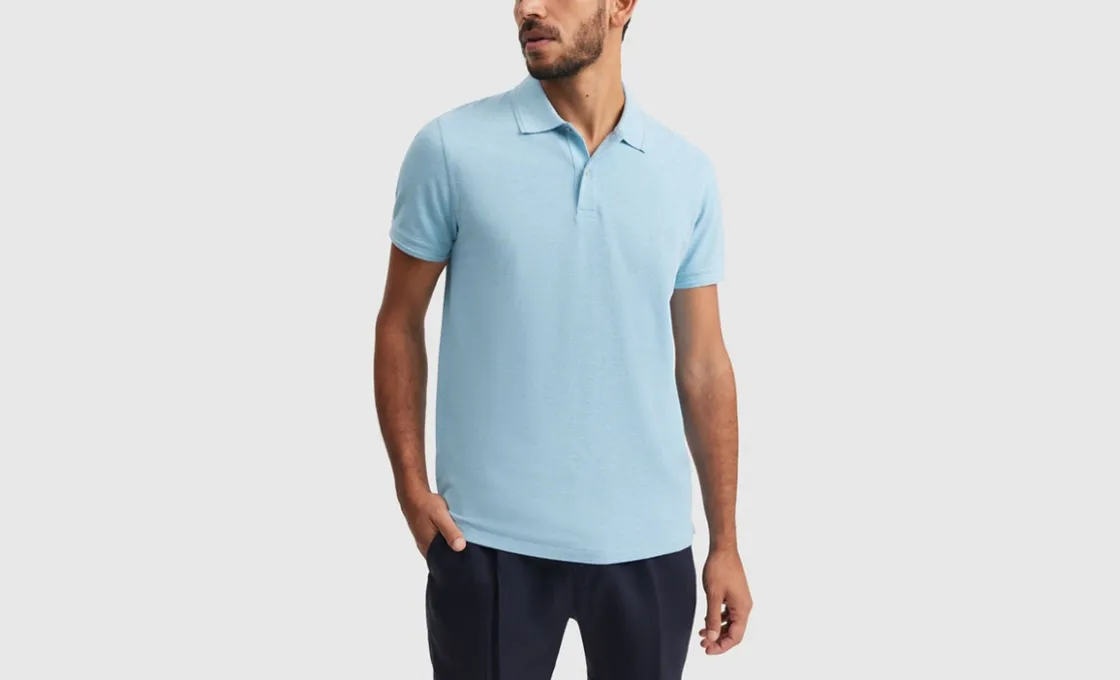
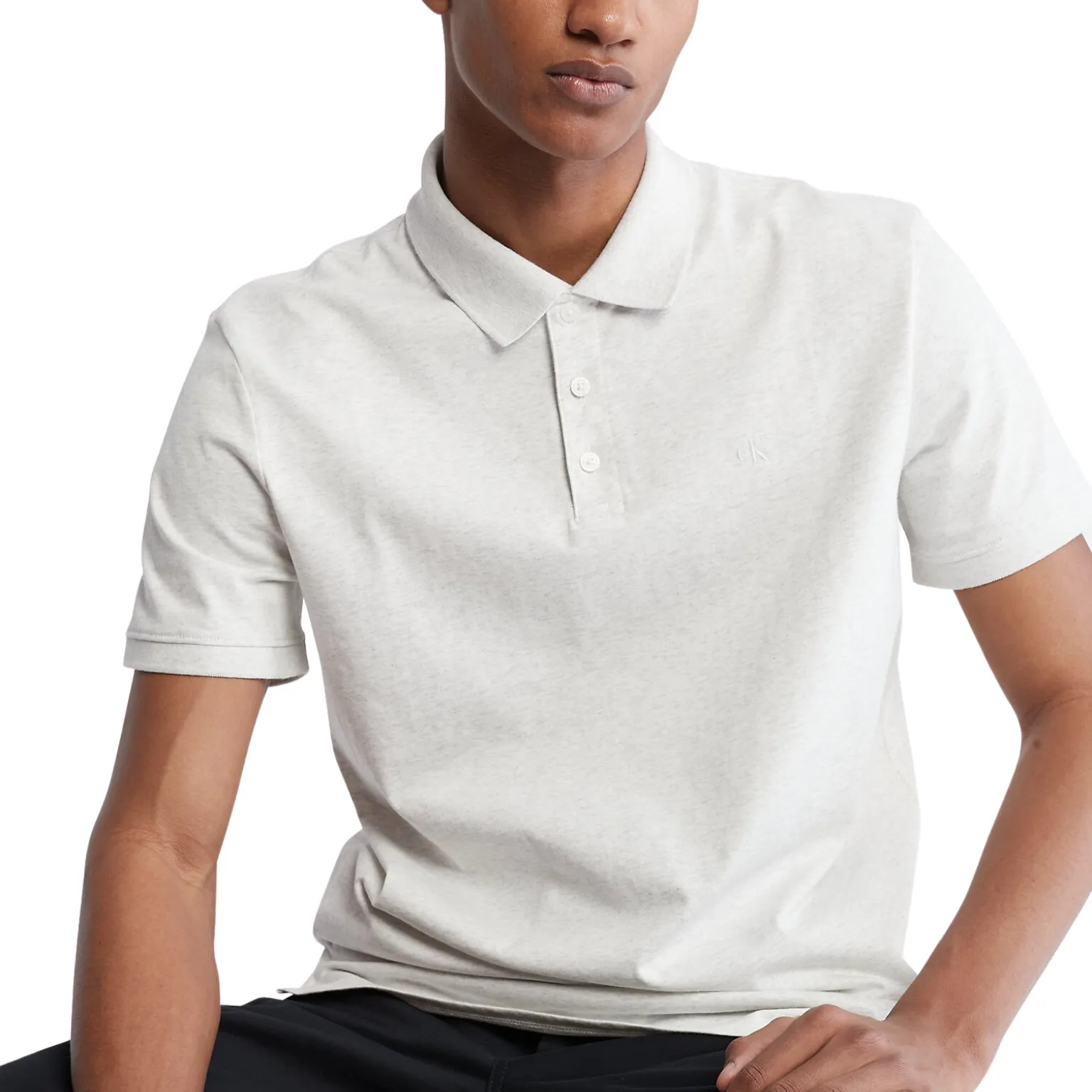
Everlane has built a strong global reputation for minimalist fashion, transparent pricing, and thoughtfully designed wardrobe essentials. In this article, we explore Everlane’s global manufacturing network and the countries behind its collections.
1. About Everlane and Its Product Categories
Founded in 2011, Everlane introduced a different approach to fashion retail by emphasizing “Radical Transparency” – openly sharing information about pricing, sourcing, and manufacturing partners.
Today, Everlane offers a broad range of apparel and lifestyle products for both men and women, with collections centered around clean silhouettes, neutral tones, and understated styling.
Everlane’s core product categories include:
- T-shirts and Everyday Basics: Essential wardrobe staples designed with comfort, fabric quality, and versatility in mind. Delivering on these fundamentals consistently requires working with experienced t-shirt manufacturers who can maintain fit and fabric quality at scale.
- Denim: One of the brand’s most recognizable categories, featuring modern fits, durable construction, and carefully developed washes.
- Knitwear: Sweaters, knit tops, and layering pieces produced using materials such as cotton, wool, alpaca, and cashmere blends.
- Outerwear: Functional yet minimalist jackets, puffers, trench coats, and seasonal layering garments.
- Trousers and Casualwear: Relaxed and tailored everyday apparel designed for effortless styling and long-term wear.
- Footwear and Leather Goods: Leather shoes, boots, bags, and accessories, with several collections produced in Italy.
- Activewear and Performance-inspired Apparel: Stretch-based garments designed for comfort, movement, and daily versatility. Everlane’s activewear and performance-inspired apparel are designed for comfort and daily versatility with stretch-based construction. Partnering with experienced athletic apparel manufacturers ensures these collections meet the technical standards for moisture-wicking, durability, and functional performance that modern active consumers expect.
2. Where Are Everlane Clothes Made?
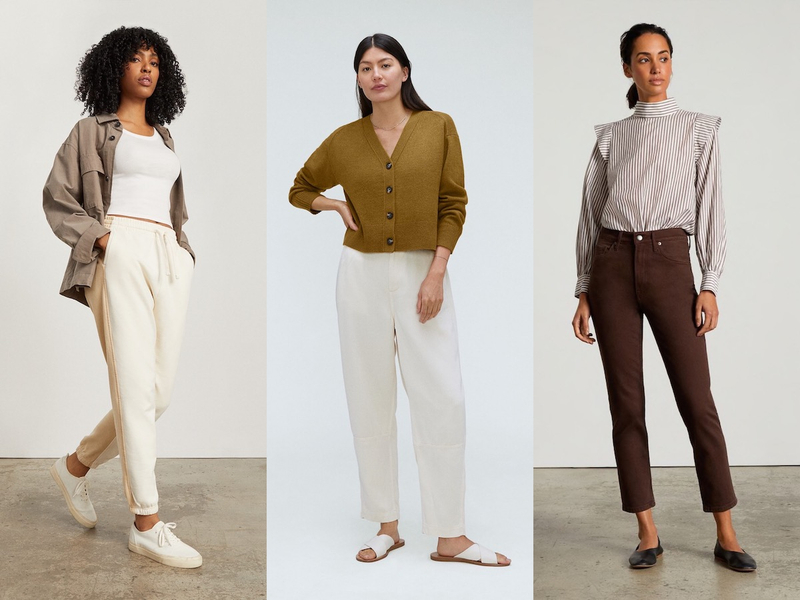
The brand works with factories throughout Asia, Europe, North America, and South America. Each location contributes differently to Everlane’s supply chain, allowing the company to balance craftsmanship, efficiency, product quality, and specialized manufacturing capabilities across categories.
2.1. China
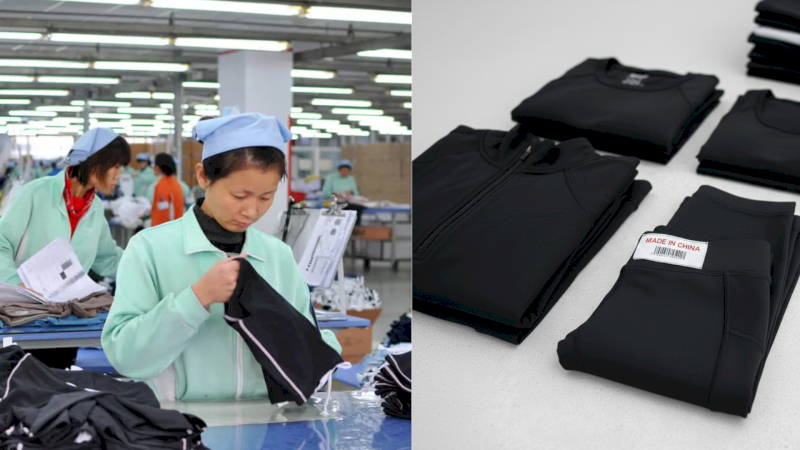
China remains one of Everlane’s largest and most important sourcing regions, particularly for categories requiring advanced garment construction, technical materials, and large-scale manufacturing infrastructure. The country is commonly used for woven garments, outerwear, technical apparel, bags and accessories – produced by a well-established ecosystem of clothing manufacturers in China that spans everything from premium wovens to performance categories like activewear, leggings, and underwear.
Production is typically concentrated in major apparel manufacturing regions such as Guangdong, Zhejiang, and Jiangsu, where vertically integrated supply chains help streamline everything from textile sourcing and dyeing to garment assembly and finishing.
China remains one of Everlane’s largest sourcing regions for technical materials and large-scale manufacturing, particularly for activewear, leggings, and underwear categories. Specialized legging manufacturer expertise in China demonstrates the country’s advanced capabilities in producing stretch-based garments with reliable quality control and scalable production infrastructure.
2.2. Vietnam
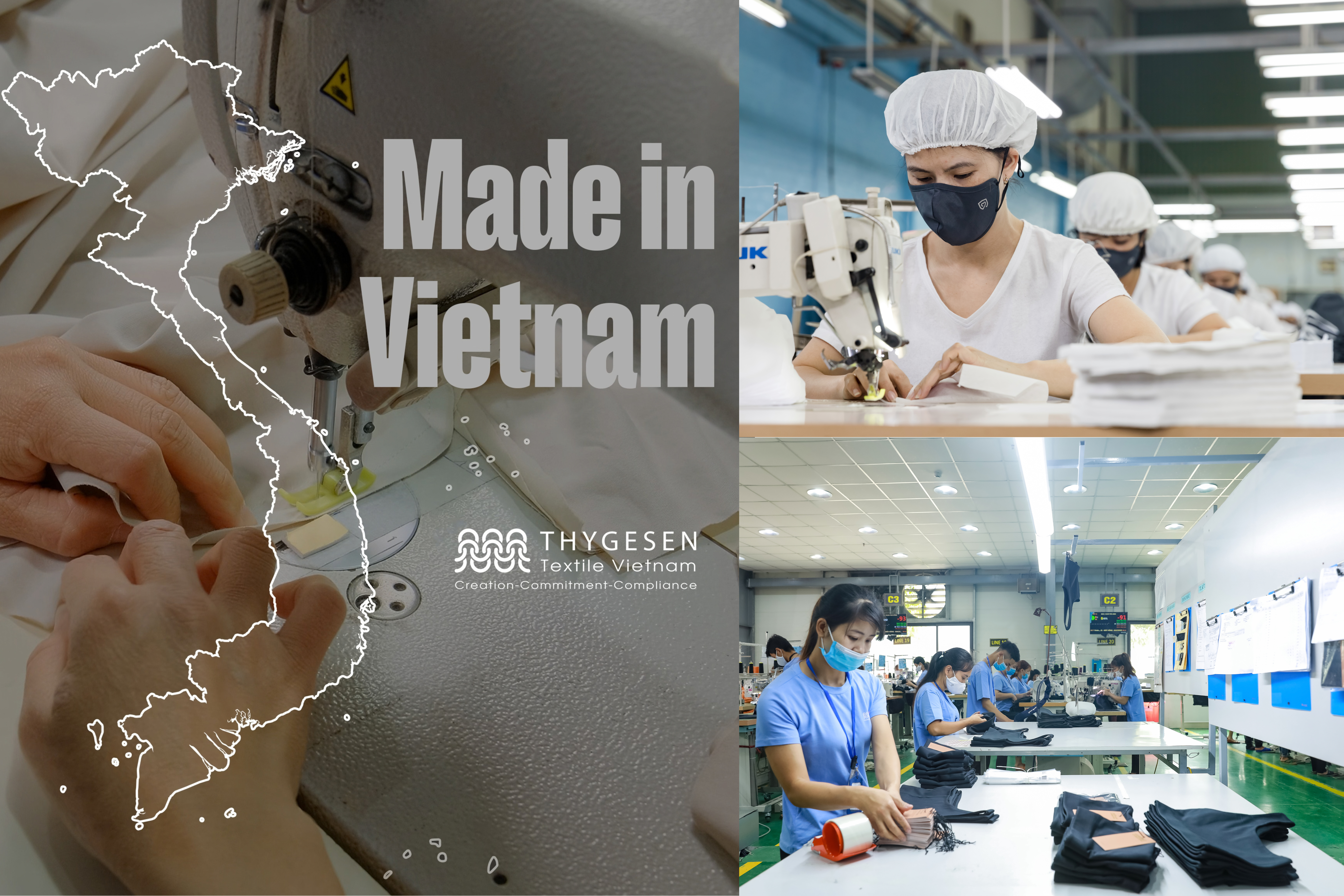
Vietnam has become an increasingly important manufacturing destination for Everlane, particularly for knitwear, casualwear, and everyday apparel categories. The brand has publicly referenced manufacturing relationships in Ho Chi Minh City for knitwear production, reflecting Vietnam’s growing role within modern apparel supply chains – and helping explain why global fashion brands are moving production to Vietnam at an accelerating pace.
Today, Vietnam is widely recognized as one of the world’s leading garment manufacturing countries, especially for knitwear, t-shirts, polo shirts, activewear, and casualwear. Vietnam’s rapid growth within the apparel industry has been driven by a few factors as below:
- Strong Technical Garment Expertise: Vietnamese factories are highly regarded for stitching consistency, stable fabric quality, and reliable garment construction — qualities evident across diverse categories from hoodies and baby clothing to organic apparel.
- Scalable Manufacturing Infrastructure: The country supports both medium and large-scale production while maintaining competitive lead times and export efficiency. Brands can explore the best clothing manufacturers in Vietnam to identify factory partners with proven export-ready capabilities.
- Skilled Workforce: Vietnam offers an experienced labor force with strong capabilities across knitwear, cut-and-sew apparel, and technical garment categories.
- Reliable Export Ecosystem: Well-developed logistics networks and apparel manufacturing clusters help support efficient global distribution.
- Growing Sustainability Focus: Many Vietnamese factories continue investing in environmentally responsible manufacturing systems and international compliance standards. For brands prioritizing ethical sourcing, understanding Vietnam clothing factory conditions is an essential part of responsible supplier evaluation.
These advantages have made Vietnam an increasingly attractive sourcing destination for global fashion brands seeking a balance between quality, scalability, and long-term manufacturing reliability.
Vietnam has developed exceptional expertise in knitwear, casualwear, and everyday apparel production, with factories highly regarded for stitching consistency and stable fabric quality. Expert cut and sew manufacturing partners in Vietnam support global brands like Everlane through precise pattern development, grading, and reliable garment assembly at scale
2.3. Italy
Italy is commonly associated with Everlane’s premium footwear and leather accessory production. Certain collections are specifically marketed as “Made in Italy,” emphasizing craftsmanship, heritage manufacturing, and refined material quality.
Italian factories are often selected for leather shoes, boots, handbags and premium leather accessories.
2.4. Peru and Sri Lanka
In addition to Asia and Europe, Everlane also works with manufacturing partners in Peru and Sri Lanka for selected apparel categories.
Peru is particularly important for premium cotton and knitwear production. The country is internationally recognized for high-quality Pima cotton, soft jersey fabrics, and elevated knitwear manufacturing.
Meanwhile, Sri Lanka has developed a strong reputation for intimate apparel and technical garment manufacturing. Together, these manufacturing regions help Everlane diversify production capabilities while supporting different product categories through specialized expertise.
3. How Everlane Clothes Are Manufactured
Everlane places strong emphasis on transparency and sustainability, the manufacturing process itself generally follows the same core stages used throughout the global apparel industry.
Production typically begins with fabric sourcing and textile development. Depending on the product category, factories may work with materials such as cotton jersey, denim fabrics, knit yarns, etc.
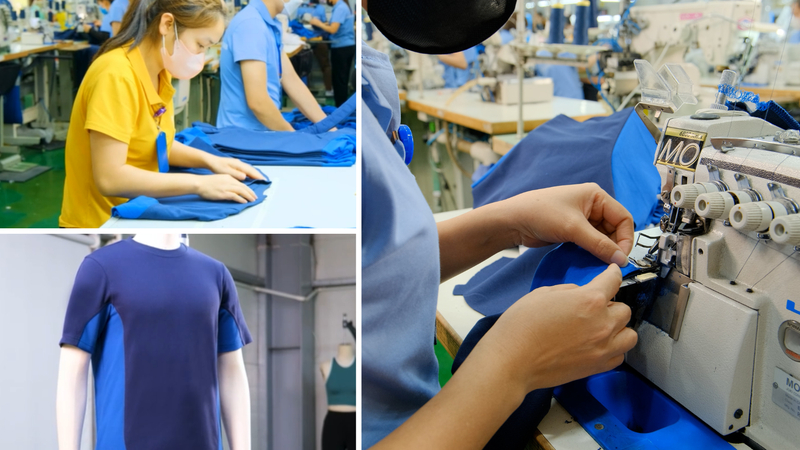
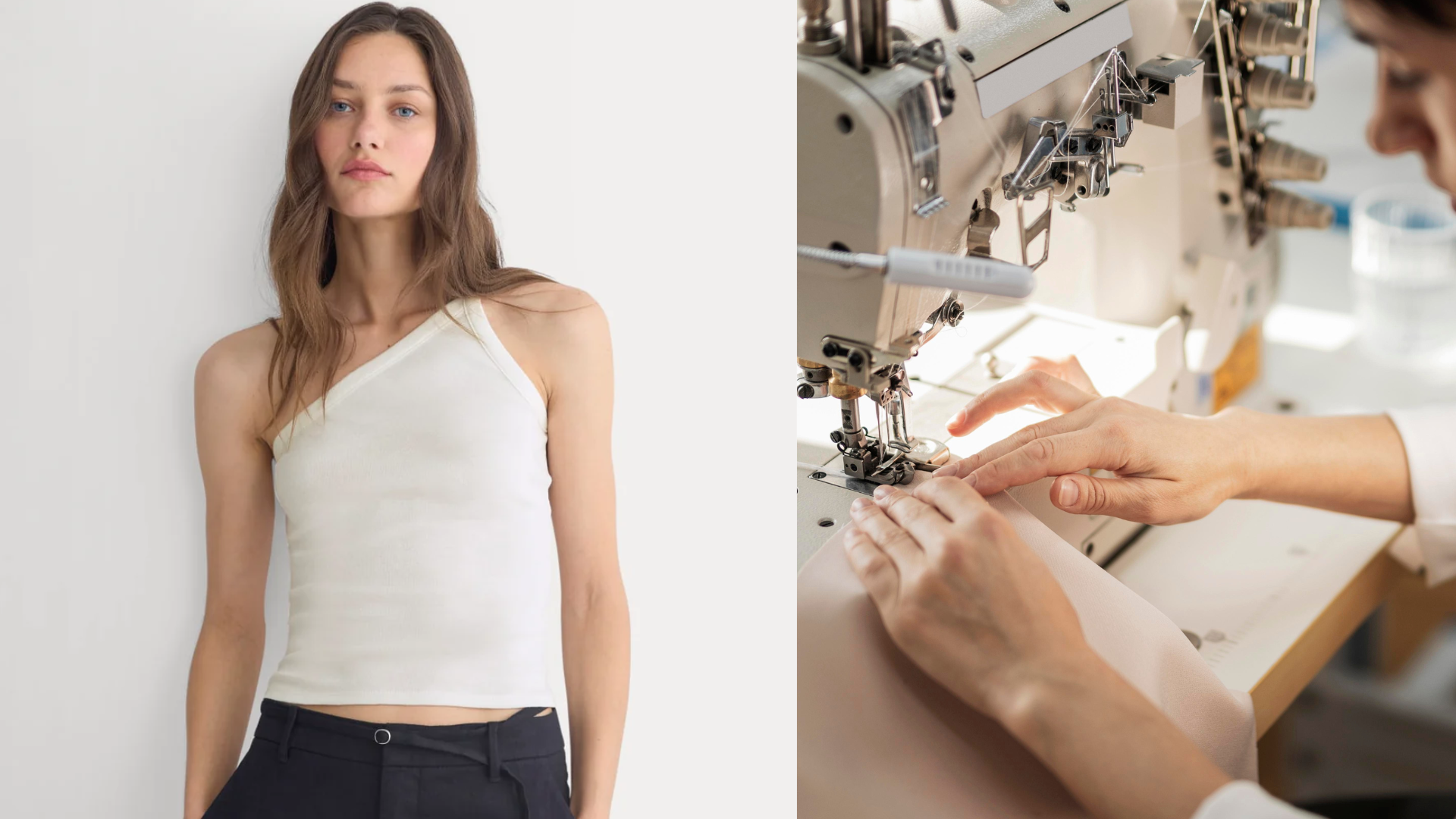
Once fabrics and materials are approved, production moves through several key manufacturing stages, including pattern development, grading, cutting, sewing and assembly, washing as well as quality control inspections
Different categories may also involve more specialized production techniques.
For example, footwear and leather goods often require processes such as leather cutting, edge painting, sole attachment, and hand-finishing. Meanwhile, knitwear production may rely on advanced knitting machinery and fabric stabilization methods to maintain shape consistency and garment durability.
>> Everlane’s manufacturing process follows core apparel industry stages including pattern development, cutting, sewing and assembly, and quality control inspections. For essential knitwear items like hoodies, experienced hoodie manufacturer partners understand the specialized production techniques needed to achieve the clean silhouettes and durable construction Everlane is known for
4. Why Vietnam Has Become a Key Apparel Manufacturing Hub
Over the past decade, Vietnam has evolved into one of the world’s most important apparel manufacturing countries. Its combination of skilled labor, reliable production systems, and competitive manufacturing costs has attracted many international fashion brands looking to diversify global sourcing strategies.
Manufacturing Advantages | Key Benefits |
Skilled Workforce | Experienced garment workers with strong technical sewing capabilities |
Production Reliability | Stable quality control and consistent export performance |
Competitive Cost Structure | Strong balance between manufacturing cost and product quality |
Advanced Apparel Ecosystem | Growing network of textile mills, suppliers, and garment factories |
Trade Agreement Benefits | Access to FTAs such as CPTPP and EVFTA |
Sustainability Improvements | Increasing investment in ethical and environmentally responsible production |
As brands continue seeking supply chain stability and long-term manufacturing partnerships, Vietnam’s role within the global apparel industry continues strengthening.
5. Thygesen Textile Vietnam’s Expertise in Apparel Manufacturing
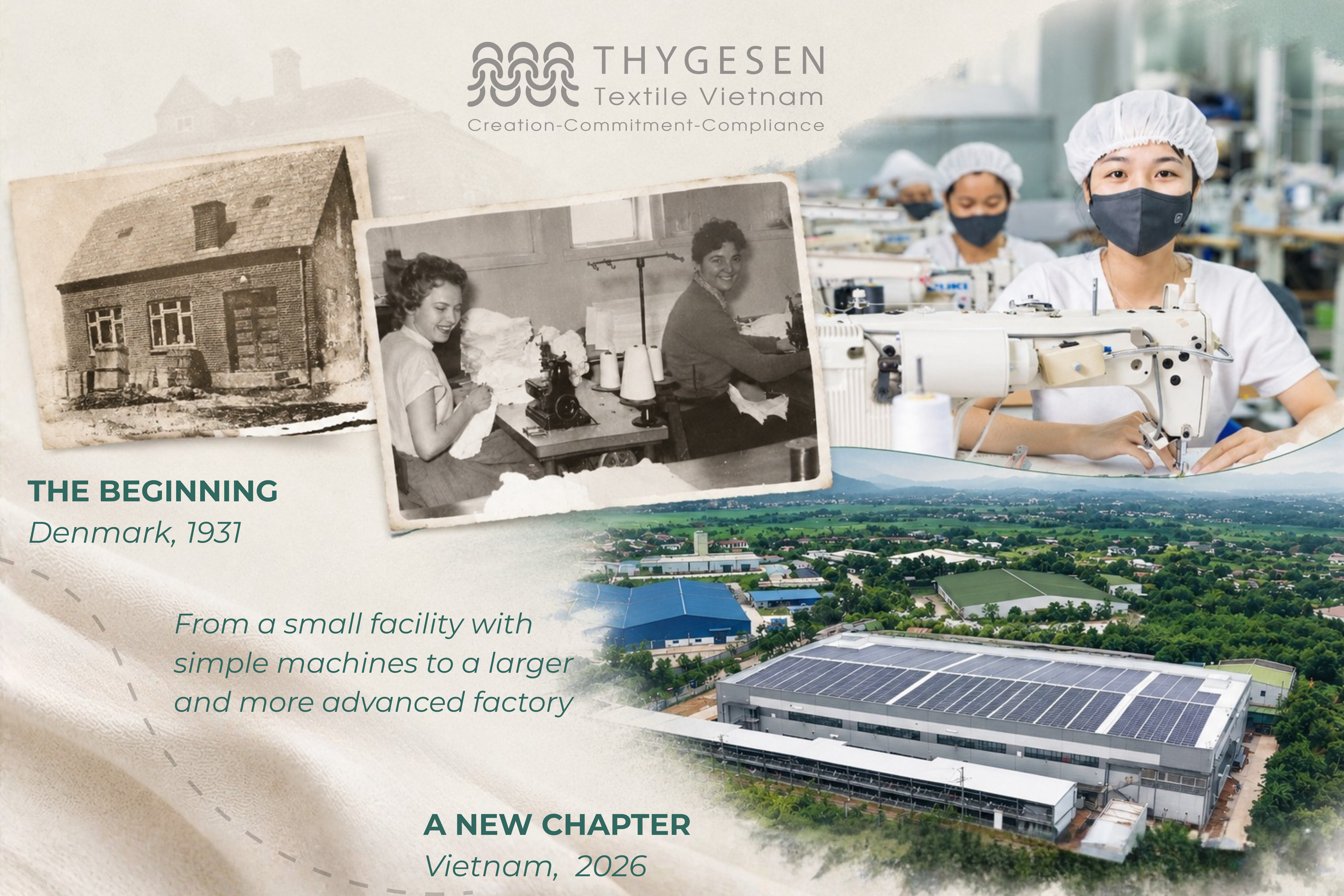
With decades of experience in garment manufacturing, Thygesen Textile Vietnam supports international apparel brands through ethical, scalable, and high-quality production solutions.
Supported by experienced technical teams and internationally certified manufacturing systems, Thygesen helps global brands maintain product consistency, flexible production capabilities, and long-term supply chain reliability.
Additionally, all production is carried out in ethically operated facilities certified to international standards such as SA8000 and WRAP, alongside additional systems supporting quality assurance and responsible manufacturing practices.
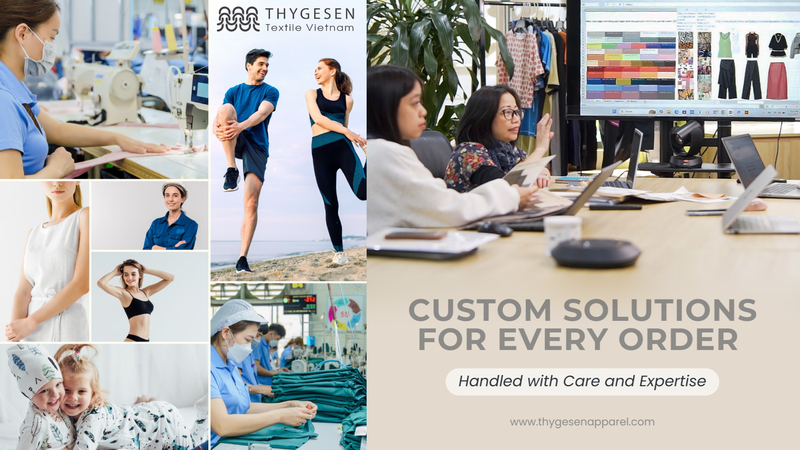
Everlane clothing is manufactured across a diversified global network spanning countries such as China, Vietnam, Italy, Peru, Sri Lanka, and India. Among these regions, Vietnam continues emerging as one of the most important apparel manufacturing hubs for global fashion brands thanks to its skilled workforce, scalable infrastructure, and growing focus on responsible production.
With decades of experience across knitwear, activewear, and fashion apparel production, Thygesen Textile Vietnam is a trusted partner that helps global brands bring high-quality collections to market efficiently and responsibly. For more information, visit thygesenapparel.com or contact our team directly at sale@thygesen.com.vn.