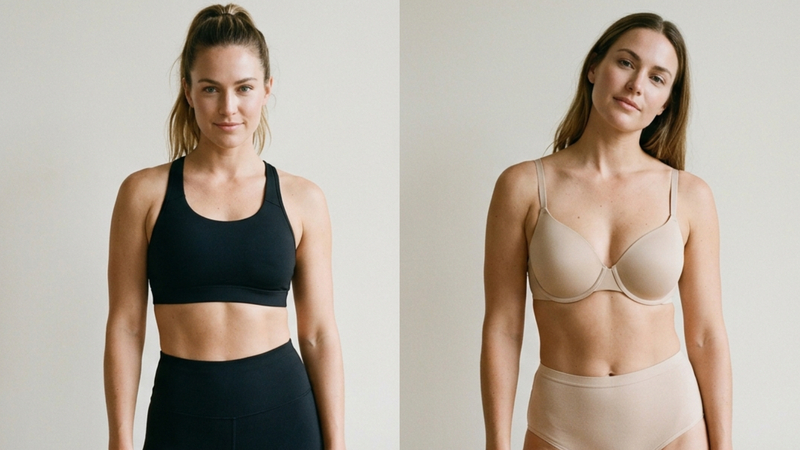
Sports bras and regular bras are both essential undergarments, but they are designed for completely different purposes. While regular bras focus on shaping, lift, and everyday styling, sports bras are engineered to provide support, stability, and comfort during physical activity. Understanding the differences between sports bras and regular bras helps consumers choose the right option for comfort, performance, and daily wear needs.
1. What Are Sports Bras and Regular Bras?
1.1. Sports Bras
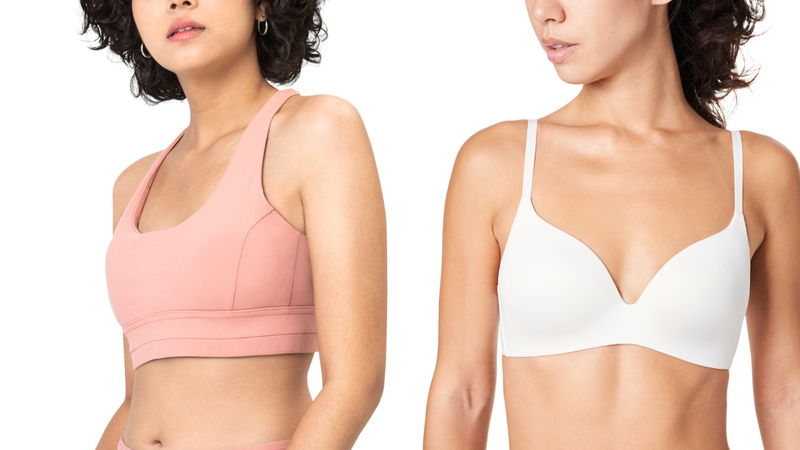
A sports bra is specifically designed to support the breasts during physical activity by minimizing movement and reducing strain on the chest and shoulders. Unlike traditional bras, sports bras are typically made from stretchy, moisture-wicking fabrics and feature compression, encapsulation, or a combination of both to provide varying levels of support. Depending on the intended activity, from yoga to high-impact running – sports bras are engineered to prioritize stability, comfort, and performance.
1.2. Regular Bras
A regular bra is designed primarily for everyday wear, offering support, shaping, and aesthetic appeal under daily clothing. They are available in a wide variety of styles, such as T-shirt bras, balconette bras, push-up bras, and underwire bras, each created to achieve different fits and silhouettes. Compared to sports bras, regular bras place greater emphasis on appearance and all-day comfort rather than controlling breast movement during exercise.
2. Key Features: Sports Bra vs Regular Bra
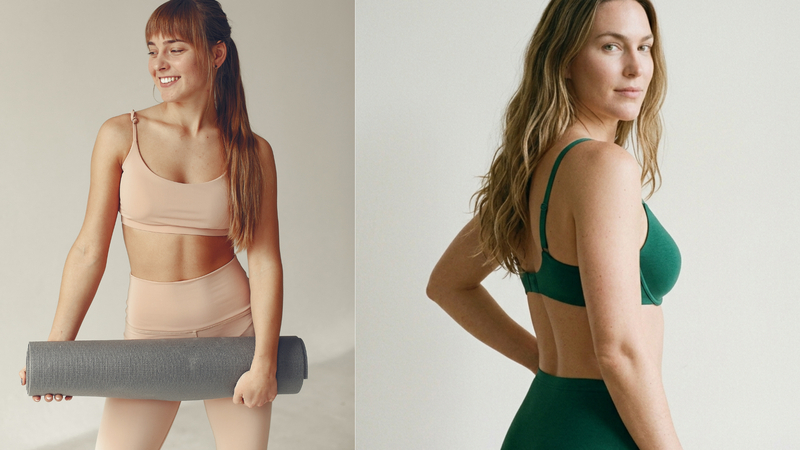
Although sports bras and regular bras both provide bust support, they are designed with different purposes and performance requirements in mind
2.1. Key Features of Sports Bras
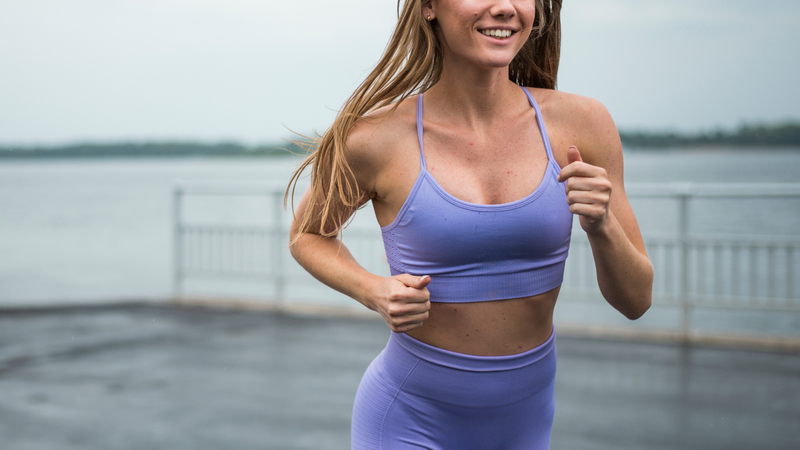
Sports bras are designed to deliver greater support and stability during physical activity. Their construction combines specialized materials and structural elements that help reduce breast movement, manage moisture, and maintain comfort throughout exercise. Key features commonly found in sports bras include:
- Compression or encapsulation support: Sports bras use compression to hold the breasts close to the body, encapsulation to support each breast individually, or a combination of both to minimize bounce and enhance stability during movement.
- Wide straps and supportive underbands: Broader shoulder straps and reinforced underbands help distribute weight more evenly, reduce pressure points, and provide a secure fit during exercise.
- Moisture-wicking fabrics: Performance materials such as polyester, nylon, and spandex are commonly used to draw sweat away from the skin and improve breathability.
- Stretch and recovery performance: High-elasticity fabrics allow the bra to move with the body while maintaining its shape and support after repeated wear and washing.
- Wire-free construction: Most sports bras eliminate underwires to maximize comfort, reduce irritation, and allow greater freedom of movement.
- Snug and secure fit: Sports bras are designed to fit more closely to the body than regular bras, ensuring the chest remains stable during low-, medium-, or high-impact activities.
2.2. Key Features of Regular Bras
Regular bras are designed primarily for everyday support, shaping, and aesthetic appeal under a wide range of garments. Their construction focuses on achieving the desired silhouette while providing comfort and versatility for different outfit styles. Key features commonly found in regular bras include:
- Shaping and lift: Regular bras are engineered to enhance the natural silhouette and create a smooth, flattering fit under clothing.
- Variety of cup constructions: Common styles include padded, push-up, balconette, full-coverage, and molded cups, each offering different levels of support and shaping.
- Decorative details: Materials such as lace, mesh, embroidery, and satin are often incorporated to add visual appeal and a more refined aesthetic.
- Adjustable straps and closures: Hook-and-eye back closures and adjustable shoulder straps allow wearers to customize the fit for everyday comfort.
- Underwire support: Many regular bras use underwires to provide additional lift, separation, and structural support.
- Fashion versatility: Regular bras are available in numerous designs tailored to suit different necklines, outfit types, and style preferences.
Criteria | Sports Bras | Regular Bras |
Primary Purpose | Support during physical activity | Everyday shaping and support |
Support Type | Compression or encapsulation support | Lift and contouring support |
Movement Control | Minimizes breast movement | Limited movement control |
Structure | Secure, performance-focused fit | Fashion and shaping focused |
Padding | Often molded or removable | Wide variety of padding options |
Underwire | Usually wire-free | Often includes underwire |
Materials | Moisture-wicking performance fabrics | Cotton, lace, satin, mesh, microfiber |
Breathability | Designed for sweat management | Varies by design and fabric |
Comfort During Exercise | High | Lower during high-impact movement |
Best For | Sports, workouts, activewear | Daily wear, officewear, fashion styling |
3. Materials Used in Sports Bras vs Regular Bras
Materials play a crucial role in determining how bras perform in terms of comfort, support, durability, and overall wear experience. Sports bras and regular bras are typically developed using different fabric compositions and constructions to meet their distinct functional purposes. The key material differences are outlined below.
3.1. Materials Used in Sports Bra Manufacturing
Sports bras require high-performance fabrics that can support movement, manage moisture, and maintain durability under frequent use. Because of these functional demands, material selection focuses on elasticity, breathability, and technical performance.
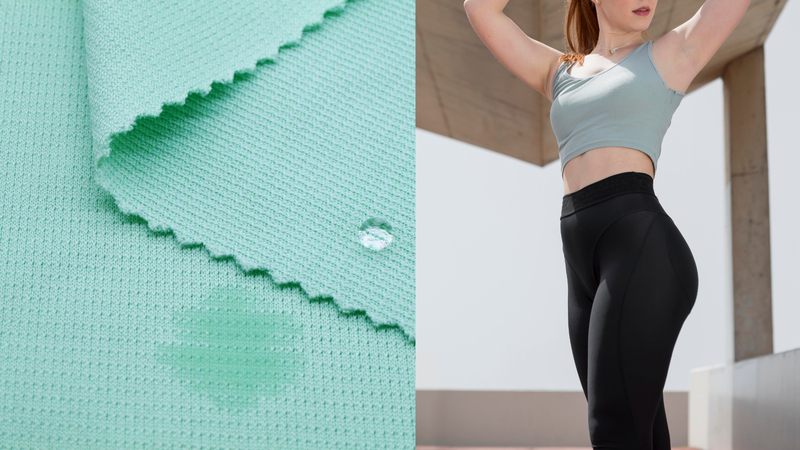
- Performance fabrics: Common materials include polyester, nylon, and spandex blends, chosen for their moisture-wicking and quick-dry properties. These fabrics help keep the body dry and comfortable during workouts while maintaining lightweight breathability – a key consideration across styles from printed sports bras to padded designs, where fabric behavior under heat, pressure, and movement varies significantly.
- Fabric blends and composition: Sports bras typically use high-stretch blends such as polyester/spandex or nylon/spandex, with spandex content often ranging from around 10% to 25% depending on the required level of compression and support. Higher spandex ratios provide stronger recovery and better movement control, especially in medium- to high-impact designs. >> The same polyester/spandex and nylon/spandex blends used in sports bras are also widely applied in performance leggings, making them natural companion products in activewear sets. Brands developing coordinated collections can explore a curated list of experienced legging manufacturers specializing in private-label production with the right fit engineering, certified fabric sourcing, and scalable manufacturing capabilities.
- Sustainable material options: Many brands are increasingly adopting recycled polyester (rPET), recycled nylon, and bio-based elastane alternatives to reduce environmental impact. These sustainable options allow sports bras to maintain performance standards while supporting more responsible sourcing and production practices.
3.2. Materials Used in Regular Bra Manufacturing
Regular bras are designed with a stronger focus on comfort, aesthetics, and everyday wearability. As a result, material selection often balances softness, structure, and visual appeal rather than high-performance functionality.
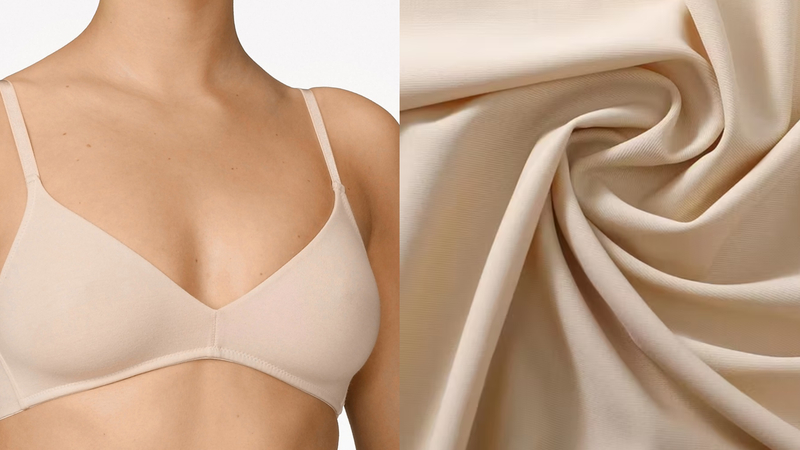
- Comfort and everyday fabrics: Common materials include cotton, modal, nylon, and polyester blends, chosen for their soft hand feel and skin-friendly comfort. These fabrics help ensure breathability and all-day wearability, especially in basic and T-shirt bra styles.
- Fabric blends and construction: Regular bras often use nylon/spandex or cotton/spandex blends, typically with a lower spandex ratio (around 5% to 15%) to provide light stretch while maintaining shape and support. This allows for a balance between flexibility, lift, and smooth silhouette under clothing.
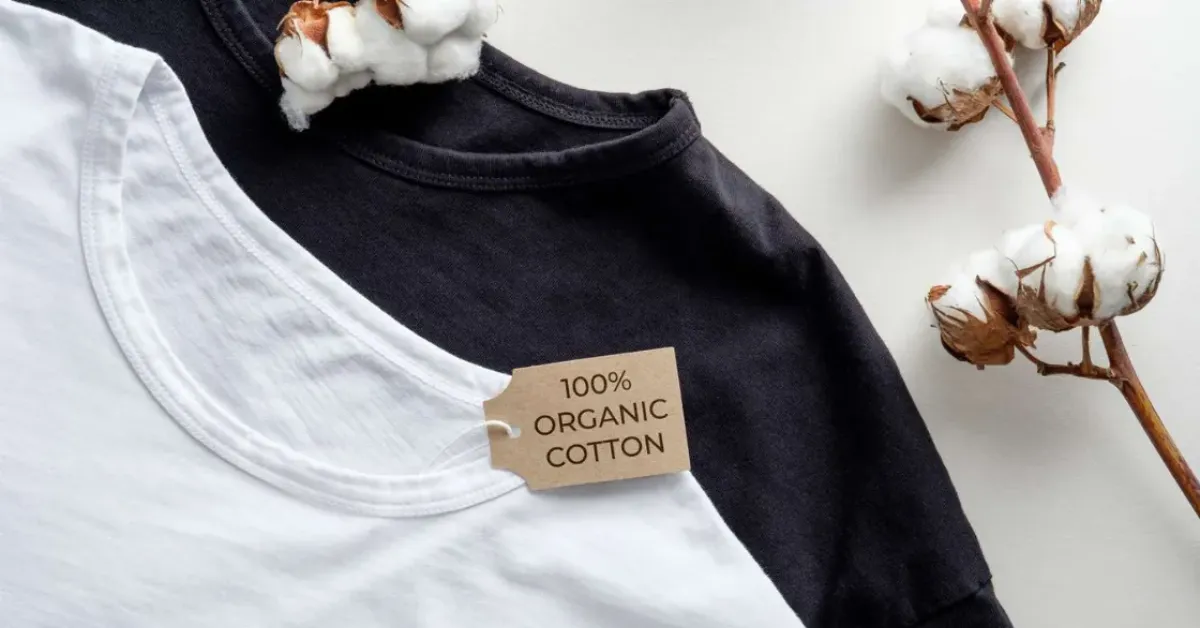
- Sustainable material options: Sustainability in regular bras is increasingly reflected through the use of organic cotton, recycled nylon, and recycled polyester. These materials help reduce environmental impact while still maintaining softness, comfort, and everyday functionality expected from intimate apparel.
4. Common Styles of Sports Bras vs Regular Bras
Beyond materials and construction, sports bras and regular bras are also differentiated by their design styles, each developed to serve specific use cases and aesthetic expectations. The following section highlights the most common styles within each category.
4.1. Common Styles of Sports Bras
Sports bras are developed in a variety of styles to match different levels of physical activity and support requirements. Each design is optimized for specific movement intensity, comfort needs, and performance functions. The most common sports bra styles include:
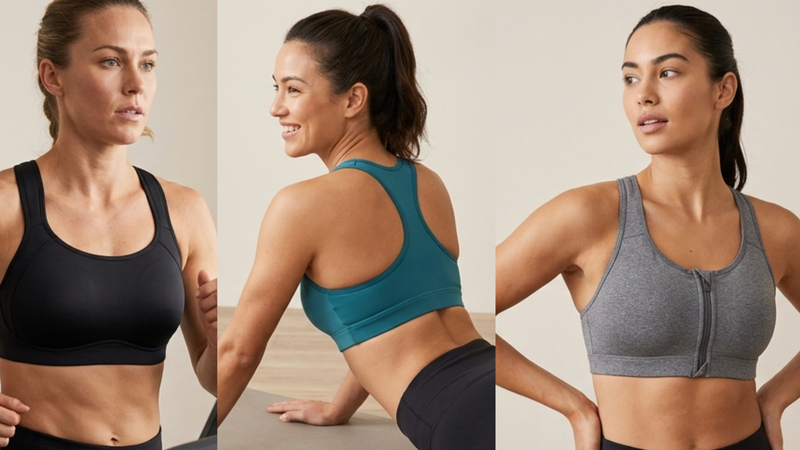
- High-impact sports bras: Designed for intense activities such as running or HIIT, offering maximum support and strong bounce control.
- Medium-support training bras: Suitable for general workouts like gym training or cycling, balancing support and flexibility.
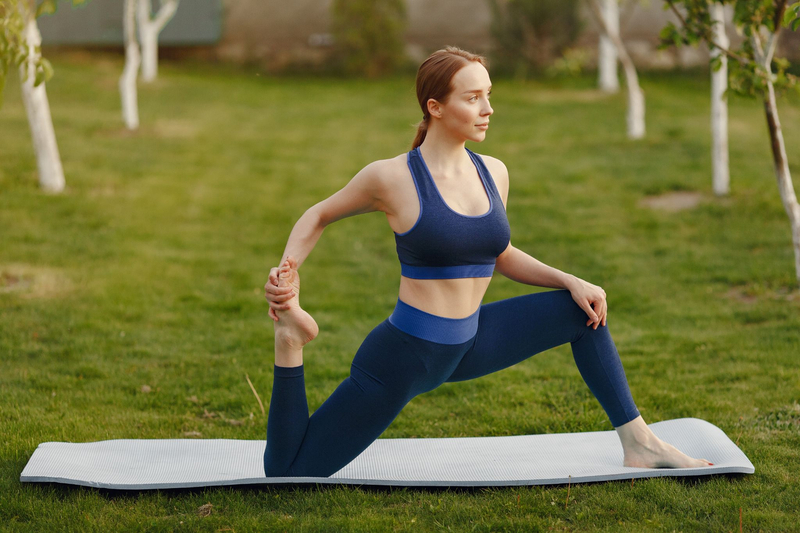
- Low-impact yoga bras: Focused on light activities such as yoga or pilates, prioritizing comfort and ease of movement.
- Racerback sports bras: Feature a strap design that improves stability and allows greater shoulder mobility during exercise – a construction also seen in crossback designs that offer similar performance benefits with added structural variation.
- Longline sports bras: Extended underband design that provides added support and a more secure fit around the torso.
- Zip-front bras: Front-closure design for easy wearability and quick removal, often used in high-support or recovery-focused styles.
- Seamless active bras: Constructed with minimal seams to reduce friction and enhance comfort during movement.
>> For brands developing sports bra and broader activewear collections, partnering with experienced athletic clothing manufacturers ensures access to the right technical fabric expertise, performance construction know-how, and scalable production capabilities. A curated list of athletic clothing manufacturers is available for brands comparing sourcing partners across different markets and specializations.
4.2. Common Styles of Regular Bras
Regular bras are designed in a wide range of styles to suit different outfit types, body shapes, and aesthetic preferences. Each style focuses on balancing support, shaping, and visual appeal for everyday wear. The most common regular bra styles include:
- T-shirt bras: Smooth, seamless cups designed to create an invisible look under fitted clothing.
- Push-up bras: Provide enhanced lift and cleavage through padded cup styles or angled cup construction, available across both regular and active-oriented designs.
- Balconette bras: Offer a lower cut with wide-set straps, ideal for open necklines and a lifted shape.
- Full-coverage bras: Provide maximum coverage and support, suitable for everyday comfort, larger cup sizes, and plus-size bra options that require additional structural reinforcement.
- Plunge bras: Designed with a deep neckline to pair with low-cut tops and dresses.
- Bralette styles: Lightly structured, wire-free bras focused on comfort and a natural shape.
- Strapless bras: Engineered with reinforced bands and grip features to stay in place without shoulder straps.
5. Functional Differences of Sports Bras vs Regular Bras
Sports bras and regular bras are designed with different functional priorities, which directly affect how they perform in terms of support, comfort, and intended use.
5.1. Support During Movement
Sports bras are specifically engineered to control and minimize breast movement during physical activity. Through compression and/or encapsulation structures, they provide targeted support that reduces bounce and helps maintain stability even during high-impact exercises. In contrast, regular bras are designed for everyday support rather than motion control, so they may feel less secure and less comfortable when used for workouts or dynamic movement.
5.2. Comfort During Exercise
Sports bras generally offer higher comfort during physical activity because their construction distributes pressure more evenly across the shoulders and underbust. The use of stretchable, performance fabrics also allows the bra to move with the body. Regular bras, however, are not optimized for repetitive motion, and features such as underwires or narrow straps may cause discomfort, digging, or irritation during exercise.
5.3. Sweat and Breathability
Sports bras are typically made with moisture-wicking and quick-dry fabrics that help draw sweat away from the skin and improve airflow during workouts. Some designs also include mesh panels or ventilation zones to enhance breathability. Regular bras, on the other hand, vary significantly in breathability depending on the fabric type, with many fashion-focused styles prioritizing appearance over moisture management.
5.4. Everyday Styling
Regular bras are designed with a strong focus on aesthetics and outfit compatibility, offering a wide range of shapes and finishes to suit different clothing styles. They provide more versatility for everyday fashion and silhouette enhancement. Sports bras, while primarily performance-driven, are increasingly being incorporated into athleisure styling, allowing them to be worn both during workouts and as part of casual, sporty outfits.
>> Brands building out complete athleisure collections alongside sports bras can explore a curated list of experienced hoodie manufacturers specializing in casual outerwear, performance-compatible fabrics, and private-label production to complement their activewear and intimate apparel ranges.
6. Which One Should You Choose?
Sports bras are the right choice when your priority is movement support, stability, and performance during physical activity. They are designed to reduce breast bounce and provide a secure fit across different intensity levels, from yoga and pilates to running and high-impact training. With moisture-wicking fabrics, breathable construction, and even pressure distribution, sports bras help maintain comfort during exercise while minimizing strain on the body.
Regular bras are more suitable when your focus is on everyday comfort, shaping, and outfit styling. They are designed to enhance the natural silhouette and work seamlessly under a wide range of clothing, from casual wear to formal outfits. With various cup styles, decorative designs, and adjustable features, regular bras prioritize aesthetic versatility and all-day wearability rather than controlling movement during physical activity.
Whether you are developing a sports bra line or a regular bra collection, working with the right production partner is essential to achieving the quality and consistency your brand requires. To explore options across different styles and specifications, you can refer to our curated overview of trusted bra manufacturers for global activewear and intimate apparel brands.
7. Sports Bra vs Regular Bra in Manufacturing
From a production perspective, sports bras and regular bras involve different technical requirements.
- Fabric selection & sourcing: Sports bras mainly use performance knit fabrics such as polyester, nylon, and spandex to ensure stretch, recovery, and durability under movement. Regular bras use a wider range of materials including cotton, lace, microfiber, and woven or decorative fabrics, focusing more on comfort and aesthetic variety.
- Fabric construction: Sports bras are primarily constructed using knit fabrics to achieve high elasticity and stable compression. Regular bras often combine knit materials with lace or woven panels to create structure, shaping, and design details.
- Support construction: Sports bras are built with compression or encapsulation engineering and reinforced panel construction to control movement during activity. Regular bras focus on cup shaping, molding, and structured construction to enhance form and silhouette.
- Elastic systems: Sports bras require stronger, wider, and more durable elastic components to withstand repeated high-impact movement. Regular bras typically use softer elastic systems that prioritize comfort and everyday fit.
- Manufacturing focus: Sports bra production emphasizes durability, performance testing, and consistency in support during movement. Regular bra production focuses more on shaping accuracy, design flexibility, and detailed finishing.
>> Both categories are produced through a cut and sew manufacturing process — where fabric panels are precisely cut to pattern and assembled through specialized stitching operations, giving brands full control over support construction, seam placement, and finishing quality. Brands evaluating production options can explore a curated list of cut and sew manufacturers experienced in intimate apparel and activewear to find certified partners that match their technical and compliance requirements.
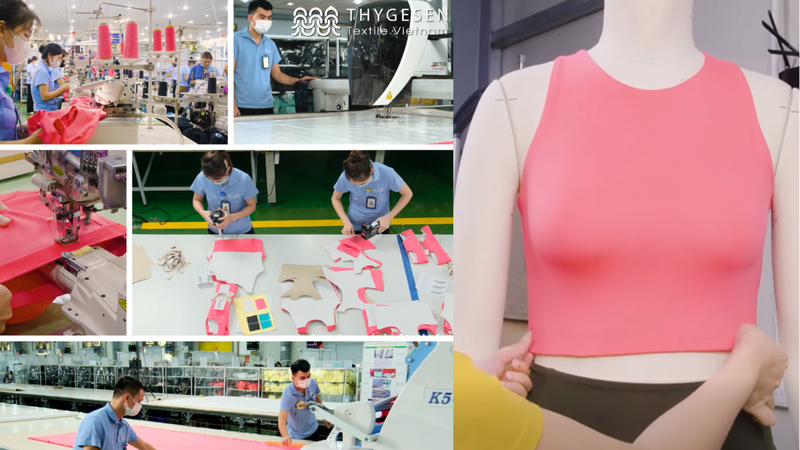
For brands looking to develop performance-focused styles or explore full-range intimate apparel production, Thygesen offers both custom activewear bra manufacturing and custom underwear manufacturing solutions – providing end-to-end OEM/ODM capabilities across compression bras, padded styles, high-impact designs, and everyday intimate apparel.
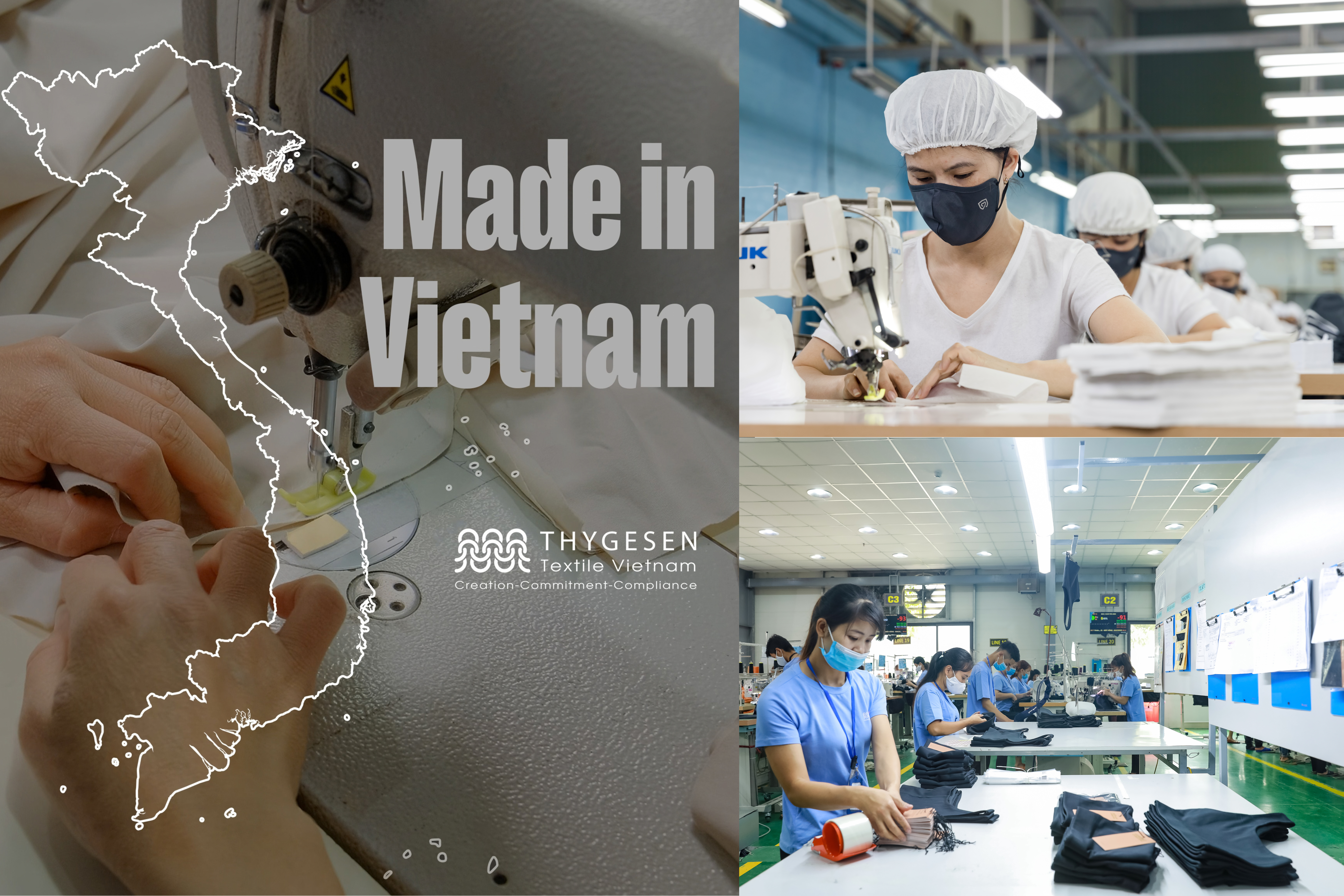
Thygesen Textile Vietnam is a trusted clothing manufacturer specializing in high-quality sports bra production for activewear brands worldwide. With over 90 years of textile manufacturing experience, Thygesen offers comprehensive OEM and ODM services, premium materials sourced from certified suppliers, and advanced production capabilities to deliver sports bras that meet demanding performance, comfort, and durability standards.
In conclusion, sports bras and regular bras are designed to serve two very different purposes, from performance-focused support during physical activity to everyday shaping and styling.
If you are looking for a trusted sports bra manufacturing partner in Vietnam, please contact Thygesen at Thygesen Textile Vietnam or email us at sale@thygesen.com.vn to explore our OEM/ODM solutions and full sports bra manufacturing capabilities.