Joggers have evolved far beyond traditional sweatpants into a versatile apparel category used across sportswear, streetwear, loungewear, and modern lifestyle fashion. Different types of joggers vary by fit, fabric, functionality, and construction details, allowing brands to develop products tailored for athletic performance, casual comfort, or trend-driven aesthetics.
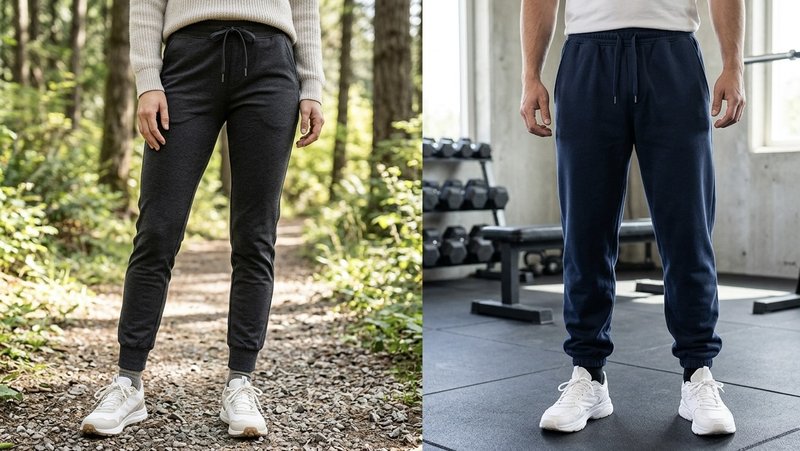
1. By Fit & Silhouette
One of the most common ways to categorize joggers is by their fit and silhouette. Different fits create different styles, levels of comfort, and target audiences, allowing fashion brands to develop collections that match current market trends and consumer preferences.
From slim-fit designs for a sleek athletic look to oversized silhouettes inspired by streetwear culture, each type of jogger serves a unique purpose in modern apparel. Understanding these variations can help brands choose the right jogger styles for their target customers and seasonal collections.
1.1. Slim-Fit Joggers
Slim-fit joggers are designed with a close-to-body silhouette that creates a clean and modern appearance. They typically feature narrower legs and cuffed ankles, making them popular for both athletic wear and everyday streetwear styling.
These joggers are commonly made from stretch cotton, polyester blends, or performance fabrics to ensure comfort and flexibility. Many fashion brands choose slim-fit joggers for consumers seeking a sporty yet polished look suitable for casual outings, travel, or light workouts. For brands developing this style for male consumers, Thygesen’s men’s joggers manufacturing capabilities cover slim-fit constructions with precise pattern grading and consistent sizing across bulk production.
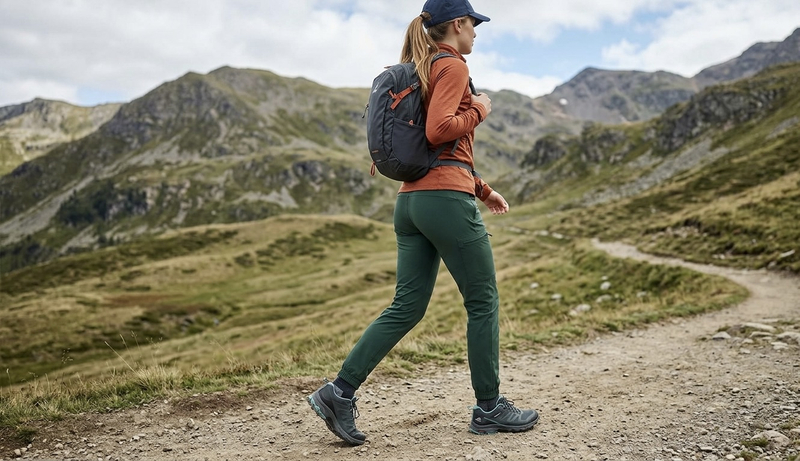
>> Slim-fit joggers are designed with a close-to-body silhouette that creates a clean and modern appearance, delivering the same precision fit that professional legging manufacturers bring to body-contouring activewear design.
1.2. Regular-Fit Joggers
Regular-fit joggers offer a balanced silhouette that is neither too tight nor too loose. They provide comfortable movement and are considered one of the most versatile jogger styles for daily wear.
This type of jogger appeals to a wide customer base because of its practicality and timeless design. Regular-fit joggers are frequently used in loungewear, athleisure, and casual fashion collections thanks to their comfort and easy styling options.
1.3. Oversized Joggers
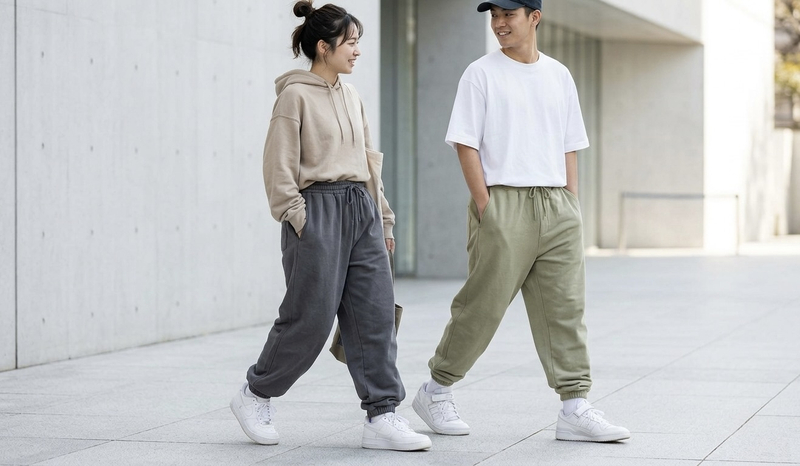
Oversized joggers feature a loose and relaxed silhouette that prioritizes comfort and contemporary streetwear aesthetics. Their roomy fit creates a laid-back appearance that has become increasingly popular among younger fashion consumers.
These joggers are often produced using heavyweight fleece, French terry, or soft cotton fabrics to enhance the oversized structure. Many brands incorporate oversized joggers into urban fashion, airport outfits, and cozy lifestyle collections.
1.4. Tapered Joggers
Tapered joggers are designed with a wider fit around the thighs that gradually narrows toward the ankle. This silhouette provides both comfort and a streamlined appearance, making it ideal for activewear and modern casualwear.
The tapered design allows better mobility while maintaining a stylish shape that flatters various body types. Sportswear and athleisure brands often use tapered joggers for consumers who want both functionality and fashion in one garment.
1.5. Cropped Joggers
Cropped joggers are shorter in length and usually end above the ankle. This style creates a lightweight and breathable feel, making it especially suitable for warmer climates and transitional seasons.
Fashion brands often use cropped joggers to create trendy and youthful collections with a more fashion-forward appearance. They pair well with sneakers, oversized tops, and activewear pieces, making them popular in both sportswear and streetwear markets. This style is particularly in demand within women’s jogger collections, where cropped lengths are frequently combined with high-waist constructions and stretch fabrics for a flattering active silhouette.
1.6. Wide-Leg Joggers
Wide-leg joggers feature a relaxed silhouette with extra room throughout the legs, offering maximum comfort and freedom of movement. Unlike traditional joggers, this style focuses more on fashion expression and relaxed styling.
These joggers have gained popularity in contemporary fashion due to the growing demand for comfort-driven apparel. Wide-leg joggers are commonly seen in premium loungewear, minimalist fashion collections, and modern streetwear brands seeking a more elevated casualwear.

2. By Fabric & Material
The fabric and material used in joggers play a major role in determining their comfort, durability, functionality, and overall appearance. Different materials are selected based on the intended use of the joggers, whether for sports, casual wear, loungewear, or premium fashion collections.
Today’s apparel market offers a wide variety of jogger fabrics, ranging from breathable cotton and cozy fleece to moisture-wicking performance materials and sustainable textiles. Choosing the right fabric helps brands create joggers that meet consumer expectations for both style and performance.
2.1. Cotton Jogger
Cotton joggers are highly popular thanks to their softness, breathability, and natural comfort. They are ideal for casual wear, loungewear, and everyday fashion collections, especially in markets that prioritize comfort-driven apparel.
These joggers can be made from 100% cotton for a soft and natural feel or blended with polyester and spandex for improved durability and flexibility. Common fabric compositions include 100% cotton, 80% cotton – 20% polyester, or 95% cotton – 5% spandex. Cotton joggers offer excellent moisture absorption and skin-friendly comfort, although pure cotton fabrics may shrink more easily compared to blended materials.
2.2. Fleece Jogger
Fleece joggers are designed for warmth and insulation, making them suitable for colder climates and winter collections. The inner brushed surface creates a soft and cozy texture that enhances comfort during outdoor activities or lounging.
Most fleece joggers are made from cotton-polyester blends rather than 100% cotton to improve shape retention and durability. Common blend ratios include 60% cotton – 40% polyester and 80% cotton – 20% polyester. Polyester helps reduce shrinkage and improves the fabric’s resistance to wear, while cotton maintains softness and breathability. Brands looking to develop this style can explore Thygesen’s fleece jogger manufacturing service, which supports fabric sourcing, blend selection, and full-package production for both seasonal and year-round collections.
2.3. French Terry Jogger
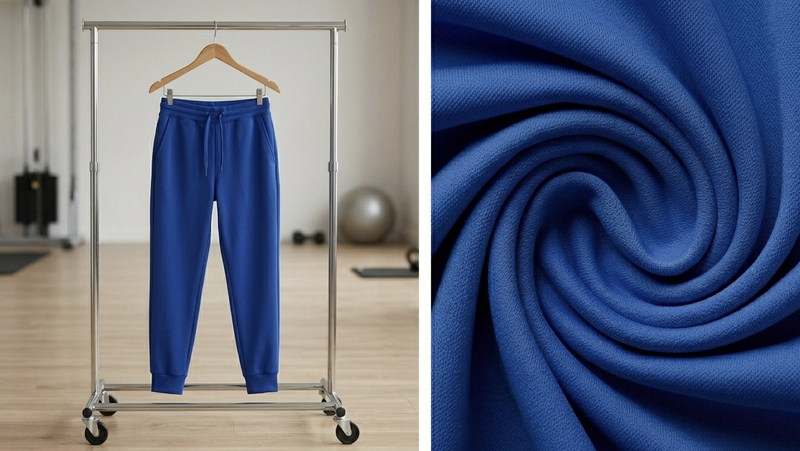
French terry joggers are known for their lightweight feel and looped interior texture. Compared to fleece, French terry fabric is less insulating, making it a versatile option for year-round wear and transitional weather.
These joggers are commonly produced using cotton-rich blends such as 100% cotton, 95% cotton – 5% spandex, or 70% cotton – 30% polyester. French terry offers a balance between comfort, breathability, and moisture absorption, making it popular in athleisure and premium casualwear collections.
2.4. Polyester / Performance Jogger
Polyester joggers are widely used in sportswear and performance apparel due to their durability, lightweight construction, and moisture-wicking properties. They dry quickly and maintain their shape well even after frequent washing and physical activities.
Performance joggers are rarely made from 100% polyester alone. Instead, they are often blended with elastane or spandex to improve stretch and mobility. Common compositions include 90% polyester – 10% spandex or 85% polyester – 15% elastane. These fabrics are ideal for gym wear, running apparel, and active lifestyles because of their flexibility and sweat-management capabilities.
2.5. Stretch / Spandex Blend Jogger
Stretch joggers are designed to maximize flexibility, comfort, and ease of movement. They are especially popular in activewear and athleisure collections where mobility and body-contouring fit are important.
These joggers are typically made by blending cotton, polyester, or nylon with spandex or elastane. Common blend ratios include 95% cotton – 5% spandex, 90% polyester – 10% spandex, or 88% nylon – 12% elastane. The addition of stretch fibers helps the fabric maintain its shape, improve recovery, and provide greater comfort during movement.
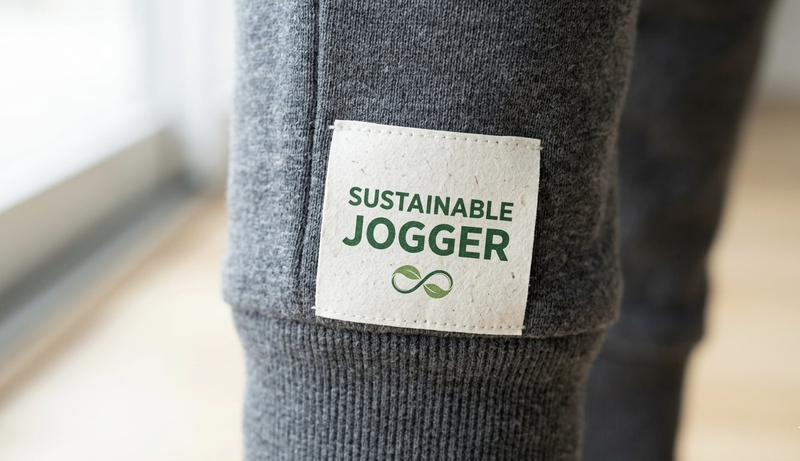
2.6. Sustainable Jogger
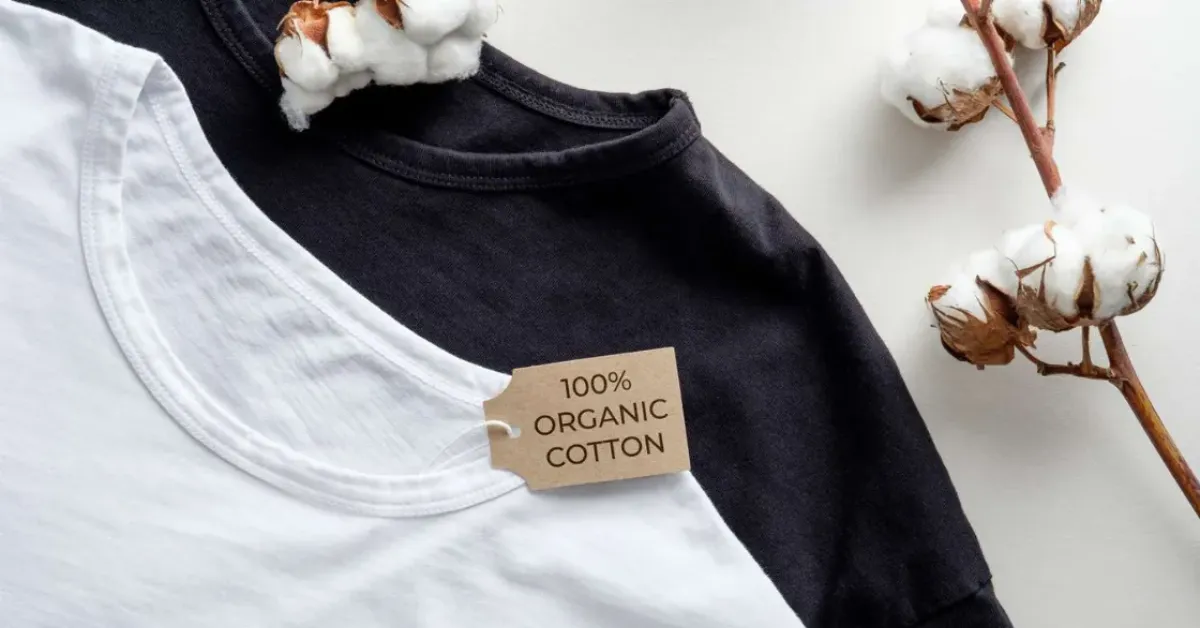
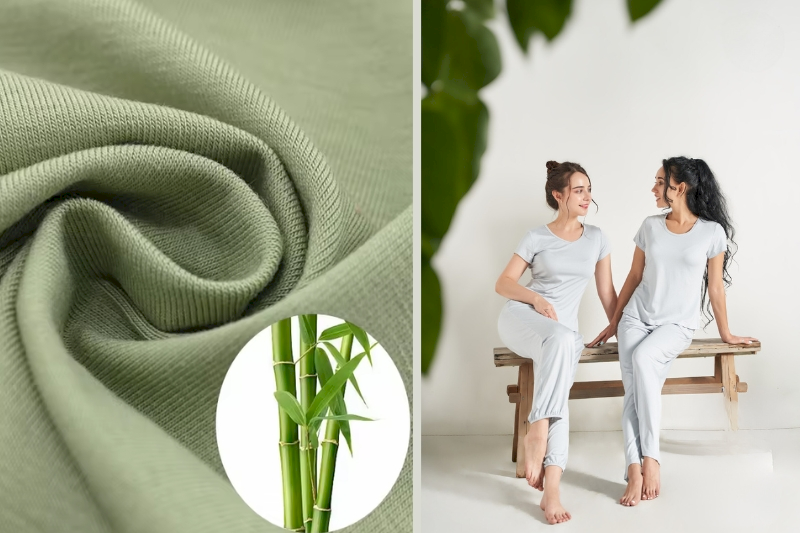
Sustainable joggers are becoming increasingly important as consumers and fashion brands focus more on environmental responsibility and ethical production. These joggers are manufactured using eco-friendly fabrics, recycled materials, or low-impact textile processes.
3. By Style & Functional Design
Beyond fit and fabric, joggers can also be categorized by their style details and functional features. Design elements such as pockets, cuffs, panels, or utility-inspired accents help brands create products tailored to different fashion trends and consumer lifestyles.
Today’s consumers expect joggers to deliver both comfort and functionality. From streetwear-inspired cargo joggers to minimalist athleisure designs, functional details now play an important role in enhancing practicality, aesthetics, and overall product value.
3.1. Cargo Joggers
Cargo joggers combine the comfort of traditional joggers with the practicality of cargo pants. They typically feature multiple utility pockets on the sides, giving them a more functional and rugged appearance.
These joggers are commonly made from durable cotton twill, woven fabrics, or cotton-spandex blends to improve flexibility and durability. Cargo joggers are popular in streetwear, outdoor fashion, and utility-inspired collections because they offer both style and storage functionality.
3.2. Athletic Joggers
Athletic joggers are specifically designed for sports, fitness, and active lifestyles. They focus on mobility, breathability, and moisture management to support physical performance during workouts or outdoor activities.
Most athletic joggers are produced using polyester, nylon, or spandex blends such as 90% polyester – 10% spandex. Features like four-way stretch, moisture-wicking technology, and lightweight construction make them suitable for running, training, and gym wear. This category is especially strong in men’s athletic jogger development, where performance fabric selection and functional detailing such as zippered pockets and reflective trims are key production considerations.
>> Athletic joggers are specifically designed for sports, fitness, and active lifestyles with a focus on mobility and performance. For brands developing sportswear collections, partnering with reliable athletic apparel manufacturers ensures your products meet the highest standards in moisture-wicking, durability, and functional design.

3.3. Lounge Joggers
Lounge joggers prioritize softness and comfort for relaxing at home or casual everyday wear. They usually feature relaxed silhouettes and soft-touch fabrics that create a cozy wearing experience.
These joggers are commonly made from cotton jersey, French terry, fleece, or modal blends. Typical compositions include 95% cotton – 5% spandex or cotton-polyester fleece blends. Lounge joggers are especially popular in loungewear and sleepwear collections due to their comfortable and lightweight feel.
3.4. Streetwear Joggers
Streetwear joggers are heavily influenced by urban fashion and contemporary youth culture. They often include oversized fits, bold graphics, unique stitching, washed finishes, or statement details that create a more fashion-forward aesthetic.
Heavyweight cotton, French terry, and fleece fabrics are frequently used to achieve structure and durability. Streetwear joggers are commonly paired with hoodies, sneakers, and oversized tops, making them a key item in modern casual fashion collections.
3.5. Utility Joggers
Utility joggers focus on functionality and technical design elements. They often feature additional zippers, adjustable straps, reinforced seams, or technical pockets designed for convenience and durability.
These joggers are typically made from woven polyester blends, nylon-spandex fabrics, or water-resistant materials. Utility joggers are increasingly popular in techwear, travel apparel, and outdoor-inspired fashion thanks to their practical and modern design.
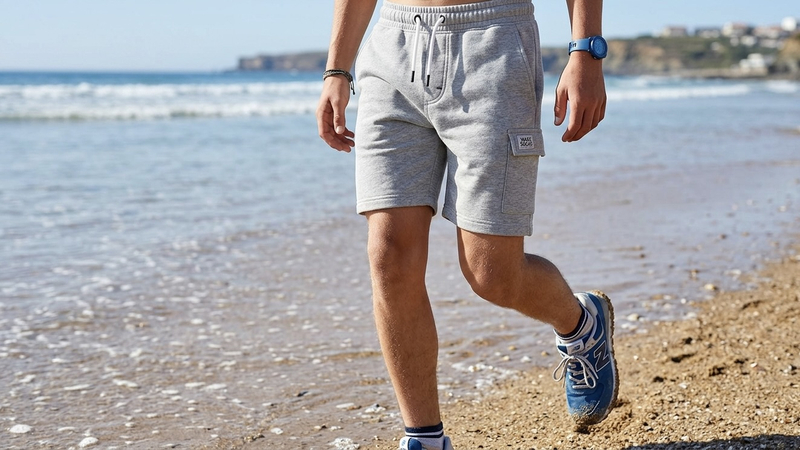
3.6. Jogger Shorts
Jogger shorts combine the relaxed comfort of joggers with the lightweight practicality of shorts. They usually feature elastic waistbands, adjustable drawstrings, and athletic-inspired silhouettes suitable for warm weather.
Common materials include cotton jersey, French terry, polyester blends, and stretch fabrics for enhanced comfort and mobility. Jogger shorts are widely used in sportswear, casualwear, and summer collections because they provide flexibility, breathability, and everyday versatility.
4. Key Considerations When Producing Joggers at Scale
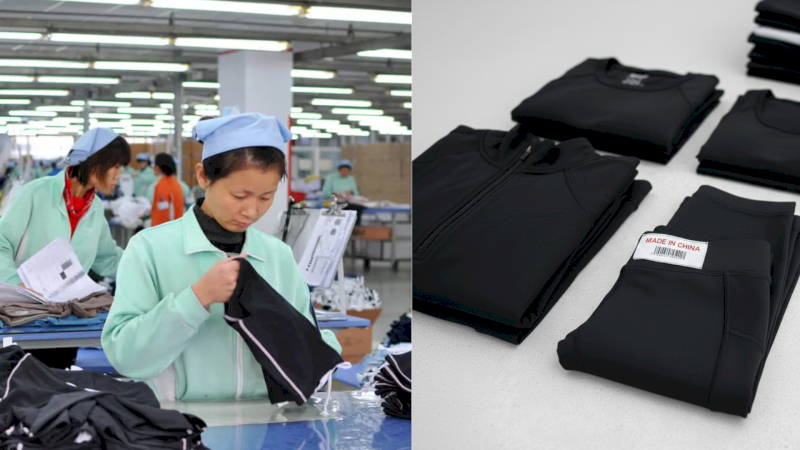
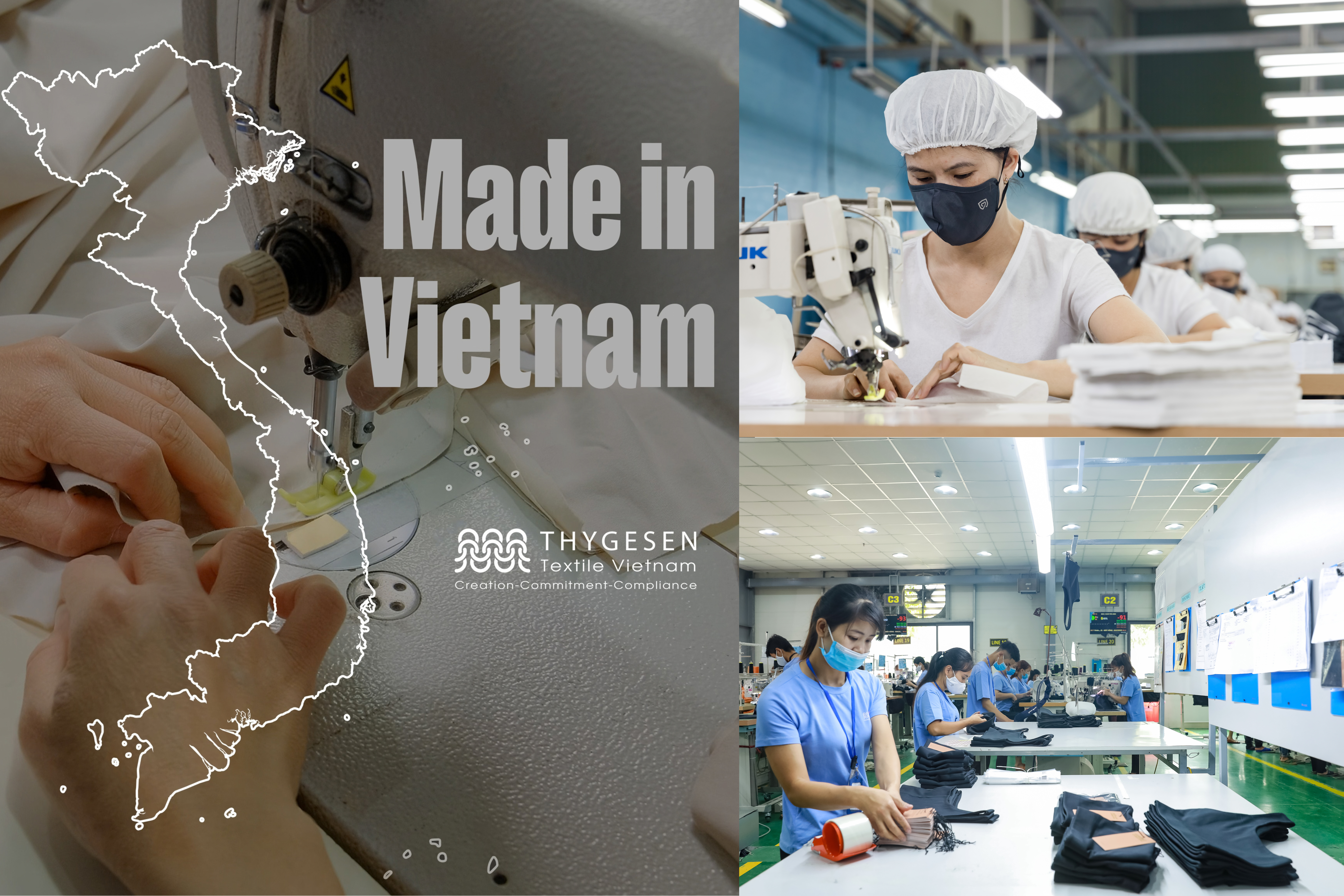
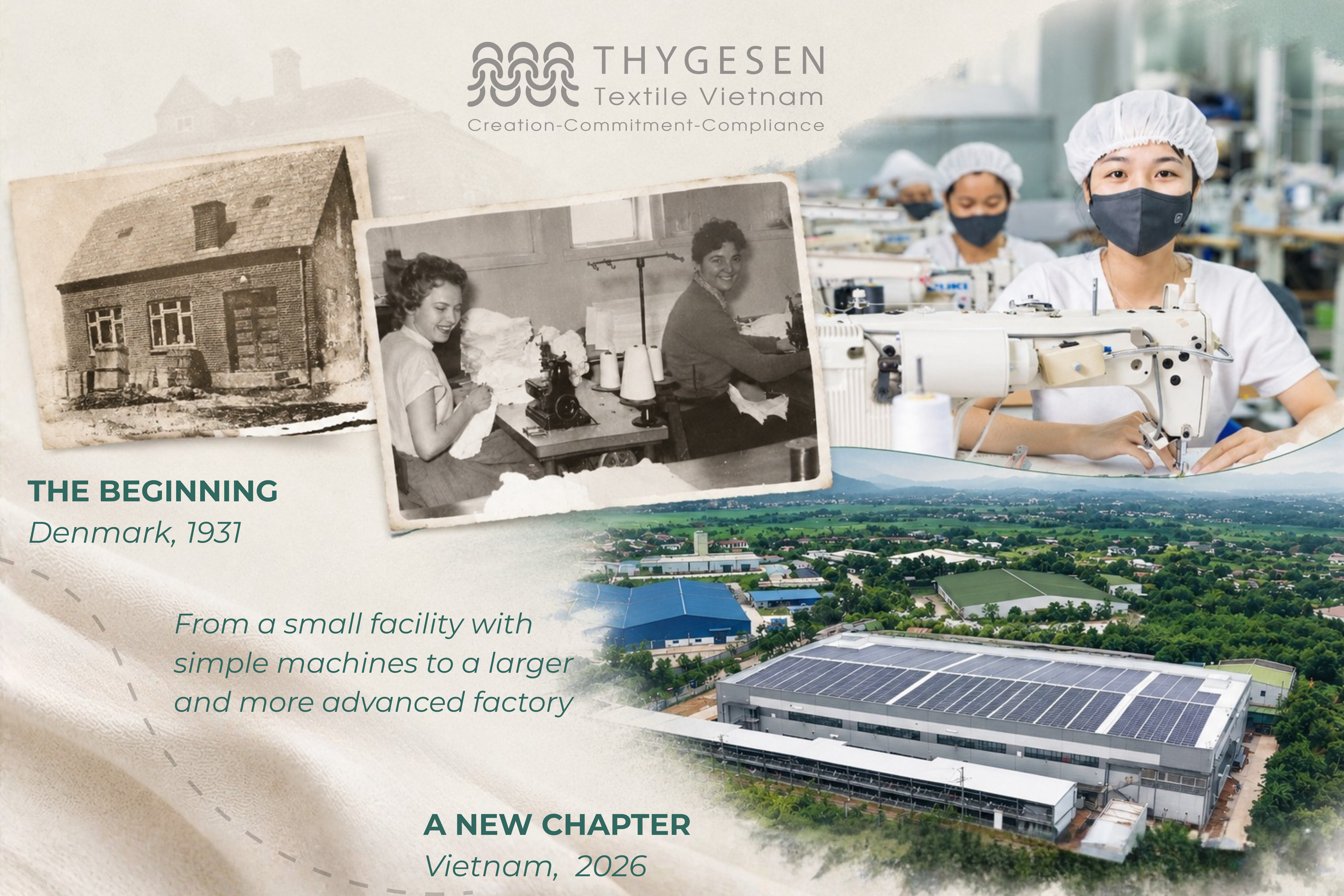
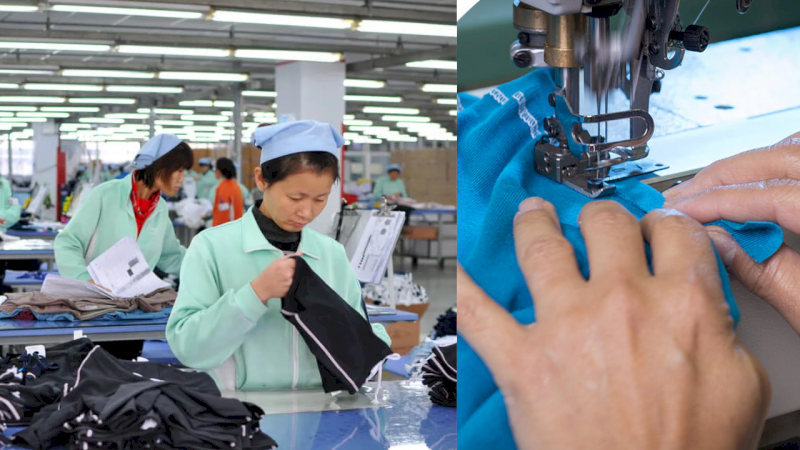
With more than 90 years of manufacturing experience, Thygesen Textile Vietnam offers strong custom OEM/ODM capabilities in jogger production, supporting global brands from concept development to bulk manufacturing. We have developed and manufactured custom joggers for many global brands across activewear, casualwear, and athleisure collections, with a production capacity of up to 10 million pieces per year. From our perspective as a long-standing manufacturer, the following are key considerations for producing joggers at scale that we would like to share.
Brands specifically looking for a trusted men’s jogger manufacturer can refer to our dedicated resource covering what to look for in a production partner, key quality benchmarks, and how to evaluate manufacturing capabilities before committing to bulk orders. We have developed and manufactured custom joggers for many global brands across activewear, casualwear, and athleisure collections, with a production capacity of up to 10 million pieces per year.
- Fabric selection & consistency: Joggers can be made from many materials like fleece, French terry, or polyester blends, but each fabric behaves differently in production. For example, fleece gives a warm, soft feel but may shrink if not properly controlled, while polyester blends offer better shape stability. At scale, maintaining consistent fabric quality is key so every batch has the same handfeel, color, and durability.
- Fit & pattern engineering: Joggers look simple, but small changes in pattern can affect the whole fit. For example, a slim-fit jogger must be carefully graded so size M and XL still keep the same tapered shape without becoming too tight or too loose. If grading is not precise, customers may experience inconsistent fit between sizes or batches.
- Construction & detailing quality: Details like waistband elasticity, drawstring strength, and ankle cuff stitching play a big role in comfort and durability. For example, a weak elastic waistband may lose shape after a few washes, or poorly stitched cuffs can twist after wear. These small construction points are important for long-term product performance.
- Scalable production & quality control: When producing large volumes, even small errors can multiply quickly. For example, a slight stitching issue in early production can appear across thousands of pieces if not caught early. That’s why in-line inspections and final quality checks are essential to ensure all joggers meet the same standard before shipping.
>> Fit & pattern engineering is critical for jogger quality at scale—a slim-fit jogger must maintain its tapered shape across all sizes without becoming too tight or loose. Expert cut and sew manufacturing partners understand these precision grading techniques essential for consistent bulk production.
In conclusion, joggers have evolved into a versatile apparel category with many styles, fabrics, and functions to meet different market needs, from sportswear to streetwear and loungewear. If you are looking for a reliable manufacturing partner for joggers, explore our custom activewear jogger manufacturing capabilities or feel free to contact Thygesen Textile Vietnam at sale@thygesen.com.vn to discuss how we can support your next collection.
>> Thygesen Textile Vietnam offers comprehensive custom OEM/ODM capabilities not only for joggers but also as experienced hoodie manufacturers, supporting global brands across multiple apparel categories from product development through large-scale manufacturing.