Sustainability in apparel manufacturing is not only about the fabrics and materials used to make a garment. It also starts with the factory where production takes place. From energy and water use to waste management and the working environment, the design and operation of a manufacturing facility can make an important difference. LEED Gold provides a framework for building and operating more sustainable facilities. But what does LEED Gold actually mean, and why does it matter for apparel manufacturing factories?
What Is LEED GOLD Standard?
LEED Gold is a certification level under the LEED (Leadership in Energy and Environmental Design) green building rating system. Developed by the U.S. Green Building Council (USGBC), LEED provides a framework for designing, constructing, and operating buildings in a more sustainable and resource-efficient way.
LEED evaluates a building from different aspects of its design and operation, including energy efficiency, water use, materials, waste management, indoor environmental quality, and overall environmental performance. Rather than focusing on just one feature, it looks at how different elements of a building work together to reduce its environmental impact and create a better space for the people who use it.
Why Does LEED Matter for Apparel Manufacturing?
For apparel manufacturers, sustainability is not only about the materials used to make garments. It also starts with the factory where those garments are produced. The design and operation of a manufacturing facility can have a significant impact on energy use, water consumption, waste, and the working environment.
Reducing Energy Use
Garment factories operate with a wide range of equipment and systems every day, from sewing machines and lighting to ventilation and air conditioning. Improving energy efficiency can help reduce unnecessary energy consumption and lower the environmental impact of daily operations. Using energy-efficient lighting, monitoring energy use, and integrating renewable energy are some ways a factory can work toward better energy performance.
Using Resources More Responsibly
A manufacturing facility relies on resources such as water, electricity, and raw materials throughout its operations. LEED encourages factories to look closely at how these resources are used and where efficiency can be improved. This can help create more responsible practices while also supporting more efficient day-to-day operations.
Creating a Better Working Environment
A factory is also a workplace for thousands of people. LEED places attention on indoor environmental quality, including factors such as ventilation, air quality, lighting, and thermal comfort. These considerations can contribute to a more comfortable and supportive environment for employees who spend much of their working day inside the facility.
Supporting Long-Term Sustainability
For apparel manufacturers, sustainability is an ongoing process rather than a single action. LEED provides a structured framework that encourages factories to consider environmental performance from the design of the facility through its daily operation. This can help manufacturers build sustainability into their long-term approach to production, alongside other responsible manufacturing practices
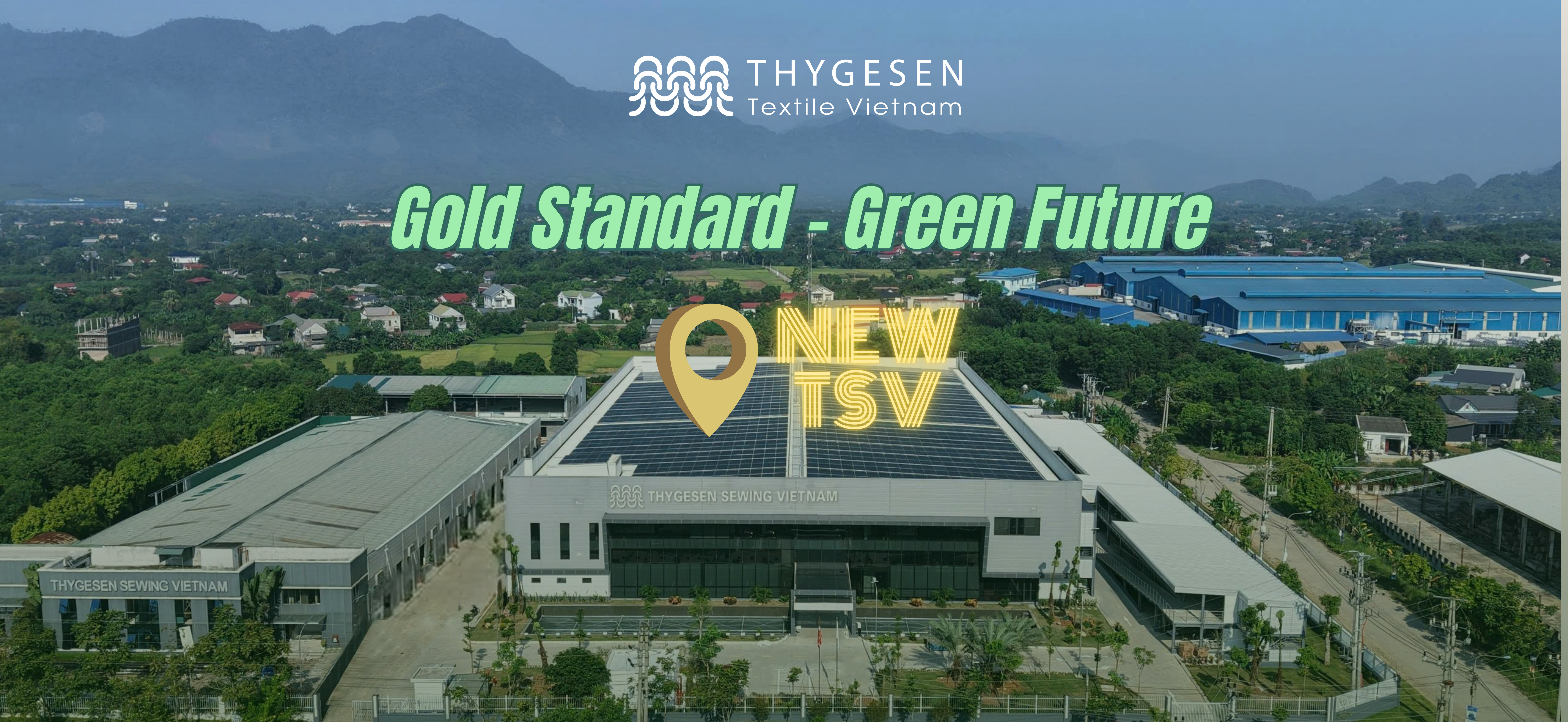
| New Thygesen Sewing Factory – Gold Standard, Green Future Our New Thygesen Sewing Vietnam factory (NTSV) is actively working toward LEED Gold Certification – a globally recognized standard for facilities that are designed with a stronger focus on energy efficiency, responsible resource use, environmental performance, and the well-being of people. Striving for this gold standard for new factory is our way of contributing to more sustainable production and a greener future. Because in the end, with us growth only matters when it is done responsibly, and we believe every step today brings us closer to a better tomorrow, creating sustainable value for our people, our partners, and the planet. |