Known for its dresses, denim, and environmentally focused branding, Reformation positions itself as a fashion label that combines style with more responsible production practices. But where is Reformation clothing made? In this article, we explore Reformation’s manufacturing locations and global sourcing strategy.
1. About Reformation and Its Product Categories
Founded in 2009 in Los A ngeles, Reformation built its reputation around creating fashion-forward clothing with a stronger focus on sustainability and transparent sourcing compared to traditional fast fashion brands.
Today, Reformation’s core product categories include:
- Dresses: The brand’s signature category, featuring floral dresses, occasionwear, fitted silhouettes, and seasonal collections.
- Denim: Jeans and denim apparel designed with both fashion styling and lower-impact material sourcing in mind.
- Tops and Blouses: Feminine tops, knitwear, and elevated casualwear designed for versatile everyday styling.
- Outerwear: Jackets, trench coats, knit layers, and seasonal outerwear collections.
- Knitwear and Sweaters: Cotton, wool, and blended knit garments focused on comfort and modern silhouettes.
- Shoes and Accessories: Leather footwear, handbags, and fashion accessories produced through selected manufacturing partners.
- Activewear and Loungewear: The company has also expanded into comfort-focused and performance-inspired apparel categories. Reformation has expanded into activewear and loungewear categories that demand specialized manufacturing expertise in comfort-focused, performance-inspired apparel. Brands looking to source similar products can browse our curated list of athletic clothing manufacturer with proven capabilities in performance fabrics and fit engineering.
Reformation is particularly recognized for its sustainability-focused branding, often emphasizing responsible materials, lower-impact fabrics, deadstock textiles, and supply chain transparency throughout its collections.
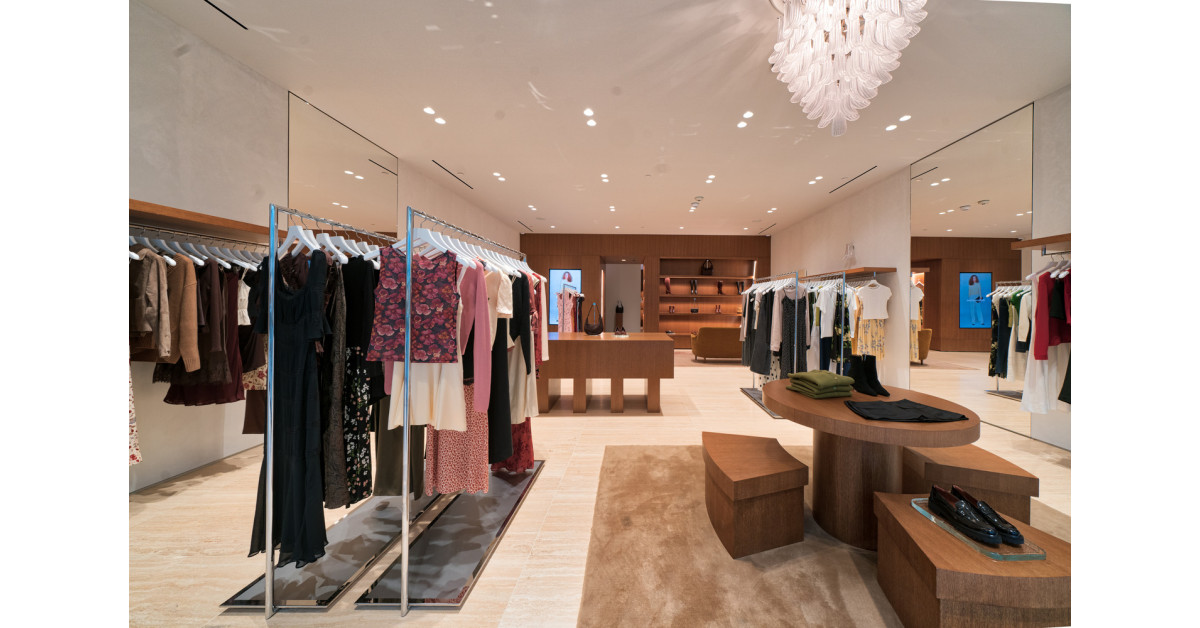
2. Where Is Reformation Clothing Made?
Reformation clothing is manufactured across multiple countries rather than within a single production location. The company works with both domestic and international manufacturing partners depending on the product category, material requirements, and production specialization.
2.1. United States
The brand has publicly emphasized local production as part of its sustainability positioning, especially for categories requiring shorter lead times and closer production oversight.
- Shorter Production Timelines: Domestic production allows faster response to fashion trends and seasonal demand changes.
- Closer Production Oversight: Local manufacturing helps brands maintain direct communication and quality control visibility.
- Smaller Production Runs: U.S. factories are often more flexible for limited collections and lower-volume fashion programs – a model commonly offered by private label clothing manufacturers in the USA that specialize in small-batch and made-to-order programs.
- Brand Positioning: “Made in USA” production aligns with Reformation’s sustainability-focused and transparent branding strategy. Brands prioritizing this positioning can explore the best clothing manufacturers in the USA – facilities known for ethical production, domestic compliance standards, and premium garment quality.
However, because domestic manufacturing costs are significantly higher than many overseas production markets, Reformation also relies on international sourcing partners for scalability and cost balance. This is particularly true for high-volume basics and intimates, where underwear manufacturers in the USA tend to serve more specialized or premium segments rather than large-scale commercial programs.
2.2. China
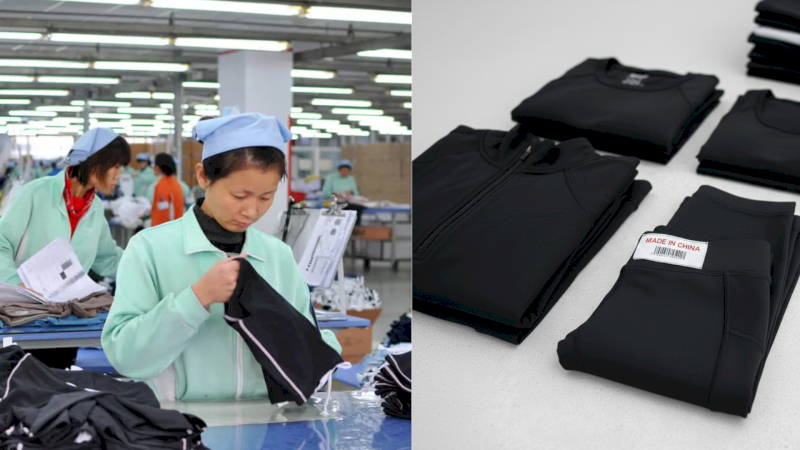
China remains an important manufacturing location for Reformation, particularly for categories requiring technical garment construction, specialized fabrics, and larger-scale production capabilities. Chinese factories commonly support production for woven garments, outerwear, footwear, accessories, and technical apparel – backed by a well-established network of clothing manufacturers in China with deep category expertise across both fashion and performance segments.
- Advanced Manufacturing Infrastructure: China continues offering one of the world’s most developed textile and apparel production ecosystems.
- Integrated Supply Chains: Fabric mills, trim suppliers, dye houses, and garment factories often operate within close manufacturing clusters.
- Specialized Product Capabilities: Chinese factories are highly experienced in handling technically demanding apparel and accessory categories – including activewear, leggings, and underwear – where precise fabric handling, elastic sourcing, and fit consistency are critical.
- Efficient Large-scale Production: China remains highly competitive for scalable fashion manufacturing programs.
Although many fashion brands have diversified sourcing across Southeast Asia in recent years, China continues playing a significant role within global apparel manufacturing because of its technical expertise and advanced industrial infrastructure.
China remains important for Reformation’s technical garment production, particularly for activewear and leggings requiring specialized fabric handling and precise fit consistency. Experienced legging manufacturer partners in China deliver the advanced construction techniques and elastic sourcing expertise necessary for performance-driven apparel categories.
2.3. Vietnam
Vietnam has become an increasingly important sourcing destination for modern fashion brands, including those focused on higher-quality apparel and responsible manufacturing practices. This shift reflects a broader trend of why global fashion brands are moving production to Vietnam – drawn by improving factory capabilities, competitive costs, and a growing emphasis on ethical sourcing.
- Strong Garment Construction Expertise: Vietnamese factories are recognized for stable stitching quality, reliable garment construction, and strong fabric handling capabilities – evident across categories from t-shirts and hoodies to baby clothing and organic apparel. Brands sourcing this category specifically can also browse our curated list of hoodie manufacturer partners with proven Vietnam-based production experience.
- Skilled Workforce: Vietnam offers experienced garment workers trained across knitwear, woven apparel, and technical garment categories.
- Scalable Manufacturing Infrastructure: The country supports both medium and high-volume apparel production while maintaining export efficiency. Brands beginning their sourcing journey can start by identifying the best clothing manufacturers in Vietnam – suppliers with proven track records across fashion, casualwear, and export-ready production programs.
- Growing Sustainability and Compliance Standards: Increasing numbers of Vietnamese factories now operate under internationally recognized ethical and environmental certifications. For brands prioritizing responsible sourcing, reviewing Vietnam clothing factory conditions is an essential part of the supplier evaluation process.
These advantages have helped position Vietnam as one of the world’s fastest-growing apparel manufacturing hubs for both mass-market and premium fashion brands.

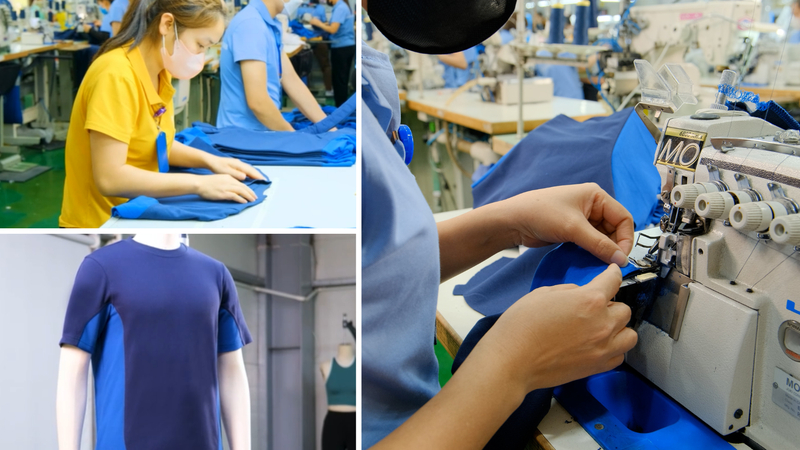
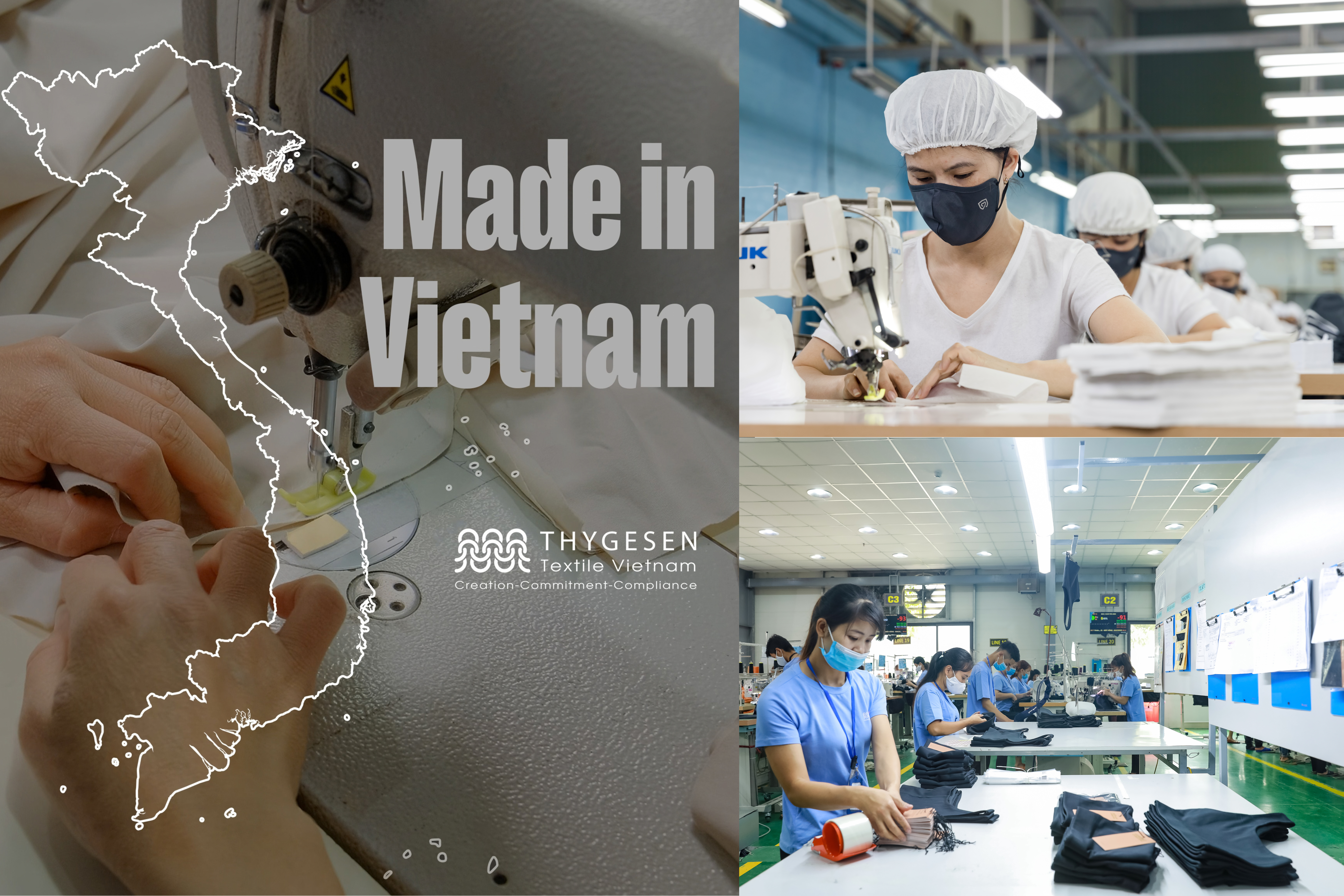
Vietnam has become increasingly important for Reformation, recognized for stable stitching quality and reliable garment construction across diverse categories. Expert cut and sew manufacturers in Vietnam bring the precision pattern development and assembly expertise that modern fashion brands require for consistent, high-quality apparel production
2.4. India and Turkey
Reformation also works with manufacturing partners throughout India and Turkey for selected apparel categories and textile-focused production.
2.4.1. India
India remains an important sourcing location because of its strong textile heritage and expertise in cotton fabrics, embellishment techniques, and woven garment manufacturing.
2.4.2. Turkey
Turkey is widely respected for premium denim, woven garments, and shorter lead-time production for European and international fashion markets. For brands evaluating nearshore sourcing options, clothing manufacturers in Turkey offer a compelling combination of quality craftsmanship, speed-to-market advantages, and strong textile heritage – particularly for denim and woven categories requiring closer production oversight.
Together, these regions help Reformation diversify sourcing capabilities while accessing specialized textile and garment expertise.
3. Why Global Fashion Brands Diversify Manufacturing
Modern fashion brands rarely manufacture all products within a single country. Instead, production is typically spread across multiple regions depending on product specialization, material sourcing, technical expertise, and manufacturing efficiency.
This diversified sourcing approach helps fashion brands balance:
- Production Scalability: Different markets offer different capacity levels. Brands can allocate high-volume basics to large-scale factories in Asia while reserving smaller, more specialized runs for domestic or nearshore manufacturers.
- Quality Consistency: Sourcing from regions with established expertise in specific product categories – such as knitwear in Vietnam or technical outerwear in China – helps brands maintain consistent garment standards across their collections.
- Cost Efficiency: Manufacturing costs vary significantly across regions. Diversified sourcing allows brands to optimize production budgets without compromising on fabric quality, construction standards, or ethical compliance requirements.
- Technical Specialization: Certain garment categories require specific machinery, fabric handling expertise, or construction techniques that are more developed in particular manufacturing regions than others.
- Supply Chain Flexibility: Spreading production across multiple countries reduces dependency on any single sourcing market, helping brands manage disruptions caused by geopolitical shifts, trade policy changes, or capacity constraints.
- Delivery Timelines: Regional sourcing diversification allows brands to balance long lead-time overseas production with faster-turnaround domestic or nearshore manufacturing – particularly useful for trend-sensitive or seasonal collections.
For brands like Reformation, balancing sustainability goals with scalable global production often requires partnerships across multiple manufacturing regions.
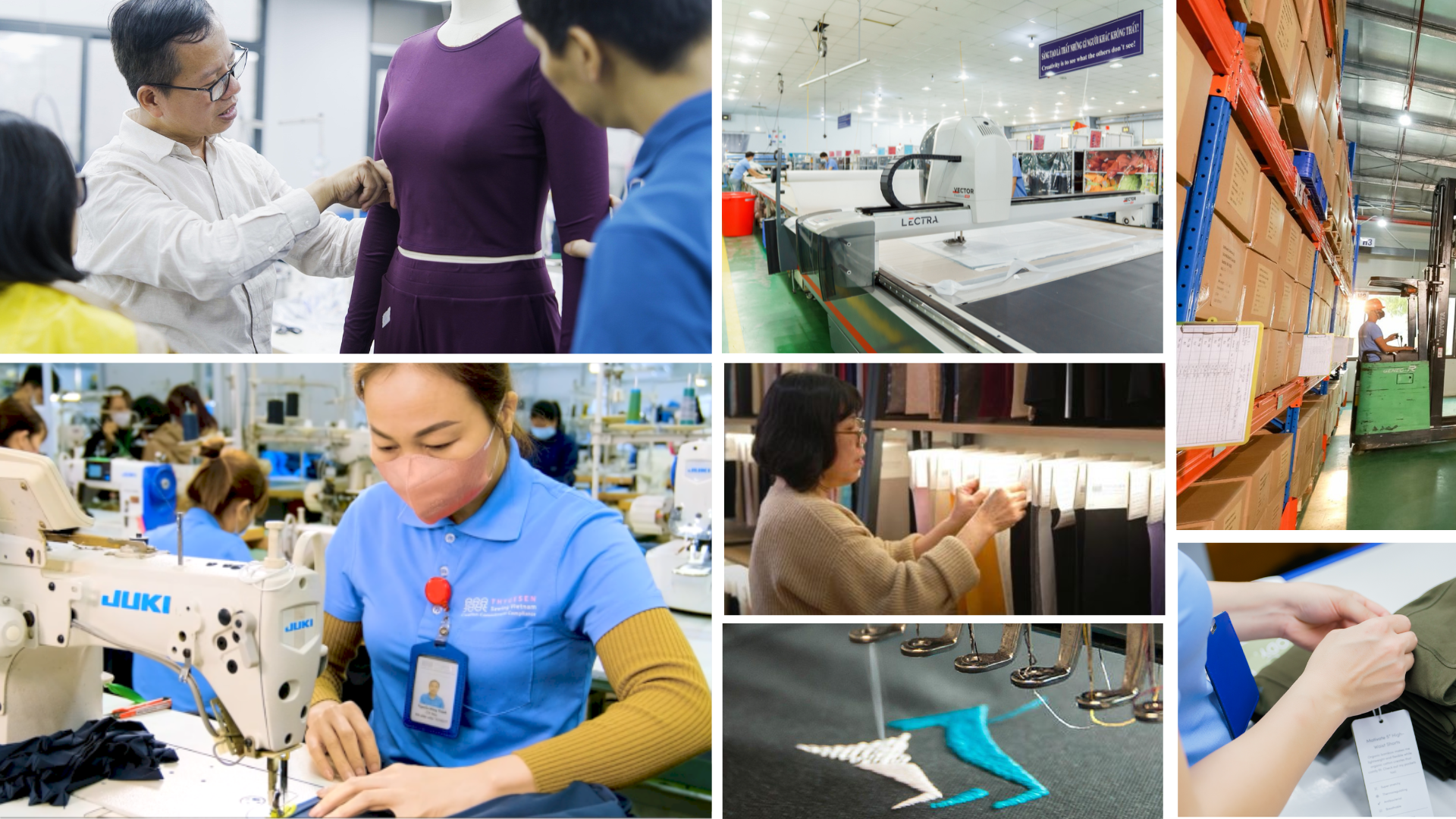
4. Thygesen Textile Vietnam’s Expertise in Apparel Manufacturing
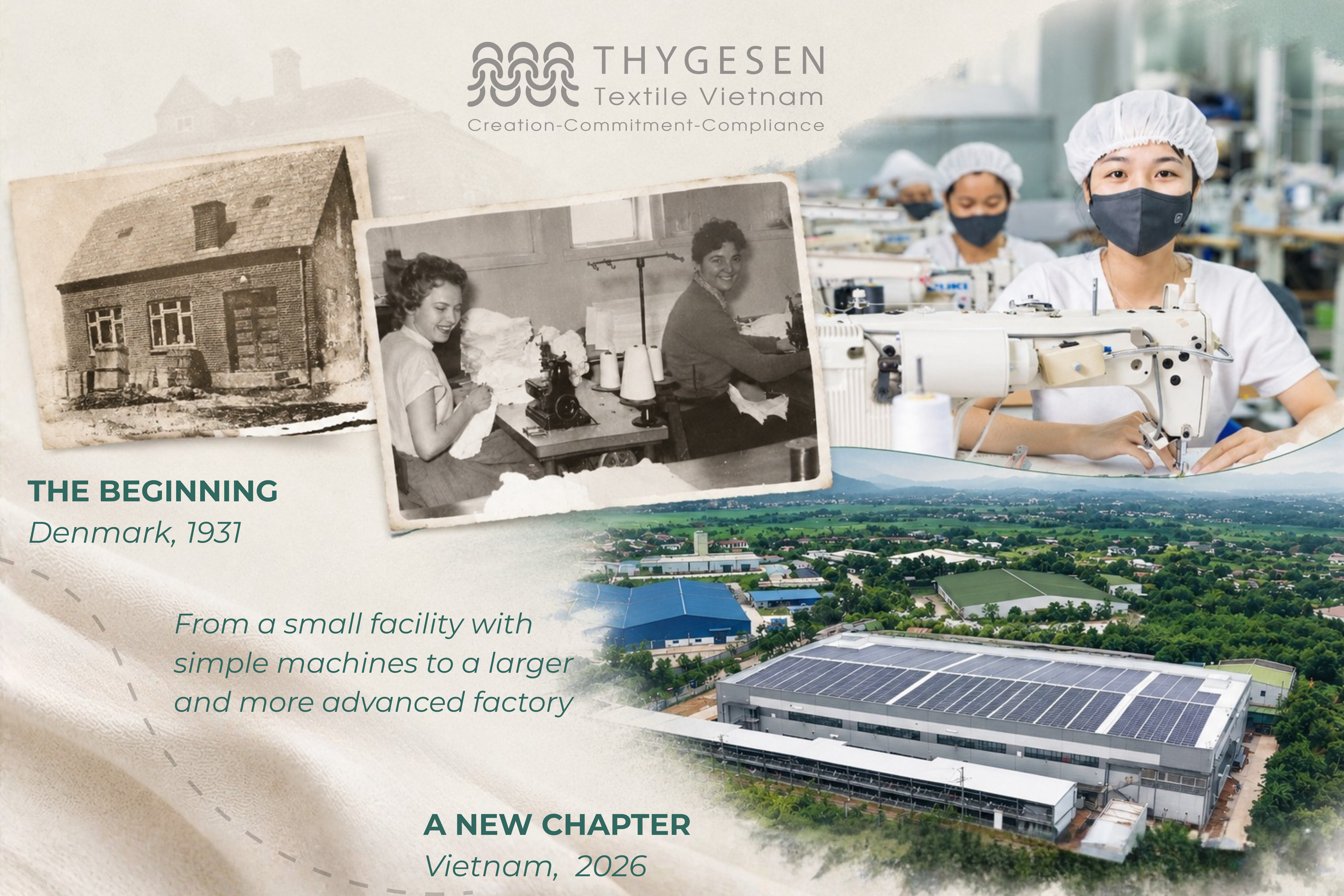
With decades of experience in garment manufacturing, Thygesen Textile Vietnam supports global apparel brands through ethical, scalable, and high-quality production solutions.
Our expertise spans categories including:
- Knitwear: From lightweight jersey to structured knit constructions, our factories are experienced in handling stretch fabrics, consistent stitch quality, and knitwear finishing for both adult and children’s apparel programs.
- Fashion Basics: We support brands with reliable production of everyday wardrobe essentials – including tops, bottoms, and layering pieces – built for consistent quality across medium and large-scale runs.
- Activewear: Our teams are trained in performance garment construction, including compression fabrics, bonded seams, moisture-wicking materials, and technical assembly required for gym, sport, and athleisure categories.
- Dresses: From casual day dresses to more structured fashion silhouettes, we handle pattern precision, fabric drape, and garment finishing to meet the standards of modern fashion brands.
- Casualwear: We produce a wide range of relaxed, everyday garments designed for comfort and wearability – including shirts, trousers, shorts, and versatile wardrobe staples.
- Loungewear: Soft-goods expertise and fabric selection make our facilities well-suited for producing comfortable loungewear collections that balance aesthetics with wearable comfort.
- Sustainable Apparel: We work with organic, recycled, and certified sustainable fabrics to support brands committed to environmentally responsible production and ethical sourcing standards.
Thygesen supports clients throughout the full manufacturing process, including:
- Fabric Sourcing: We assist brands in identifying and procuring the right fabrics – from performance synthetics and natural fibers to certified sustainable materials – through our established supplier network.
- Sample Development: Our technical teams manage the full sampling process, from initial proto samples through fit samples and pre-production approvals, ensuring garments meet design specifications before bulk production begins.
- Garment Manufacturing: Full-package CMT and OEM production supported by experienced sewing teams, modern machinery, and robust production planning systems across our Vietnam-based facilities.
- Quality Control: Our in-house quality control procedures cover inline inspections, final audits, and measurement checks at every stage of production – helping brands maintain consistent garment standards across all orders.
- Production Management: Dedicated account and production management teams oversee scheduling, factory communication, and order tracking to ensure reliable lead times and smooth execution from order placement to shipment.
- Scalable Apparel Production: Whether supporting a brand’s first production run or an established large-volume program, our facilities are equipped to scale efficiently while maintaining quality consistency and competitive turnaround times.
Each location contributes different strengths, helping support the brand’s dresses, denim, knitwear, and fashion collections.
As a trusted clothing manufacturer in Vietnam, Thygesen Textile Vietnam supports global brands with ethical manufacturing, technical expertise, and full-package OEM/ODM apparel solutions. For more information, visit thygesenapparel.com or contact our team directly at sale@thygesen.com.vn.