Ethical clothing manufacturers are often mentioned in today’s fashion conversations, but what truly defines an ethical partner? Is it about fair labor, safe working conditions, sustainability, or all of the above? In this guide, we’ll explore what makes a manufacturer sustainable and ethical and how your brand can find the right one to work with.
1. What is An Ethical And Sustainable Clothing Manufacturer?
An ethical and sustainable clothing manufacturer is a company that produces garments while prioritizing both people and the environment. It focuses not only on the final product but also on how clothing is made throughout the entire production process.
On the ethical side, this means ensuring fair wages, safe working conditions, reasonable working hours, and respect for workers’ rights. Ethical manufacturers avoid exploitative practices and aim to create a workplace built on fairness and dignity.
On the sustainability side, these manufacturers work to reduce environmental impact by minimizing waste, saving water, limiting pollution, and using more responsible materials such as organic or recycled fabrics.
In practice, ethics and sustainability often go hand in hand. A clothing manufacturer cannot be considered truly sustainable if the people making the garments are not treated fairly.

2. Key Characteristics of Ethical Clothing Manufacturers
Let’s take a closer look at the values and practices that define responsible production:
2.1. Prioritise Environmental Sustainability
A commitment to environmental sustainability is one of the key traits that set ethical manufacturers apart. From materials to energy use, every decision is made with long-term environmental impact in mind.
- Sustainable material sourcing: Ethical manufacturers often support this process by advising on suitable options and helping brands navigate sourcing decisions. Depending on the production goals, materials may carry certifications such as GOTS, OCS, GRS, or FSC, typically applied to fabrics like organic cotton, recycled polyester, viscose, or blends made from responsibly sourced fibers. When looking to source eco-friendly options, partnering with experienced organic cotton clothing manufacturers can ensure your products meet the highest environmental standards.
- Reduced environmental impact: Production processes are designed to minimize waste, conserve water, reduce energy consumption, and lower greenhouse gas emissions wherever possible.
- Chemical management: Dyes or finishes are used carefully and disposed of responsibly to avoid polluting nearby water sources or harming ecosystems.
- Renewable energy: Some manufacturers use clean energy sources like solar or wind to power their operations, cutting back on reliance on fossil fuels and reducing their carbon footprint.
2.2. Focus on Fair Labor Practices
Treating people fairly is the foundation of ethical manufacturing, and that begins with how workers are valued, protected, and respected throughout the production process.
- Fair wages and benefits: Employees are paid a living wage, not just the legal minimum. This ensures they can support themselves and their families with basic needs like food, housing, and healthcare.
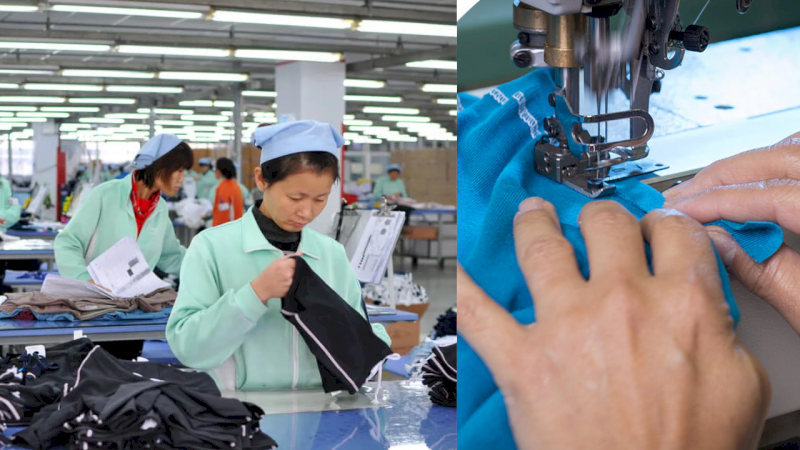
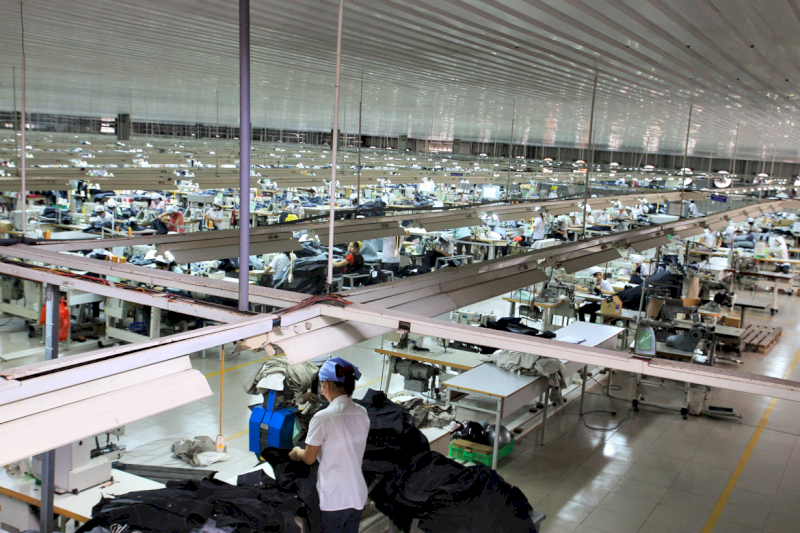
- Safe and healthy working conditions: Factories maintain clean, well-lit, and ventilated spaces. Workers are provided with ergonomic setups and protective equipment to reduce the risk of injury or long-term health issues.
- Reasonable working hours: Ethical manufacturers follow local labor laws around working hours and overtime. Employees receive proper breaks and days off, helping to maintain work-life balance.
- No child or forced labor: Strict policies are in place to prevent child labor and any form of forced or involuntary work. Regular audits help ensure compliance throughout the production process.
2.3. Understand The Value of Transparency and Accountability
Transparency and accountability are at the core of ethical manufacturing. They reflect not only how a factory operates, but also how much it values trust, responsibility, and long-term impact.
- Supply chain responsibility: Responsibility doesn’t stop at the factory gate. Ethical manufacturers also evaluate and guide their raw material suppliers and subcontractors to uphold fair labor practices throughout the chain.
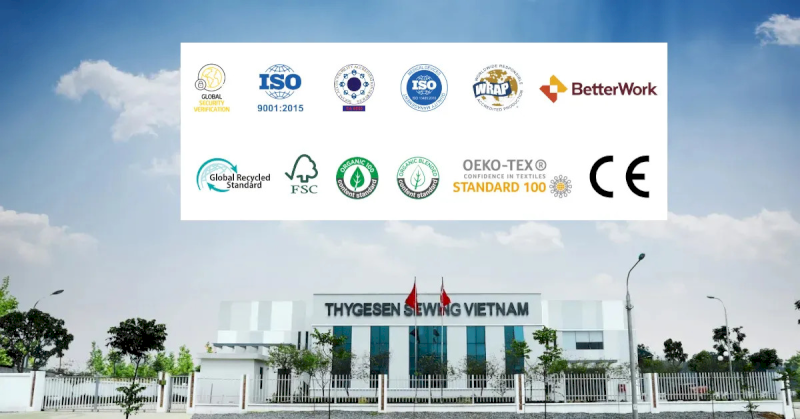
- Certifications: Ethical manufacturers often hold certifications that demonstrate their commitment to responsible practices. These may include ISO 9001 for quality and environmental management, WRAP for safe and lawful manufacturing, and SA8000 for social accountability.
- Regular audits: Ethical manufacturers undergo independent audits to confirm compliance with labor, safety, and environmental standards. These reviews are conducted regularly and with integrity.
- Corporate Social Responsibility (CSR): Many manufacturers have formal CSR programs in place, showing commitment to creating positive social and environmental impact beyond business performance.
Transparency and accountability are becoming increasingly important, especially for brands targeting the European market. The Digital Product Passport (DPP) is set to become a key requirement, providing verified information on a product’s materials, origin, environmental impact, and recyclability. For the EU, this ensures compliance with sustainability regulations, enables consumers to make informed choices, and holds brands accountable for their supply chain practices.
Certifications are equally important for the European market, ensuring that products meet recognized sustainability and ethical standards. Thygesen understands this shift and are proactively preparing our systems and processes, so that our partners can meet these evolving EU standards while maintaining full traceability and ethical practices throughout the supply chain.
3. Top 10 Reliable Sustainable And Ethical Clothing Manufacturers
3.1. Thygesen Textile Vietnam
Founded: 1931
Country: Vietnam
Product Lines: Activewear, Underwear, Casualwear, Kidswear, Workwear, Uniform
Featured Customer: Calvin Klein, Tommy Hilfiger, Fjällräven, DKNY, Girlfriend Collective, Boody
Thygesen Textile Vietnam is recognized as one of the ethical clothing manufacturers in Vietnam, offering OEM services across key product categories including activewear, casualwear, and underwear. We combine high-quality production with a strong commitment to responsible sourcing and fair labor practices.
Certified by SA8000 and WRAP, we operate with clear ethical standards, ensuring that both people and processes are treated with care and respect. Our sourcing decisions are made with sustainability in mind, and we actively seek materials that meet international standards for environmental and social responsibility.
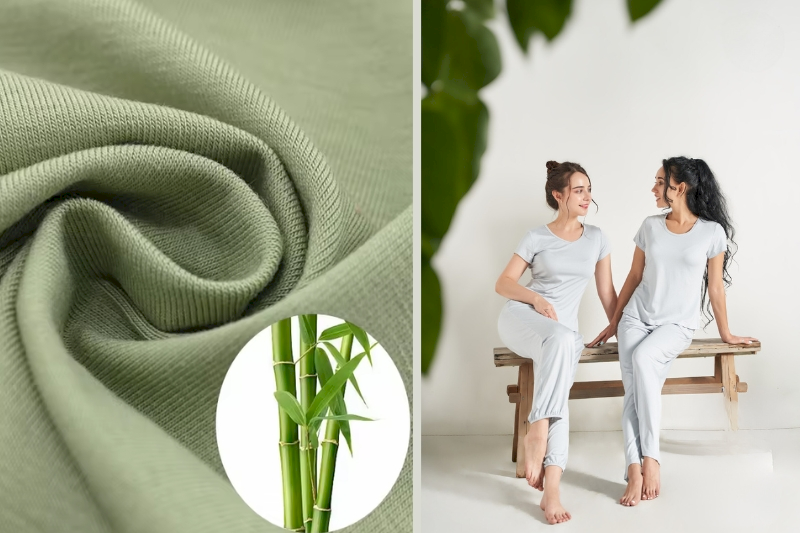
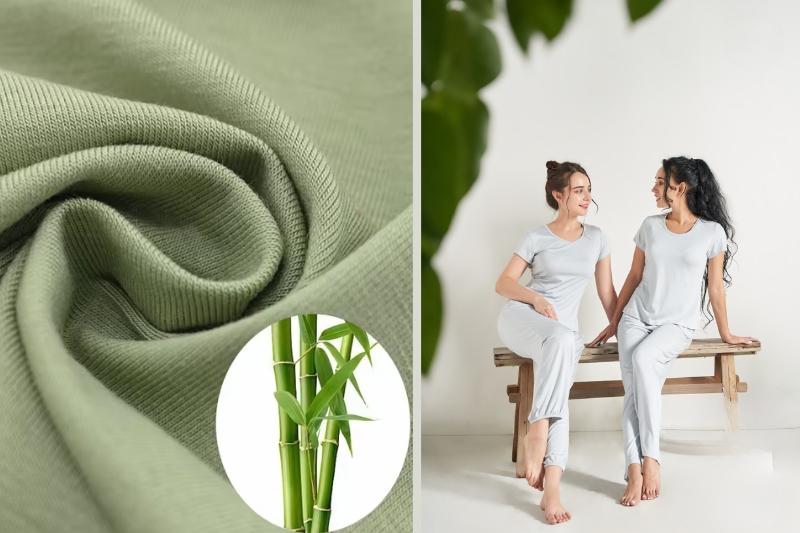
For durable and eco-friendly apparel, consider Thygesen Textile Vietnam – Your Trusted Bamboo T-shirt Manufacturer, known for its sustainable material expertise.
Additionally, we apply LEAN manufacturing principles throughout our production cycle to reduce waste, conserve energy and materials, and continuously improve operational efficiency. Transparency is central to how we work, we maintain open, honest communication with our clients, keeping them informed at every stage of development and production.
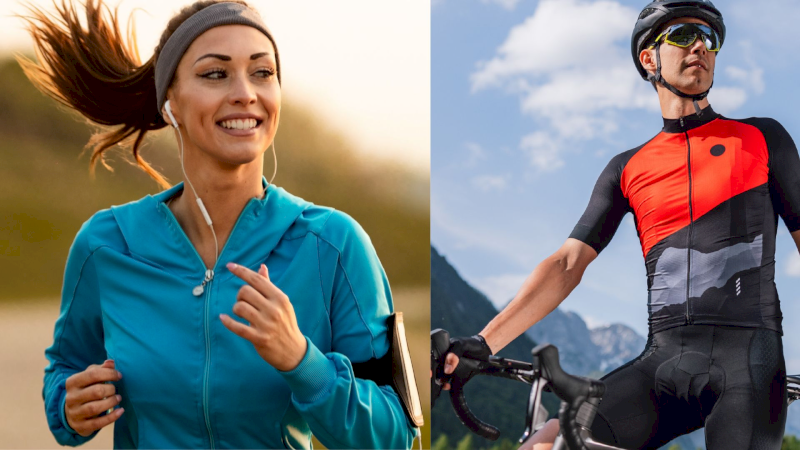
Thygesen offers specialized expertise as an athletic clothing manufacturer, adhering to strict international certifications for material sourcing and production processes. This ensures brands can confidently deliver high-performance, sustainable activewear to their discerning customers, aligning with ethical standards.
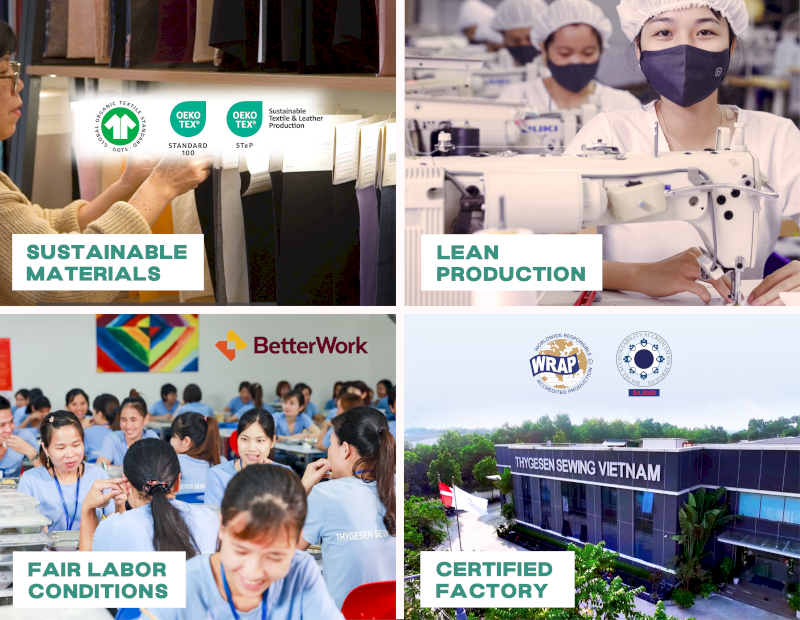
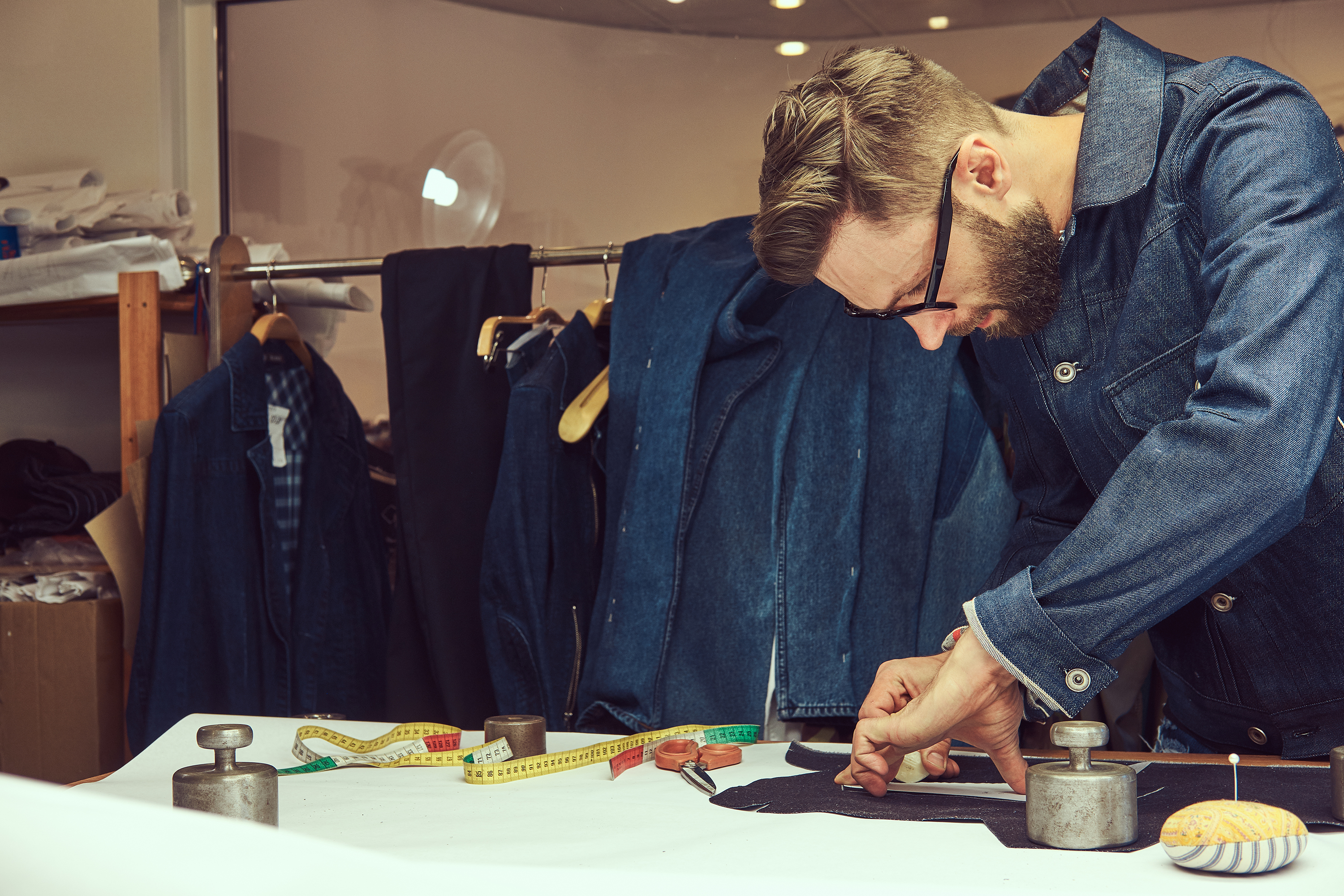
When seeking reliable cut and sew manufacturers committed to sustainable practices, Thygesen provides complete transparency throughout the production cycle. This dedication to ethical sourcing and responsible manufacturing processes helps brands mitigate supply chain risks while maintaining high quality standards.
3.2. Hung Long
Founded: 1996
Country: Vietnam
Product Lines: Specializing in Jacket, Coat, Trousers Manufacturing
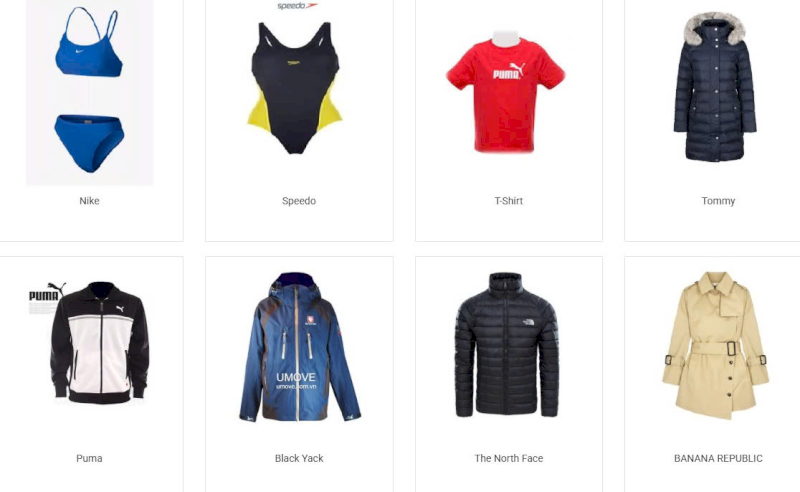
Featured Customer: Nike, Puma, The North Face, Speedo
Hung Long is a well-established Vietnamese clothing manufacturer, known for its strong production capacity and focus on ethical practices. With 29 production lines, over 2,600 skilled workers, and a factory area of 50,000 m², the company delivers more than 1 million units per month.
What sets Hung Long apart is its deep commitment to social compliance and sustainable manufacturing. The factory holds certifications from WRAP, BSCI, GSV, and Better Work, ensuring adherence to global standards on labor rights, safety, and environmental practices. The company places a strong emphasis on maintaining stable employment, offering fair working conditions, and continuously improving workforce welfare. With a long-term vision for growth and ethics, Hung Long positions itself as a trusted, forward-thinking manufacturing partner for global fashion brands.
Brands seeking specialized expertise in sleepwear can rely on a dedicated bamboo pajama manufacturer to combine comfort with sustainable production practices.
3.3. VIT Garment
Founded: 1991
Country: Vietnam
Product Lines: Specializing in Denim and Woven Clothing Manufacturing
Featured Customer: Wrangler, Lee, Edwin, Mossy, Sweet Camels, Tommy Hiffiger
VIT Garment is a trusted manufacturer specializing in denim, garment dyeing, and washing. With a stable team of over 1,300 skilled workers and experienced technicians, the factory delivers around 300,000 garments and over 1 million washed products per year, meeting high standards of quality and timely delivery.
To address environmental concerns, VIT Garment has invested heavily in a modern wastewater treatment system, ensuring responsible water management and compliance with sustainability goals.
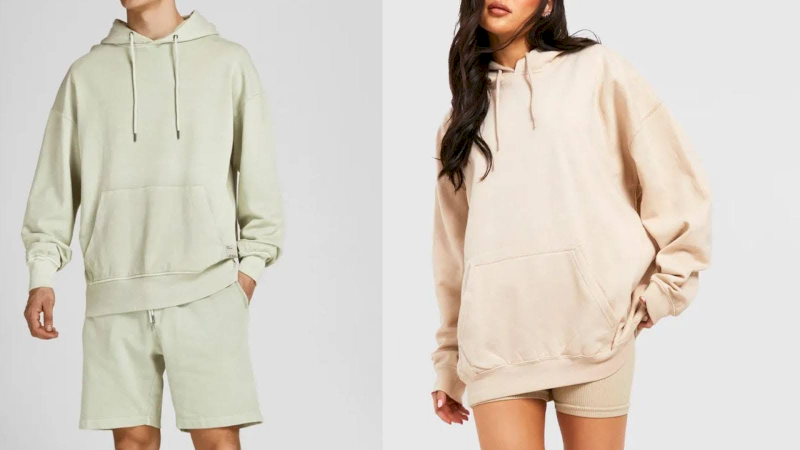
For brands looking to expand their ethical casualwear line, Thygesen stands as a capable hoodie manufacturer, offering flexible production capacity from startups to large corporations. Collaborating with Thygesen means gaining a long-term partner dedicated to delivering sustainable and high-quality apparel solutions tailored to specific brand requirements.
3.4 TCE Denim
Founded: 1956
Country: Korea and Vietnam
Product Lines: Specializing in Denim Clothing Manufacturing
Featured Customer: Wrangler, Lee, Edwin, Mossy, Sweet Camels, Tommy Hiffiger
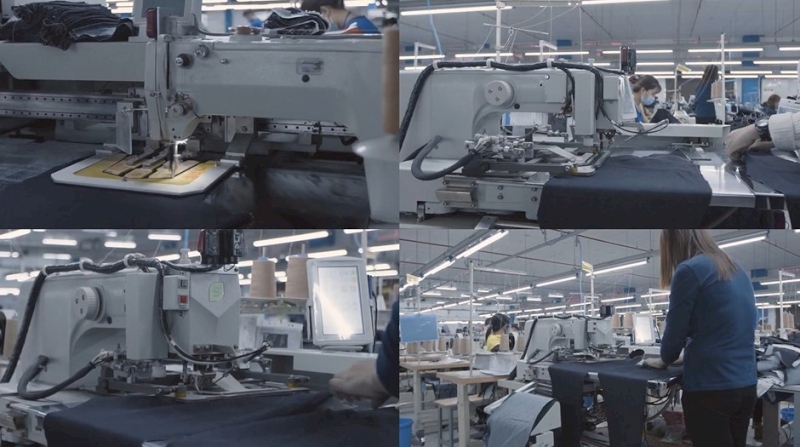
TCE Denim is one of Asia’s oldest and most established denim manufacturers, operating since 1956. Based in Southeast Asia, the company is known for its fully vertically integrated supply chain, from fabric production to garment washing, offering convenience and consistency to global clients. TCE places strong emphasis on quality, customization, and full sustainability across all operations, positioning itself as a trusted partner for premium denim solutions.
3.5. Pearl Global
Founded: 1987
Country: India
Product Lines: Specializing in Fashion and Sportswear Manufacturing
Featured Customer: Ralph Lauren, Kohl’s, Mango, American Eagle, Calvin Klein, Tommy Hilfiger
Pearl Global is one of India’s largest apparel manufacturing companies, with over 25 garment production facilities and more than 25,700 employees worldwide. Driven by a commitment to social, moral, and ethical responsibility, Pearl Global integrates sustainability into its operations. The company emphasizes transparency, fair labor practices, and social impact, aligning its business strategy with long-term ethical goals.
3.6. Square Fashions
Founded: 1997
Country: Bangladesh
Product Lines: Casualwear, Sportswear, Undergarments, Denim
Featured Customers: Puma, G-Star, M&S, Hugo Boss
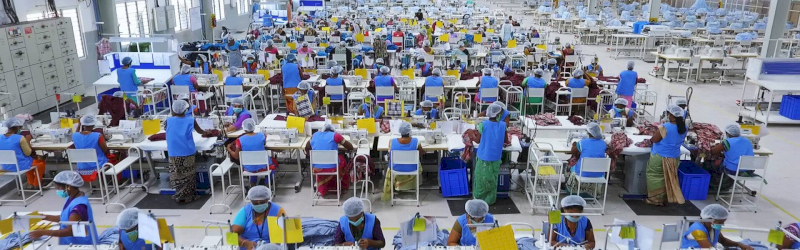
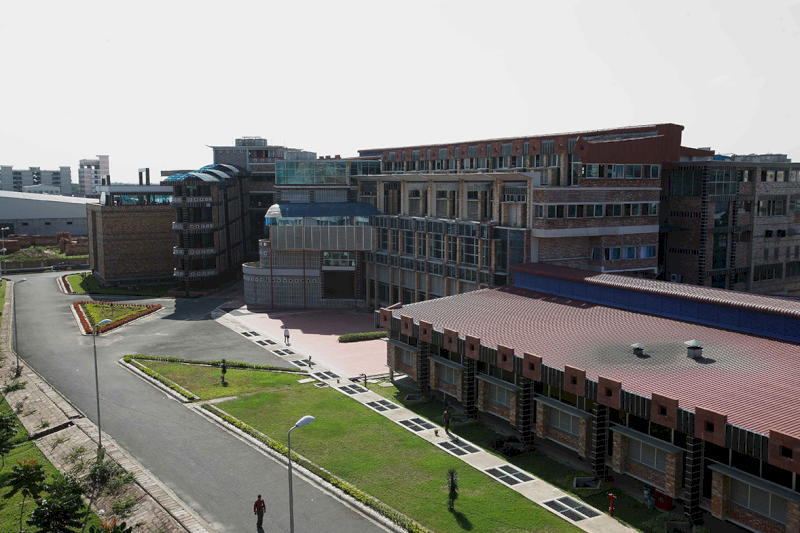
Square Fashions is a leading knitwear manufacturer known for its commitment to sustainability. The company operates a large-scale wastewater treatment system, reuses water and steam, and adopts energy-efficient solutions like LED lighting and servo motors. It also focuses on pollution control, green space development, and recycling of cotton waste, plastic, and paper. These efforts reflect its strong focus on responsible, eco-conscious production.
As a specialist legging manufacturer, Thygesen prioritizes advanced materials and innovative production techniques to ensure both performance and eco-friendliness. Explore how Thygesen supports brands in developing functional and sustainable leggings that meet the highest international safety and environmental standards.
3.7. Crystal Group
Founded: 1970
Country: Hong Kong
Product Lines: Sportswear, Casualwear, Underwear
Featured Customers: Nike, UNIQLO, A&F, GAP, Victoria’s Secret, H&M
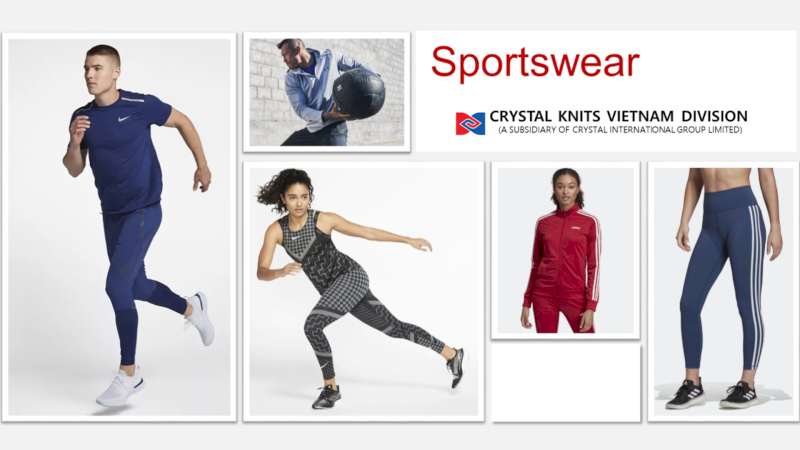
Crystal is one of the world’s largest apparel manufacturers, with 20 factories across five countries and around 80,000 employees. It produces over 470 million garments annually, covering denim, lifestyle wear, intimates, sportswear, and more. The company follows the philosophy “For The Greater Good,” prioritizing people, the planet, and responsible business. Its sustainability efforts focus on environment, innovation, product integrity, employee care, and community engagement.
3.8. Esquel Group
Founded: 1978
Country: Hong Kong
Product Lines: Activewear, Casualwear
Featured Customers: Nike, Li Ning, ANTA Sports, Fila, Giordano
Headquartered in Hong Kong with operations centered in China, Esquel Group is a vertically integrated textile and apparel manufacturer with over 40 years of experience. The company focuses on sustainable growth, innovation, and people-centric development across Asia and global markets.
Esquel is committed to responsible business, guided by its “eCulture” pillars: Ethics, Environment, Exploration, Excellence, and Education. It promotes ethical conduct, diversity, and mutual respect while aiming for net zero and positive industry change.
3.9. Essence Garment
Founded: 1978
Country: Hong Kong
Product Lines: Activewear, Casualwear
Featured Customers: Nike, Li Ning, ANTA Sports, Fila, Giordano
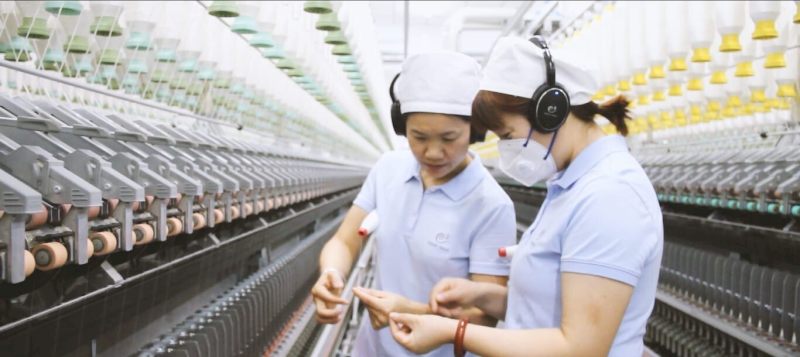
Essence Garment is a clothing manufacturer with over 20 years of experience in OEM/ODM garment production, serving global brands and retailers. The company operates professional production lines in China, Vietnam, and Bangladesh, offering stable, one‑stop manufacturing support for pajamas, nightwear, robes, onesies, and related apparel categories.
The company specializes in a wide range of products (with minimum order quantities typically around 100-300 pieces per style) such as pajamas, sleepwear, nightgowns, robes, baby and kids’ sleepwear, loungewear, and family matching sets, with eco‑friendly material options like bamboo, modal, Tencel, cotton, linen, and organic cotton. With customizable minimum order quantities.
3.10. Makalot
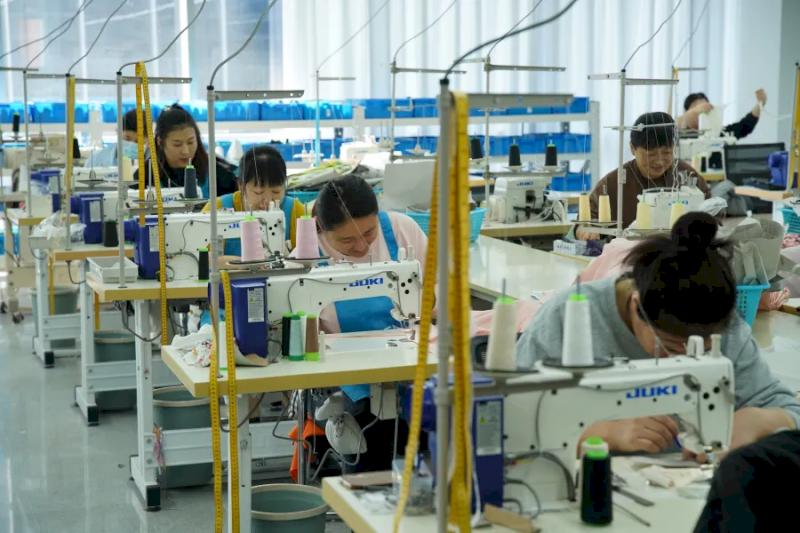
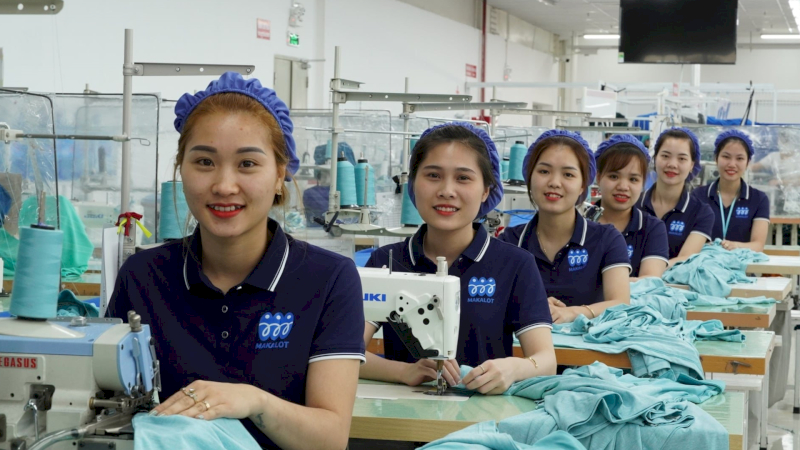
Makalot Industrial Co., Ltd. is a major apparel manufacturer and sourcing partner founded in 1984, headquartered in Taipei, Taiwan, with global operations spanning China, Southeast Asia, and the Americas. With decades of experience in garment production for international retail and fashion brands, Makalot has grown into a fully integrated manufacturing and supply chain solution provider with strong capabilities in design, development, and production across multiple clothing categories.
The company serves a wide range of product lines such as activewear, casualwear, outerwear, denim, intimate apparel, and performance clothing, with technical expertise in fabric performance, fit, and mass production scalability. Makalot also emphasizes ethical manufacturing and compliance, operating under internationally recognized standards and supporting brands with social compliance reporting and sustainable sourcing initiatives.
4. How to Identify Ethical And Sustainable Clothing Manufacturers?
Finding the right production partner isn’t just about quality and price, knowing how to identify ethical clothing manufacturers is key to building a responsible and sustainable brand.
4.1. Look for Key Certifications for Fabrics and Ethical Practices
When evaluating a clothing manufacturer, checking for key certifications should always be the first step. These eco-friendly certifications are issued by independent organizations after thorough inspections, covering not only factory working conditions but also fabric quality and environmental practices.
Certified factories must go through regular audits, ensuring workers are treated fairly, workplace conditions are safe, and fabrics meet chemical safety and sustainability requirements.
Some of the most widely recognized certifications include:
- GOTS (Global Organic Textile Standard): Organic materials and eco-friendly processing.
- OEKO-TEX Standard 100: Fabrics free from harmful chemicals.
- GRS (Global Recycled Standard): Verification of recycled content and responsible production.
- OCS (Organic Content Standard): Verification of organic material content in products.
- WRAP (Worldwide Responsible Accredited Production): Lawful, humane, and ethical production.
- SA8000: Focused on social accountability and workplace conditions.
- GSV (Global Security Verification): Ensures supply chain security and compliance.
- BSCI (Business Social Compliance Initiative): Labor rights and workplace safety.
4.2. Factory Transparency and Open Communication
Transparency isn’t just about sharing factory addresses or posting certifications online, it also shows through how a manufacturer communicates during the process. From the first inquiry to discussing product development, pricing, lead times, and production details, ethical manufacturers are clear, honest, and responsive.
If a supplier answers questions openly, provides realistic timelines, quotations transparently, and doesn’t avoid sensitive topics like compliance or minimum order quantities, that’s a positive sign. On the other hand, vague answers, delays in communication, or promises that seem “too good to be true” could signal hidden issues.
Real transparency means both sides can have open discussions about expectations, limitations, and solutions from the very beginning not just after problems arise.
4.3. Visit the Factory or Request a Virtual Tour
Whenever possible, visiting the factory in person is one of the most direct ways to verify ethical standards. A physical visit allows brands to see the actual working environment, check safety measures, and observe how workers are treated on the production floor, things that cannot be fully assessed through paperwork alone.
If traveling isn’t an option, requesting a virtual factory tour is a practical alternative. Many ethical manufacturers are willing to share videos, live calls, or updated factory photos showing their facilities, machinery, and workplace conditions. This level of openness helps confirm whether what’s written in certifications or emails reflects the reality on the ground.
In conclusion, Choosing an ethical clothing manufacturer is key to building a responsible and sustainable brand. Certifications, transparent communication, fair labor conditions, and environmental responsibility are all important factors to consider. At Thygesen Textile Vietnam, these values are at the core of how we work. For collaboration, visit thygesenapparel.com or contact us at sale@thygesen.com.vn.