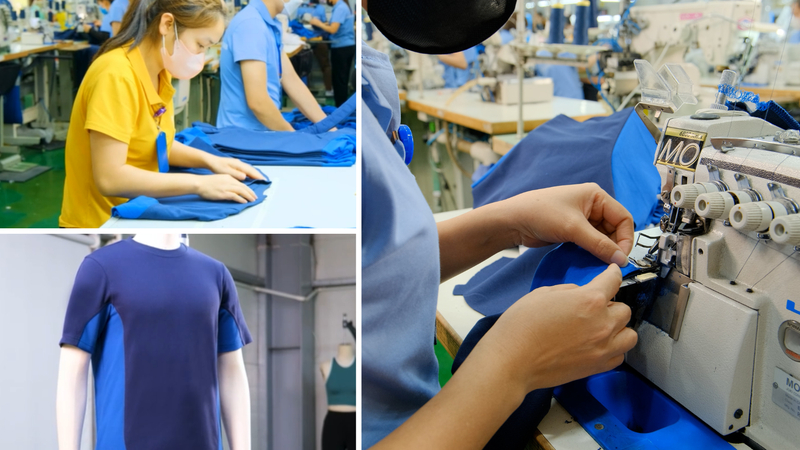
For global brands exploring how to find a manufacturer for clothing overseas, the process can be challenging without the right guidance. This quick guide helps you navigate the sourcing journey effectively, highlighting what to look for in a reliable apparel manufacturer and how to avoid the most common mistakes when choosing an international manufacturing partner.

1. Why Choosing the Right Clothing Manufacturer Matters
Choosing the right clothing manufacturer is one of the most critical decisions a brand can make because it affects far more than just who produces your garments. The right partner shapes your product, your operations, your overall cost, and ultimately your reputation in the market.
- Product quality & consistency: Quality is the foundation of any successful brand, but true quality goes beyond a single good batch, it’s about consistency over time. Only a manufacturer who can maintain high standards across every order can protect your brand reputation and ensure customer trust in the long run. Choosing the right partner means your products always reflect the values and quality your brand promises.
- Total production cost: The real cost of clothing production is much more than the numbers on a quote. Hidden factors such as quality issues, production delays, complex logistics, inconsistent suppliers, compliance risks, and extra reworks can quietly inflate your expenses. Partnering with the right manufacturer helps cover all these risks, keeping your production efficient, predictable, and cost-effective.
- Operational efficiency and peace of mind: A mismatched production partner can consume enormous time and energy, leaving you less bandwidth for marketing, team management, and overall business growth. The right manufacturer reduces this burden, allowing you to focus on growing your brand rather than constantly firefighting production problems.
- Long-term partnership over lowest price: Choosing the right manufacturer is a long-term strategic decision. The cheapest option may seem appealing in the short term, but the true value comes from trust, reliability, and accountability when challenges arise. A strong, responsible partner supports your growth and protects your brand over time, beyond just the immediate cost per unit.
Read more:
Essential Guide How To Work With Clothing Manufacturer
How to find clothing manufacturers in Vietnam
2. Key Steps When Searching for a Clothing Manufacturer
Here are the essential steps every brand should follow when searching for a reliable clothing manufacturer.
2.1. Pre-Sourcing Preparation
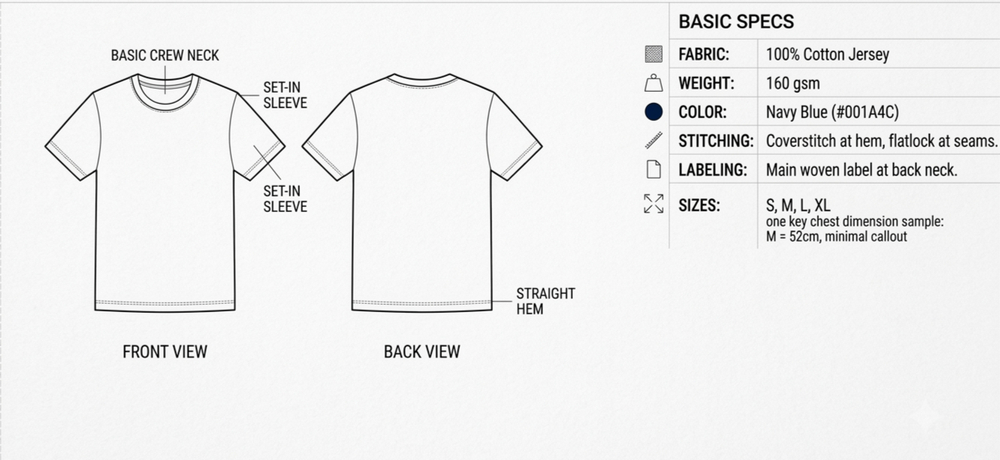
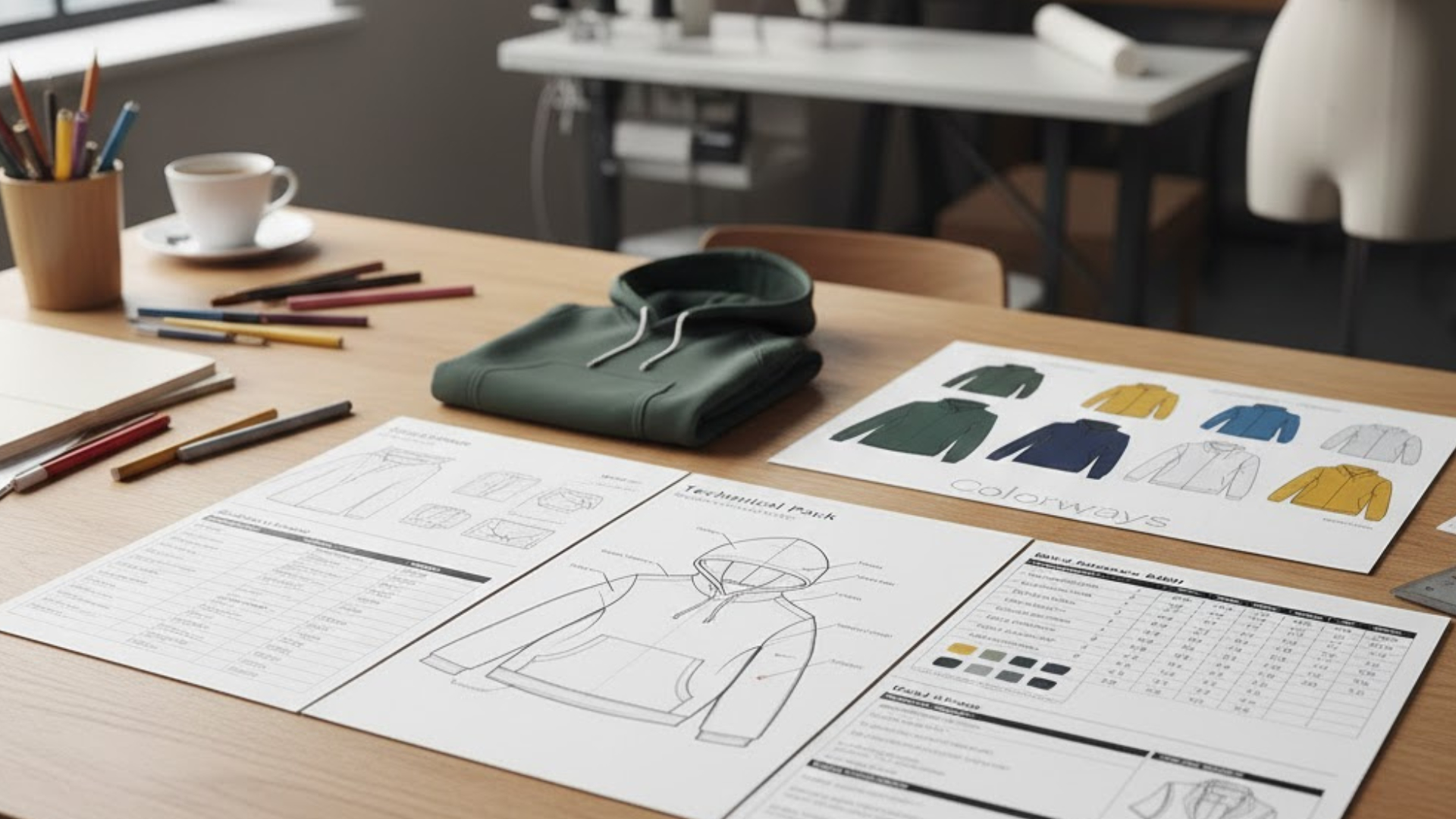
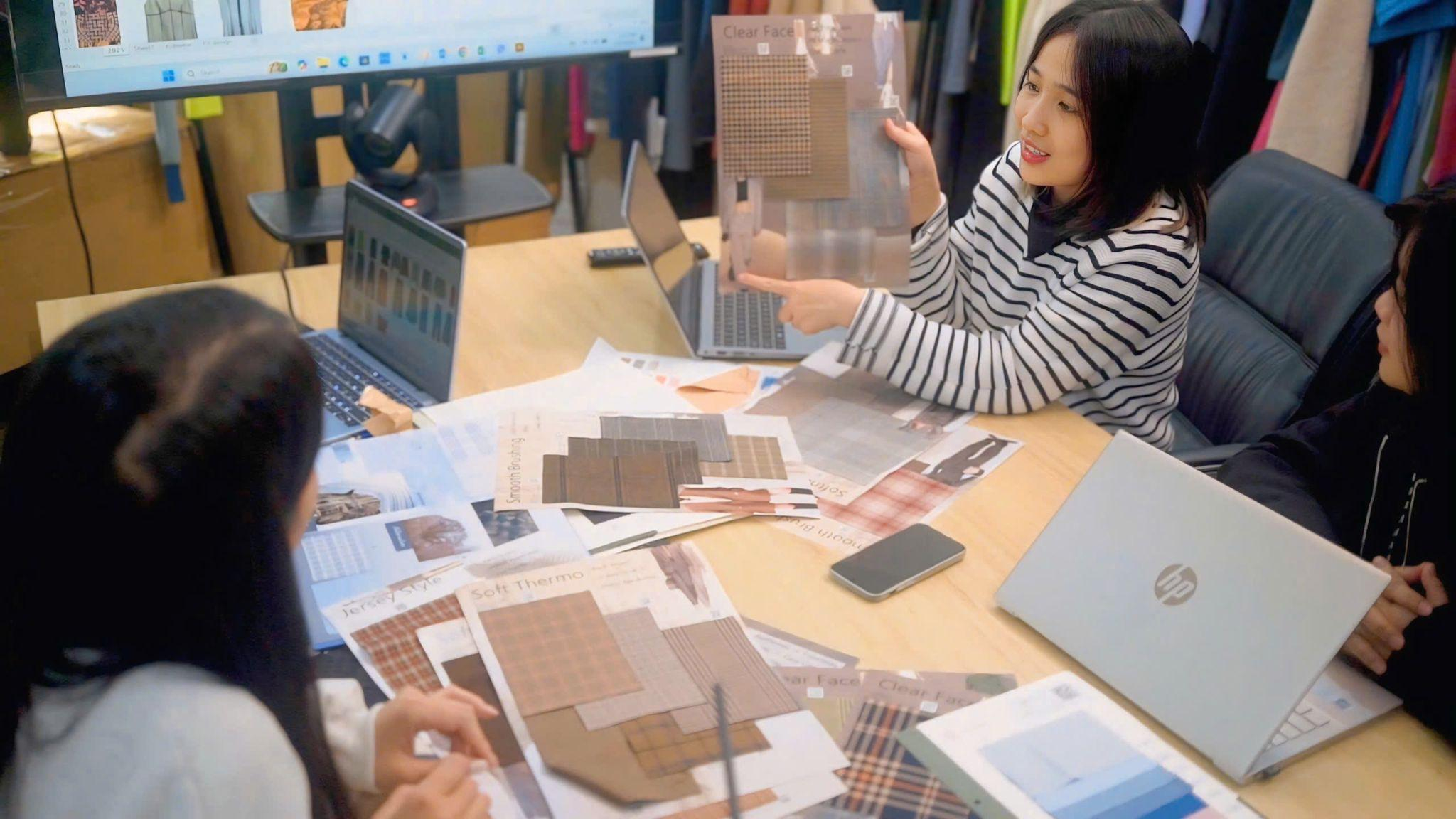
Before contacting any manufacturer, it’s important for brands to spend time preparing and clarifying their needs. This means defining the product categories, expected quality standards, and production budget upfront. Having a tech pack, even a basic one with sketches, measurements, materials, and construction notes, can make communication much smoother.
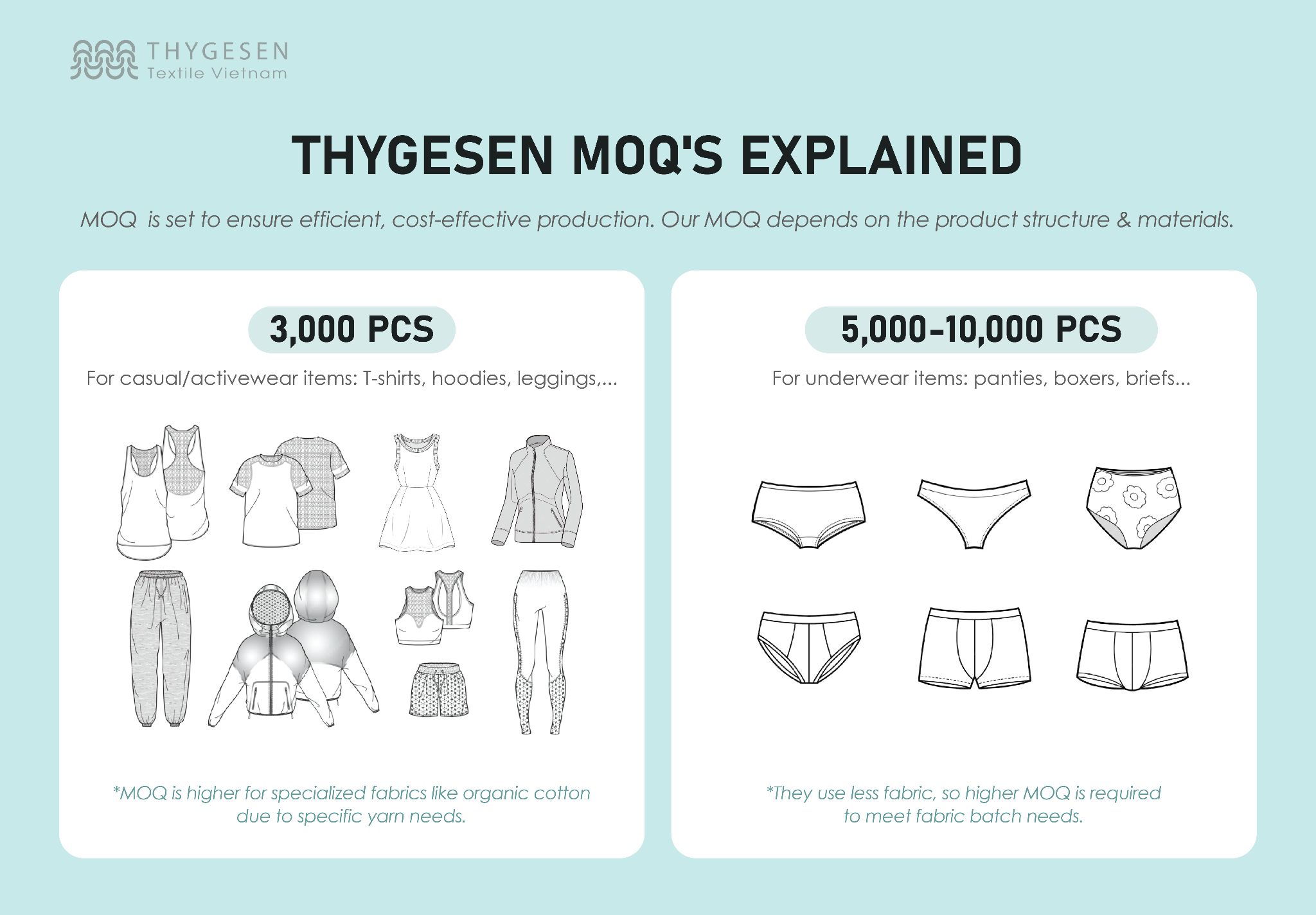
Brands should also set clear expectations around production requirements such as MOQ, lead times, and fabric or trim preferences. It’s helpful to decide early what matters most, whether it’s cost efficiency, sustainability, or premium craftsmanship. Doing this groundwork lays the foundation for a successful partnership and helps prevent misunderstandings before production even begins.
2.2. Sourcing & Screening Manufacturers
Once preparation is complete, the next stage is to identify potential manufacturers and evaluate whether they can meet your brand’s needs. Sourcing can be done through online channels such as manufacturer directories, platforms like Alibaba or Global Sources, and industry groups on LinkedIn, as well as offline channels like trade fairs, networking events, or direct factory visits.
During this stage, brands should assess whether a manufacturer’s experience aligns with the product category and whether their MOQ structure fits the brand’s scale. Other important factors include certifications, available machinery, sample quality, previous production experience, and responsiveness. A reliable manufacturer is transparent about their capabilities, limitations, pricing, and lead times.
Direct contact with manufacturers or their representatives allows brands to clarify requirements, ask detailed questions, and evaluate potential collaboration. Key points to consider include:
- Qualified representatives: Ensure the contact has sufficient expertise and holds a position that can make decisions regarding production.
- Effective communication: Manufacturers should communicate clearly in English or other buyer languages (Chinese, Japanese, Korean, etc.), offer convenient multi-channel contact options (Email, WhatsApp, Video Call), respond promptly, and provide information in a polite, thorough, and transparent manner.
- Clear working processes: The manufacturer should demonstrate structured, efficient workflows and a professional approach to handling orders, samples, and problem-solving.
This stage is critical for shortlisting manufacturers who are capable, reliable, and aligned with your brand values, reducing risk and setting the stage for smooth sample development and negotiation in the next step.
2.3. Pricing, Negotiation and Sample Development
Once you have shortlisted potential manufacturers, the next stage focuses on detailed pricing, negotiation, and sample development to ensure alignment before full production.
- Requesting quotes and reviewing costing: Brands should request detailed quotes based on requirements. Communication can take place via email, phone calls, or meetings to clarify requirements, discuss pricing, and negotiate terms. Comparing multiple offers allows brands to identify the best value and potential trade-offs between cost, quality, and lead time.
- Sample development and evaluation: Manufacturers should develop material and garment samples according to brand specifications. Brands should request proper documentation of materials and development data, provide feedback for improvements across multiple sample rounds, and compare results from different manufacturers. This step ensures that the final product meets quality standards while balancing cost considerations.
- Factory visits and senior involvement: Visiting the factory, ideally with senior staff from the brand, allows for direct dialogue about payment terms, production processes, quality control, shipping, insurance, and risk sharing. This is also an opportunity to evaluate the manufacturer’s problem-solving capabilities, flexibility, and experience with similar projects.
- Decision-making: Final manufacturer selection should be based on a combination of quantitative and qualitative criteria, including product quality, pricing, customer service culture, reliability, sustainability and social responsibility commitments, and alignment with the brand’s long-term goals. After this assessment, brands can conduct a formal factory evaluation, draft purchase orders, and finalize negotiations on production and quality standards.
3. Criteria to Prioritize When Choosing a Manufacturer
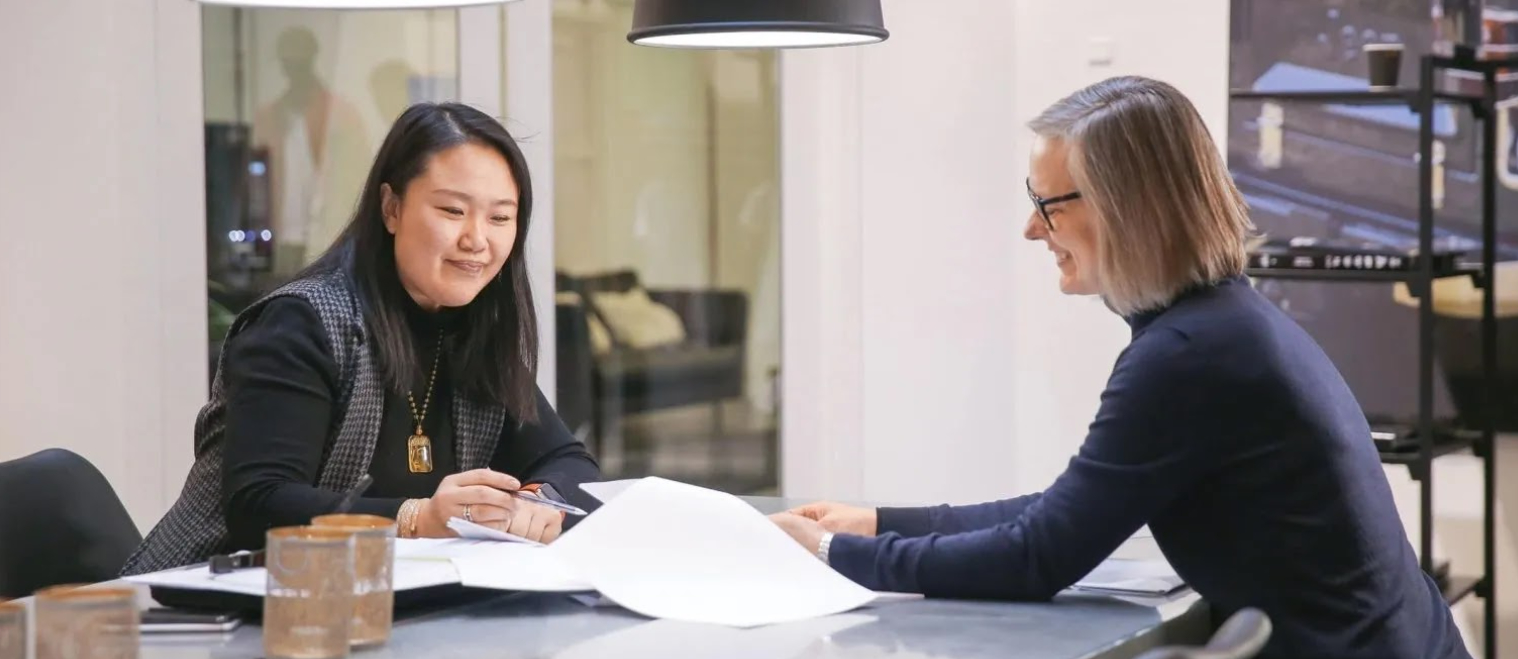
When evaluating potential manufacturers, brands should carefully consider the following criteria:
- Experience, MOQ, and production capacity: A manufacturer’s previous experience producing your type of product is critical. Factories familiar with your product category can anticipate common challenges, suggest improvements, and avoid costly mistakes. At the same time, the minimum order quantity (MOQ) and production capacity must align with your brand’s current needs and growth plans. Choosing a factory that is either too small or inexperienced may result in delays, higher costs, or inconsistent quality.
- Quality control processes: True quality is not judged by a single sample but by consistency across every production run. Evaluate the manufacturer’s QC procedures carefully: how they monitor each step, detect defects, and enforce standards. A robust QC system ensures that garments meet your specifications repeatedly, protecting your brand reputation and building trust with your customers.
- Sustainability and ethical practices: Modern brands must consider environmental and social responsibility. A manufacturer with sustainability certifications such as WRAP or SA8000 is a positive signal, but brands should go further whenever possible. Conducting on-site visits or audits allows you to verify practices such as ethical labor, waste management, and responsible sourcing. This step reduces risk and ensures that your brand’s values are reflected in every product.
- Problem-solving and responsiveness: Production issues are inevitable, but the way a manufacturer responds reveals their professionalism and reliability. Observing how they handle minor issues during sample development, material sourcing, or pre-production stages provides insight into how they will manage larger challenges. A proactive, solution-oriented partner can save time, reduce waste, and prevent potential delays in the future.
- Long-term partnership mindset: Beyond technical capabilities, a manufacturer’s attitude and approach are crucial. Look for partners who are transparent, honest, and willing to collaborate. Building a long-term relationship enables continuous improvement, faster problem-solving, and innovation, and ensures both parties share responsibility for meeting deadlines and quality targets.
4. Common Mistakes to Avoid When Choosing a Manufacturer
By being aware of these common mistakes and addressing them proactively, brands can build trustworthy, reliable, and long-term manufacturing partnerships, ensuring products meet quality standards, delivery timelines, and sustainability goals.
- Choosing based on price alone: Focusing solely on the lowest cost may seem appealing in the short term, but it often leads to hidden costs such as quality defects, production delays, or poor customer service. True value lies in a balance of cost, reliability, consistency, and ethical standards. A slightly higher unit price with a dependable manufacturer can save time, money, and brand reputation in the long run.
- Assuming a good sample guarantees flawless bulk production: A single high-quality sample does not automatically reflect how the factory will perform at scale. Differences in materials, equipment, or labor skills can cause defects, inconsistencies, or delays during mass production. It’s essential to verify the manufacturer’s quality control processes and request multiple pre-production samples when possible.
- Not reviewing contracts and payment terms carefully: Ambiguous or incomplete agreements can create misunderstandings about production schedules, payment schedules, responsibilities, or liability. Carefully reviewing contracts ensures clarity on lead times, payment milestones, intellectual property, and penalties for delays or defects, protecting both parties.
- Neglecting NDA and IP protection: Sharing designs, patterns, or technical specifications without a non-disclosure agreement (NDA) or proper intellectual property protections can put your brand at risk of copying or misuse.
- Ignoring manufacturer certifications and compliance: Certifications in labor practices, safety, and sustainability provide assurance that the factory operates responsibly. Skipping this step can expose your brand to regulatory risks, reputational damage, or non-compliance with international standards. Whenever possible, conduct factory audits or request supporting documentation to verify certifications.
- Underestimating communication and cultural differences: Language barriers, time zones, and cultural differences can affect clarity, responsiveness, and expectations. Poor communication often leads to misunderstandings, errors in production, or missed deadlines. Ensure that manufacturers can communicate effectively in your preferred language, are responsive, and understand your brand’s requirements.
- Failing to plan for shipping, logistics, and import duties: Delays, customs issues, and unexpected fees can significantly impact lead times and overall costs. Brands should work with manufacturers who understand international shipping, customs procedures, and documentation requirements, and plan accordingly to avoid surprises that can disrupt the supply chain.
5. TOP 5 clothing manufacturers in Vietnam
Vietnam has become a hub for global apparel production, combining quality, efficiency, and competitive costs. Here are the top 5 clothing manufacturers in Vietnam that fashion brands can consider for reliable, high-quality production.
5.1. Thygesen Textile Vietnam
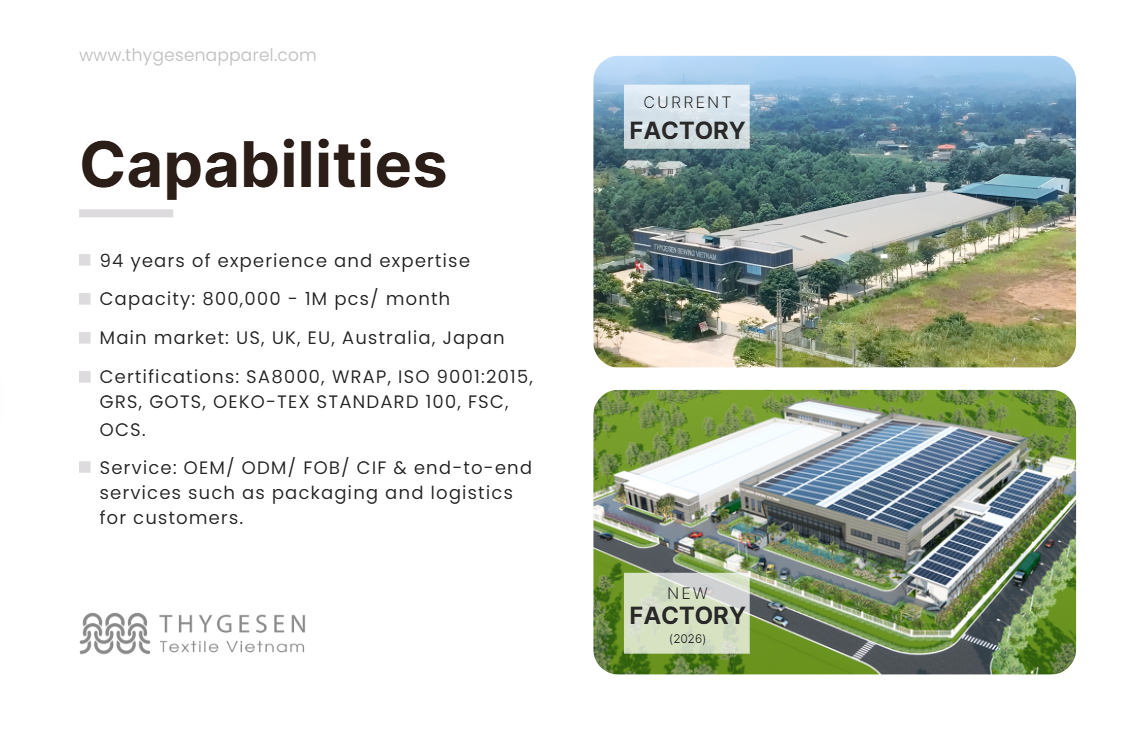
Founded: 1931 Headquarters: 9th Floor, Vinafor Building, 127 Lo Duc Street, Hanoi, Vietnam Product Lines: Activewear, Underwear, Casualwear, Kidswear, Workwear, Uniform Featured Customers: Tommy Hilfiger, DKNY, Calvin Klein, Fjällräven, Girlfriend Collective, Ninepine, and Boody. Certifications: SA8000, WRAP, ISO 9001:2015, GRS, GOTS, OEKO-TEX STANDARD 100, FSC, and OCS standards. Website: https://thygesenapparel.com/ Email: sale@thygesen.com.vn |
Thygesen Textile Vietnam is a leading ethical apparel manufacturer, recognized for high-quality production, sustainability, and full-package OEM/ODM services for international brands. We partner with clients across key markets, including the USA, EU, Australia, and Japan.
What sets Thygesen apart is our specialization in end-to-end full-package production, covering everything from design consultation and material sourcing to bulk production and shipping. All products are manufactured in our SA8000 and WRAP-certified factory with premium quality, meeting prestigious international certifications such as ISO 9001:2015, GRS, GOTS, OEKO-TEX STANDARD 100, OEKO-TEX STeP, FSC, and OCS.
Our approach goes beyond production: we are committed to ethical manufacturing, honest partnerships, transparency at every stage, and truthfulness in everything we do. Profit is important, but doing what is right always comes first. This guiding principle shapes our decisions, fosters trust with our partners, and defines the legacy we aim to create.
With full-package OEM/ODM capabilities and experience across activewear, casualwear, and performance apparel, Thygesen Textile Vietnam is a reliable production partner for brands seeking an athletic clothing manufacturer, hoodie manufacturer, or legging manufacturer. Explore our apparel manufacturing capabilities to discover the product categories, customization options, and end-to-end services available for your next collection.
5.2. Nha Be Garment Corporation
Founded in 1973, NBC is a pioneering force in Vietnam’s fashion industry, known for its expertise in high-quality garment production and innovative manufacturing technologies. With decades of experience, NBC has built a strong reputation for reliability, flexibility, and ethical practices, serving both domestic and international markets.
NBC specializes in a wide range of apparel, including men’s and women’s tailored suits, casual wear, children’s wear, activewear, outerwear, corporate identity apparel, and workwear. The company offers full-package production, from product development and fabric sourcing to bulk manufacturing, quality control, and delivery, supported by advanced machinery, skilled workforce, and strict adherence to ethical and sustainability standards.
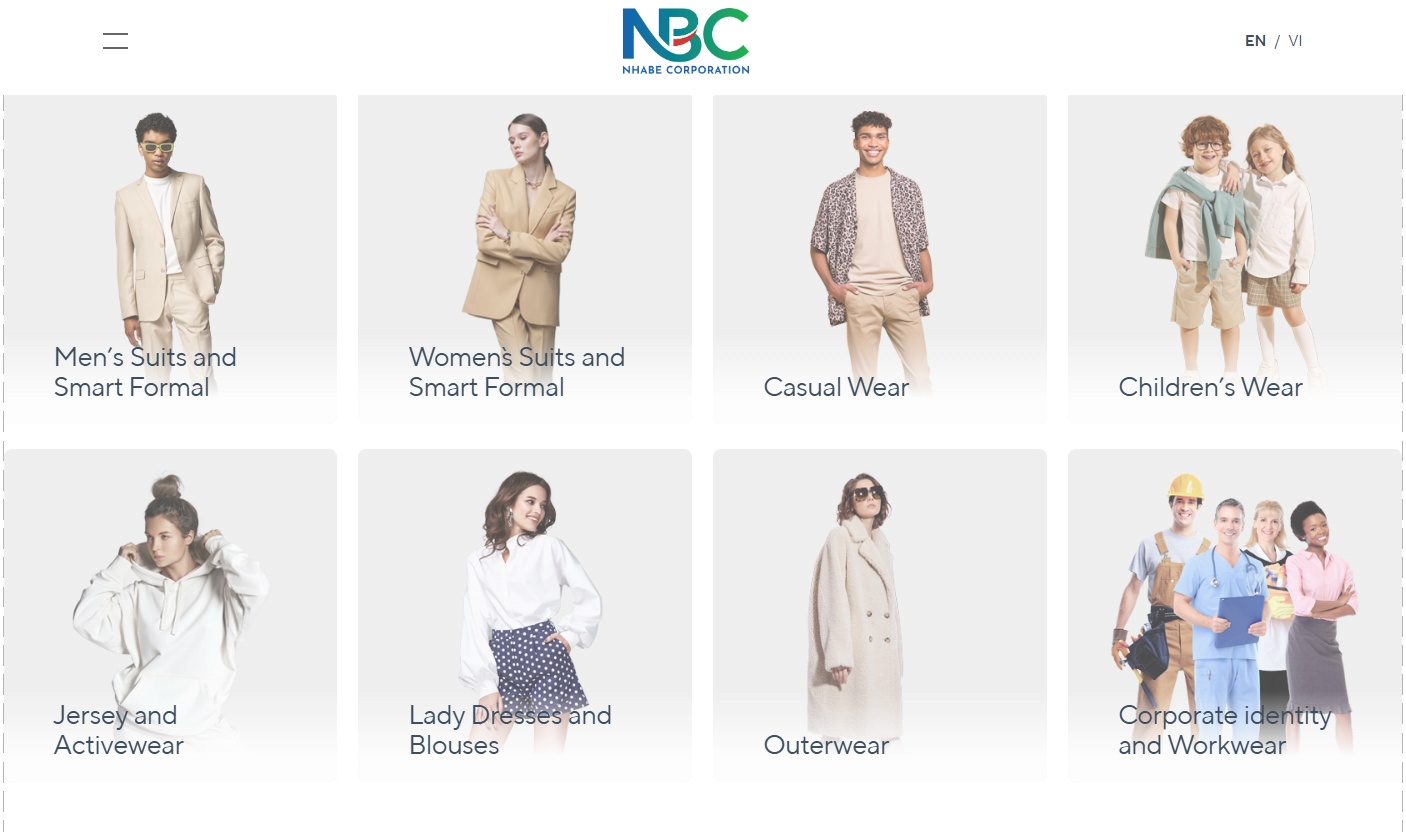
With its broad apparel capabilities and full-package production services, NBC is a strong example of Vietnam’s manufacturing expertise. To explore more options, read our list of reliable cut and sew manufacturer partners and compare their services, capabilities, and production strengths.
5.3. TLD Apparel
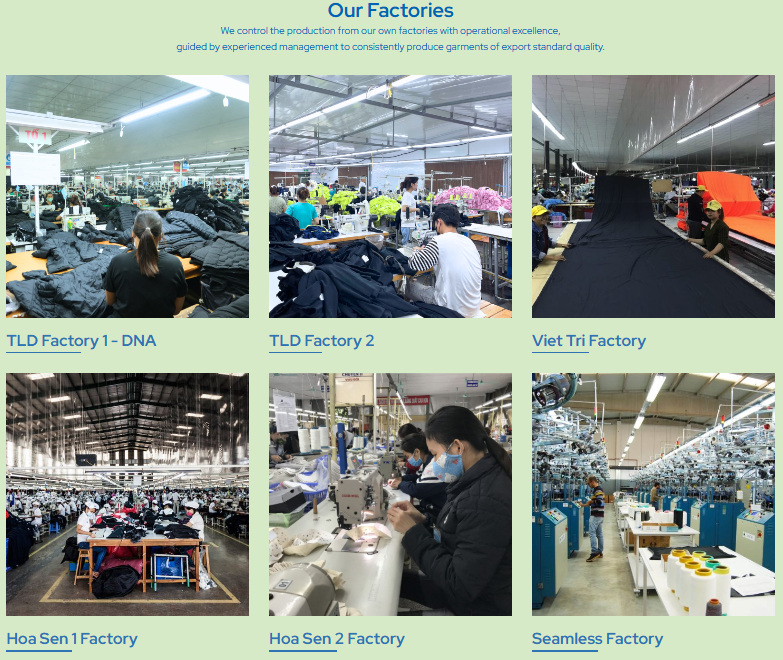
TLD Apparel, founded in 2016 and part of TLD Vietnam JSC, is a full-service private-label clothing manufacturer in Vietnam. They serve a global client base including Europe, North America, Australia, and the Middle East. With two modern factories in Hoa Binh and Bac Ninh, along with a network of trusted subcontractors, TLD Apparel can scale production to meet diverse client needs.
TLD Apparel offers a wide range of manufacturing services, including CMT, CMPT, OEM, and ODM, providing a one-stop solution from product development to bulk production. Their product portfolio includes sportswear, casualwear, outerwear, uniforms, workwear, and more.
For businesses exploring how to find a private label clothing manufacturers, understanding the capabilities of companies like TLD Apparel is crucial for scaling production effectively.
5.4. TCE Denim
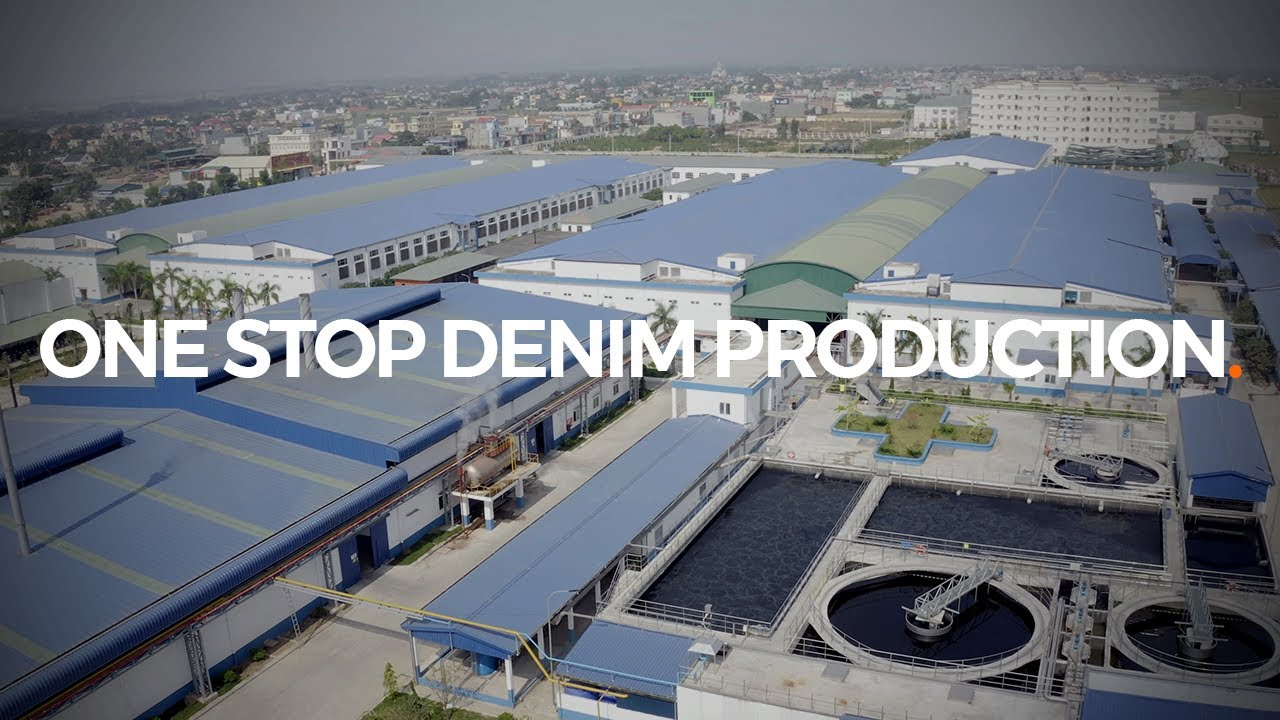
TCE Denim, part of TCE Corporation (South Korea), is one of the most established denim manufacturers in Asia, founded in 1956. Their Vietnam facility, TCE Vina Denim, provides integrated denim manufacturing from fabric production to finished garments, serving global clients with reliability and quality.
TCE Denim specializes in denim fabrics and garments across multiple lines, including jeans, jackets, shorts, skirts, and casual denim wear. They offer full-package services, ensuring consistent quality, scalable production, and the ability to meet diverse brand requirements.
5.5. Hung Long Company
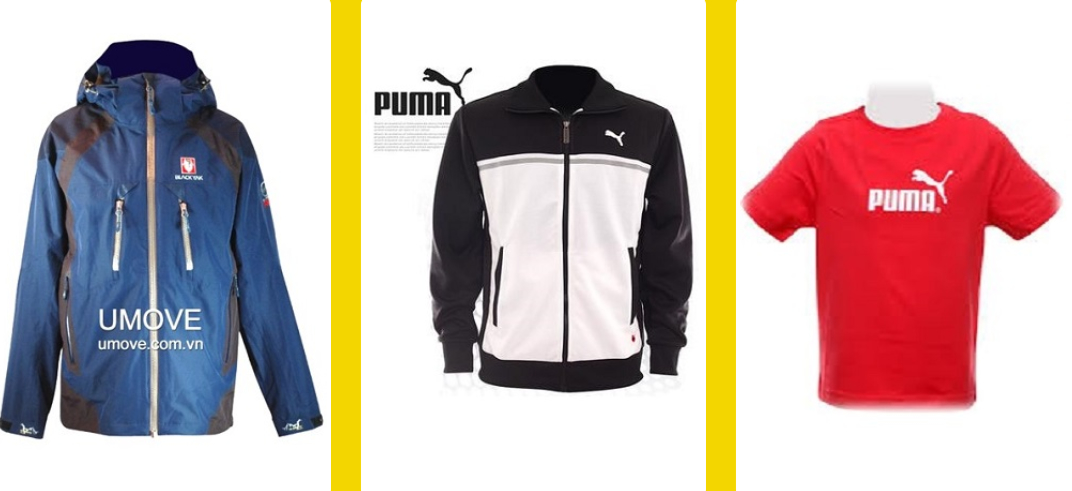
Hung Long Garment Company, based in Hung Yen, Vietnam, is an experienced apparel manufacturer specializing in export-oriented production. Hung Long produces a wide range of woven garments, including jackets, trousers, and casual apparel.
The company emphasizes high-volume production capacity, consistent quality, and reliable delivery, making it a trusted partner for international brands.such as Puma, Speedo, The North Face, Nike, and Gap etc., providing solutions for both large-scale and niche apparel needs.
In conclusion, finding the right clothing manufacturer is essential for global brands seeking high-quality, reliable, and ethical production. By carefully preparing, screening manufacturers, and prioritizing key criteria such as experience, quality control, sustainability, and long-term collaboration, brands can avoid common pitfalls and ensure smooth, cost-effective production.
To learn more about how Thygesen Textile Vietnam can support your brand with trusted full-package manufacturing solutions, visit Thygesen Textile Vietnam or reach out to us at sale@thygesen.com.vn.