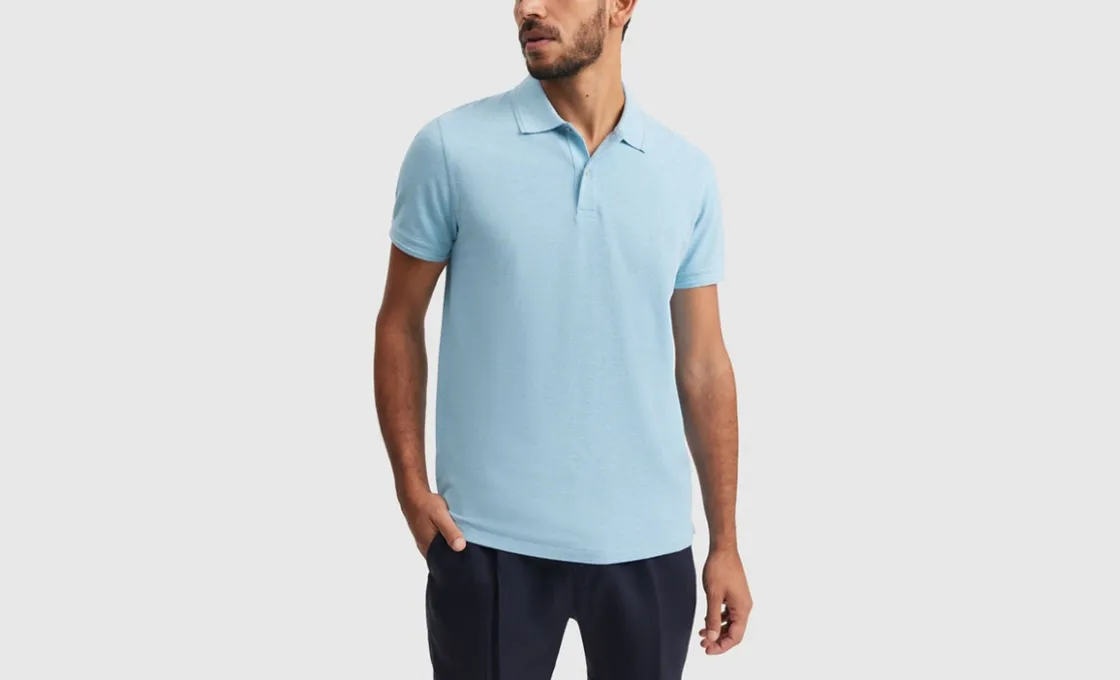
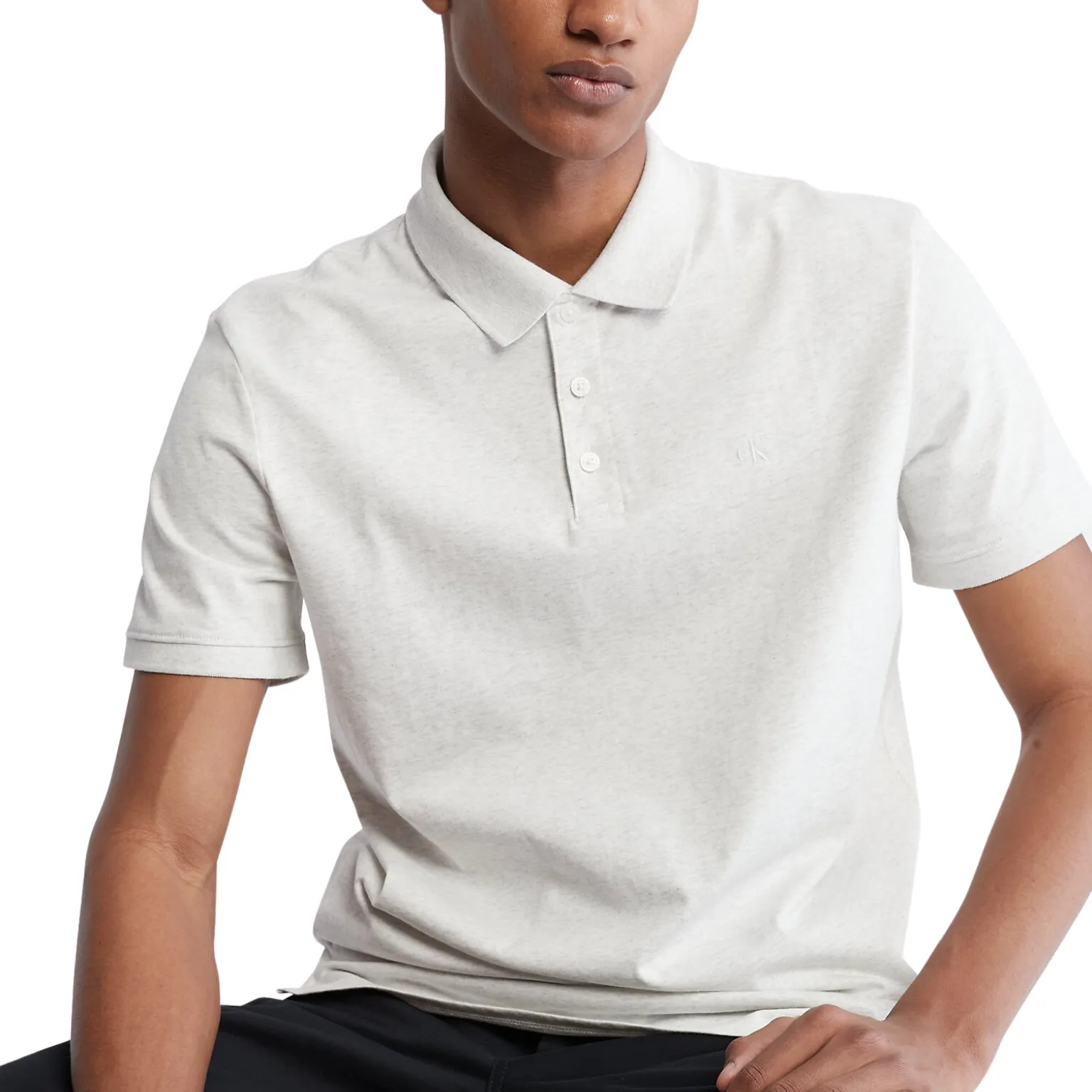
From everyday cotton sets to premium silk and bamboo sleepwear, pajamas today are designed to meet a wide range of comfort, climate, and lifestyle needs. As consumer demand shifts toward softer, more functional, and more sustainable materials, pajama collections have become increasingly diverse in both style and fabric innovation. This guide highlights the most popular types of pajamas, commonly used materials, and key factors brands should consider when developing sleepwear at scale.
Brands looking to bring their own sleepwear line to production can explore Thygesen’s custom pajamas manufacturing capabilities, covering a full range of styles from classic cotton sets to premium modal and bamboo designs with full OEM/ODM support.
1. Popular Types of Pajamas
Pajamas today come in a wide variety of styles designed to suit different comfort needs, lifestyles, and seasonal conditions. Below are the most popular types of pajamas in modern sleepwear collections.
1.1. Two-Piece Pajama Sets
Two-piece pajama sets typically include a matching top and bottom, offering a coordinated and balanced sleepwear look. This style is one of the most classic and widely used options in pajama collections due to its versatility and ease of wear.
They are suitable for everyday sleepwear as well as lounging at home, and are commonly made from cotton, modal, or jersey fabrics. Two-piece sets appeal to a broad consumer base because they combine comfort, practicality, and a neat, put-together appearance.
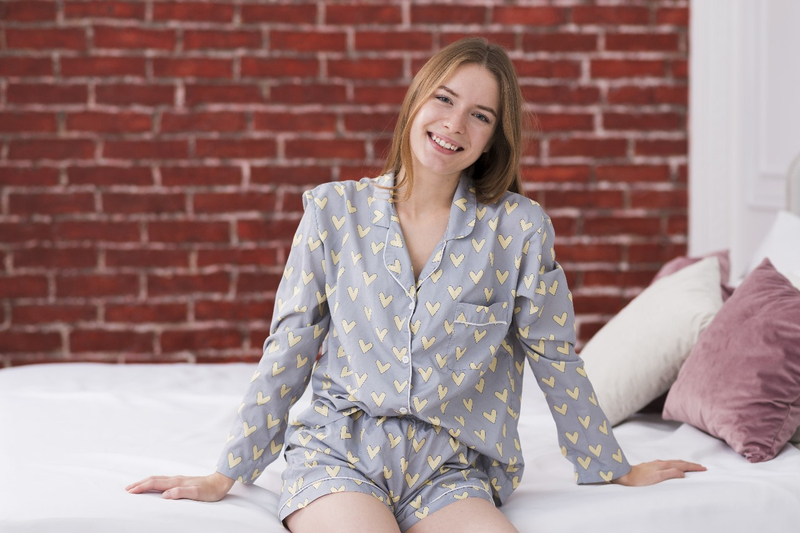
1.2. Pajama Shorts Sets
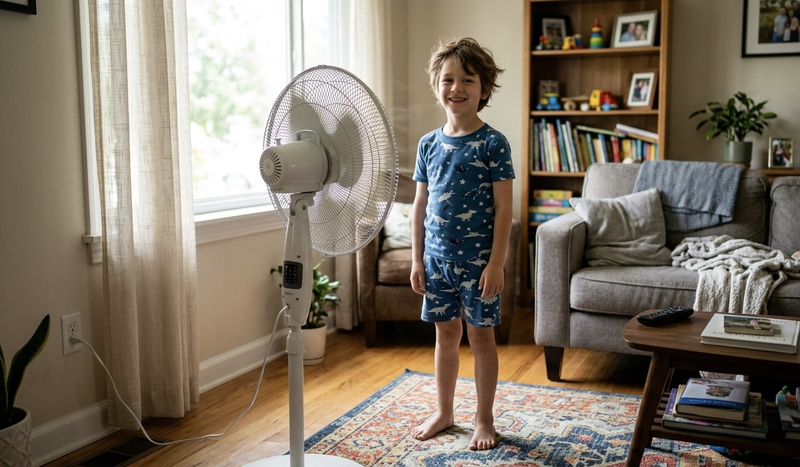
Pajama shorts sets consist of a short-sleeve or sleeveless top paired with lightweight shorts, designed for warm-weather comfort. This style focuses on breathability and ease of movement.
They are ideal for summer sleepwear, tropical climates, and hot sleepers. Common fabrics include cotton, bamboo, and modal blends, making them a popular choice for consumers seeking cool and comfortable nighttime wear.

1.3. Nightgowns & Sleepshirts
Nightgowns and sleepshirts are one-piece sleepwear styles designed for loose, flowing comfort. They provide a relaxed silhouette that allows unrestricted movement during sleep.
These styles are often chosen for home wear and sleepwear collections that prioritize softness and ease. They are commonly made from cotton, modal, or lightweight jersey fabrics for maximum comfort.

1.4. Flannel Pajamas
Flannel pajamas are made from brushed cotton fabric designed to provide warmth and insulation. They are especially popular in colder seasons due to their soft, cozy texture.
This type of pajama is ideal for winter sleepwear collections and cold-climate markets. Flannel is often used in both two-piece sets and full pajama suits to enhance warmth and comfort.
1.5. Chemises & Camisole Sets
Chemises and camisole sets are lightweight, feminine sleepwear styles that emphasize softness and elegance. They often feature delicate straps and minimal construction for a refined look.
These garments are commonly used in premium or luxury sleepwear collections and are suitable for warm climates or intimate loungewear. Materials such as satin, silk, and modal are frequently used for a smooth and comfortable feel.
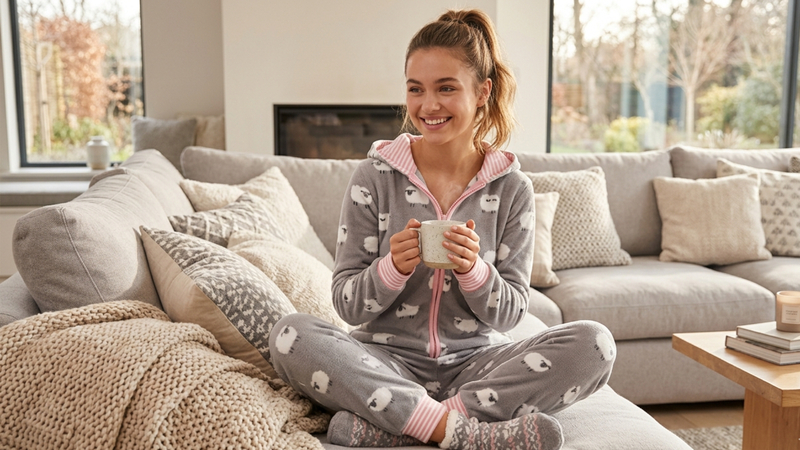
1.6. Onesies (Jumpsuit Pajamas)
Onesies or jumpsuit pajamas are one-piece garments that cover the body from top to bottom, offering maximum warmth and comfort. They often include features like zippers or buttons for easy wear.
They are popular in cozy loungewear and winter sleepwear collections, especially for children and casual home use. Fleece and cotton blends are commonly used to enhance softness and insulation.
1.7. Lounge Pajamas
Lounge pajamas are designed for both sleep and relaxed daytime wear, combining comfort with a more presentable look. They often feature relaxed fits and soft fabrics suitable for extended wear.
These pajamas are ideal for working from home, travel, or casual home activities. Modal, jersey, and cotton blends are commonly used to ensure comfort and flexibility throughout the day.
1.8. Printed Pajamas
Printed pajamas focus on visual design and aesthetic appeal, featuring patterns such as stripes, florals, or seasonal graphics. They add personality and style to sleepwear collections.
They are widely used in both adult and kidswear markets, especially for gifting and fashion-driven sleepwear lines. Cotton and jersey fabrics are commonly chosen to support high-quality print application and everyday comfort.

2. Common Fabrics & Materials Used for Pajamas
The choice of fabric plays a key role in defining how pajamas feel, perform, and suit different climates and lifestyles. Below are the most commonly used fabrics and materials in pajama manufacturing today.
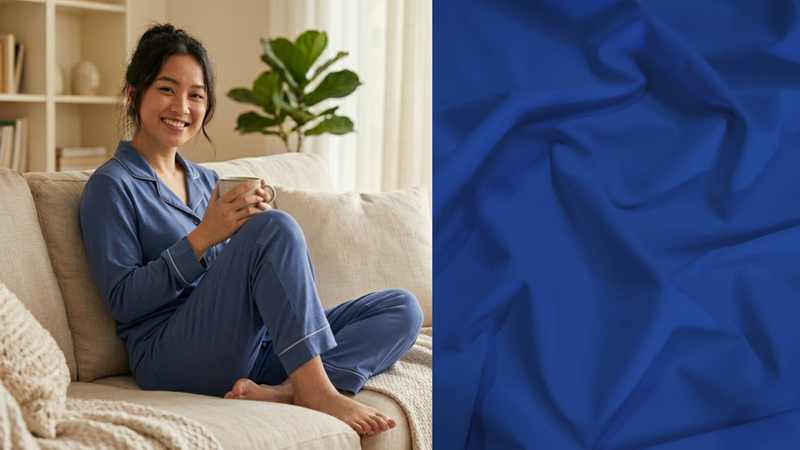
2.1. Cotton
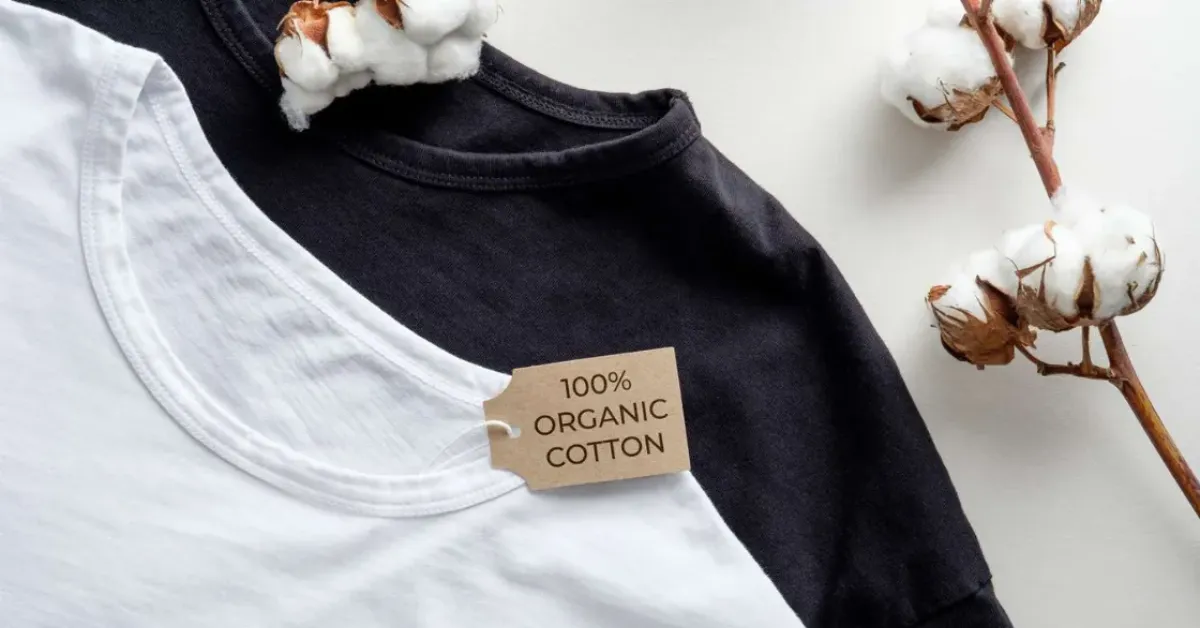
Cotton remains the most widely used fabric in pajama manufacturing because of its breathability, softness, durability, and easy-care properties. It performs well across different climates and offers reliable comfort for everyday sleepwear collections. Cotton fabrics are also highly versatile, supporting woven, jersey, and brushed constructions depending on the intended pajama style.
Cotton is commonly used in both 100% cotton and blended forms such as 95% cotton – 5% spandex or 80% cotton – 20% polyester, depending on the required softness, durability, and stretch. In pajama manufacturing, cotton jersey and woven cotton are widely applied.
Typical GSM ranges from 120-160 GSM for lightweight summer pajamas to 180-220 GSM for heavier lounge or winter styles. Cotton is also highly flexible in finishing, supporting enzyme wash, brushed, or compact treatments to improve hand feel and shrinkage control.
2.2. Flannel
Flannel is a brushed cotton fabric engineered to improve insulation and softness. Its slightly fuzzy surface traps warmth effectively, making it one of the most common materials for winter pajamas and cold-weather sleepwear collections.
Flannel is typically made from 100% cotton or cotton-polyester blends (e.g. 60/40 or 80/20) to balance warmth and durability. The brushing process on both sides increases softness and insulation.
Common GSM ranges from 180-250 GSM, making it suitable for winter pajama sets and cold-climate sleepwear. Polyester blending is often used to reduce shrinkage and improve fabric stability after repeated washing.
2.3. Silk
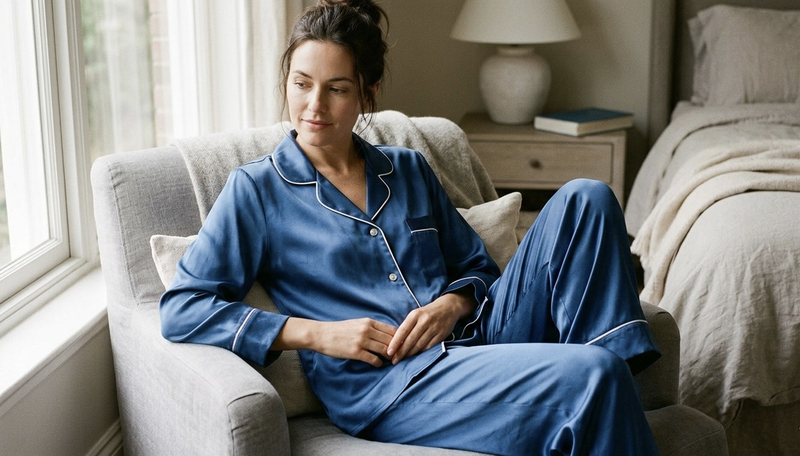
Silk is a natural luxury fiber known for its smooth surface, elegant drape, and temperature-regulating properties. Silk pajamas feel cool against the skin while maintaining a refined appearance, making them highly desirable in premium sleepwear markets.
Silk pajamas are usually made from 100% silk (such as mulberry silk) in premium sleepwear collections, offering natural temperature regulation and a luxury hand feel.
Silk is typically lightweight, around 16-22 momme (approx. 70-100 GSM equivalent) depending on quality level. Because of its delicate nature, silk requires careful handling in cutting and sewing to avoid fabric damage and seam distortion.
2.4. Satin
Satin refers to a weaving technique that creates a glossy and smooth fabric surface. Unlike silk, satin is commonly produced using synthetic fibers such as polyester, offering a more affordable alternative while still delivering a sleek and luxurious aesthetic.
Satin pajamas are commonly produced using 100% polyester satin or polyester blends with spandex for added stretch and durability. While silk satin exists, most commercial sleepwear uses synthetic satin for cost efficiency.
Typical GSM ranges from 90-150 GSM, making satin suitable for lightweight, smooth, and glossy sleepwear collections. It is widely used in fashion-driven pajama sets due to its elegant surface appearance.
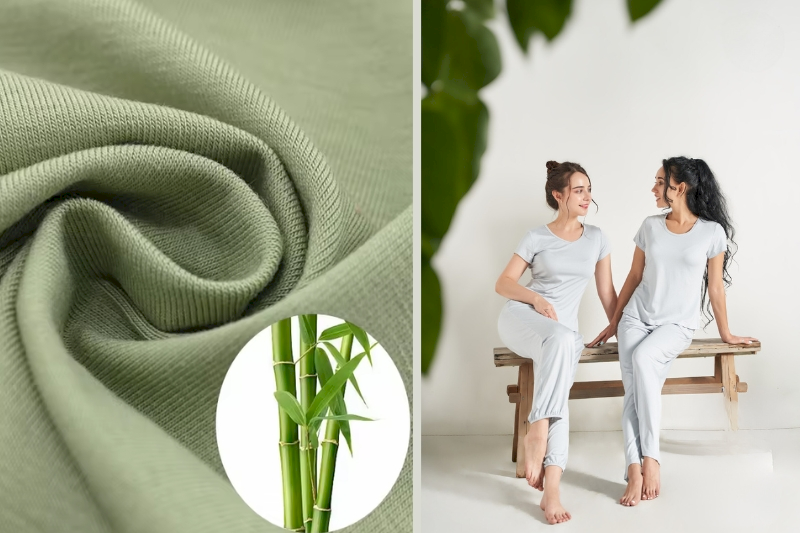
2.5. Bamboo
Bamboo fabrics have become increasingly popular in modern sleepwear because of their moisture-wicking performance, breathability, and exceptionally soft hand feel. Bamboo is especially suitable for hot sleepers and consumers seeking more eco-conscious fabric options.
Bamboo fabric is often used in blends such as 95% bamboo viscose – 5% spandex or combined with cotton to improve structure and durability.
GSM typically ranges from 160-220 GSM, depending on whether it is jersey or rib construction. Bamboo is valued for its moisture-wicking and anti-bacterial properties, making it ideal for hot and humid climates.
Bamboo fabric is often used in blends such as 95% bamboo viscose – 5% spandex or combined with cotton to improve structure and durability. GSM typically ranges from 160–220 GSM, depending on whether it is jersey or rib construction. Bamboo is valued for its moisture-wicking and anti-bacterial properties, making it ideal for hot and humid climates. For brands considering bamboo as a primary material for their sleepwear line, our dedicated guide on bamboo pajama manufacturing covers sourcing considerations, fabric certifications, and production insights to help inform your material and supplier decisions.
2.6. Modal
Modal is a semi-synthetic fiber widely used in premium loungewear and sleepwear because of its silky softness, flexibility, and lightweight drape. The fabric also offers excellent stretch recovery and remains comfortable during extended wear.
Modal is commonly used in blends like 95% modal – 5% spandex to enhance stretch and recovery while maintaining a soft, fluid drape.
Typical GSM ranges from 140-200 GSM, making it suitable for premium loungewear and sleepwear. Modal performs well in repeated washing, maintaining softness and color stability over time.
2.7. Jersey Knit
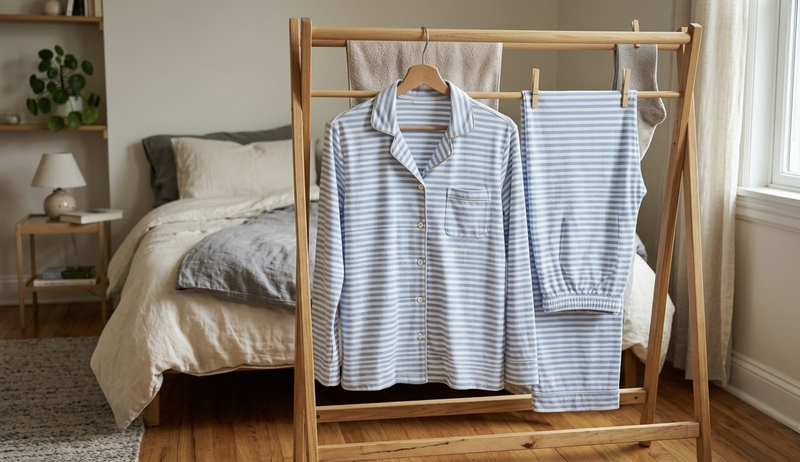
Jersey knit fabrics are commonly used in pajama sets because they provide softness, flexibility, and casual comfort similar to T-shirts. Jersey pajamas are especially popular in lounge-focused and all-day comfort collections.
Jersey pajamas are usually made from cotton jersey (100% cotton or cotton-spandex blends), or modal jersey blends for a softer premium feel.
GSM varies widely from 130-200 GSM, depending on whether the focus is lightweight summer sleepwear or heavier lounge sets. Jersey knit is highly flexible and widely used for all-day comfort pajamas.
2.8. Fleece
Fleece fabrics are engineered to trap heat efficiently while remaining lightweight and soft. Fleece pajamas are commonly used in onesies, winter sleepwear, and cozy loungewear collections designed for colder climates.
Fleece is typically made from polyester (100% polyester fleece or poly-cotton blends such as 80/20) to improve warmth and durability.
GSM is usually higher, ranging from 220-320 GSM, making it suitable for winter pajamas, onesies, and heavy loungewear. The brushed interior enhances thermal insulation and softness. This same fleece fabric is also widely used in outerwear like hoodies, so brands expanding beyond sleepwear may find it useful to explore a curated list of trusted hoodie manufacturer partners.
2.9. Thermal Rib Fabrics
Thermal rib fabrics use textured knit constructions that help retain body heat through small air pockets within the fabric. These materials are frequently used in thermal pajamas and long johns intended for cold-weather wear.
Thermal rib fabrics are commonly made from cotton-polyester-spandex blends, such as 60/35/5 or 70/25/5, to ensure elasticity and heat retention.
GSM ranges from 180-260 GSM, with rib structure creating air pockets that improve insulation. These fabrics are widely used in base-layer sleepwear and cold-weather pajamas.
2.10. Linen
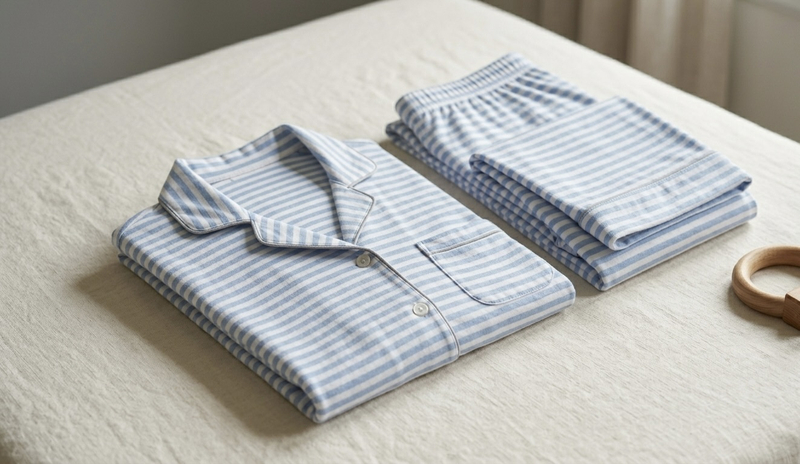
Linen pajamas provide exceptional breathability and airflow, making them highly suitable for warm climates and summer sleepwear. Although linen wrinkles more easily than cotton, its lightweight and cooling properties appeal strongly to relaxed luxury sleepwear collections.
Linen pajamas are typically made from 100% linen or linen-cotton blends (e.g. 55/45 or 70/30) to reduce wrinkling and improve softness.
GSM is generally 120-180 GSM, making linen ideal for lightweight summer sleepwear. Its natural breathability and cooling effect make it popular in relaxed and premium resort-style pajama collections.
3. How to Choose Pajamas by Need
Choosing the right pajamas depends on different needs such as climate, sleeping habits, and daily comfort preferences. Below are the key ways to select pajamas based on specific user needs.
3.1. For Cold Nights
For cold nights, consumers should choose warm and insulating pajama styles such as flannel pajama sets, fleece onesies, or thermal long johns. These designs help retain body heat and provide better comfort during low temperatures.
In terms of fabric, flannel (180-250 GSM), fleece (220-320 GSM), and thermal rib knits (180-260 GSM) are ideal due to their heat-retaining properties. It is also important to consider brushed interiors and thicker constructions to improve softness and insulation.
3.2. For Hot Sleepers
Hot sleepers should prioritize lightweight and breathable pajama styles such as bamboo short sets, silk nightgowns, or lightweight cotton pajamas. These options help improve airflow and reduce overheating during sleep.
Recommended fabrics include bamboo viscose (160-220 GSM), lightweight cotton (120-160 GSM), and silk (16-22 momme) due to their cooling and moisture-wicking properties. Avoid heavy or tightly woven fabrics, as they may trap heat and reduce sleep comfort.
>> Hot sleepers should choose lightweight, breathable pajamas like bamboo, cotton, or silk that share the same moisture-wicking and temperature-regulating performance principles that athletic apparel manufacturers apply to high-performance sportswear for active lifestyles.
3.3. For All-Day Lounging
For all-day lounging, consumers should choose comfortable and versatile pajama styles such as jersey jogger sets, modal lounge sets, or oversized sleep shirts. These designs balance comfort with a presentable appearance suitable for both home and casual use.
Ideal fabrics include modal (140-200 GSM), cotton jersey (130-200 GSM), and soft cotton blends, as they provide stretch, softness, and good shape retention. It is also important to focus on fabric durability and color stability since these garments are worn for longer periods throughout the day.
4. Key Features to Consider When Manufacturing Pajamas At Scale
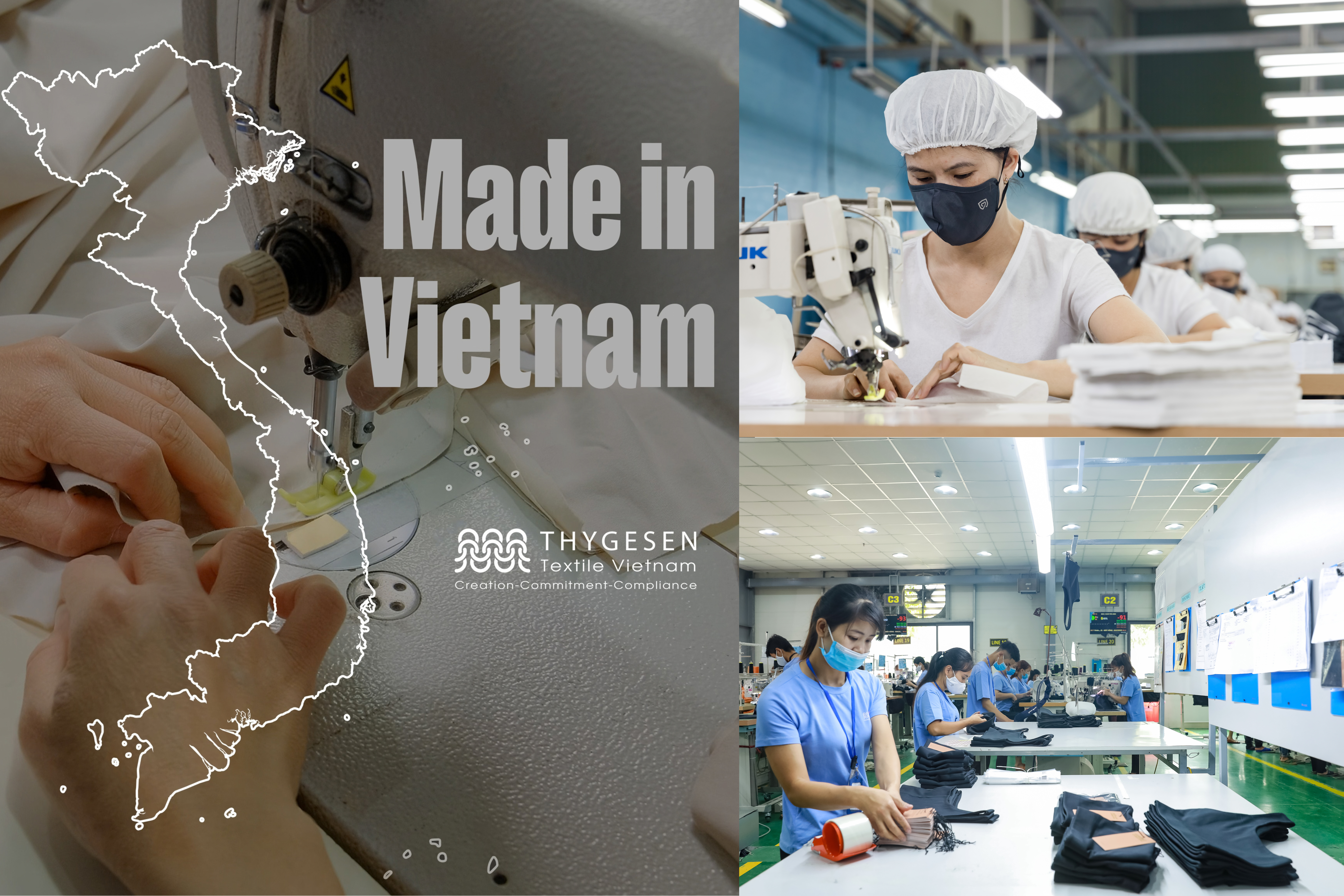
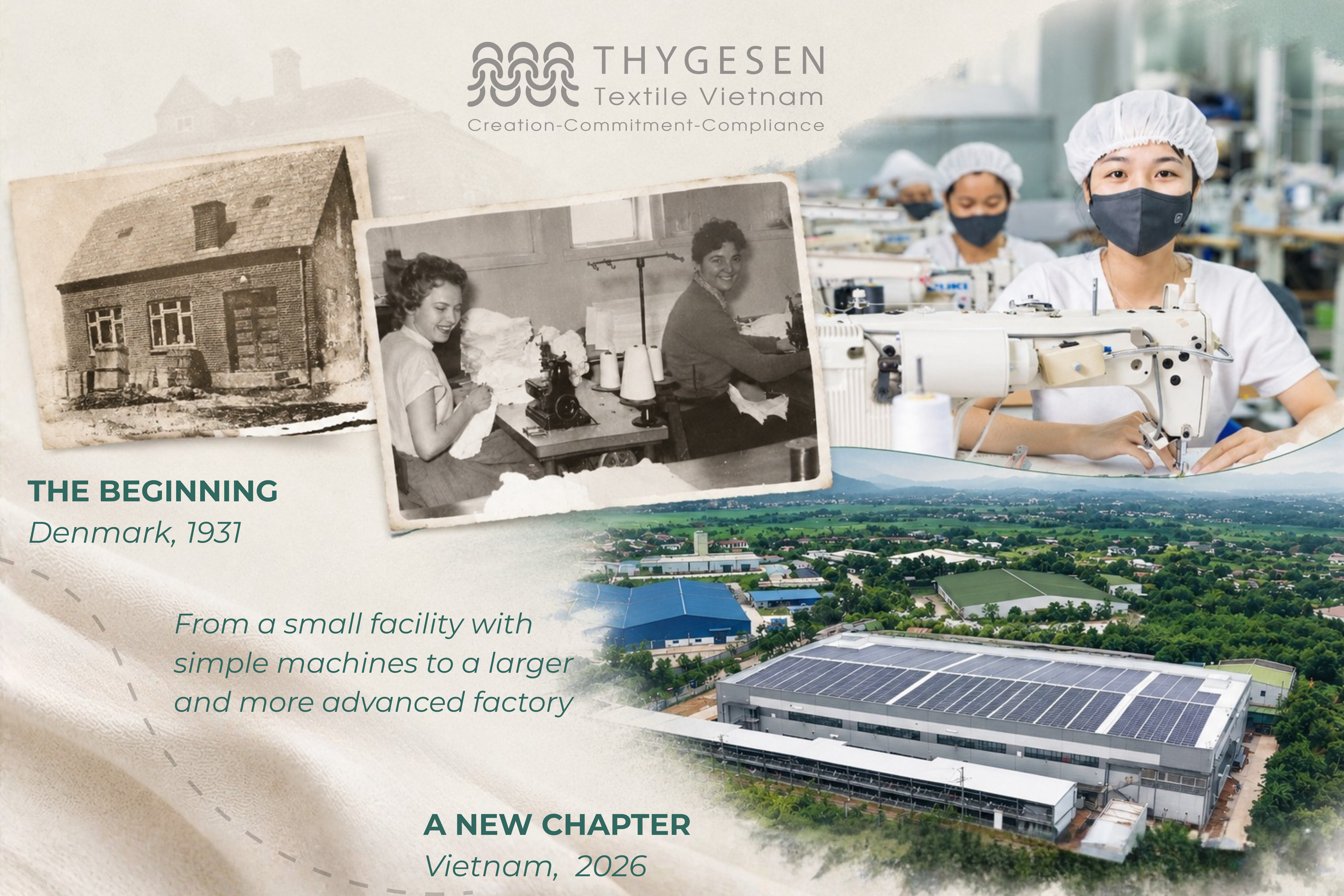
With over 90 years of experience in textile manufacturing, Thygesen Textile Vietnam is a trusted partner in sleepwear and loungewear production, with a monthly capacity of up to 800,000 pieces. We specialize in delivering fully customized solutions with consistent quality, supporting global brands across a wide range of products including nightdresses, pajama sets, lounge tops, relaxed pants, and sleep shorts. Below are some key considerations we suggest based on our experience in manufacturing sleepwear at scale.
- Fabric selection and testing: Choosing the right fabric is a key step in sleepwear manufacturing, as it directly affects comfort, durability, and overall product performance. Materials such as cotton, modal, bamboo, and jersey blends should be selected based on end-use requirements, balancing softness, breathability, and long-term wearability. Before bulk production, fabrics also need to be properly tested for shrinkage, color fastness, pilling, and stretch recovery to ensure consistent quality across all garments.
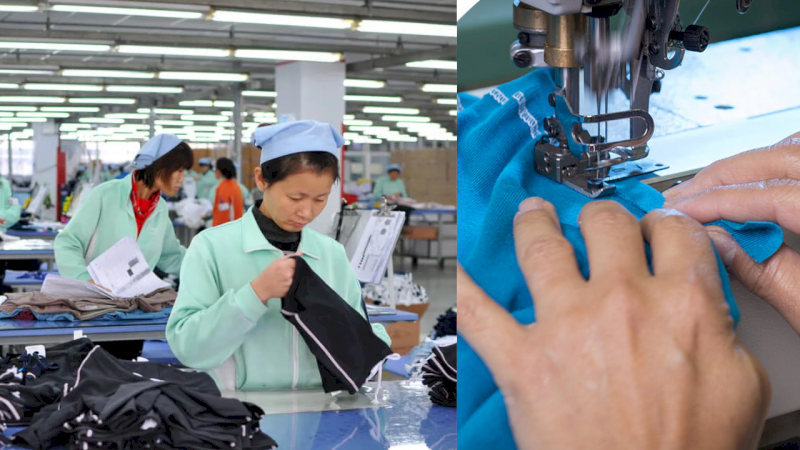
- Stitching & construction: Pajamas require precise stitching and construction to ensure comfort and durability during extended wear. Seam types, stitch density, and finishing details must be carefully controlled to prevent irritation and maintain garment structure. Reinforced stitching at stress points such as waistbands, cuffs, and shoulder seams also helps improve product longevity and overall quality. >> Pajamas require precise stitching and construction to ensure comfort and durability during extended wear, with careful control of seam types, stitch density, and finishing details—areas where expert cut and sew manufacturing partners bring essential expertise to sleepwear production at scale.
- Quality control: Effective quality control is essential to maintain uniform standards in large-scale production. This includes in-line inspections during sewing, measurement checks against approved specs, and final AQL inspections before shipment. These steps help ensure consistency in fit, workmanship, and appearance across all units.
- Sustainability & ethical production: Sustainable and ethical manufacturing is increasingly important in modern sleepwear production. Working with certified materials and factories (such as OEKO-TEX®, GOTS, WRAP, or SA800) helps ensure safe textiles, environmentally responsible processes, and fair labor conditions. This not only improves product credibility but also supports long-term brand responsibility.
In conclusion, pajamas today come in many different styles, fabrics, and functions, reflecting the diverse needs of comfort, climate, and lifestyle in modern sleepwear. From classic sets to fashion-forward and functional designs, each type serves a specific purpose for different consumers.
With over 90 years of experience, Thygesen Textile Vietnam provides reliable, fully customized sleep and loungewear manufacturing for global brands. Contact us at sale@thygesen.com.vn or visit https://thygesenapparel.com/ to explore how we can support your next collection.
>> Brands looking to bring their own sleepwear line to production can explore Thygesen’s services as a dedicated pajama manufacturer offering custom pajamas manufacturing capabilities covering a full range of styles from classic cotton sets to premium modal and bamboo designs with full OEM/ODM support.