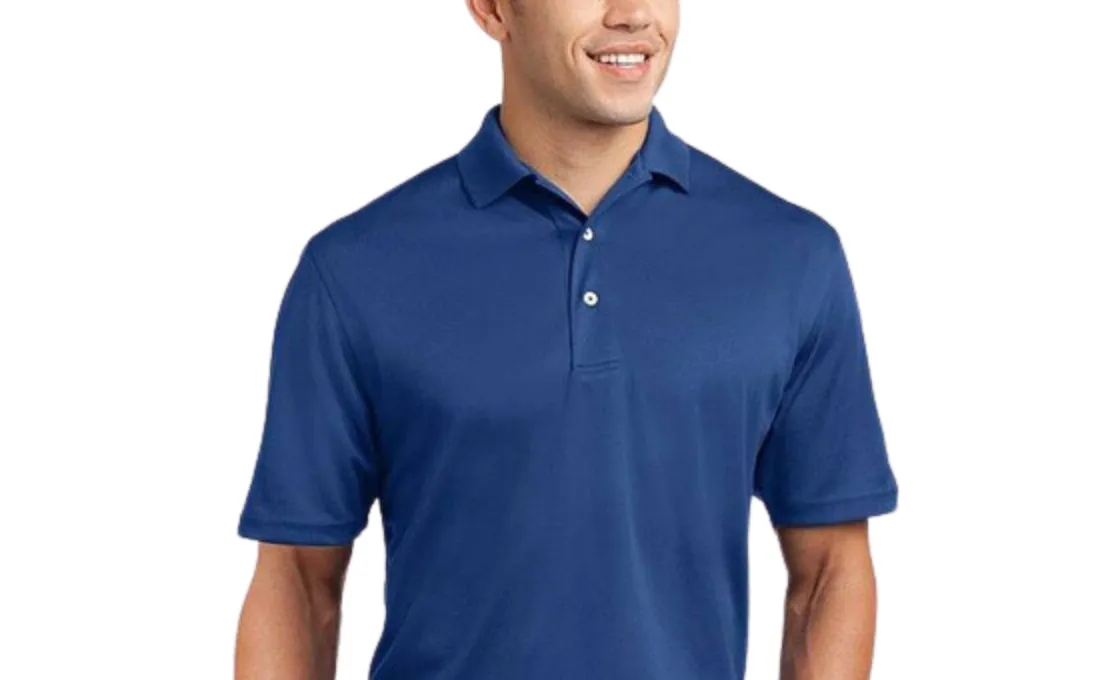
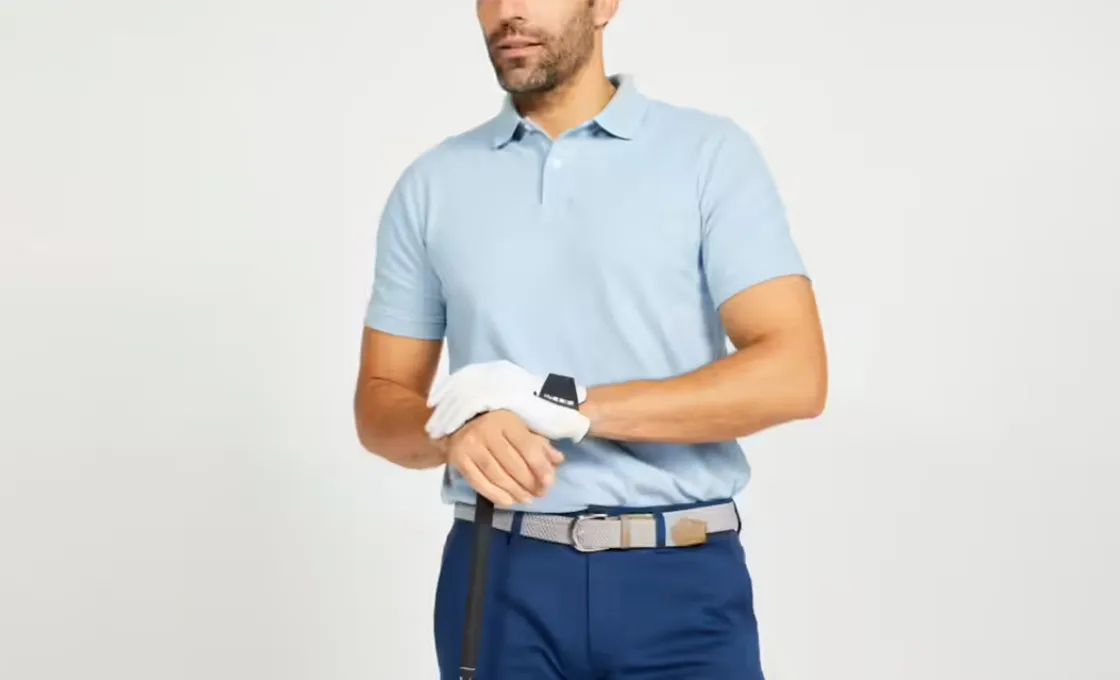
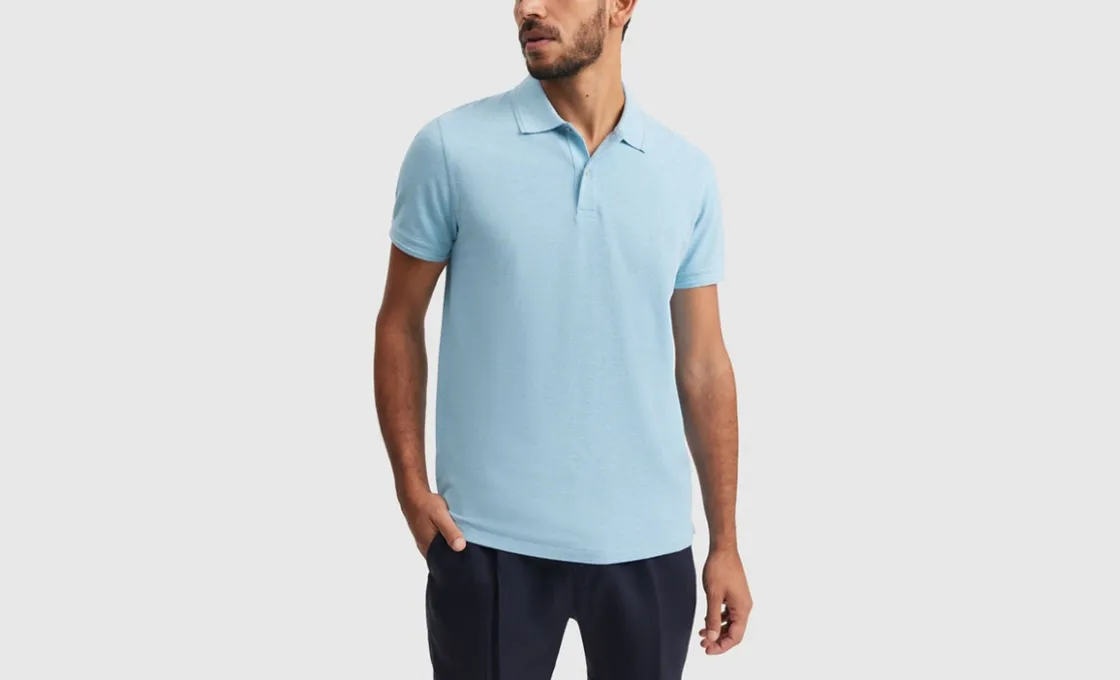
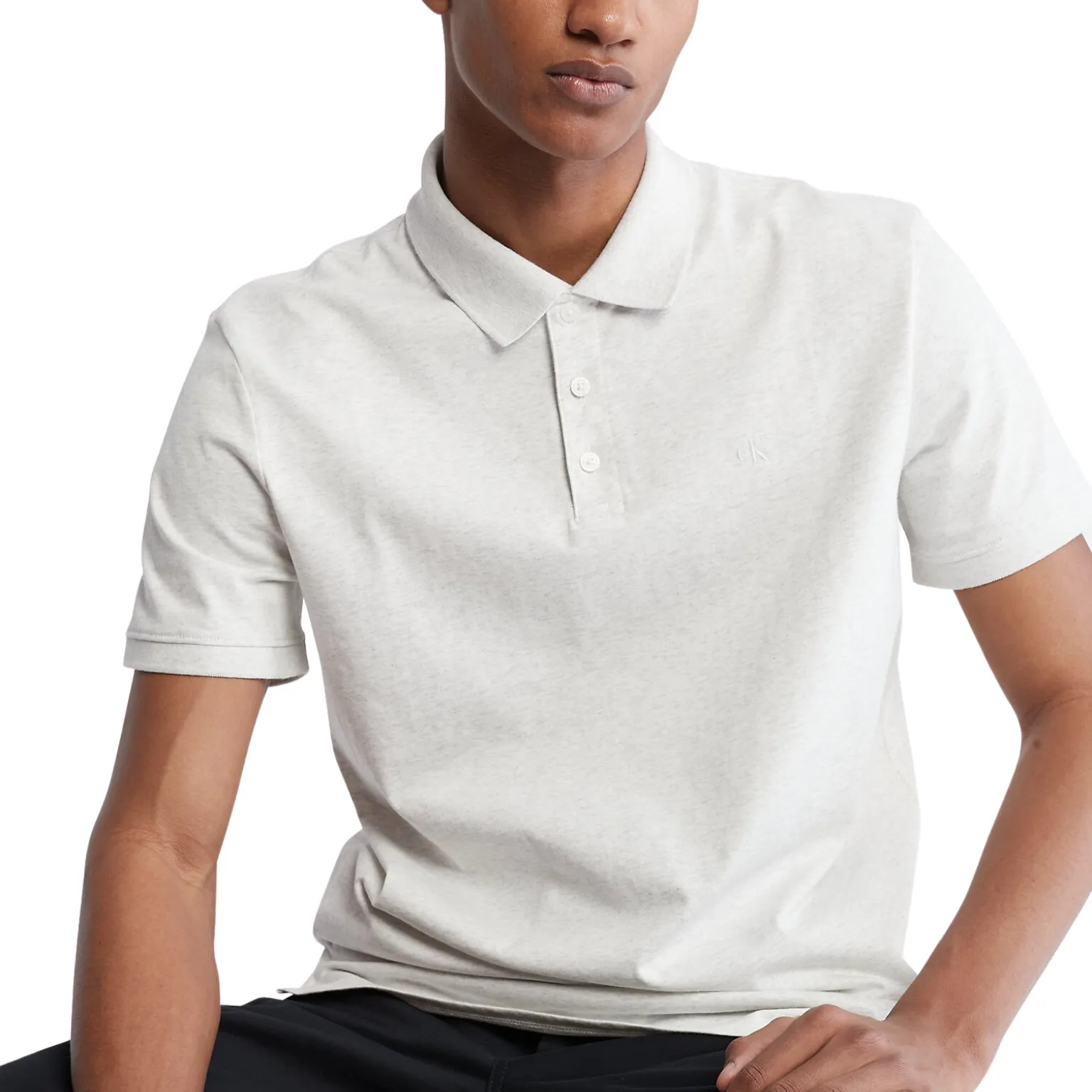
Polo T-shirts are no longer a one-style-fits-all item. In this writing, we explore 10+ types of polos by fabric, fit, and function from classic cotton piqué to modern performance blends helping you understand the key differences and choose the right polo for every style, occasion, and purpose.
1. By Fabric Construction
One of the key ways is by fabric construction, which directly influences the polo’s comfort, breathability, texture, and overall performance.
1.1. Piqué Polo Shirts
Piqué polos are the most traditional and widely recognized type of polo shirt. They are made using a textured knit structure with a honeycomb or waffle-like surface, which is the key characteristic of this fabric. This construction creates small air pockets that improve breathability and help the fabric feel more structured on the body.
Thanks to this texture, piqué polos are more durable and better at hiding moisture compared to smoother fabrics. They also hold their shape well after washing, making them less likely to cling to the body. As a result, piqué polos are often used in uniforms, corporate wear, and sports-inspired collections where a clean, classic, and professional look is required.
1.2. Jersey Polo Shirts
Jersey polos are made using a smooth knit construction similar to standard T-shirt fabrics. This gives the fabric a softer, lighter, and more flexible feel compared to piqué. Instead of a structured look, jersey polos drape more naturally on the body, creating a relaxed and modern silhouette.
The main advantage of jersey fabric is comfort. It feels smooth against the skin, stretches easily, and allows for a high level of movement. Because of these properties, jersey polos are widely used in casualwear and lifestyle collections, where comfort and ease of styling are more important than a formal appearance.
>> Jersey polos are made using a smooth knit construction similar to standard T-shirt fabrics, offering softness, flexibility, and a relaxed drape. Expertise from quality t-shirt manufacturers translates directly to jersey polo development, where knit comfort and casual styling are key priorities.
1.3. Knit Polo Shirts
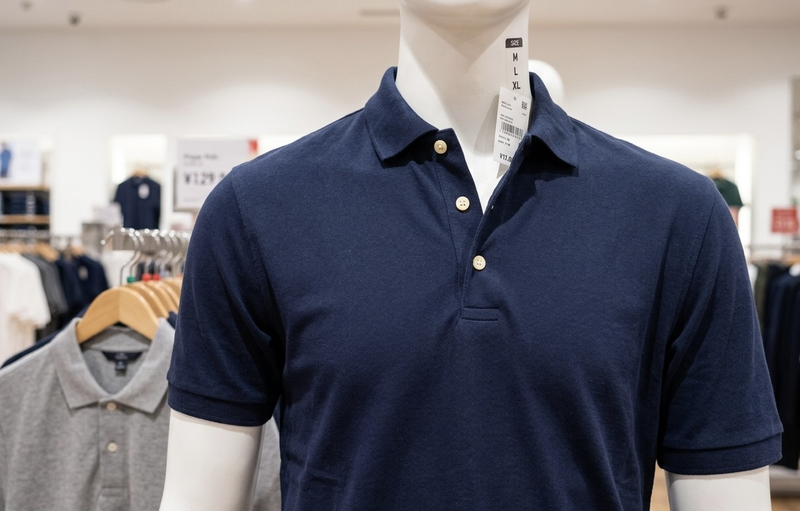
Knit polos are made using thicker yarns and more complex knitting techniques, often including ribbed or textured patterns. Compared to standard polo fabrics, knit constructions feel more substantial and elevated, giving the garment a more premium and fashion-forward look.
The key strength of knit polos lies in their balance between comfort and refinement. They are soft and flexible like casual wear, but still structured enough to look polished. This makes them popular in smart-casual collections, where the goal is to combine everyday comfort with a more sophisticated appearance.
1.4. Crochet Polo Shirts
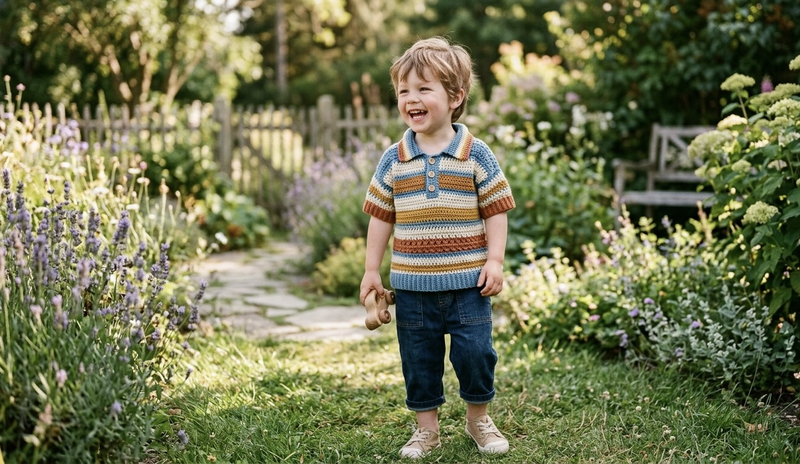
Crochet polos feature open-knit or loosely constructed patterns that create a highly textured and breathable fabric. The open structure allows for maximum airflow, making them especially suitable for warm weather and summer collections.
Visually, crochet polos stand out due to their artistic, retro-inspired aesthetic and strong surface texture. They are less about formal structure and more about style expression, often used in resortwear or fashion-led collections. While they are not typically chosen for durability or uniform use, they excel in creating a distinctive, relaxed, and expressive look.
2. By Fit & Silhouette
Another important way to categorize polo T-shirts is by fit and silhouette, which determines how the garment sits on the body. This aspect not only affects comfort and mobility, but also defines the overall style direction – from slim and modern looks to relaxed and oversized silhouettes.
2.1. Classic Fit Polo Shirts
Classic fit polos are designed with a generous cut through the chest, waist, and shoulders to prioritize comfort and ease of movement. The sleeves are typically longer and looser, while the hem is often slightly extended at the back to help the shirt stay tucked in during activity. This relaxed structure creates a traditional, easy-going silhouette that does not cling to the body.
This fit is best suited for situations where comfort and practicality are more important than a fitted appearance. It is widely used in uniforms, corporate apparel, golfwear, and traditional menswear collections. Classic fit polos are also a preferred choice for work environments or outdoor activities where freedom of movement and durability are key requirements.
2.2. Slim Fit Polo Shirts
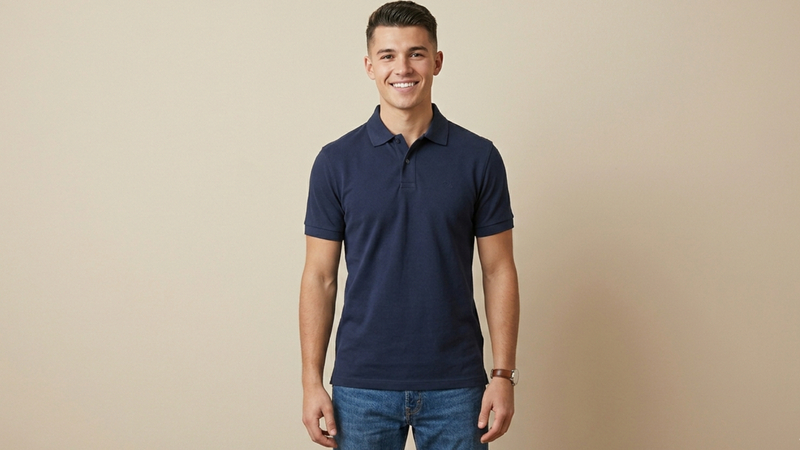
Slim fit polos are tailored closer to the body, following the natural lines of the torso to create a sharper and more modern silhouette. The sleeves are narrower and sit higher on the arm, while the waist is slightly tapered to reduce excess fabric and create a clean, streamlined look.
This fit is ideal for fashion-forward and lifestyle-oriented collections where appearance and styling are a priority. Slim fit polos are commonly chosen for smart-casual outfits, retail fashion, and younger consumer segments who prefer a more athletic and refined look. They work especially well in urban settings, social occasions, and situations where a neat, well-groomed appearance is desired.
2.3. Custom Fit Polo Shirts
Custom fit polos sit between classic and slim fits, offering a balanced silhouette that is neither too loose nor too tight. They are slightly shaped through the waist and chest, but still provide enough ease for comfortable movement. This makes them one of the most versatile and commercially adaptable fits in modern polo design.
This fit is well suited for a wide range of end uses, from casual office wear to retail fashion and branded merchandise. It appeals to consumers who want a clean, modern look without the restriction of a slim fit or the looseness of a classic fit. Because of this balance, custom fit polos are often considered the “safe choice” for brands targeting a broad audience.
3. By Sleeve & Collar Design
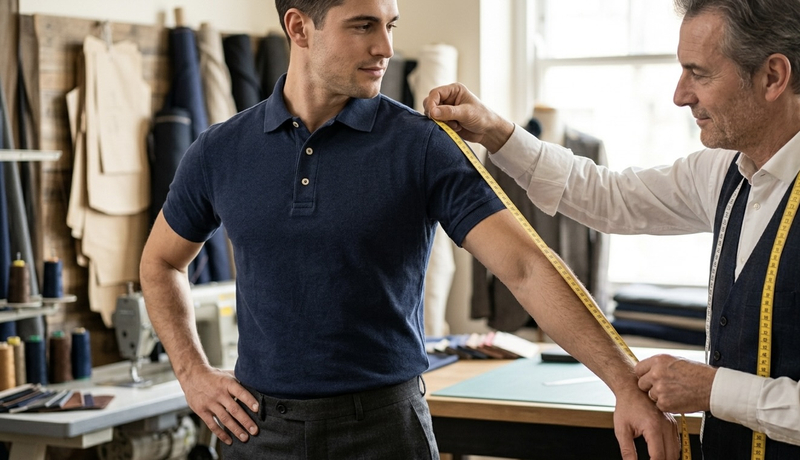
Beyond fabric and fit, polo T-shirts can also be distinguished by sleeve and collar design. These details may seem subtle, but they play a key role in defining the overall style, formality level, and brand identity of the garment – from classic and sporty looks to more modern and fashion-forward interpretations.
>> Sleeve and collar design details play a crucial role in defining the overall style and formality of polo shirts. Expert cut and sew manufacturers bring the precision craftsmanship necessary to execute these design elements—from classic flat knit collars to button-down constructions—with consistency at scale
3.1. Classic Polo Collar (Flat Knit Collar)
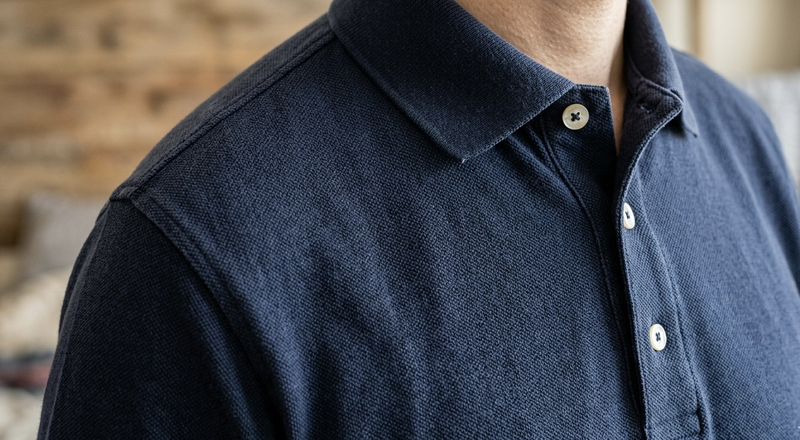
This is the most traditional polo collar style, made from flat knit rib construction that gives a structured yet flexible shape. It usually features a clean collar stand with a simple button placket, maintaining the iconic polo identity.
This design helps the garment keep a neat and balanced look without being too formal. It is highly versatile and works well across uniforms, corporate wear, golfwear, and everyday casual collections. Because of its timeless appearance, it remains the standard choice for most polo programs.
3.2. Button-Down Collar Polo Shirts
Button-down collar polos include small buttons that attach the collar points to the shirt body, keeping the collar securely in place. This prevents curling or shifting during wear and ensures a consistently tidy appearance.
The key advantage of this construction is stability and polish. It makes the polo look more structured, especially when layered under blazers, jackets, or knitwear. As a result, this style is commonly used in smart-casual, office-friendly, and premium uniform collections where a refined presentation is required.
3.3. Tipped Collar & Cuff Polo Shirts
Tipped polos feature contrast-colored stripes along the edges of the collar and sleeve cuffs. This small detail adds visual interest without changing the overall silhouette of the garment.
This design is mainly used for branding and aesthetic enhancement. It gives the polo a more sporty, heritage-inspired look and is often associated with golfwear, retro collections, and fashion-driven casualwear. It helps brands create identity through subtle color detailing.
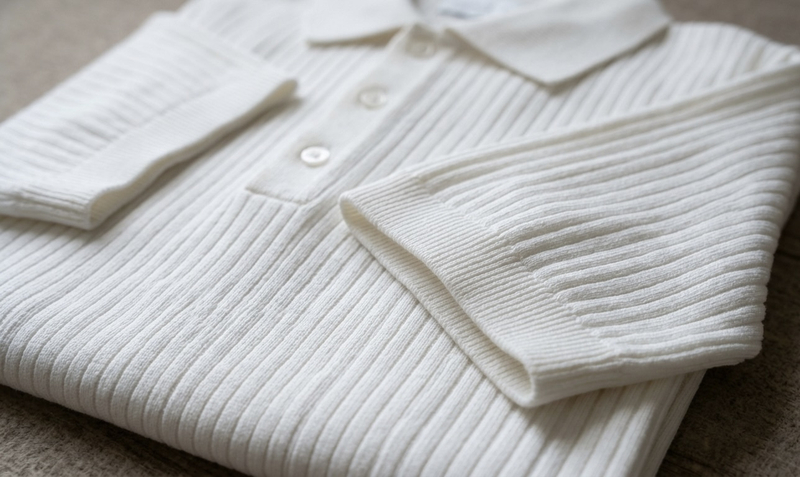
3.4. Ribbed Sleeve Polo Shirts
Ribbed sleeve polos use elastic knit cuffs that fit closely around the arm. This structure helps the sleeves maintain shape over time and prevents stretching or deformation after repeated wear.
The main benefit is durability and shape retention. It also creates a more defined arm line, enhancing the classic athletic polo silhouette. This style is widely used in traditional polos, uniforms, and sport-oriented designs where functionality is important.
3.5. Open/Banded Sleeve Polo Shirts
Open or banded sleeves are finished with a simple hem instead of ribbing, allowing the sleeve to fall more loosely like a T-shirt. This creates a softer, more relaxed look compared to structured ribbed cuffs.
The key advantage is comfort and modern styling. It gives the polo a more casual and lifestyle-oriented appearance, making it suitable for fashion collections, relaxed uniforms, and everyday wear where ease and simplicity are prioritized.
4. By Function & Styling Purpose
Polo T-shirts can also be categorized by their function and styling purpose. This classification focuses on how the garment is intended to be used in real life – whether for performance, uniforms, or fashion – helping define the right balance between comfort, durability, and visual identity.
4.1. Golf Polo Shirts
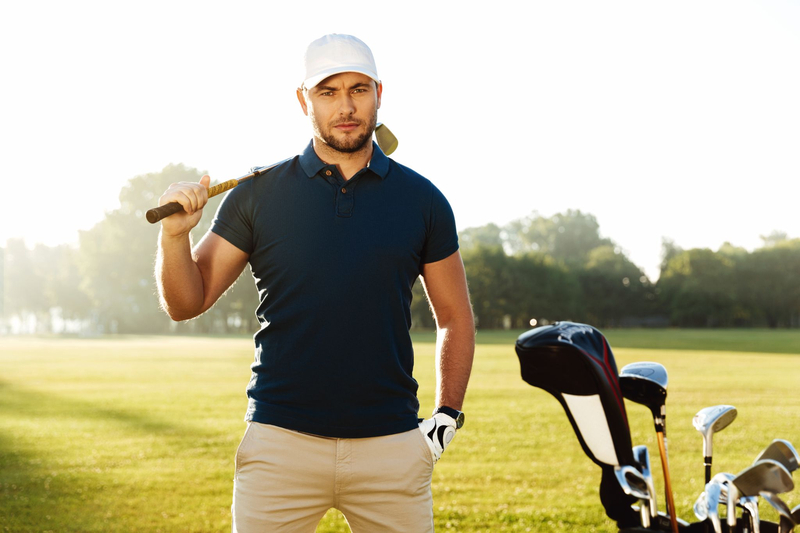
Golf polos are designed to support long hours of outdoor movement, so they prioritize breathability, stretch, and moisture management. The goal is to keep the wearer dry, comfortable, and unrestricted during physical activity, especially in warm or humid conditions. Many designs also incorporate UV protection finishes to enhance outdoor performance.
Common fabrics used in this category include polyester/spandex blends, recycled polyester, elastane-rich technical knits, and performance piqué fabrics. These materials help with quick-dry performance, shape retention, and flexibility, allowing smooth swing movement without fabric restriction. Some advanced versions may also include cooling yarns or mesh panels for improved ventilation.
>> Golf polos are performance-focused shirts designed to support long hours of outdoor movement with breathability, stretch, and moisture management. Partnering with experienced athletic clothing manufacturers ensures your performance polos meet the same technical standards as high-end sportswear for durability and functional excellence.
4.2. Corporate/Uniform Polo Shirts
Corporate or uniform polos are built around durability, consistency, and professional appearance over long-term use. They need to maintain color stability and shape even after frequent industrial washing, making fabric performance a key priority. The overall look is usually clean, structured, and easy to standardize across large teams.
The most common fabric choice is cotton piqué, cotton/polyester blends, and CVC (chief value cotton) piqué fabrics. These materials offer a good balance between comfort and durability. Polyester-blended options are especially popular in uniforms because they improve color fastness, reduce shrinkage, and enhance wrinkle resistance, making maintenance easier for companies.
4.3. Fashion Polo Shirts
Fashion polos focus more on design expression, silhouette, and fabric innovation rather than purely functional performance. They often experiment with oversized cuts, unique textures, decorative stitching, or elevated details to create a more premium and trend-driven look. These polos are commonly positioned as lifestyle or runway-inspired pieces.
Fabric choices in this category are more diverse and design-led, including fine gauge knits, wool blends, viscose blends, cotton modal, mercerized cotton, and crochet or open-knit constructions. These materials help achieve a softer handfeel, richer drape, and more elevated surface appearance, supporting fashion-forward styling and brand differentiation.
4.4. Casual Everyday Polo Shirts
Casual polos are designed for everyday comfort and easy styling, making them one of the most versatile categories. They focus on soft handfeel, relaxed fit, and simple construction that works across different daily situations – from leisure wear to casual office settings.
Typical fabrics include cotton jersey, cotton spandex blends, lightweight piqué, and cotton/modal blends. These materials provide softness, breathability, and light stretch for comfort during daily movement. Compared to performance or fashion polos, casual versions avoid complex structures, instead prioritizing ease of wear, low maintenance, and versatility in styling.
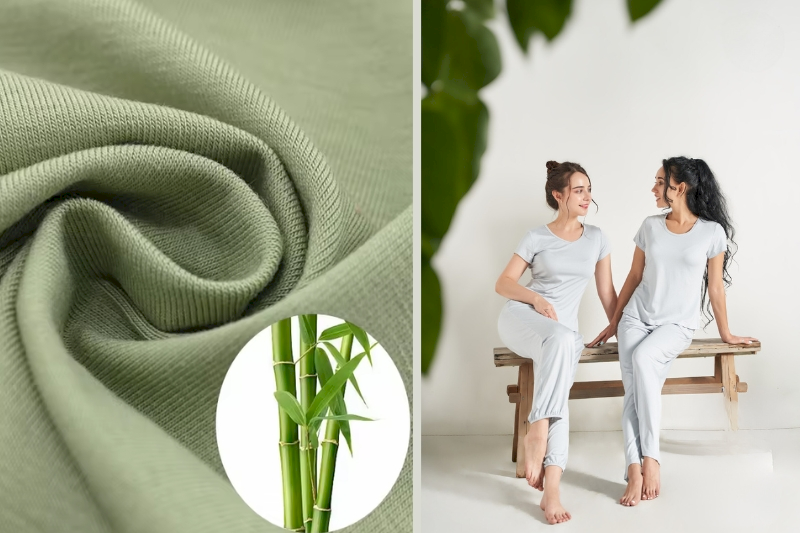
>> Casual polos prioritize soft handfeel, relaxed fit, and easy styling for everyday comfort—qualities that experienced pajama manufacturers understand deeply through loungewear production, making them valuable partners for developing comfortable, low-maintenance polo collections.
5. Key Considerations When Producing Polo Shirts at Scale
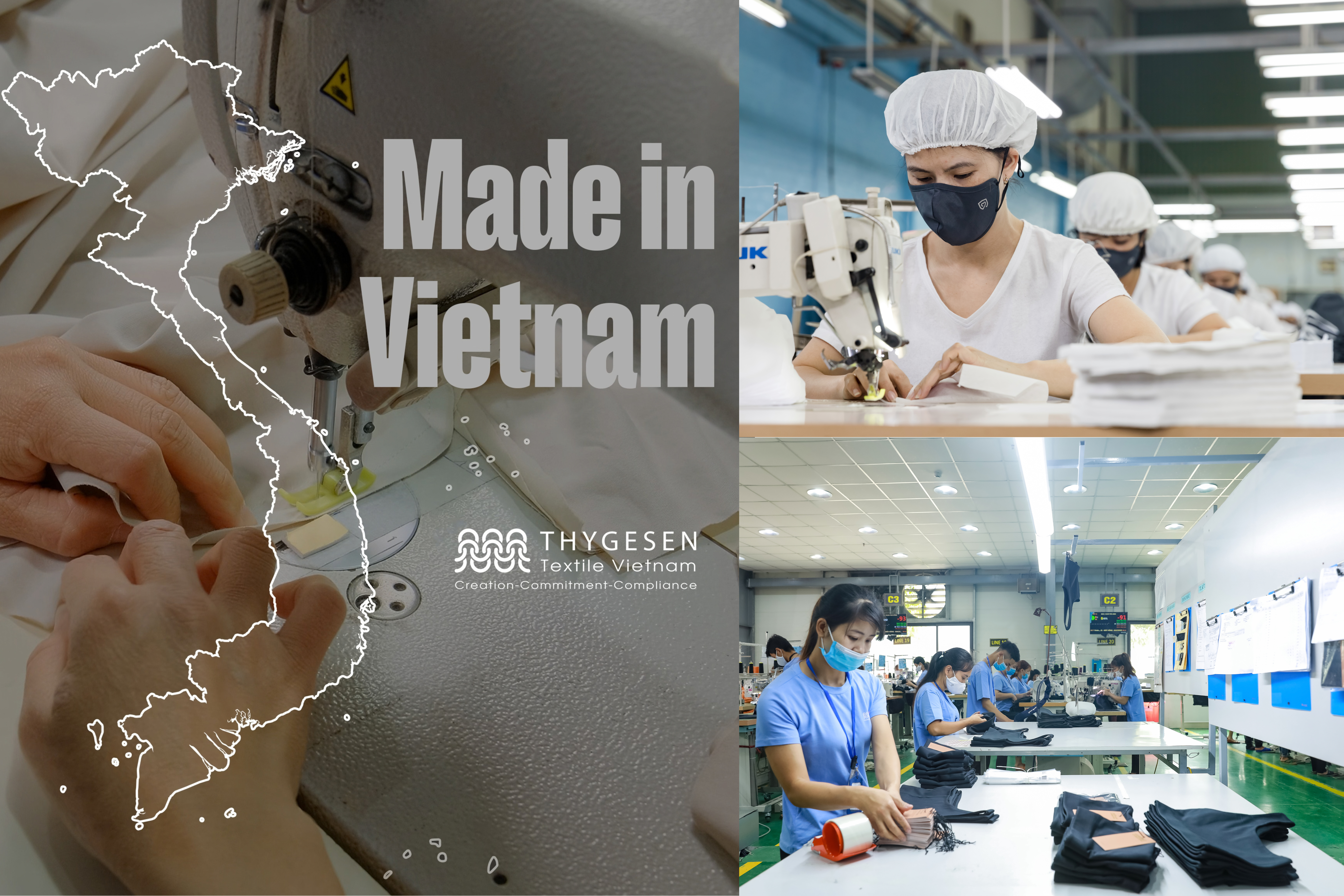
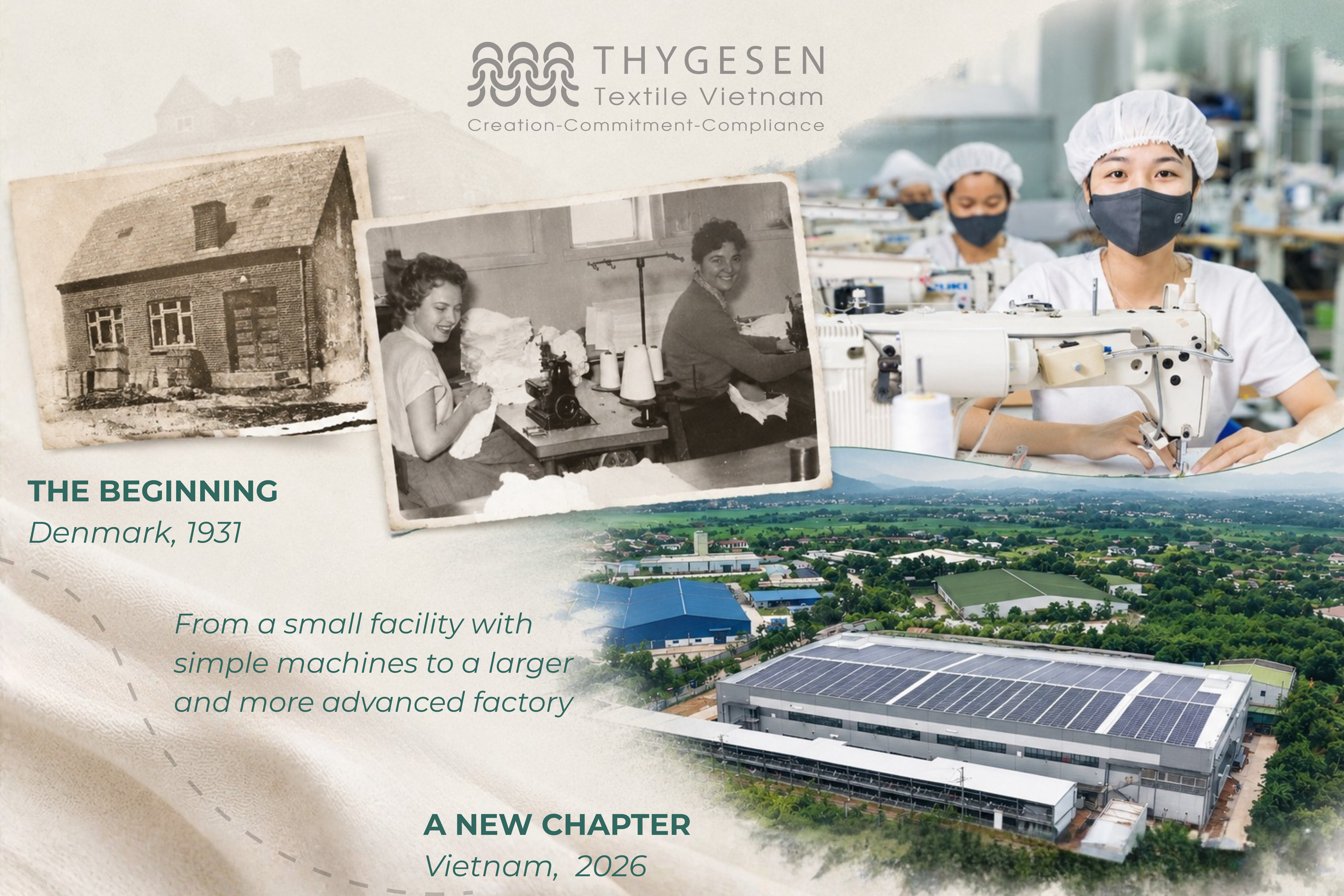
With extensive experience in apparel manufacturing, Thygesen Vietnam is a trusted partner for both casual and active polo production, offering strong expertise across a wide range of fabric constructions, fits, and functional requirements. Backed by our bulk production capacity of up to 10 million pieces per year, we are well-equipped to handle large-scale orders while ensuring consistent quality, reliable lead times, and stable supply for global brands. Below are some key considerations and recommendations we provide to help brands optimize product development, from fabric selection and construction to fit and functional performance.
- Raw materials & fabric testing: Fabric and trims must be carefully checked and tested before production to avoid issues such as shrinkage, pilling, color inconsistency, or poor performance after washing. Early material validation helps prevent large-scale production defects and ensures stable quality output.
- Sample approval & production feasibility: The sample stage should not only focus on visual approval but also on manufacturability. A good-looking sample that cannot be efficiently or consistently produced at bulk scale can lead to serious production risks. Therefore, final samples must be fully aligned with factory capability before moving into mass production.
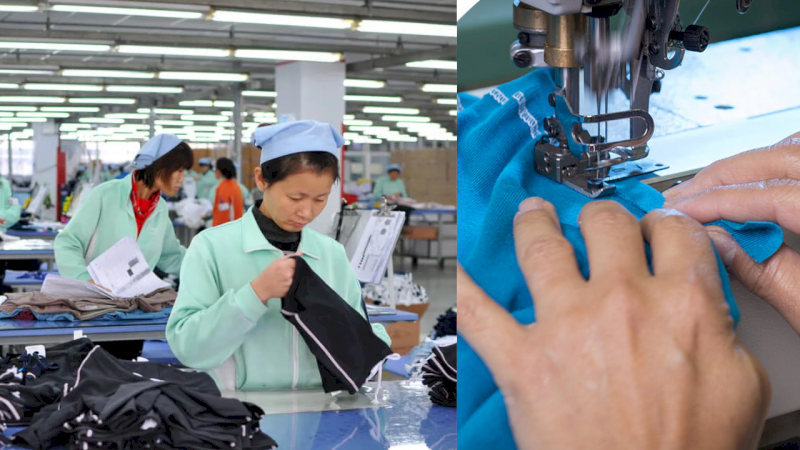
- Bulk production quality control for polos: In mass production of polo shirts, common issues may occur such as uneven stitching, collar distortion, incorrect measurements, puckering at seams, inconsistent placket alignment, or finishing defects (loose threads, uneven hemming). A strict and systematic quality control process is essential at every stage to ensure consistency across large quantities.
- Sustainable & ethical manufacturing: Beyond quality and efficiency, brands are increasingly focusing on responsible production. This includes using more sustainable materials, reducing waste in cutting and production, and ensuring ethical working conditions throughout the supply chain. A transparent and responsible manufacturing approach helps strengthen long-term brand value and compliance with global standards.
With extensive experience in apparel manufacturing, Thygesen Vietnam is a trusted partner for both casual and active polo production, offering strong expertise across a wide range of fabric constructions, fits, and functional requirements. Backed by our bulk production capacity of up to 10 million pieces per year, we are well-equipped to handle large-scale orders while ensuring consistent quality, reliable lead times, and stable supply for global brands. Brands exploring broader apparel manufacturing options may also find it useful to review our overview of t-shirt manufacturers – covering key criteria for evaluating production partners across knit-based garments, which shares many of the same quality and sourcing considerations as polo shirt manufacturing. For brands building out a full casualwear collection alongside polos, our curated list of trusted hoodie manufacturer partners can also help with sourcing decisions.
In conclusion, understanding the different types of polo T-shirts by fabric, fit, design, and function helps brands make more strategic product decisions and build collections that truly match their target customers.
With strong expertise in both casual and active polos, Thygesen Vietnam supports brands in turning these ideas into scalable. To explore potential collaboration, you can visit https://thygesenapparel.com/ or reach out at sale@thygesen.com.vn.