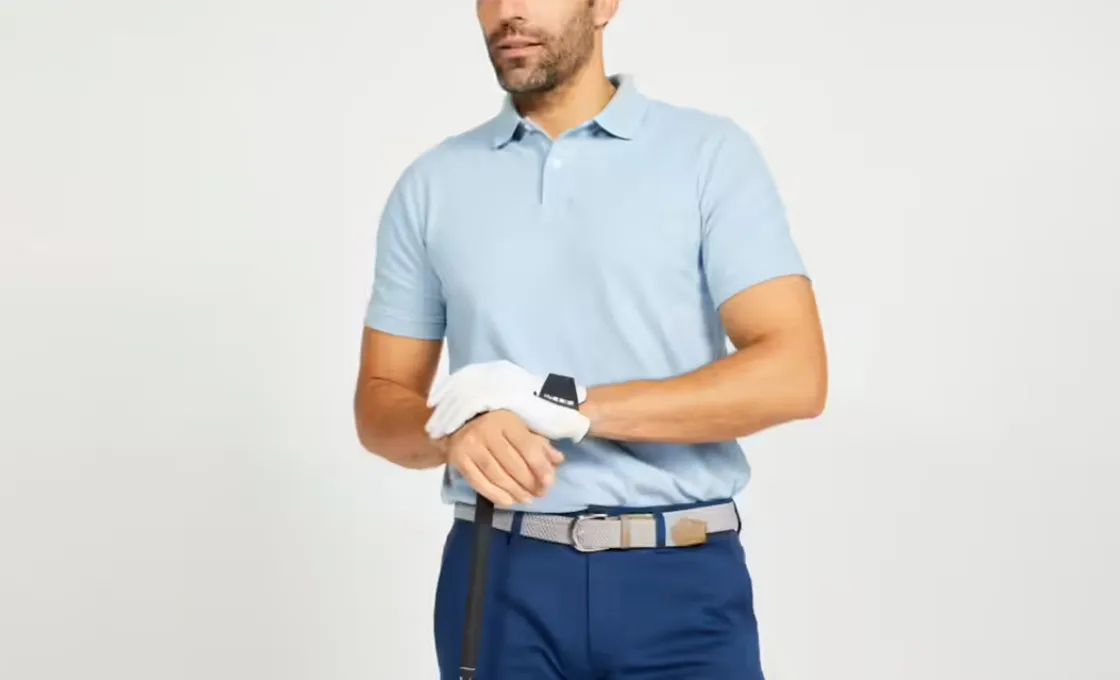
While the company is headquartered in the United States, Under Armour products are manufactured through a large global sourcing network spanning multiple countries. From compression shirts and leggings to footwear and outerwear, Under Armour relies heavily on specialized factories experienced in technical fabrics, athletic garment construction, and large-scale sportswear production.
1. About Under Armour and Its Product Categories
Founded in 1996, Under Armour originally became known for its moisture-wicking compression shirts designed for athletes and team sports.
Over time, the company expanded into a much broader range of products including performance T-shirts, hoodies, leggings, sports bras, footwear, outerwear, and accessories.
The brand’s identity is strongly connected to technical sportswear performance, particularly garments focused on sweat management, stretch performance, lightweight comfort, mobility, and durability.
Because of these technical requirements, Under Armour works closely with manufacturers experienced in synthetic fabrics, performance textiles, and athletic garment engineering.
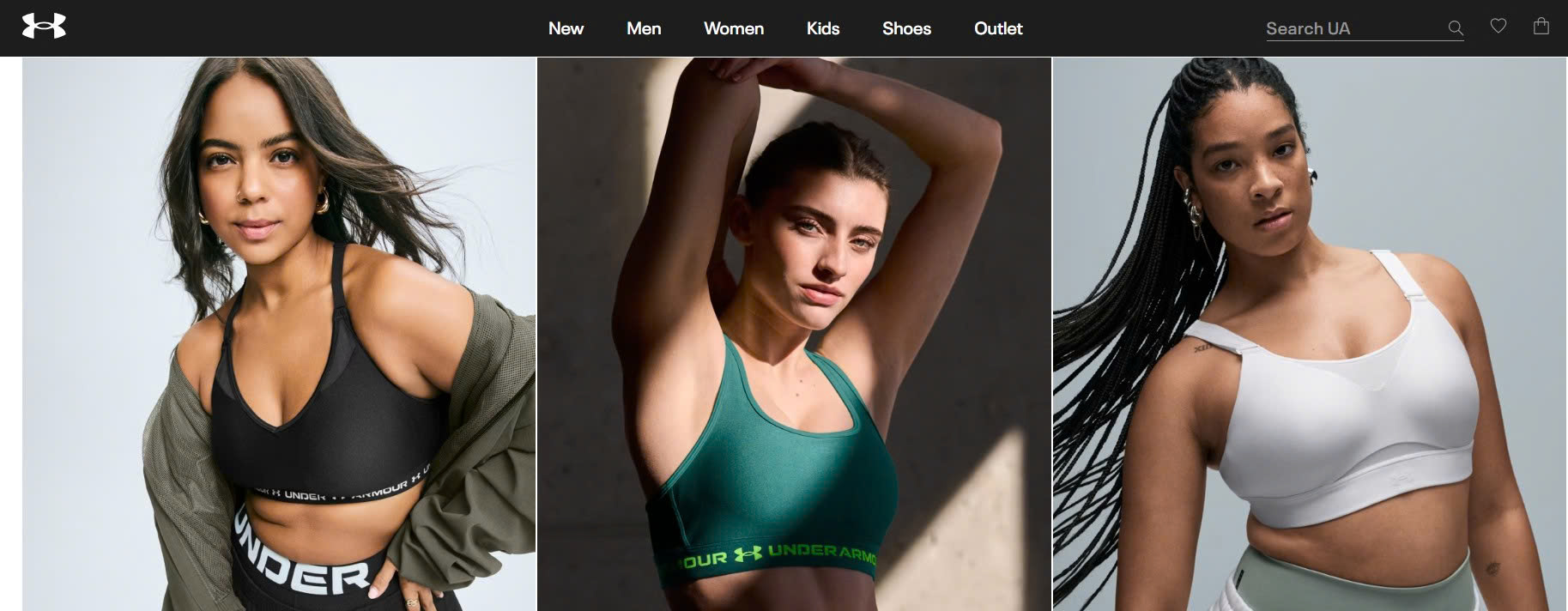
Under Armour’s product range – from performance hoodies to technical sportswear – demands manufacturers with deep expertise in stretch fabrics, moisture-wicking construction, and athletic garment engineering. Brands sourcing similar categories can explore hoodie manufacturers and athletic clothing manufacturers in Vietnam with proven capabilities in this space.
2. Where Is Under Armour Clothing Made?
Under Armour products are manufactured across several countries rather than a single production location.
2.1. Vietnam
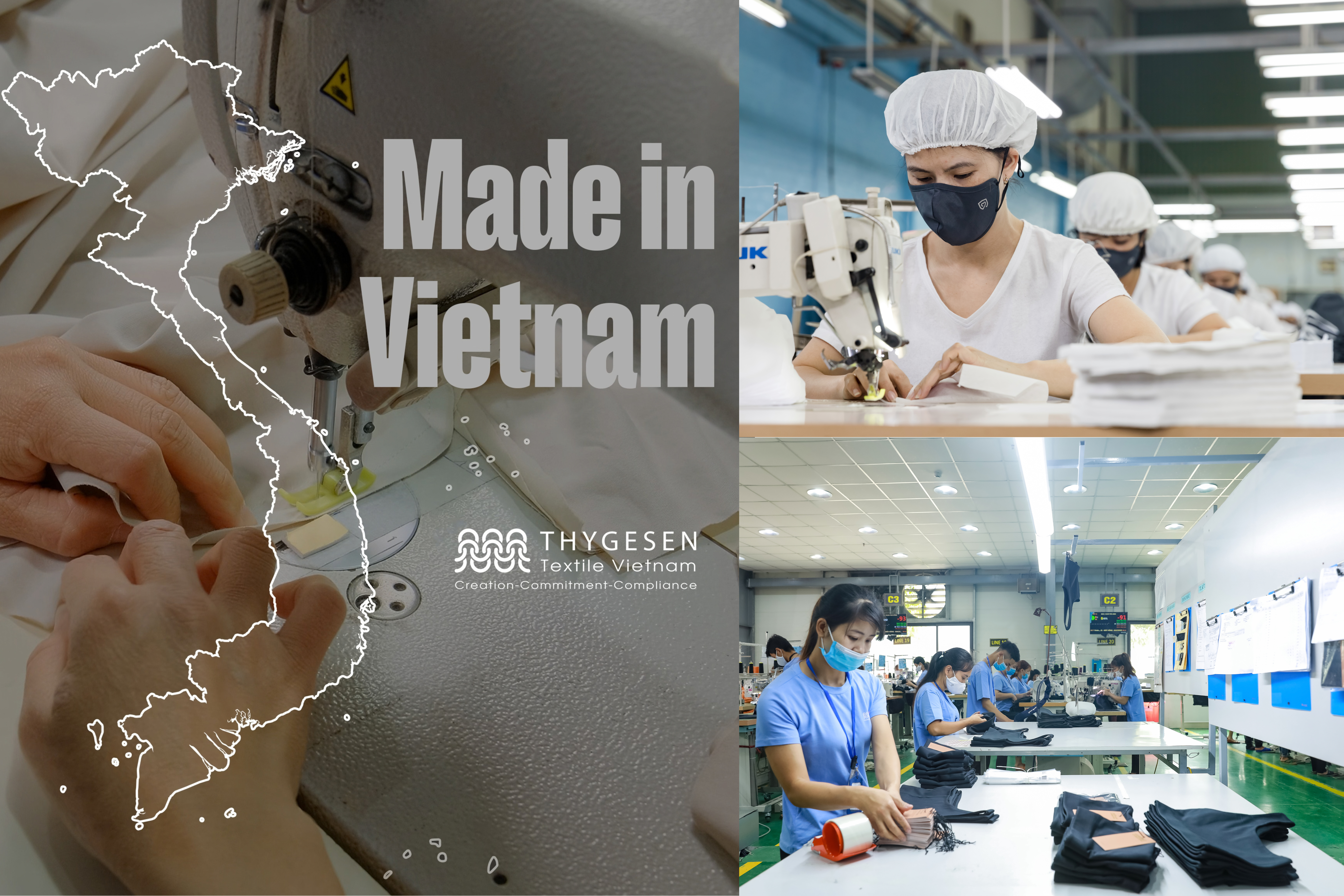
activewear, compression garments, leggings, sports bras, and athletic outerwear production. The country is widely recognized for strong garment construction quality, reliable production systems, and the ability to support large-scale international sportswear programs – a key reason why global fashion brands are moving production to Vietnam, drawn by its improving technical capabilities and competitive positioning within the region.
Vietnam’s growing technical expertise, combined with strong export infrastructure and manufacturing scalability, has made it one of the world’s most important sourcing destinations for global athletic apparel brands like Under Armour. For brands conducting supplier due diligence, understanding Vietnam clothing factory conditions is an important step before committing to long-term sourcing partnerships.
For brands looking to explore Vietnam’s manufacturing capabilities further, the following guides offer a useful starting point:
- Best clothing manufacturers in Vietnam – an overview of top-rated Vietnamese factories with proven track records in activewear, technical garments, and export-ready production programs.
- T-shirt manufacturers in Vietnam – covering factories experienced in high-volume basics, jersey fabric handling, and consistent cut-and-sew production.
- Hoodie manufacturers in Vietnam – focused on fleece garment construction, knitwear finishing, and performance outerwear production capabilities.
- Baby clothes manufacturers in Vietnam – highlighting factories experienced in soft-goods production, safety compliance, and delicate fabric handling for infant and toddler apparel.
- Organic clothing manufacturers in Vietnam – covering sustainably certified production facilities working with organic, recycled, and eco-friendly fabrics.
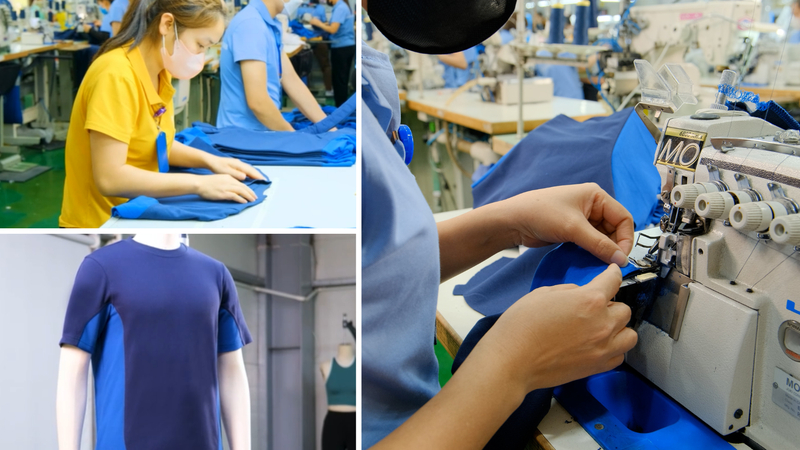
Vietnam’s growing technical expertise makes it an ideal sourcing destination for Under Armour’s performance apparel, compression garments, and leggings. Expert cut and sew manufacturers in Vietnam bring specialized knowledge in performance stitching, seamless construction, and technical assembly required for high-performance sportswear.
2.2. China
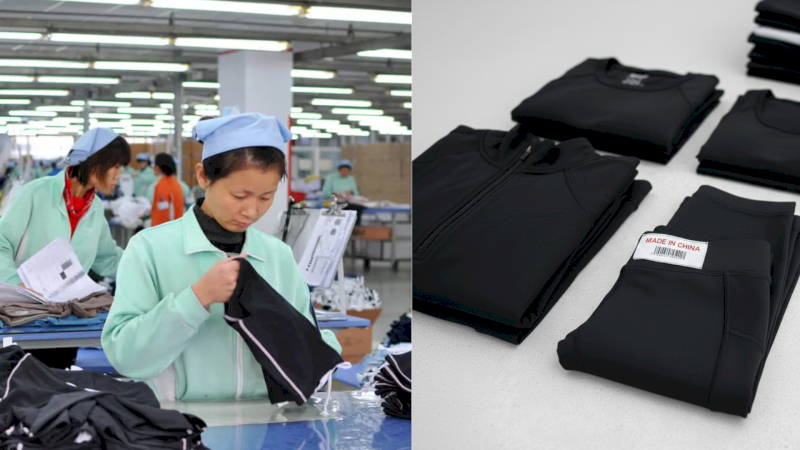
China also continues to play a major role in Under Armour’s manufacturing network because of its advances textile supply chains, technical fabric expertise and large-scale manufacturing infrastructure
Under Armour products manufactured in China often include technical sportswear, synthetic performance apparel and performance accessories
China’s vertically integrated textile ecosystem allows brands to streamline fabric sourcing, dyeing, trimming, and garment assembly while maintaining production efficiency.
For brands looking to source similar categories from China, the following manufacturer guides offer a useful starting point:
- Clothing manufacturers in China – an overview of China’s broader apparel manufacturing ecosystem, key sourcing regions, and what to look for when vetting factory partners.
- Activewear manufacturers in China – covering performance garment production, technical fabric capabilities, and factories experienced in athletic and compression apparel.
- Leggings manufacturers in China – focused on stretch fabric handling, seamless construction, and high-volume leggings production for global retail brands.
- Underwear manufacturers in China – covering soft-goods expertise, elastic and trim sourcing, and factories specialized in intimate apparel and seamless underwear categories.
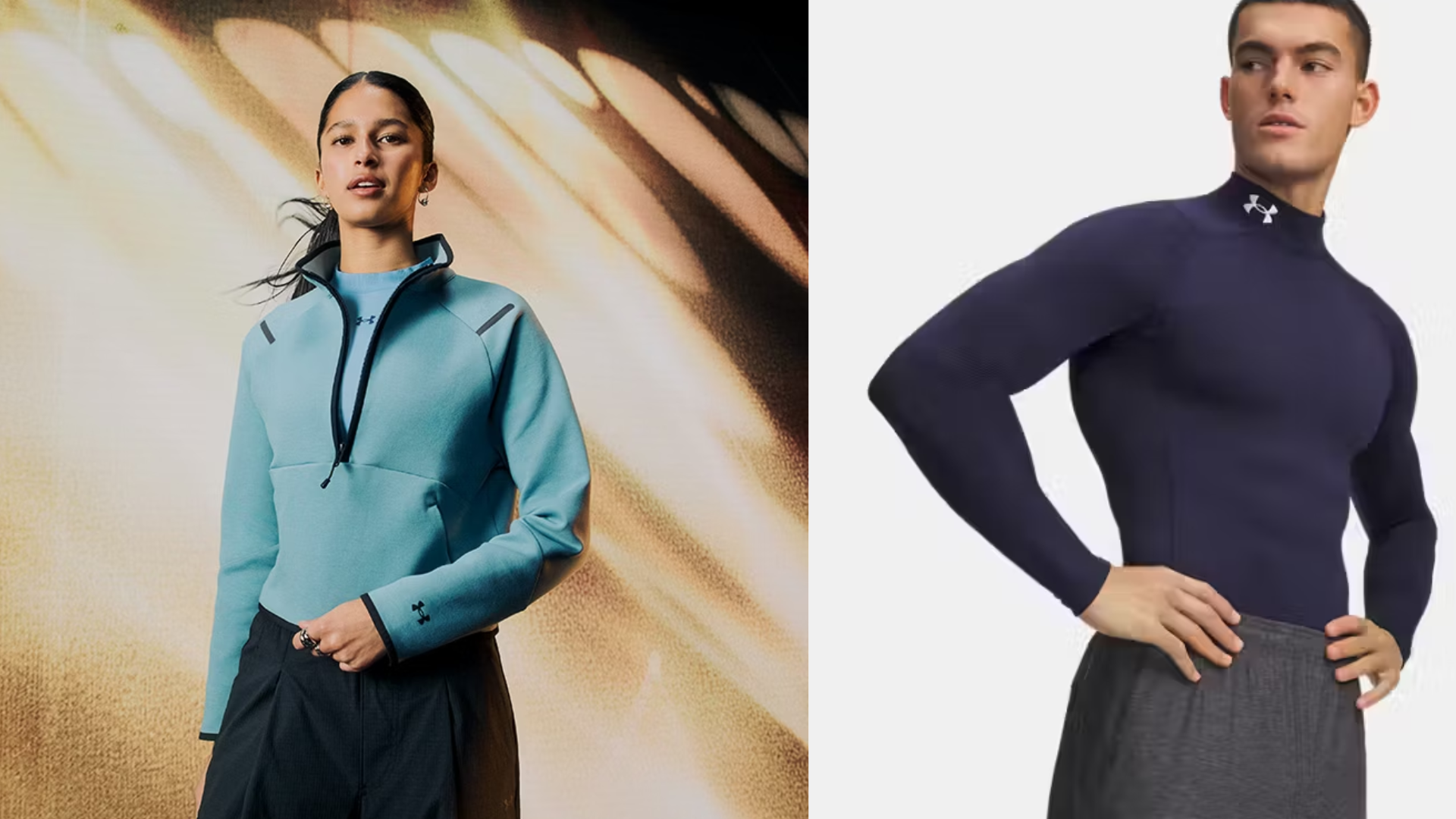
China continues supporting Under Armour’s production of compression garments and technical sportswear. Skilled legging manufacturer partners in China excel in stretch fabric handling, seamless construction, and compression engineering essential for high-volume performance leggings production
2.3. Other countries
Jordan has historically been an important sourcing location for Under Armour apparel manufacturing. The country became significant within global sportswear supply chains because of its trade agreement advantages
Under Armour also manufactures products across several other Asian countries including Indonesia, Cambodia, Malaysia, and the Philippines. This multi-country sourcing strategy is common throughout the athletic apparel industry because it allows brands to scale production efficiently across multiple product lines.
For brands specifically targeting the North American market, private label clothing manufacturers in the USA offer an alternative nearshoring option – particularly suited for smaller production runs, faster turnaround times, and collections where a domestic manufacturing story supports brand positioning.
3. Why Vietnam Became a Major Sportswear Manufacturing Hub
Vietnam has become one of the world’s leading sportswear manufacturing countries because of its strong expertise in technical apparel production.
Sportswear garments often require more advanced production capabilities than standard casualwear because they involve:
- Stretch Fabrics: Performance apparel relies on fabrics with precise elasticity ratings – typically four-way stretch constructions using nylon, spandex, or elastane blends – that must retain shape and recovery after repeated movement and washing cycles.
- Moisture-Wicking Textiles: Sportswear fabrics must actively manage sweat and body heat through engineered fiber structures that draw moisture away from the skin and promote rapid evaporation during physical activity.
- Bonded Seams: Unlike standard sewn seams, bonded or welded seam construction eliminates needle penetration points in the fabric, reducing chafing, improving garment durability, and maintaining a smooth finish against the skin – particularly important for compression and base-layer garments.
- Performance Stitching: High-stress areas of sportswear garments require specialized stitch types – such as flatlock, coverstitch, or overlock construction – that flex with the body during movement without breaking or distorting the fabric structure.
- Compression Engineering: Compression garments must be engineered to deliver consistent, graduated pressure across specific body zones, requiring precise pattern grading, fabric tension management, and quality control systems to maintain performance across size ranges.
- Lightweight Synthetic Materials: Modern sportswear increasingly relies on ultra-lightweight synthetic fabrics – including microfiber, recycled polyester, and technical nylon blends – that require careful handling during cutting, sewing, and finishing to preserve fabric integrity and garment performance.
Factories producing these garments must maintain strict consistency across sizing, stretch performance, seam durability, and fabric behavior.
Vietnam’s combination of technical expertise, skilled labor, and export infrastructure has helped the country become a major supplier for global sportswear brands.
4. Thygesen Textile Vietnam – Experienced Sportswear Manufacturing Partner
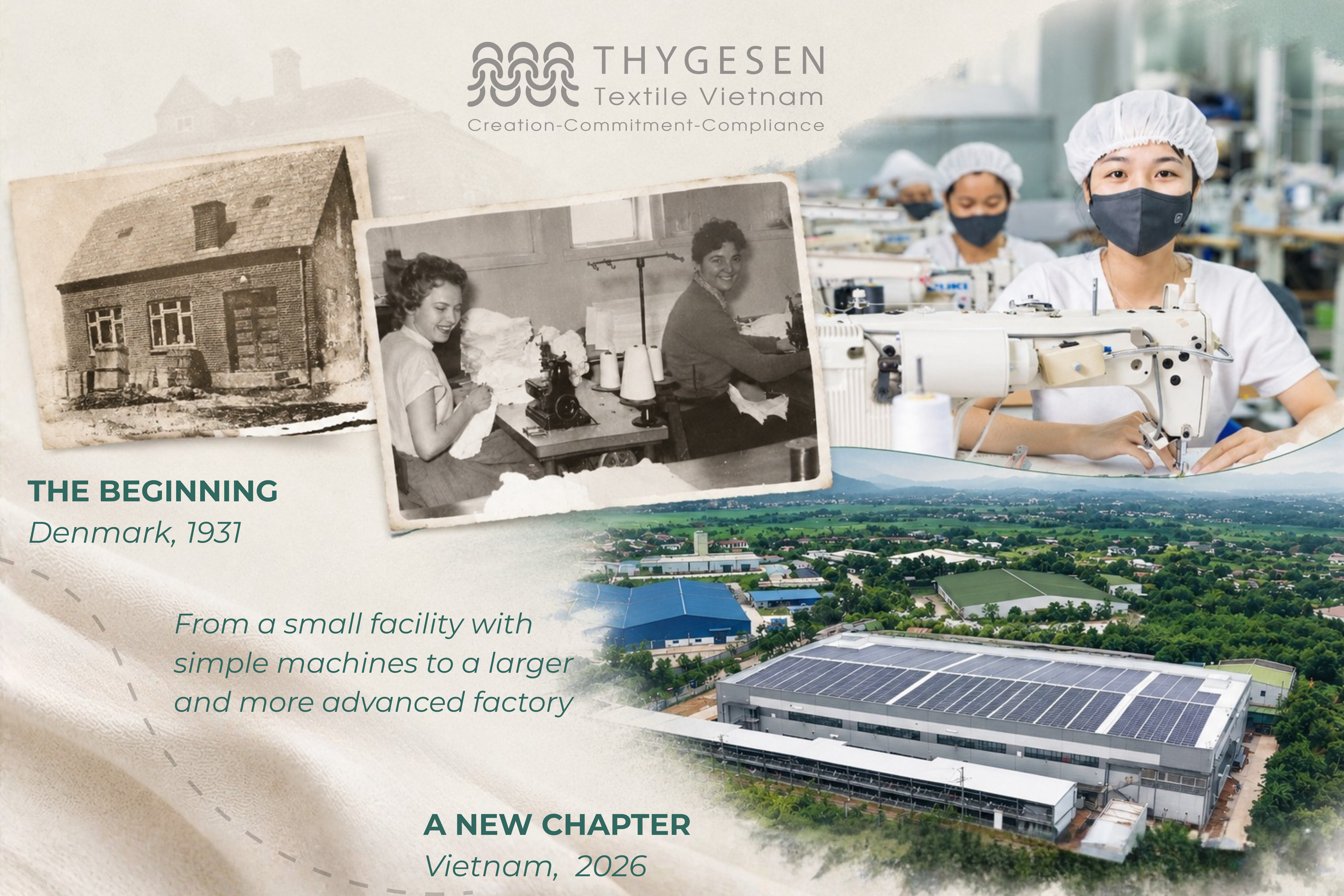
Activewear manufacturing is one of Thygesen Textile Vietnam’s core strengths. With over 90 years of experience in the textile industry, we have become a trusted manufacturing partner for many international sportswear brands.
Our capabilities cover a wide range of products, including golfwear, running wear, cycling wear, tennis wear, and other performance apparel. Every product can be fully customized to match each brand’s design, material, and functional requirements.
Thygesen works with a broad network of reliable material suppliers and combines advanced machinery with a skilled workforce to deliver high-quality garments with consistent results.
We are also strongly committed to ethical and sustainable manufacturing. Our SA8000- and WRAP-certified factory meets international standards such as ISO 9001:2015, GRS, GOTS, OEKO-TEX STANDARD 100, FSC, and OCS.
To make product development easier for our customers, we provide OEM and ODM full-package services, covering everything from design consultation and fabric sourcing to sampling and bulk production.
In conclusion, Under Armour products are manufactured across a diversified global sourcing network that includes Vietnam, China, Jordan, Indonesia, Cambodia, Malaysia, and the Philippines. Each manufacturing region contributes different strengths that help support the brand’s wide range of sportswear, compression apparel, footwear, and performance-focused products.
If you are looking for a reliable activewear manufacturing partner in Vietnam, please reach out Thygesen Vietnbam. As a trusted clothing manufacturer in Vietnam, Thygesen helps brands maintain product quality, technical performance consistency, and reliable production scalability across modern activwear collections. For more information, visit thygesenapparel.com or contact our team directly at sale@thygesen.com.vn.