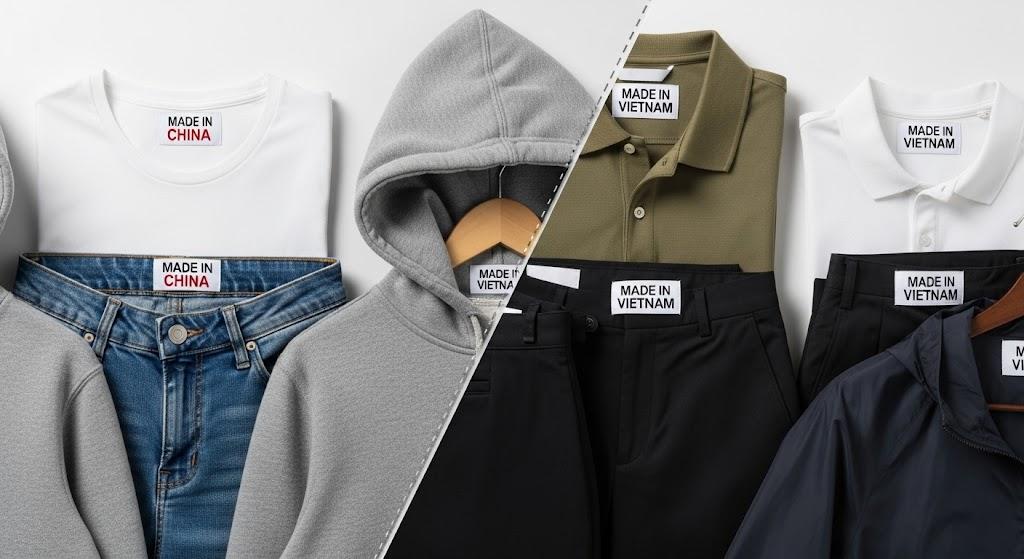
The comparison between “Made in China” and “Made in Vietnam” textile products is a complex topic influenced by various factors, including cost, quality, supply chain maturity, and consumer perception. Here’s a breakdown.
| Considerations | China | Vietnam |
|---|---|---|
| Labor conditions and costs | Rising labor costs, but boasts a vast, experienced workforce. Conditions generally improved, but consistency across the large scale remains a challenge. | Offers significantly competitive labor costs regionally. Features a young, skilled workforce, with strong efforts to ensure fair wages, safe conditions, and prevent exploitation. |
| Quality and manufacturing capabilities | Vast production capacity; diverse capabilities; varying quality. | Growing reputation for consistent quality; adaptable to complex designs. |
| Supply chain | Boasts a highly developed and integrated supply chain, including a wide and diverse fabric supply base and extensive infrastructure. | Improving infrastructure; strategic location for trade. While its domestic fabric supply is growing, some specialized materials may still be imported. |
| Trade agreements and political stability | Extensive global trade network | Benefits from numerous FTAs (favorable tariffs); stable political environment. |
| Ethics and Sustainability | Increasing focus on improvements; past challenges. | Strong and growing commitment to ethical and sustainable practices |
While both China and Vietnam present compelling advantages in apparel manufacturing, the optimal choice ultimately hinges on a brand’s specific priorities. Let’s now explore each of these considerations in more detail.
1. Labor Conditions & Costs
Labor costs in China have been on a steady upward trend in recent years, impacting production prices. However, China possesses an incredibly vast and experienced workforce, which allows for unparalleled production capacity and specialized capabilities, often making it suitable for very large or complex orders. While working conditions in factories have generally improved, ensuring consistent basic standards across the entire large industrial workforce remains an ongoing challenge.
Vietnam offers significantly competitive labor costs within the region, helping brands save on production expenses. The country has a young, dynamic, and increasingly skilled workforce, well-suited for the textile and garment industry. Many factories are gaining compliance with reputable international standards like WRAP and SA8000 to ensure fair wages, safe working conditions, and prevent exploitation, fostering an increasingly better working environment for employees. Furthermore, Vietnamese manufacturers are increasingly investing in modern technology and digitalization solutions to enhance productivity and meet the evolving demands of the global market.
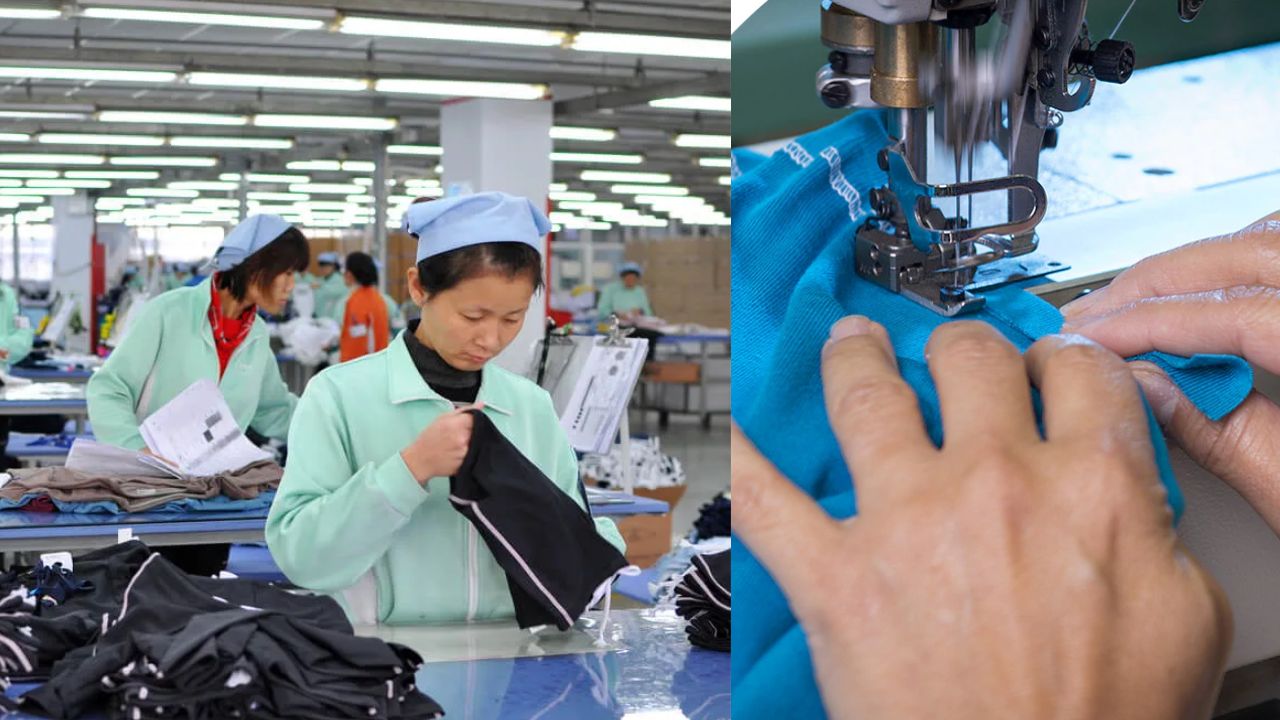
>> Thanks to skilled labor, fair wages, and increasing compliance with international standards, Vietnam is an ideal cut and sew manufacturer for brands balancing cost efficiency with ethical production.
2. Quality and Manufacturing Capability
The quality of goods made in China varies a lot. You can find everything from very cheap, basic items to products of excellent quality. It all depends on how much you pay and how closely the brand manages quality. China has a complete system for making things, built over many decades. They have advanced technology, strong research and development (R&D), and a huge network of suppliers for almost any product. This helps them make a wide range of products with different quality levels.
Vietnam’s manufacturing quality has also gotten much better over the years. Many factories have ISO 9001 certification and work hard to meet international quality rules. Because of this focus on quality, many big international brands like Nike, Adidas, Puma, Tommy Hilfiger, DKNY, and Calvin Klein are choosing Vietnam more and more for their production.
For items where Vietnam is really good, like clothes and textiles, the quality can be as good as, or even better than, some products made in China. Even though Vietnam has less manufacturing history than China, it’s a fast-growing player in the industry. It’s quickly getting better at making things in key areas like clothes and is steadily catching up in how advanced and big its production is.
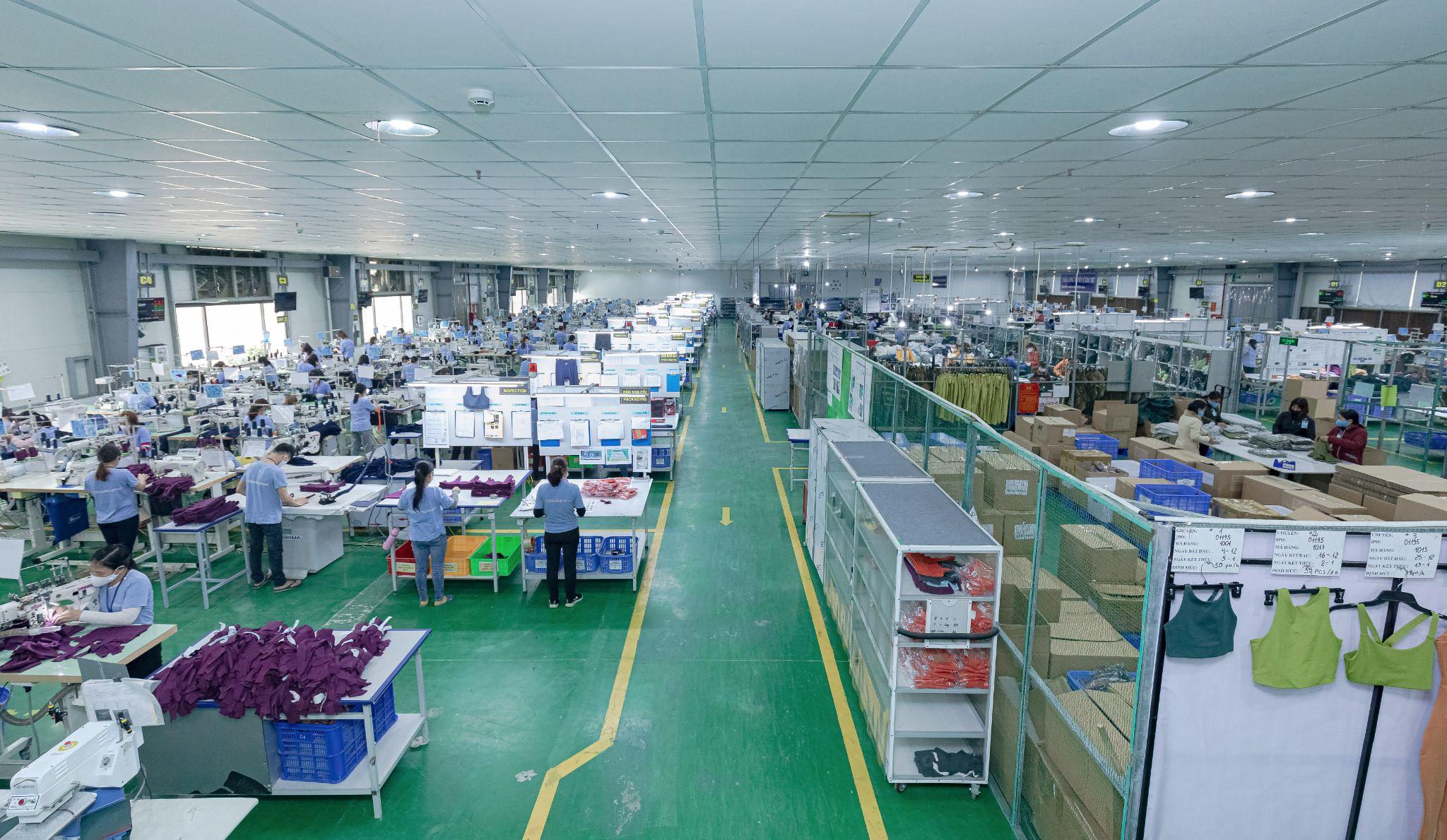
With improving technology and certified quality systems, Vietnam is becoming a preferred destination for global brands seeking reliable athletic apparel manufacturers capable of handling performance-driven designs at scale.
3. Supply Chain
China has a highly developed and very complete supply chain for clothing manufacturing. This means they have everything from raw materials like fabric and trims to finished goods production, all closely connected. They also have a huge network of factories that can make almost anything, and excellent infrastructure including ports, roads, and logistics services. This allows China to be a one-stop shop for many brands, making large-scale production very fast and efficient.
Vietnam’s supply chain and logistics networks are constantly improving. The country has a strategic location with good access to international shipping routes, making it easier to send products worldwide. While Vietnam’s ability to produce its own fabrics and materials is growing fast, it may still need to import some special or unique raw materials. However, Vietnam is quickly building up its supporting industries, which helps to make its overall supply chain more robust and self-reliant over time.
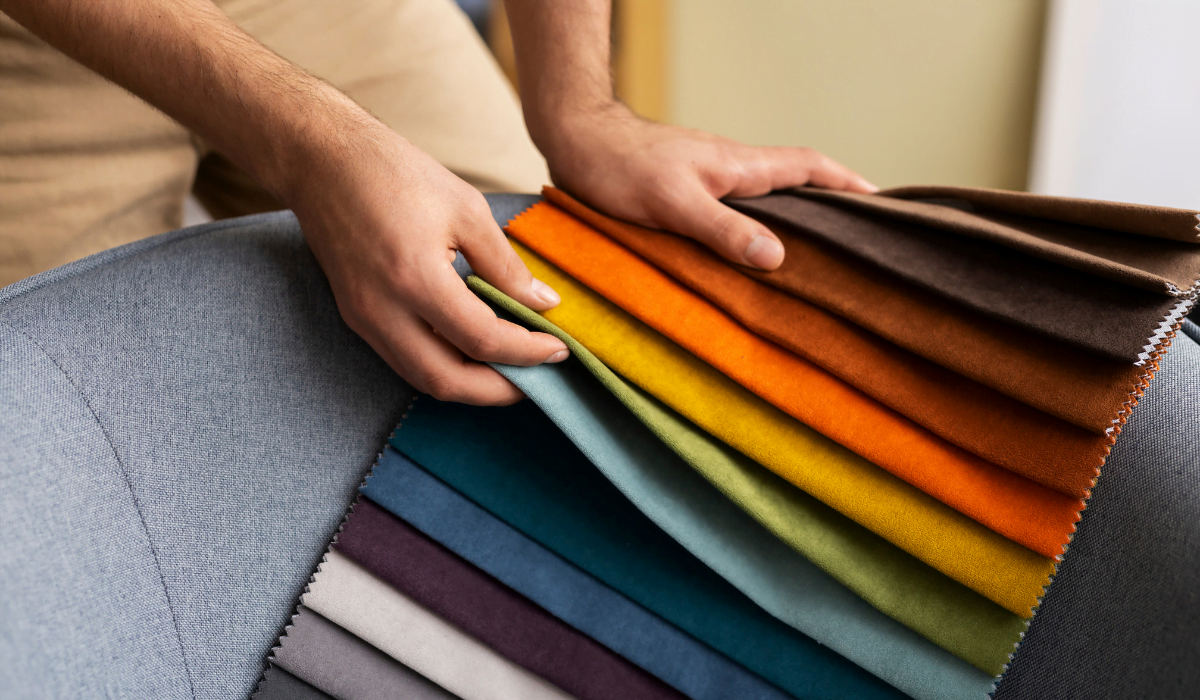
As Vietnam strengthens its local fabric sourcing and garment infrastructure, it is emerging as a dependable hoodie manufacturer for brands looking for flexible production and stable logistics.
4. Trade Agreements And Political Stability
China is a member of numerous bilateral and multilateral trade agreements, including RCEP (Regional Comprehensive Economic Partnership). However, the country has faced significant trade tensions, especially with the United States, leading to tariffs on many of its exports. China generally has a complex legal environment, and geopolitical tensions with Western countries can sometimes create uncertainties for businesses operating there.
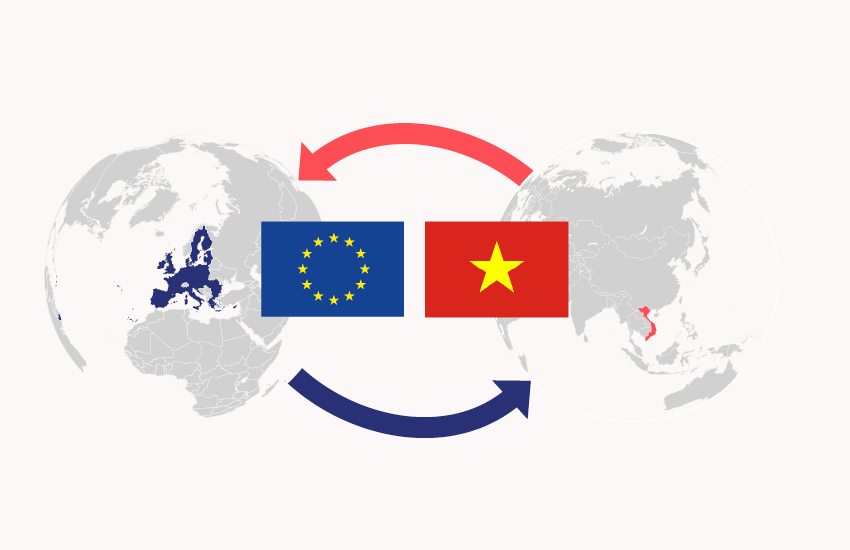
Vietnam benefits from an extensive network of highly favorable Free Trade Agreements (FTAs), including the CPTPP (Comprehensive and Progressive Agreement for Trans-Pacific Partnership), EVFTA (EU-Vietnam Free Trade Agreement). These agreements provide significant tariff reductions, making Vietnamese exports highly competitive in major markets like the US, EU, Canada, and Australia.
Such strategic trade advantages are a key factor when considering vietnam vs china why canada is shifting its apparel sourcing in 2026.
Vietnam is well-known for its political stability, which is a major draw for foreign direct investment (FDI). The government actively works to create a business-friendly environment through various incentives and administrative reforms, offering a stable and secure investment climate.
5. Ethics and Sustainability
China has shown an increasing awareness and is actively implementing measures to improve ethical labor practices and environmental sustainability within its vast manufacturing sector. Many larger factories and those working with international brands undergo various social compliance audits (such as BSCI, SEDEX) and strive to meet global standards.
In the past, concerns have been raised by international bodies regarding human rights and labor exploitation in certain regions or segments of its vast industry. While significant progress has been made, the sheer scale of the industry and challenges in monitoring across all levels mean that consistent adherence to the highest ethical and sustainable practices remains an ongoing development.
Vietnam demonstrates a strong and growing commitment to ethical labor practices and environmental sustainability. A significant number of Vietnamese factories actively pursue and achieve reputable international certifications like WRAP, SA8000, and participate in programs like Better Work, ensuring fair wages, safe working conditions, and the protection of workers’ rights.
Beyond labor, there’s a proactive push towards greener manufacturing, including initiatives for energy efficiency, waste reduction, and the adoption of more sustainable materials and processes, making Vietnam an increasingly attractive choice for brands prioritizing responsible production.
This aligns perfectly with evolving industry standards, including the principles driving The EU’s Circular Economy in Apparel Manufacturing.
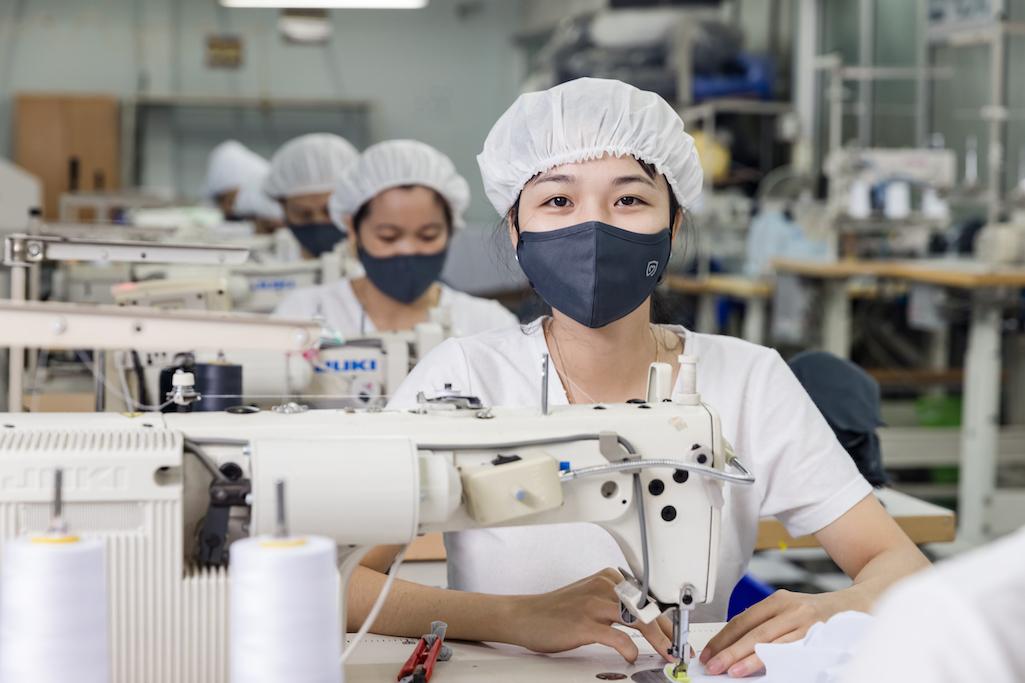
With strong commitments to worker welfare and eco-friendly materials, Vietnam stands out as a responsible legging manufacturer for brands prioritizing sustainability and compliance.
6. US Vs. China Trade War: How Vietnam Benefits
The trade tensions between the United States and China, particularly the imposition of tariffs on Chinese goods, have prompted many international businesses to rethink their global supply chain strategies. This situation has inadvertently created significant opportunities for Vietnam.
As companies seek to diversify their production bases and mitigate the impact of tariffs, Vietnam has emerged as a favored alternative manufacturing destination. This shift has led to a noticeable increase in FDI flowing into Vietnam’s manufacturing sector, particularly in textiles and electronics.
This significant industry movement highlights precisely why fashion global brands are moving production to Vietnam.
Consequently, Vietnam has seen a surge in its exports to the U.S. market, as goods previously made in China are now being produced and shipped from Vietnam to avoid tariffs. This dynamic has further solidified Vietnam’s position as a strategic and reliable manufacturing hub in Southeast Asia, benefiting from the global supply chain adjustments driven by the trade dispute.
As brands shift production away from China to avoid tariffs, Vietnam has become a strategic streetwear clothing manufacturer serving the U.S. market with competitive costs and trade advantages.
7. Vietnam – The True Potential for Clothes Manufacturing
With its competitive labor costs, growing expertise in quality production, an expanding network of favorable trade agreements, and a strong commitment to sustainability, Vietnam is increasingly recognized as a powerhouse in clothes manufacturing. The nation’s strategic advantages position it as an ideal destination for brands seeking reliable, high-quality, and ethically produced garments.
For companies looking to harness this immense potential and partner with a trusted manufacturer, Thygesen Textile Vietnam stands as a prime example of a factory embodying these strengths.
With over 90 years of experience in the textile industry, Thygesen has built a solid reputation, becoming the partner of choice for many leading global brands like Tommy Hilfiger, DKNY, and Calvin Klein.
Thygesen offers full-package OEM/ODM services, supporting clients from design consultation and material sourcing to bulk production. Our commitment to quality and sustainability is core to operations, evidenced by achievement of reputable international certifications such as SA8000, WRAP, ISO 9001:2015, GRS, GOTS, OEKO-TEX STANDARD 100, FSC, and OCS. This affirms Thygesen as a reliable apparel manufacturing partner, not only in terms of quality but also regarding ethical and environmental standards.
Backed by decades of experience and full-package OEM/ODM services, Thygesen exemplifies why Vietnam is a trusted t shirt manufacturer for global fashion brands seeking quality and reliability.
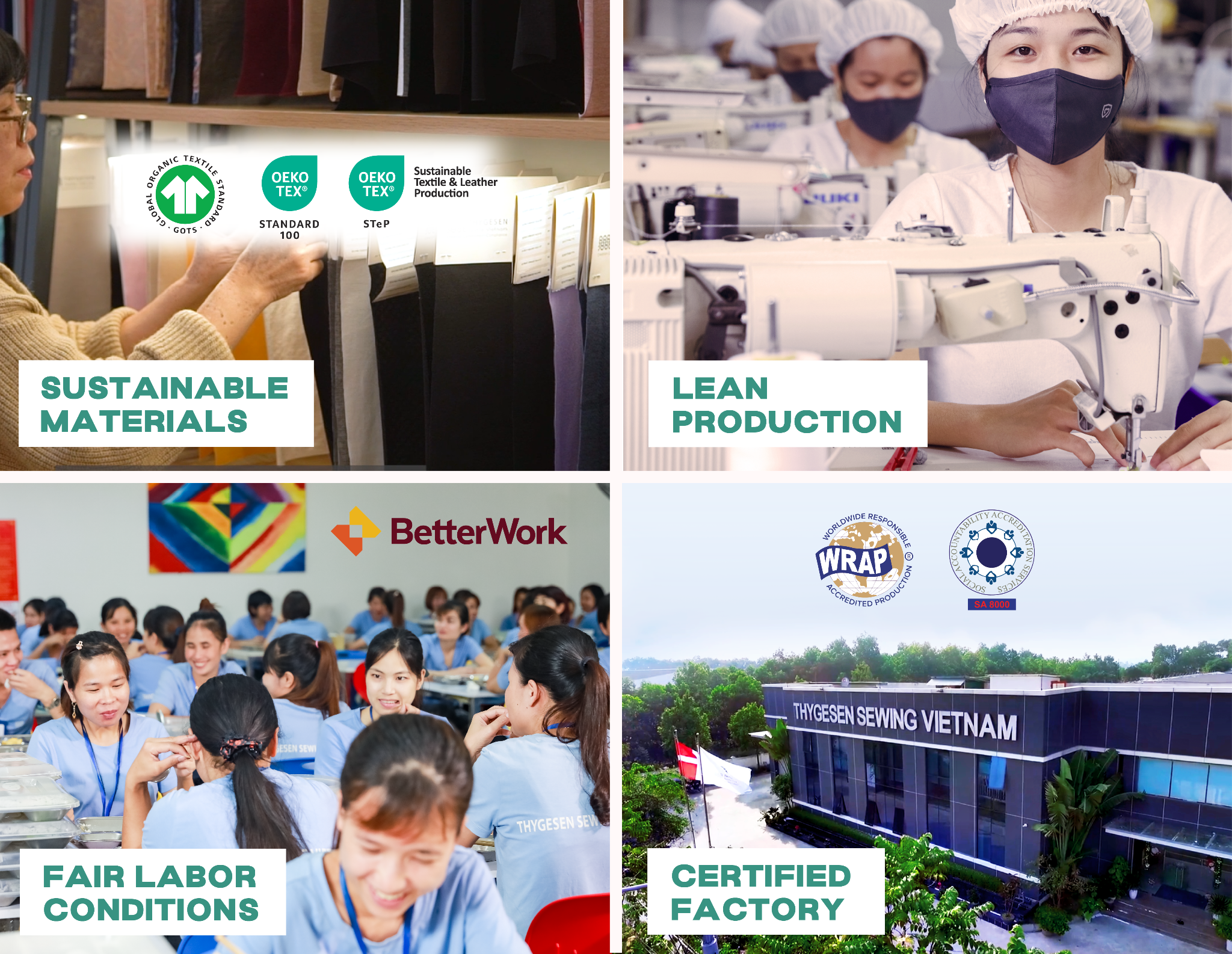
In conclusion, the debate of Made in China vs Made in Vietnam highlights distinct advantages from both countries in global fashion manufacturing. While China excels with its vast scale, comprehensive ecosystem, and diverse capabilities, Vietnam stands out for its strong commitment to ethics and sustainability, remarkable political stability, and beneficial trade agreements with tax incentives
For brands seeking a reliable partner embodying these strengths, Thygesen Textile Vietnam is a prime example. Learn more at thygesenapparel.com or contact them via sale@thygesen.com.vn.