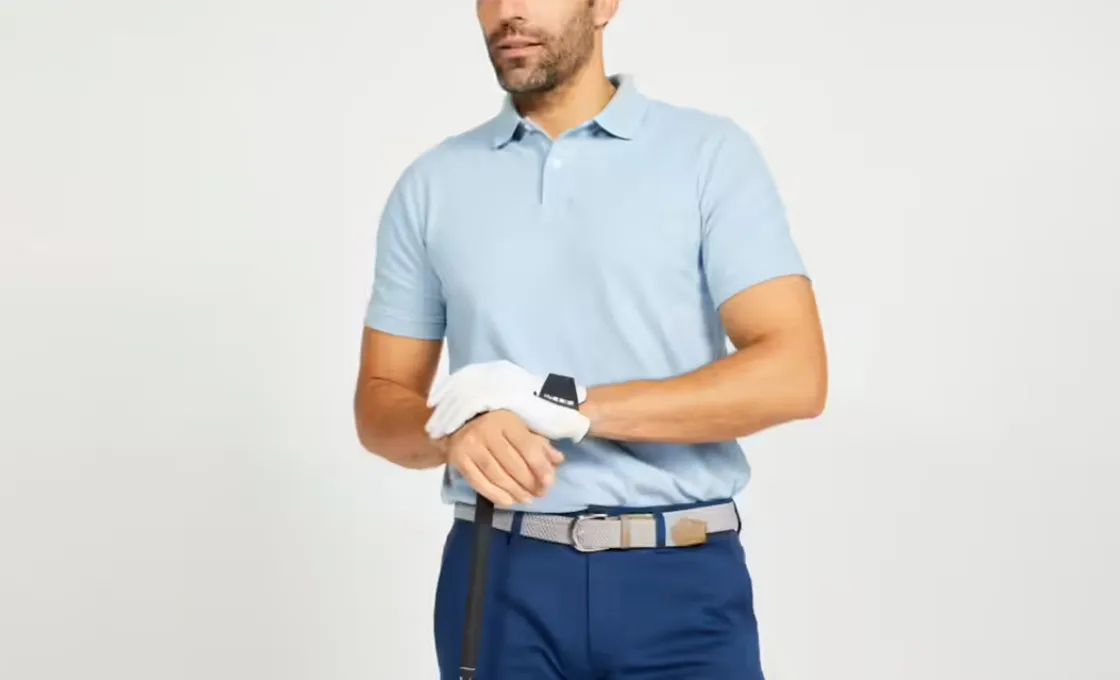
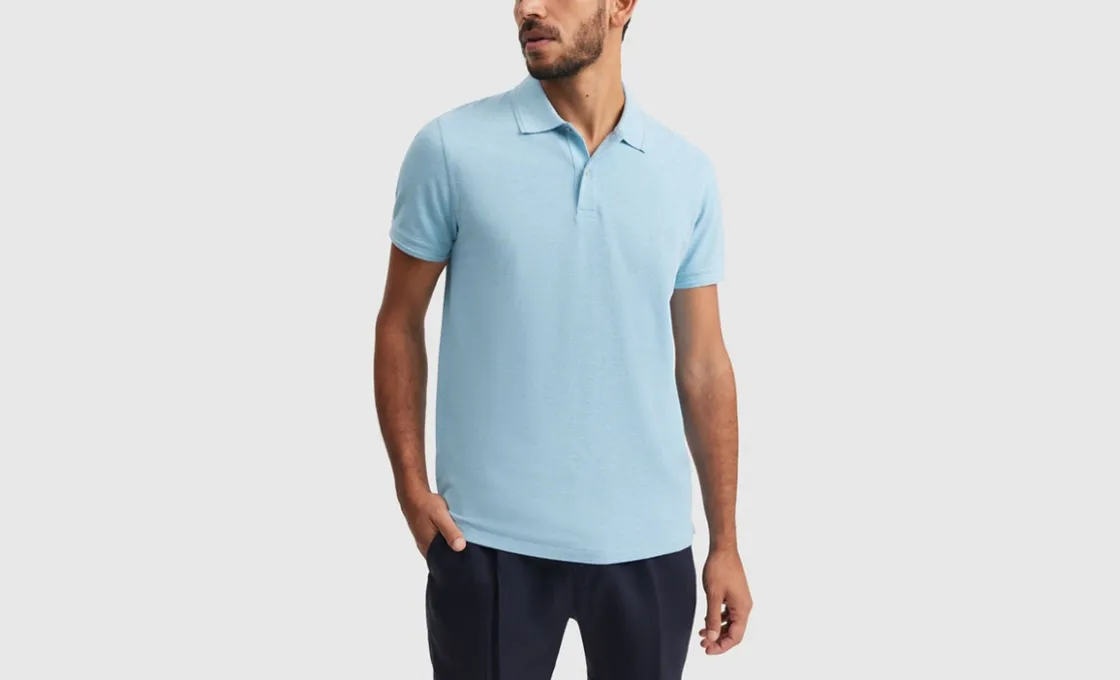
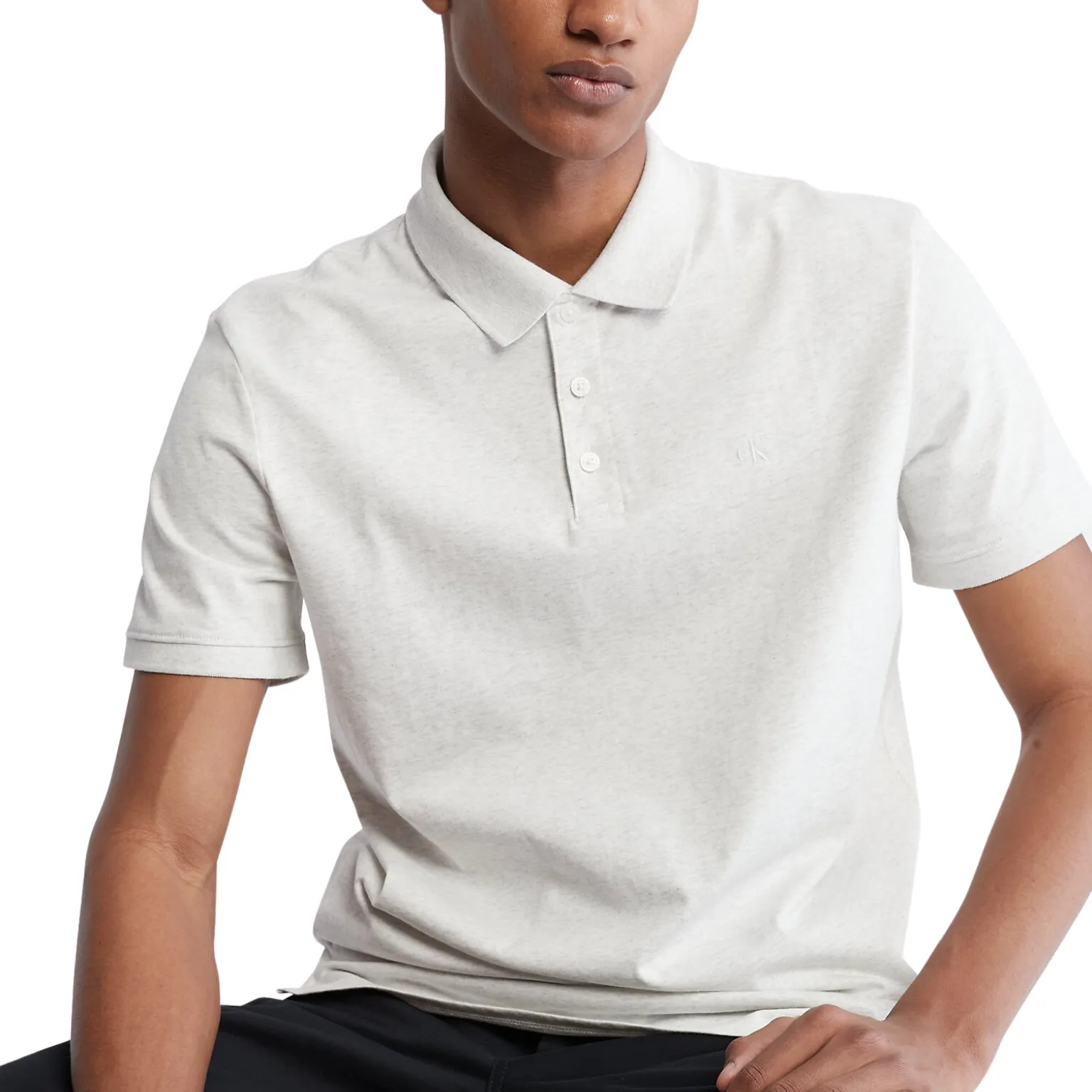
Fashion brands often want to sell products under their own brand without handling the manufacturing themselves. For this, private label and white label models are popular choices. Below, we’ll explore their key differences when it comes to bringing your products to market.
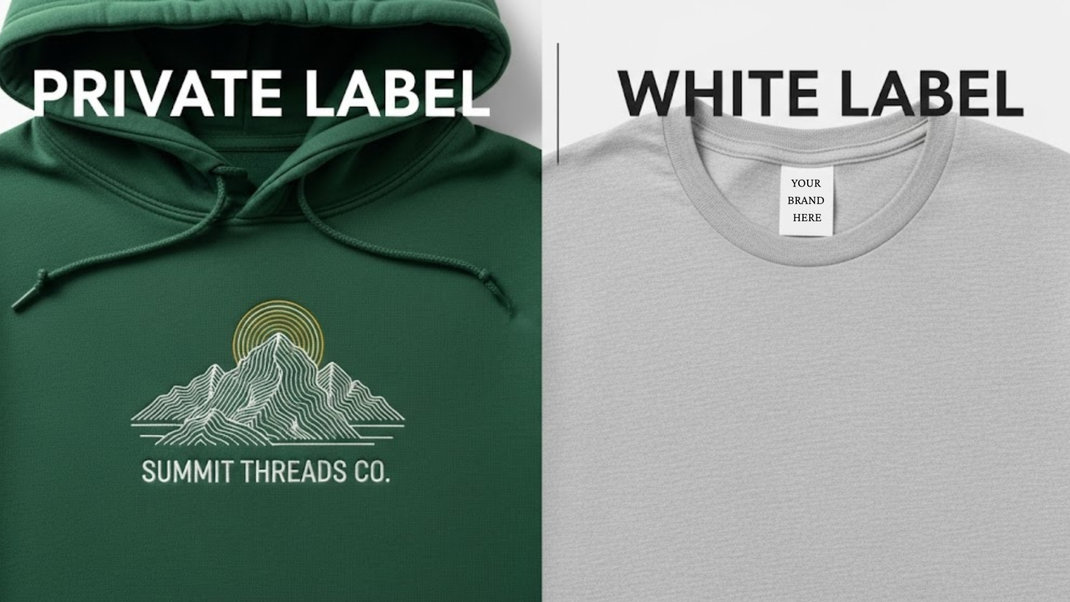
Private Label vs. White Label: A Comparison Overview
For a clearer understanding, let’s look at a general comparison of private label and white label:
| Feature | Private label | White label |
|---|---|---|
| Brand Ownership | Owned by your brand exclusively. | Owned by the manufacturer; you rebrand it as yours. |
| Product Uniqueness | Highly customizable and unique to your brand. | Standardized product, rebranded by many buyers. |
| Customization Level | Full control over design, materials, features. | Limited to branding/packaging; core product is fixed. |
| Time to Market | Longer due to R&D, design, and custom production. | Faster, as products are pre-made and ready for branding. |
| Initial Cost/MOQ | Generally higher due to bespoke development. | Generally lower, more accessible MOQs. |
| Quality Control | Full control and oversight by your brand. | Relies on the manufacturer’s standard quality control. |
Pros and Cons of Private Label vs. White Label
Simply put, Private Label means a product is made by one company but sold only under another company’s brand name. The buyer decides how the product looks and what it does, making it unique to them.
On the other hand, White Label is a basic product or service made by one company that many other companies can put their own brand on and sell. The main product stays the same, only the branding changes. Knowing the good and bad points of each is very important for making smart business choices.
Private Label: Your Own Special Product
- Pros: Choosing a private label gives you full control over your product. You decide its design, quality, and how you brand it, making it truly unique to your vision. This helps your brand really stand out, builds strong customer loyalty, and can lead to bigger profits.
- Cons: The main downsides are higher starting costs, as you pay for custom designs and new development. The entire process is more complex, requiring detailed design adjustments and a longer time to get products ready for sale. A big risk is finding the right manufacturer who truly understands your vision, and you’ll also face the added complexity of managing your own supply chain.
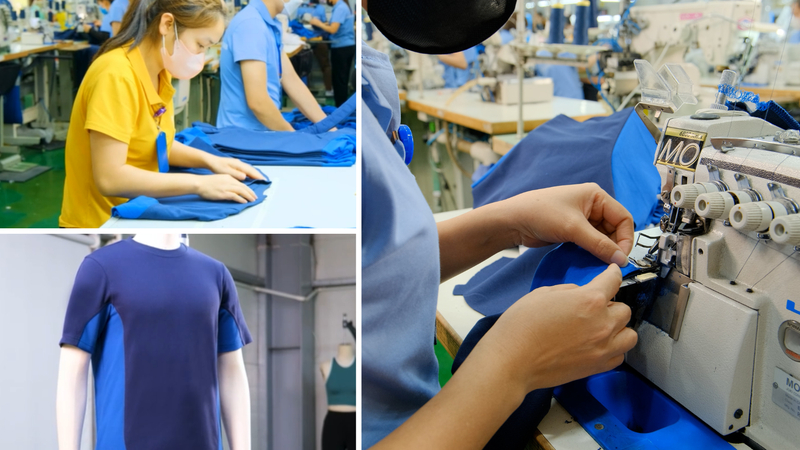
Private label brands that require full control over design and construction often rely on professional cut and sew manufacturing to turn unique concepts into scalable, high-quality garments.
White Label: The Ready-Made Solution
- Pros: White label solutions have lower starting costs and are much faster to get to market because products are already made. This model allows for easy expansion of product lines and reduced risk when testing new markets or ideas. You also don’t need to invest in R&D, as the product is already designed and proven. This frees you up to focus more on marketing, sales, and building your brand, instead of manufacturing.
- Cons: The main limitations are a lack of product uniqueness, as competitors can sell the exact same core item, often leading to intense price competition. You also have limited control over the core product’s design and features, relying on the manufacturer’s existing standards.
Understanding how a manufacturing company should reduce production cost is crucial for brands aiming to optimize their budget and achieve competitive pricing.
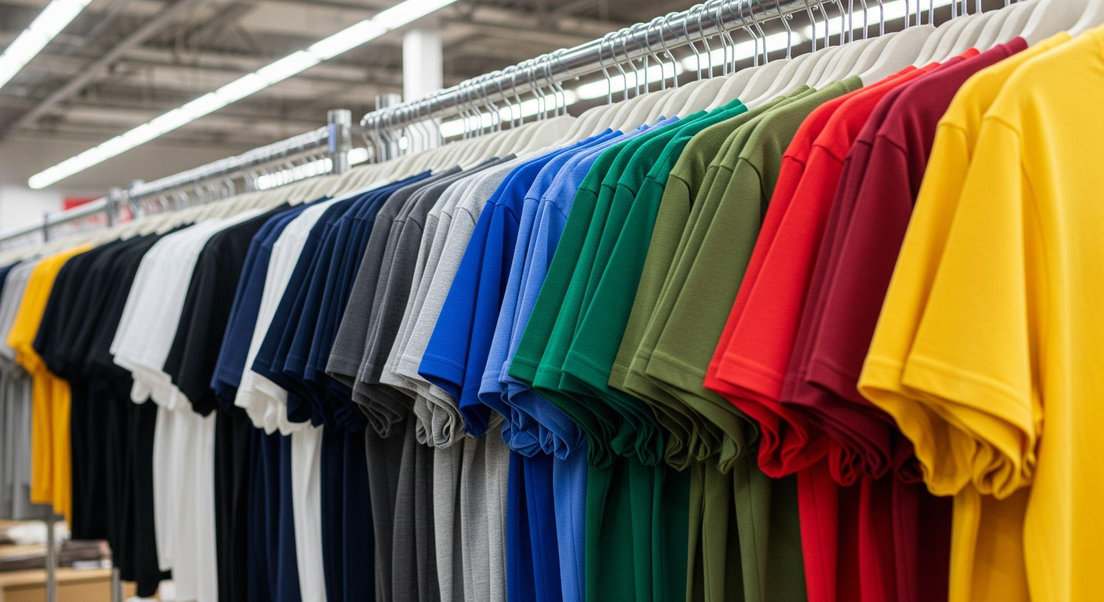
White label programs are especially effective when working with an experienced legging manufacturer that already offers proven fits, fabrics, and performance-tested designs.
When to Choose Private Label or White Label
Deciding between private label and white label depends on your business goals, resources, and how unique you want your products to be.
Go for a private label when you want a product that’s totally unique and truly matches your brand’s style. It’s best if you have plenty of time and aren’t in a hurry, because creating your own product takes careful work. You also need enough resources (like money and staff) to manage every step, from design to making sure the quality is right, and be ready to fix any problems that pop up. This effort helps you build a strong, special brand that really stands out from others.
Opt for white label if your priority is to launch products quickly or to expand your offerings with minimal upfront investment. This model is ideal when you have a limited budget for product development or want to lower your risks by testing market demand without committing to extensive R&D. This is a smart choice when you want to make apparel products like basic t-shirts, hoodies, common sportswear (e.g., leggings, shorts), simple jackets, or everyday uniforms.
For brands focused on performance and fit, understanding the intricate leggings manufacturing process is vital to ensure high-quality and comfortable products for their customers.
If brand identity and differentiation are your priorities, collaborating with a dedicated streetwear clothing manufacturer allows you to create exclusive designs that truly represent your vision.

For brands seeking fast market entry with minimal development time, partnering with a reliable hoodie manufacturer enables quick production of ready-made, in-demand styles.
Thygesen – A Reliable Private Clothing Manufacturer in Vietnam
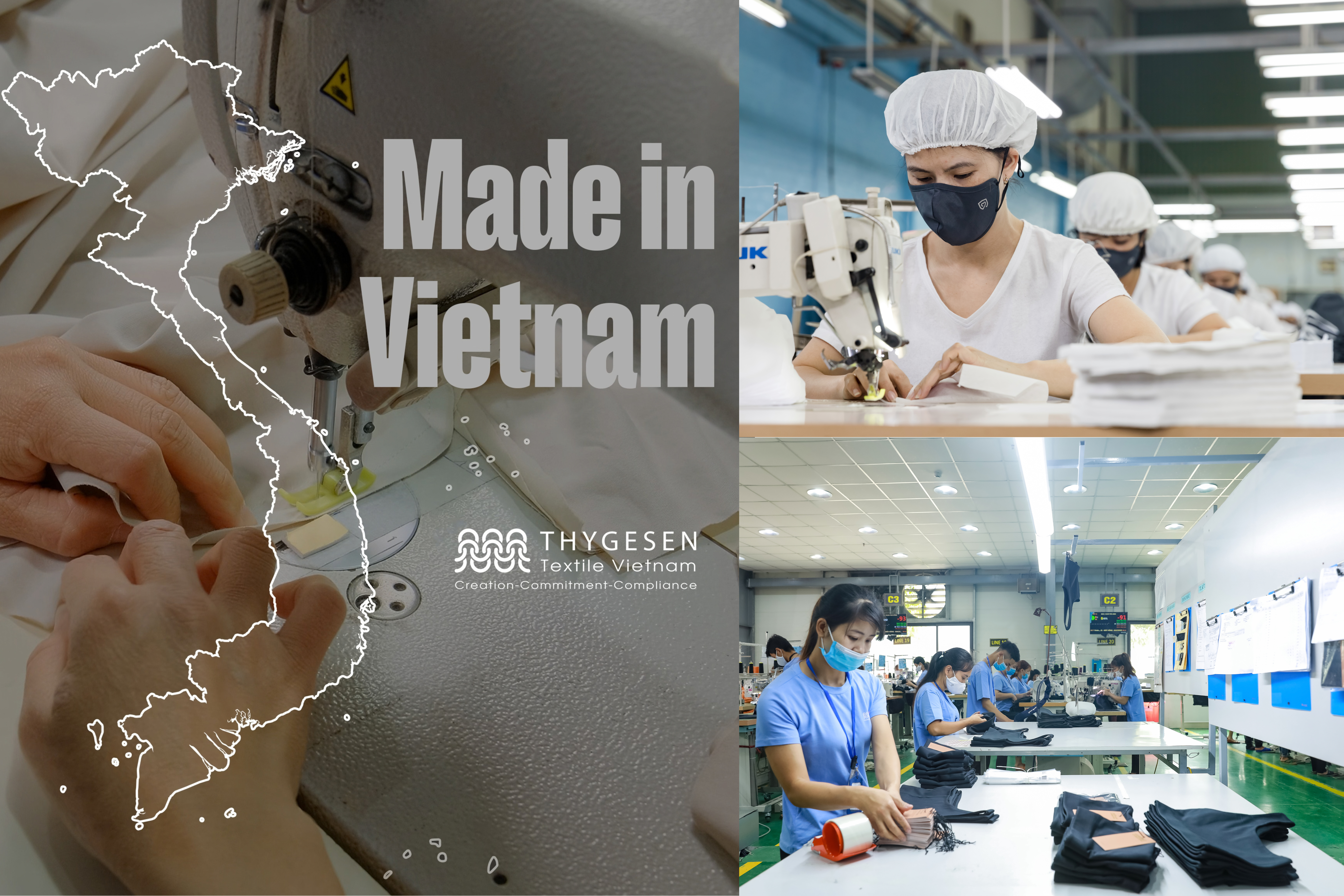
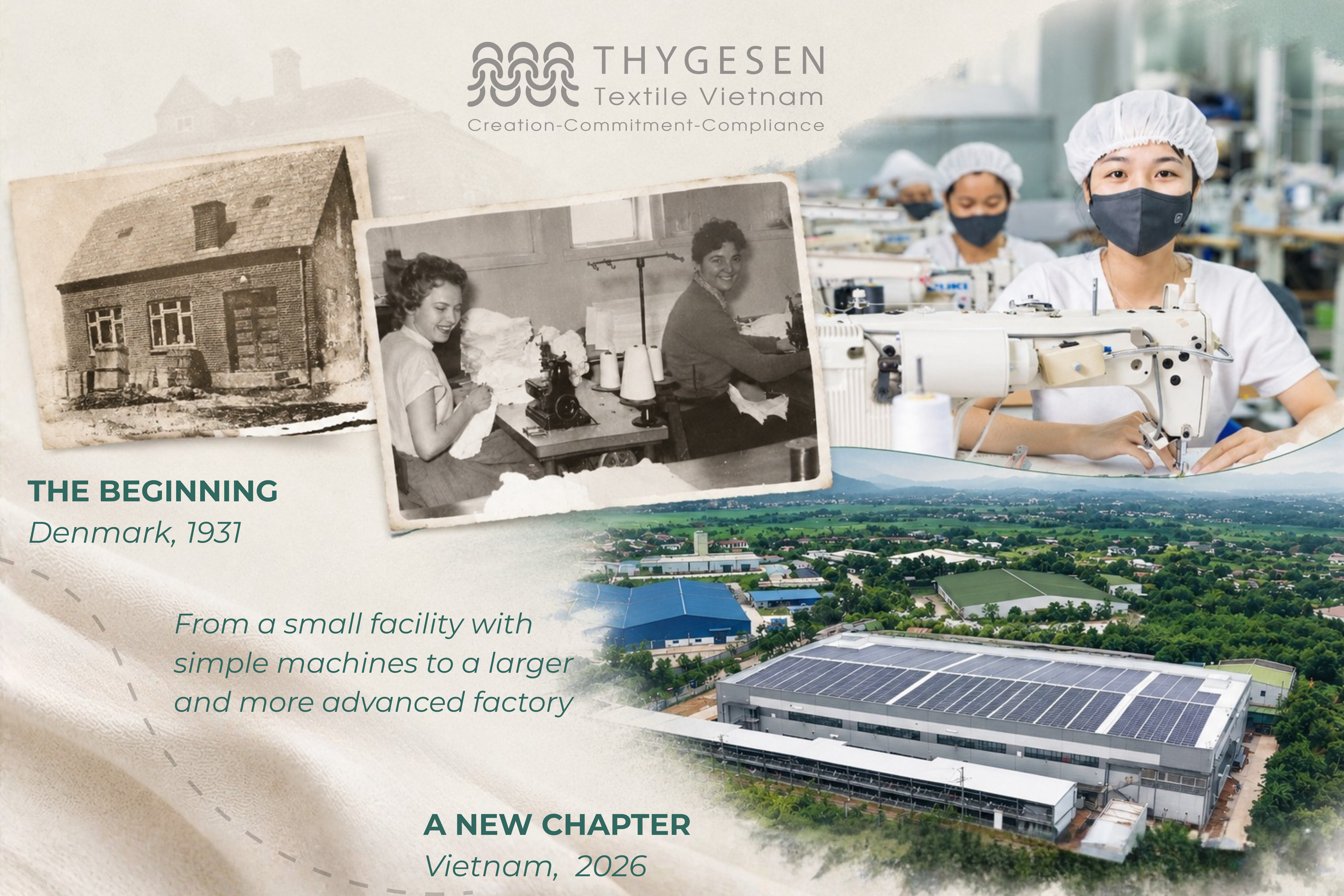
Thygesen Textile Vietnam is a trusted private label clothing manufacturer and one of the experienced athletic apparel manufacturers in Vietnam, offering customized solutions across activewear, underwear, casualwear, and kidswear. Backed by over 90 years of textile industry experience, we have partnered with leading global brands such as Tommy Hilfiger, DKNY, and Calvin Klein, demonstrating our expertise in quality-driven and scalable apparel production.
We provide an OEM/ODM Full-Package Service, managing everything from design consultation and material sourcing to bulk production. Moreover, we are deeply committed to Quality & Sustainability. All products are crafted with care and ethics in our SA8000 & WRAP-certified factory, meeting stringent standards such as ISO 9001:2015, GRS, GOTS, OEKO-TEX STANDARD 100, FSC, and OCS.
With extensive experience in technical apparel, Thygesen Textile Vietnam excels in Sports Jacket Manufacturing – Thygesen Textile Vietnam, delivering high-performance and durable garments tailored to client specifications.
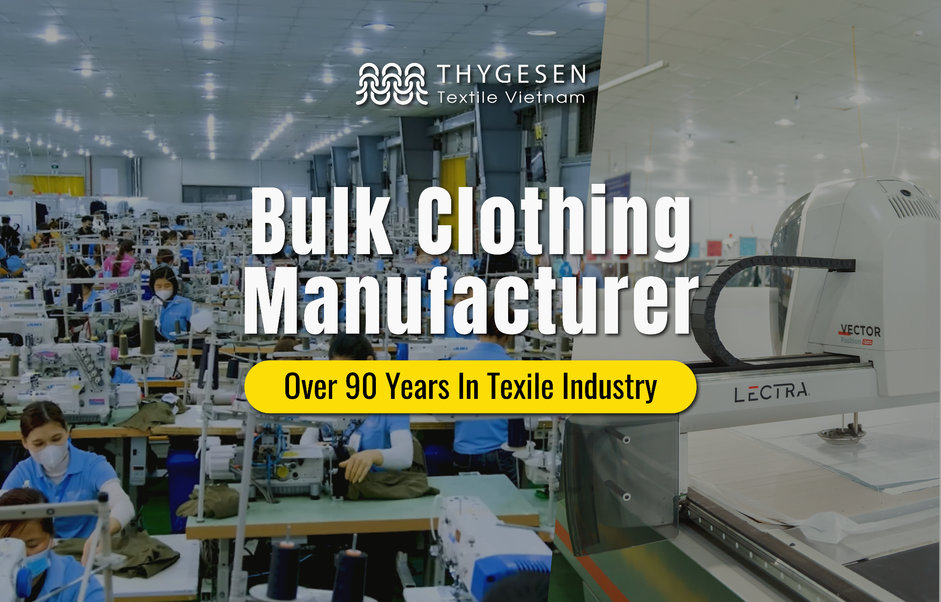
In conclusion, both private label and white label manufacturing come with distinct pros and cons. The best choice always depends on your brand’s unique needs and goals. If you’re looking for a reliable private label clothing manufacturer, Thygesen Vietnam stands as a highly reputable option. Learn more at thygesenapparel.com or contact us via sale@thygesen.com.vn.